
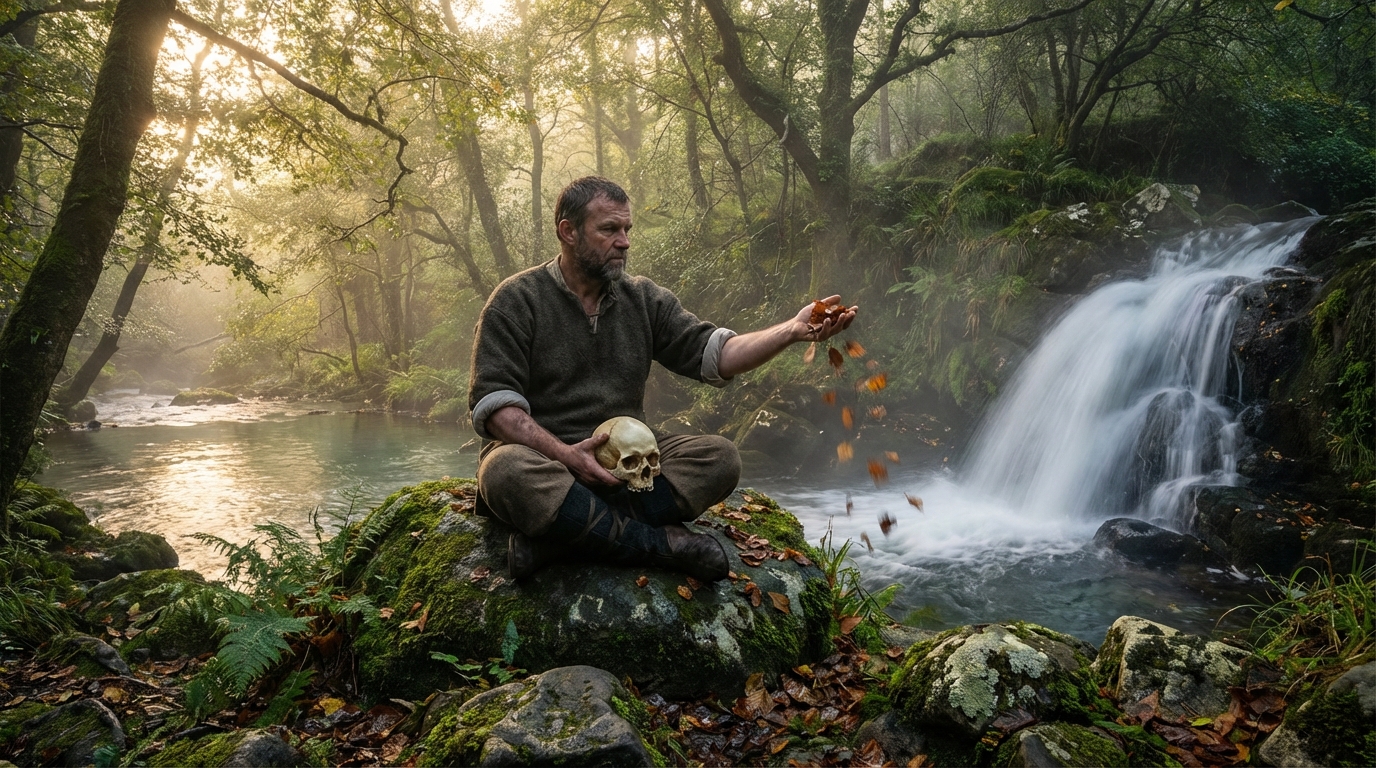
Tap into timeless wisdom to sharpen your mind amid chaos. Stoic exercises from philosophers like Epictetus and Marcus Aurelius provide practical tools to build emotional resilience, gain clarity, and cultivate purpose in your routine. Recent studies draw parallels to cognitive behavioral therapy and show improvements in stress management. Start small during commutes or quiet evenings to turn philosophy into actionable habits.
Sites like stoichandbook.co rank these exercises by difficulty and scientific support. The Dichotomy of Control tops the list for its simplicity and impact. Focus solely on what you control, your judgments and actions. Let go of external events like traffic or others’ opinions. Research links it to better emotional regulation and decision-making clarity. You notice reduced anxiety almost immediately when you reframe challenges this way.
Negative Visualization, or Premeditatio Malorum, has you mentally rehearse potential setbacks. This builds appreciation for the present and prepares you resiliently. Studies highlight its role in boosting gratitude and reducing fear of loss. Ranked highly for accessibility, it fits your morning routine. Practice these exercises to navigate modern life with steady calm.
Key Takeaways
- The Dichotomy of Control, the top Stoic exercise, involves focusing solely on what you control—like opinions and actions—while releasing externals like others’ opinions or events, leading to reduced anxiety and clearer decision-making.
- Negative Visualization (Premeditatio Malorum) mentally rehearses potential setbacks to build emotional resilience, boost gratitude for the present, and prepare calm responses, supported by studies on stress reduction.
- Memento Mori reflections on mortality create urgency for purposeful living, stripping away trivial worries and enhancing life satisfaction through mindfulness-like practices.
- Stoic exercises are beginner-friendly, backed by science linking them to CBT benefits for emotional regulation, and easily integrated into daily routines like mornings or commutes for lasting calm.
Dichotomy of Control Practice Guide
Practice the Dichotomy of Control by pausing when stress arises. Ask two questions: Is this within my control, or not? You control your opinions, intentions, and actions. Everything else, like others’ opinions or unexpected events, lies beyond your reach. Epictetus taught this mental split to lighten your emotional load by focusing energy where it counts. Studies from sources like stoichandbook.co confirm it boosts daily clarity and regulation. Beginners find it the top Stoic exercise.
Integrate it step by step. Begin your morning with a quick review of your schedule. Label each item as controllable or not. Control your preparation for a meeting. Release worry over your boss’s reaction. When facing a setback like traffic, acknowledge the external factor. Redirect to your response, such as using the time productively. Practice three times daily at first, at meals or bedtime. This builds the habit effortlessly. Over time, it sharpens your focus and turns reactive moments into calm, purposeful ones.
Use it as a daily decision tool. Apply it to one major choice each evening. Reflect on what you handled well. External chaos loses its grip on your peace. Friends report clearer goals and stronger resilience, backed by research on emotional regulation. This ancient wisdom transforms your modern life into steady, empowered progress.
Negative Visualization for Resilience Building

Picture a sudden job loss or illness of a loved one. Instead of panic, feel quiet strength. Negative visualization, or premeditatio malorum, delivers this power. Picture potential adversities to build resilience and deepen gratitude for your current life. Seneca advised daily envisioning of such scenarios to strip away their terror. Rehearse these mental images briefly to prepare emotionally without inviting harm.
Start with five minutes each morning. Sit quietly and visualize three misfortunes, like a car breakdown or heated argument. Picture the event vividly. Shift to your calm, virtuous response and control over reactions. End by reflecting on present blessings like health, relationships, and stability. Amplify appreciation this way. Journal one adversity nightly with your planned rational response. This practice fits busy schedules and sharpens focus on what matters.
Research supports its effectiveness. Studies on emotional regulation show premeditating negatives reduces anxiety and boosts well-being. A 2020 review in the Journal of Positive Psychology linked similar techniques to lower stress hormones and improved mood resilience. Modern therapists adapt it for anxiety management. Brain imaging reveals calmer prefrontal cortex activity. You gain toughness by mentally embracing pain ahead of time.
Memento Mori Reflections for Purposeful Living
Sit quietly each morning and ask, “What if today were my last?” Memento Mori confronts mortality to spark urgency in your actions. Visualize your death to strip away trivial worries. Focus on nurturing relationships or pursuing meaningful goals. Studies on similar mindfulness practices show boosted life satisfaction and reduced procrastination. Every moment feels vibrant. Start with five minutes, picturing your finite time as a gift for wise use.
Craft a daily prompt to keep it personal. Write, “This evening, I will act as if it is my final chance to show love.” Review how it shapes your choices. Seneca kept a coffin image nearby. Adapt with a journal entry or phone wallpaper quoting “Memento Mori.” This builds resilience against loss and heightens gratitude. Distractions fade as purpose sharpens.
Tie it to an existing routine like coffee break or bedtime. Track one weekly win, such as a bolder conversation or deeper presence. Positive psychology research supports that repeated mortality contemplation enhances motivation without anxiety. Your life gains clarity and fire through purposeful living.
Stoic Exercises Frequently Asked Questions
1. What are stoic exercises?
Stoic exercises draw from philosophers like Epictetus and Marcus Aurelius to build your emotional resilience, clarity, and purpose. Apply tools like focusing on what you control and mentally rehearsing setbacks. Turn philosophy into daily habits. Modern studies link them to cognitive behavioral therapy benefits for stress management.
2. What is the Dichotomy of Control?
The Dichotomy of Control teaches you to focus on what lies within your power, your opinions, intentions, and actions. Let go of externals like others’ opinions or unexpected events. Lighten your emotional load instantly. Epictetus’s core practice ranks highest for simplicity and impact on anxiety reduction.
3. How do I practice the Dichotomy of Control?
Pause when stress arises. Ask two questions: Is this within my control, or not? Direct energy to judgments and actions if yes. Release it if no. Clearer decision-making and reduced anxiety follow as it becomes habit.
4. What is Negative Visualization?
Negative Visualization, or Premeditatio Malorum has you mentally rehearse setbacks to deepen gratitude for the present. Prepare resiliently for challenges without fear. This accessible exercise fits your morning routine for lasting calm.
5. How does Negative Visualization benefit me?
It boosts gratitude and reduces fear of loss by highlighting what you have. Studies show enhanced emotional resilience like modern therapy. Navigate uncertainties with Stoic calm.
6. Are stoic exercises backed by science?
Yes. Research parallels them with cognitive behavioral therapy for improvements in stress management and emotional regulation. Dichotomy of Control aids decision-making clarity. Negative Visualization fosters gratitude. Gain evidence-based, timeless tools.
7. How can I start stoic exercises as a beginner?
Begin with Dichotomy of Control during commutes or quiet moments. No special setup needed. Add Negative Visualization in mornings for quick wins. Consistent small steps transform ideas into habits you control.
8. What results can I expect from stoic exercises?
Expect reduced anxiety, sharper focus on controllable actions, and greater purpose amid chaos. Studies confirm improved emotional regulation and gratitude for resilient living. Modern life becomes navigable with ancient wisdom.
Integrate Stoic Exercises into Your Life
Incorporate stoic exercises to build resilience and emotional control. Start with Dichotomy of Control. Distinguish what you influence, like responses, from externals like events. Scientific studies on emotional regulation bring immediate clarity to decisions. Negative Visualization prepares you for setbacks by imagining hardships. These techniques foster purposeful mindset rooted in ancient, proven wisdom.
Sources like stoichandbook.co rank Dichotomy of Control as most accessible. Research highlights its impact on daily clarity. Pause during stress to refocus on actions. Negative Visualization complements by training appreciation through reflections on loss. Both demand minimal time for profound shifts in uncertainty. Practice turns philosophy into manageable habits.
Live with greater intention and calm amid chaos. Start small with five minutes each morning on Dichotomy. Watch emotional strength grow. Modern studies affirm their value for balance. They guide you to a more resilient self.
{
“@context”: “https://schema.org”,
“@type”: “Article”,
“headline”: “Master Stoic Exercises: Build Resilience with Dichotomy, Visualization, and Memento Mori”,
“description”: “Master practical Stoic exercises to build emotional resilience and reduce stress. Discover how the Dichotomy of Control and Memento Mori can guide you.”,
“url”: “https://philosopedia.org/master-stoic-exercises-build-resilience-with-dichotomy-visualization-and-memento-mori/”,
“mainEntityOfPage”: {
“@type”: “WebPage”,
“@id”: “https://philosopedia.org/master-stoic-exercises-build-resilience-with-dichotomy-visualization-and-memento-mori/”
},
“image”: [
“https://philosopedia.org/wp-content/uploads/2025/12/featured-1764599635903.jpg”
],
“datePublished”: “2025-12-01T14:34:05.470303+00:00”,
“dateModified”: “2026-07-28T07:00:47.109658+00:00”
}