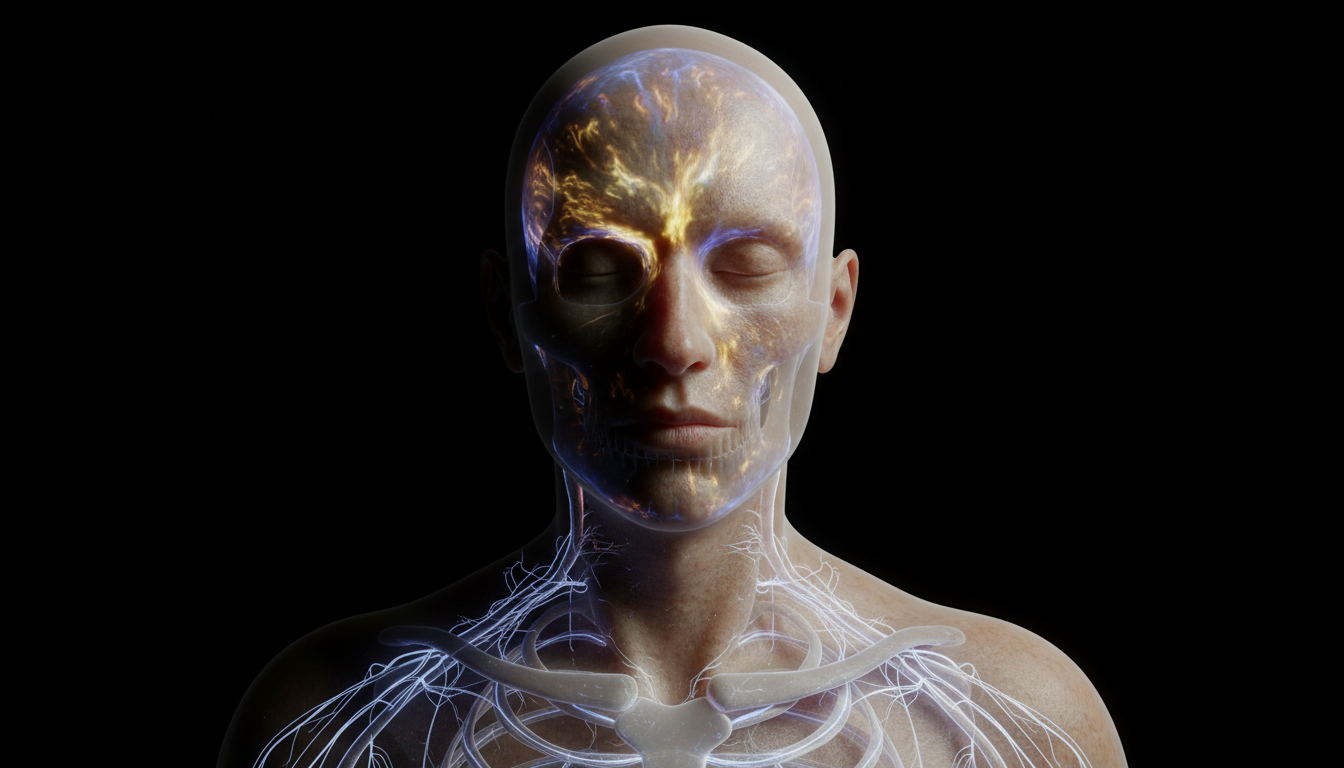

Consider the rich aroma of your morning coffee or the vibrant crimson of a rose. While science can describe the chemical compounds or light wavelengths involved, it often misses the raw, private sensation you actually experience. This gap between physical data and your internal feeling is central to understanding qualia, the deepest puzzle in the philosophy of mind.
Philosophers define this as the “what it is like” aspect of existence, distinguishing you from a sophisticated computer simply processing data. By exploring famous thought experiments, you can see why physicalism struggles to account for these vivid textures of life. Grasping the nuance of subjective experience transforms how you view your own mind and the nature of reality itself.
Key Takeaways
- Qualia refers to the private, ineffable sensation of experience—such as the redness of a rose—which exists independently of the brain’s physical processing of data.
- The “Mary the Color Scientist” thought experiment demonstrates that possessing complete physical knowledge fails to capture lived experience, posing a significant challenge to strictly materialist views of the universe.
- The existence of qualia creates the “Hard Problem of Consciousness,” exposing the profound explanatory gap between measurable neural mechanics and the vivid reality of subjective awareness.
- While neuroscience can map functional brain states, it cannot yet explain why physical processes give rise to an internal emotional and sensory life rather than simple data computation.
Defining the Ineffable Quality of Subjective Experience
The term qualia refers to the specific, subjective nature of your daily experiences. It is the distinct feeling of “what it is like” to be you in a particular moment, separate from any objective description. While your brain processes wavelengths of light to identify a stop sign, qualia is the actual vivid redness that floods your vision. Philosophers often describe this as the difference between knowing how a camera captures an image and actually seeing the picture yourself. These internal sensations remain private and ineffable, meaning they cannot be fully communicated to anyone else through words alone.
You might wonder why we need a special philosophical term for these feelings if science can already explain brain activity. Neuroscience can map the exact neurons firing when you bite into a fresh lemon, but that map does not capture the sharp sourness that makes you pucker. This distinction highlights the significant gap between the physical mechanisms of the brain and the phenomenal reality of the mind. Data processing is structural and functional, yet it somehow gives rise to a rich inner world that only you can access. Understanding qualia requires accepting that there is a subjective interiority to consciousness that objective facts seem to miss.
Mary the Color Scientist and the Knowledge Argument

Imagine a brilliant neuroscientist named Mary who has spent her entire life inside a purely black-and-white environment. She possesses complete physical knowledge about human vision and understands exactly how light wavelengths stimulate the retina to trigger neural responses. Despite knowing every scientific equation and biological mechanism concerning color, Mary has never actually experienced a hue like red or blue herself. She observes the world through a monochrome monitor and studies the physics of color without ever encountering the sensation of it. This famous thought experiment, proposed by philosopher Frank Jackson, asks you to consider the fundamental difference between abstract data and lived experience.
Now, picture the moment Mary finally steps outside her confined room and sees a ripe red apple for the very first time. According to the argument, she instantly learns something new about the world that her massive collection of textbooks could never convey. She now knows what it is like to experience the color red, a specific quality that was previously inaccessible to her intellect alone. Even though her physical knowledge was total and complete, it failed to capture the subjective reality of the visual experience. This realization suggests that there is more to consciousness than just physical processes and brain states.
This scenario presents a significant challenge to physicalism, the view that the universe and everything in it is entirely physical. If Mary learns a new fact upon seeing the apple, then her previous physical knowledge must have been incomplete despite covering every material fact. It implies that qualia, or the raw feels of conscious experience, exist beyond the reach of standard physical explanations. By acknowledging that Mary gains new information through experience, you are forced to admit that certain aspects of the mind cannot be reduced to mere matter and motion. The Knowledge Argument remains one of the most compelling reasons to question strictly materialist views of the mind.
Connecting Qualia to the Hard Problem of Consciousness
You might understand how your brain processes light waves to detect the color red, but that biological explanation leaves something out. Philosophers call the mechanical mapping of brain states the “easy problems” of consciousness because they deal with measurable functions and behaviors. However, knowing which neurons fire does not explain why that firing feels like anything at all to you. This specific gap is where the existence of qualia transforms a biological puzzle into a profound philosophical mystery. It forces you to ask why physical processes are accompanied by an inner movie rather than happening in the dark.
David Chalmers famously coined the term “Hard Problem of Consciousness” to pinpoint this exact dilemma regarding subjective experience. He argues that you could theoretically have a being that looks and acts exactly like you but lacks any internal sensation or qualia. If all your cognitive functions could exist without that spark of awareness, then physical laws alone cannot explain why you are conscious. This creates a challenging disconnect between the objective world of atoms and the subjective world of your mind. It suggests that consciousness might be fundamental rather than just a byproduct of complex computation.
The presence of qualia essentially breaks the chain of cause and effect that science relies on to describe the universe. When you try to reduce the taste of chocolate to a chemical formula, you inevitably hit an explanatory wall that mathematics cannot bridge. This persistence of subjective experience implies that current scientific frameworks might be missing a crucial component of reality. Recognizing this limitation is essential for understanding why the debate over the mind-body connection remains unresolved. It opens the door to radical ideas that suggest experience itself plays a structural role in the universe.
Confronting the Gap Between Neurons and Feelings
Understanding qualia forces you to confront the limits of purely physical explanations for how the mind works. While neuroscience can map the neurons firing when you taste chocolate, it still struggles to explain why that processing feels like anything at all. This gap between objective brain mechanics and your subjective awareness remains the central tension in the mind-body problem. By recognizing these raw feelings as distinct from mere data processing, you gain a deeper appreciation for the unique richness of human consciousness. Whether you lean toward physicalism or explore alternatives like panpsychism, acknowledging qualia is essential for any complete theory of reality.
As you go about your day, try to pause and simply notice the vivid texture of your immediate experiences. Consider that the redness of a sunset or the sharp sting of cold air exists only within your private internal universe. These fleeting moments are not just biological byproducts but are the very essence of what it means to be alive and aware. Reflecting on this mystery transforms the mundane into something profound, reminding you that your perspective is entirely one of a kind. The puzzle of qualia invites you to keep questioning the nature of your own existence long after you finish reading this article.
Frequently Asked Questions
1. What is the simplest definition of qualia?
Qualia refers to the subjective, individual nature of your conscious experiences, often summarized as “what it is like” to be you. It is the raw feeling of a sensation, such as the redness of a rose or the taste of coffee, distinct from the physical data your brain processes.
2. How is qualia different from standard brain activity?
Brain activity involves physical mechanisms like neurons firing and chemical signals, which science can map and observe objectively. Qualia represents the internal, private sensation that arises from that activity, like the actual feeling of pain or the vividness of color. While neuroscience explains the mechanics, qualia constitutes the felt reality of the experience.
3. Why can’t science fully explain these subjective feelings yet?
Science excels at describing structural and functional data, such as light wavelengths or taste receptors. However, there is an explanatory gap because these objective descriptions do not capture the subjective distinctness of your inner feelings. This limitation makes it hard to bridge the divide between physical matter and phenomenal consciousness.
4. Can I communicate my qualia to other people?
You cannot fully communicate your qualia because these experiences are inherently private and ineffable. You can describe the conditions of an experience, but you cannot transfer the raw sensation of “what it is like” to someone else. This isolation means your internal world remains accessible only to you.
5. Do computers or AI possess qualia?
Most philosophers argue that computers simply process data without the accompanying subjective experience. While a machine can identify a red light, it does not “feel” the redness or experience the visual impact of the color. This distinguishes your conscious existence from a sophisticated system of algorithms.
6. What are some common examples of qualia I experience daily?
Common examples include the sharp sourness of a lemon, the warmth of sunlight on your skin, or the specific hue of a sunset. Even internal states like the dull ache of a headache or a sudden pang of nostalgia count as qualia. These are the textures of life that define your moment-to-moment existence.
7. Why is understanding qualia important for my view of reality?
Grasping the concept of qualia highlights the limitations of a purely physicalist view of the universe. It forces you to acknowledge that reality includes subjective dimensions that cannot yet be reduced to mere atoms or equations. This realization deepens your appreciation for the unique complexity of your own mind.
{
“@context”: “https://schema.org”,
“@type”: “Article”,
“headline”: “Qualia Explained: Unlocking the Mystery of Subjective Experience”,
“description”: “Qualia explained: Unlock the mystery of subjective experience. Discover why the “what it is like” aspect of existence is philosophy’s deepest puzzle.”,
“url”: “https://philosopedia.org/qualia-explained-unlocking-the-mystery-of-subjective-experience/”,
“mainEntityOfPage”: {
“@type”: “WebPage”,
“@id”: “https://philosopedia.org/qualia-explained-unlocking-the-mystery-of-subjective-experience/”
},
“image”: [
“https://philosopedia.org/wp-content/uploads/2025/12/qualia-explained-unlocking-the-mystery-of-subjecti-1765981002421.png”
],
“datePublished”: “2025-12-17T14:16:44+00:00”,
“dateModified”: “2026-01-30T21:36:32.526181+00:00”
}