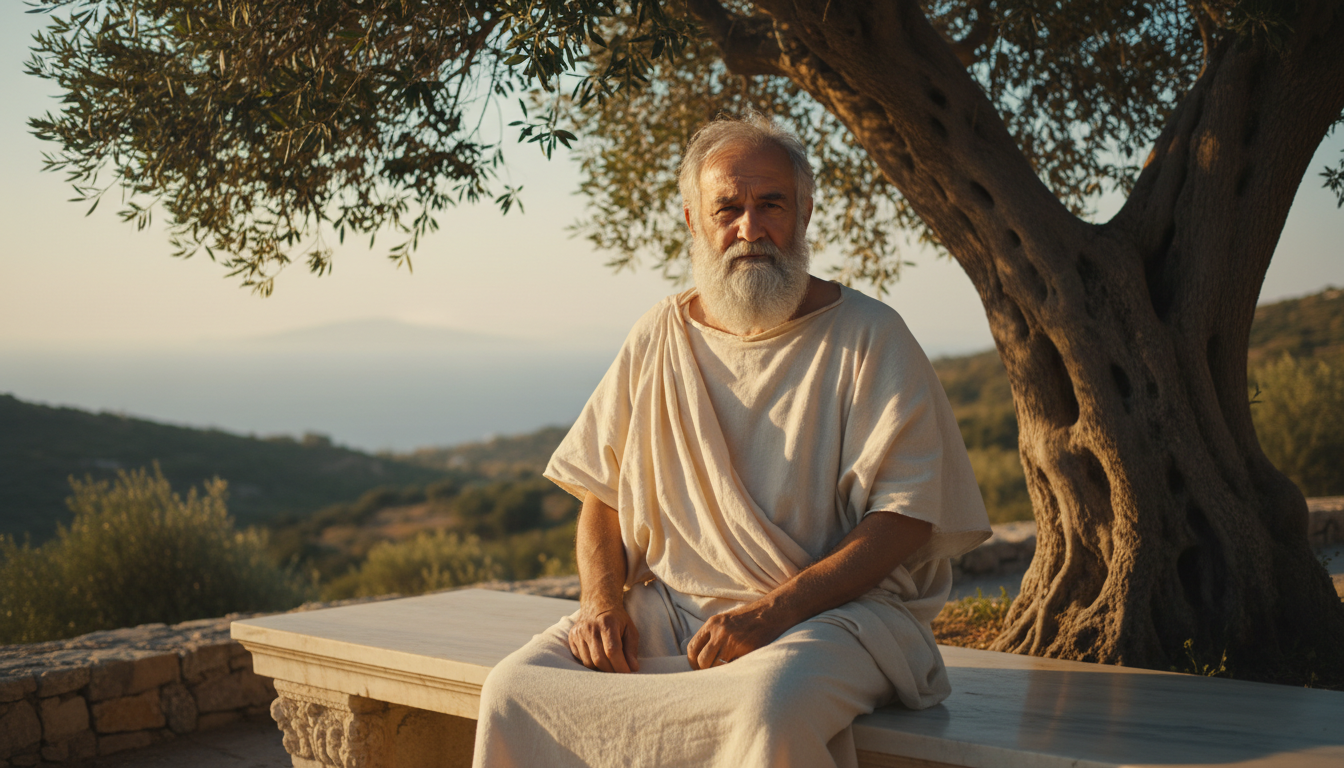

You have likely spent your life chasing a feeling that remains notoriously difficult to define, yet the philosophy of happiness offers a rigorous map for your journey. Whether you view happiness as a fleeting moment of pleasure, a deep-seated emotional state, or a logical judgment that your life is going well, these ancient and modern debates shape how you experience your daily existence. By moving beyond simple “good vibes,” you can begin to distinguish between mere psychological moods and the profound sense of well-being that comes from a life truly lived.
Understanding these concepts helps you manage the tension between seeking immediate joy and building a foundation for long-term fulfillment. Recent shifts in the field separate your internal emotional state from the objective quality of your life, allowing you to assess your progress with greater clarity and depth. When you engage with these competing theories, from hedonism to life-satisfaction models, you gain the intellectual tools to refine your personal practices and align your habits with what truly matters. Your pursuit of the good life becomes less of a guessing game and more of a deliberate, informed choice.
Key Takeaways
- Distinguish between fleeting hedonic pleasure and stable life satisfaction to build a well-being that persists regardless of temporary moods or external circumstances.
- Cultivate Eudaimonia by focusing on internal virtues and character development, allowing you to become the navigator of your own fulfillment rather than a passenger of your emotions.
- Practice the art of tranquility by strategically removing unnecessary desires and self-imposed stresses to achieve a sustainable state of mental peace.
- Integrate ancient ethical frameworks with modern psychological data to transform abstract theories into a practical, resilient roadmap for a meaningful life.
Defining Happiness Through Hedonism and Life Satisfaction
When you begin your study of the philosophy of happiness, you quickly realize that the term carries two distinct meanings that shape how you view your own well-being. The first perspective is hedonism, which focuses on your immediate sensory experiences and the balance of pleasure over pain. In this view, happiness is a vibrant emotional state characterized by the joy of a delicious meal, the warmth of a sunset, or the thrill of a new achievement. While these moments are essential for a colorful life, they are often fleeting hedonic pleasure and dependent on external circumstances that you cannot always control. Understanding hedonism helps you appreciate the present, but it also prompts you to ask if there is something more stable beneath these shifting moods.
To find that stability, you must look toward the concept of life satisfaction, which treats happiness as a cognitive judgment rather than a passing feeling. This approach involves stepping back to evaluate your life as a whole and deciding if it aligns with your values and long-term goals. Instead of asking how you feel right now, you are asking if your life is heading in a positive direction that you can endorse with conviction. This mental “report card” provides a sense of peace that persists even during difficult times when immediate pleasure is nowhere to be found. By distinguishing between these two layers, you gain a clearer map for your personal growth and intellectual exploration.
Modern philosophy often suggests that a truly flourishing life requires a hybrid approach where you balance these sensory joys with a deep sense of purpose. You might find that seeking only pleasure leaves you feeling empty, while focusing solely on long-term satisfaction makes life feel rigid or clinical. Integrating these views allows you to enjoy the present while maintaining a steady course toward a life that truly matters to you. This framework serves as a strategic entry point for deeper studies into schools like Stoicism or Epicureanism, which offer their own unique recipes for blending these elements. As you refine your own definition of happiness, you become better equipped to make choices that support both your emotional health and your global life goals.
Stoic Resilience and the Pursuit of Eudaimonia

When you first begin exploring the philosophy of happiness, it is natural to focus on fleeting moments of joy or the absence of pain. However, the Stoics invite you to look deeper by introducing the concept of Eudaimonia, which is often translated as flourishing or living in accordance with your highest self. Instead of chasing temporary highs, this perspective suggests that true fulfillment comes from the steady cultivation of your character. By focusing on internal virtues like wisdom and courage, you build a foundation for a life that feels meaningful regardless of what happens in the world around you. This shift in focus allows you to move from being a passenger of your emotions to becoming the navigator of your own soul.
Resilience is the practical tool that helps you bridge the gap between abstract ideals and your daily reality. Stoicism teaches you that while you cannot control external events, such as the weather or the opinions of others, you have absolute authority over your own judgments and reactions. When you build resilience by aligning your will with what is within your power, you create a sense of inner peace that remains undisturbed by the inevitable storms of life. This mental fortitude does not mean you become cold or unfeeling, but rather that you develop a steady core that preserves your well-being. By practicing this detachment from external outcomes, you ensure that your happiness is a choice you make every single day.
Ultimately, the pursuit of Eudaimonia transforms your relationship with the world into a series of opportunities for growth. Every challenge you face becomes a training ground where you can test your integrity and refine your perspective on what truly matters. As you progress on this intellectual journey, you will find that a life well lived is not measured by the accumulation of pleasures, but by the consistency of your moral purpose. This ancient approach offers a profound sense of stability in an unpredictable age, guiding you toward a deep satisfaction that originates from within. You are not just seeking a feeling, but are instead building a resilient character that serves as its own reward.
Epicurean Wisdom and the Art of Tranquility
Epicurus often gets a bad reputation for promoting mindless indulgence, but his true philosophy of happiness was centered on the sophisticated pursuit of tranquility. You can think of this approach as a strategic removal of the things that disturb your peace rather than a frantic search for the next high. By focusing on natural and necessary desires, such as food, safety, and friendship, you create a stable foundation for your well-being. The goal is to reach a state of ataraxia, which is a profound freedom from anxiety and mental distress. When you simplify your expectations, you find that happiness becomes a sustainable state rather than a fleeting emotion.
Achieving this sense of inner calm requires you to become an architect of your own mental environment. Epicurus taught that the greatest barrier to your joy is often the unnecessary fear of the future or the pursuit of status and luxury. You can practice this today by identifying which of your stresses are self-imposed and which are truly essential to your survival. By choosing the pleasure of a simple conversation over the stress of social climbing, you align yourself with a long tradition of philosophical wisdom. This intentionality allows you to manage the complexities of modern life with a steady hand and a quiet mind.
This ancient perspective serves as a perfect bridge between basic hedonic pleasure and the deeper concept of eudaimonia, or flourishing. It encourages you to see happiness as a psychological balance where the absence of pain is just as valuable as the presence of joy. As you explore these ideas, you will find that the art of tranquility is not about withdrawing from the world but about engaging with it on your own terms. Understanding these nuances helps you build a personal toolkit for resilience in an increasingly loud and demanding society. By mastering your desires, you find a version of happiness that is both intellectually rigorous and deeply practical.
Integrating Modern Psychology With Ancient Ethics

Modern psychology and ancient ethics may seem like worlds apart, but they are actually two sides of the same coin when it comes to your personal growth. While the ancients focused on virtue and character, contemporary researchers use data to measure what actually makes a life feel good. You can look at this synergy as a bridge between the scientific measurement of “how” and the moral purpose of “why.” By combining these perspectives, you move beyond seeing happiness as a fleeting mood and start viewing it as a sustainable way of living. This integration allows you to build a foundation that is both intellectually grounded and practically effective for your daily life.
To craft your own philosophy of happiness, you must first understand the different ways thinkers define a life well lived. You might find yourself gravitating toward hedonism, which prioritizes a positive balance of pleasure over pain, or perhaps you prefer life satisfaction theories that focus on how you judge your progress. Modern emotional state theories go even deeper by looking at your underlying mood and temperament rather than just temporary spikes in joy. When you examine these concepts through the lens of positive psychology, you gain the tools to identify which specific habits contribute to your long-term stability. This clarity helps you distinguish between a temporary high and the deep, lasting fulfillment often referred to as eudaimonia.
The beauty of blending these traditions is that it turns abstract theories into a concrete roadmap for your unique journey. You are not just studying historical texts or reading clinical data; you are actively synthesizing wisdom to see what resonates with your values. For instance, combining the Stoic practice of focusing on what you can control with modern cognitive behavioral techniques can radically shift your mental outlook. This holistic approach ensures that your pursuit of well-being is both ethically sound and psychologically resilient. Ultimately, you become the architect of a life that balances personal satisfaction with a meaningful contribution to the world around you.
Building Your Personal Toolkit for a Meaningful Life
Ultimately, the philosophy of happiness is not about finding a single, universal answer that fits everyone perfectly. You should view these diverse frameworks, from the disciplined resilience of Stoicism to the joyful simplicity of Epicureanism, as a versatile toolkit for your daily life. These ancient and modern ideas offer different lenses through which you can examine your own values and priorities. By experimenting with these concepts, you can discover which perspectives resonate most deeply with your personal experiences. This intellectual exploration is the first step toward building a life that feels both meaningful and authentic.
As you manage the complexities of the modern world, remember that your pursuit of a good life is a dynamic and evolving process. You might find that some days require the hedonic vs. life satisfaction balance of simple pleasures, while other seasons of life call for the deeper, purpose-driven focus of Eudaimonia. Philosophy provides the language to describe these shifts and the strategies to manage them with grace. Instead of treating these theories as rigid rules, use them as flexible guides to help you make more intentional choices. Your journey toward well-being is unique, and these philosophical insights are here to support your growth every step of the way.
Frequently Asked Questions
1. What is the core difference between hedonism and life satisfaction?
Hedonism focuses on your immediate sensory pleasures and the balance of positive emotions over physical or mental pain. Life satisfaction is a more stable judgment where you step back to evaluate whether your life as a whole meets your personal standards and goals.
2. Why is it important to distinguish between moods and well-being?
Distinguishing between these states helps you realize that a bad day or a fleeting negative mood does not mean you are failing at life. By separating temporary emotions from your overall well-being, you can maintain a sense of purpose even during difficult moments.
3. How can philosophy make my pursuit of happiness less of a guessing game?
Philosophy provides a rigorous framework that moves you beyond simple cliches and toward informed choices. When you understand the competing theories of the good life, you can intentionally align your daily habits with the values that lead to long-term fulfillment.
4. Can I experience happiness if my external circumstances are difficult?
Yes, because many philosophical models separate your internal emotional state from your objective quality of life. By focusing on your internal perspective and life-satisfaction judgments, you can find a deep sense of well-being that remains resilient against outside challenges.
5. Is seeking immediate pleasure a bad thing for my long-term goals?
Seeking pleasure is not inherently negative, as it adds color and joy to your daily existence. The key is to balance these hedonistic moments with a foundation of deeper satisfaction so you do not become dependent on fleeting experiences that you cannot control.
6. What does it mean to view happiness as a logical judgment?
Viewing happiness as a logical judgment means you are assessing your life based on facts and achievements rather than just how you feel in the moment. This intellectual approach allows you to see the progress you have made toward your long-term vision of a life truly lived.
{
“@context”: “https://schema.org”,
“@type”: “Article”,
“headline”: “Exploring the Philosophy of Happiness for a Meaningful Life”,
“description”: “Discover the profound philosophy of happiness. Go beyond “good vibes” to explore ancient and modern wisdom that defines a truly meaningful and fulfilling life.”,
“url”: “https://philosopedia.org/exploring-the-philosophy-of-happiness-for-a-meaningful-life/”,
“mainEntityOfPage”: {
“@type”: “WebPage”,
“@id”: “https://philosopedia.org/exploring-the-philosophy-of-happiness-for-a-meaningful-life/”
},
“image”: [
“https://philosopedia.org/wp-content/uploads/2025/12/exploring-the-philosophy-of-happiness-for-a-meanin-1766153128508.jpg”
],
“datePublished”: “2025-12-19T14:05:29+00:00”,
“dateModified”: “2026-01-30T21:36:32.526181+00:00”
}