
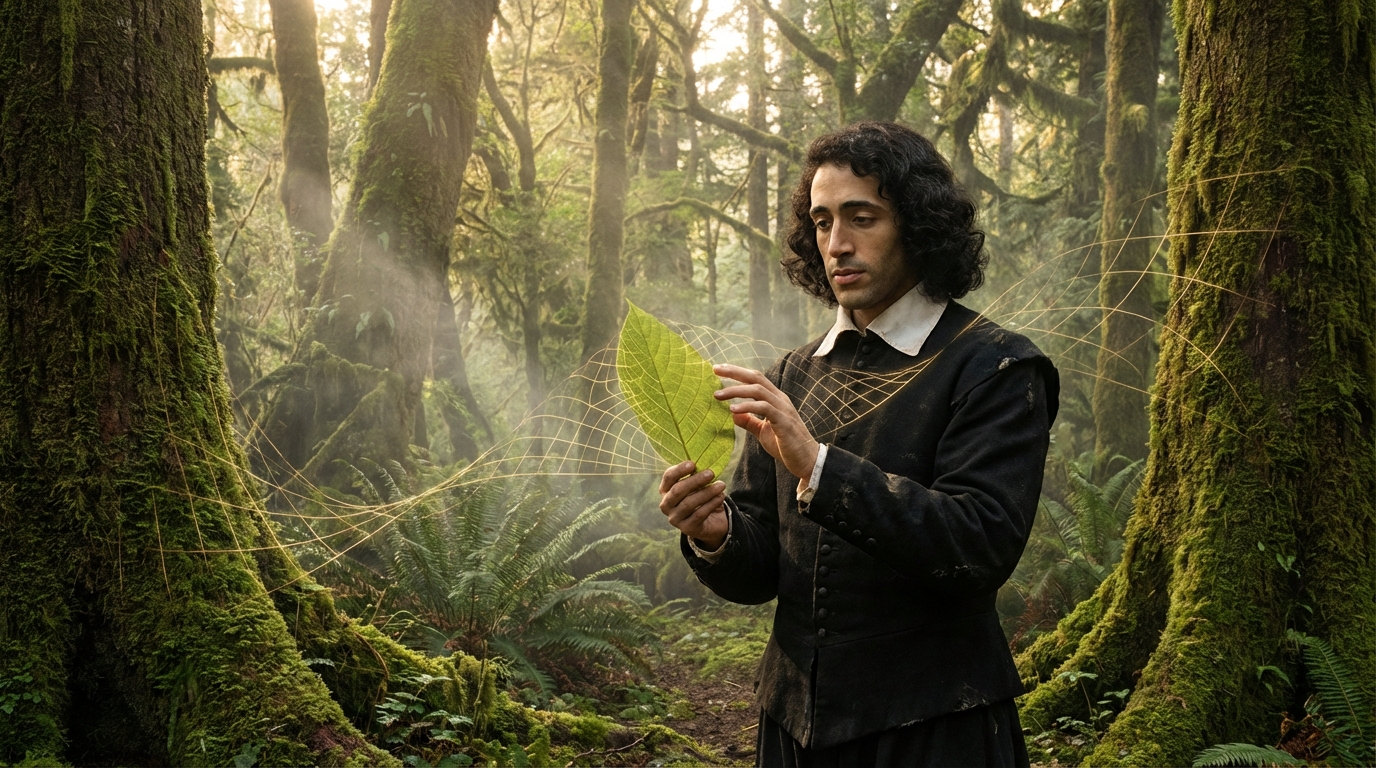
Imagine looking at the world around you and realizing that everything you see, from the vast expanse of the stars to the very thoughts in your head, is part of a single, infinite divine reality. This is the heart of spinoza pantheism explained, a shift in perspective that collapses the wall between the creator and the created. By exploring Baruch Spinoza’s vision, you can move beyond the idea of a distant deity and instead discover a universe where nature and the divine are one and the same.
When you embrace Spinoza’s concept of Deus sive Natura, you begin to see yourself not as a separate entity, but as a unique expression of the only substance that truly exists. This substance monism suggests that you are an integral part of an interconnected whole, governed by the elegant laws of necessity rather than the whims of a personified god. Understanding this philosophy offers you a profound sense of belonging and intellectual clarity, grounding your existence in the infinite beauty of the natural world.
Key Takeaways
- God and Nature are a single, infinite reality known as ‘Deus sive Natura,’ meaning the divine is not a distant creator but the very fabric of the universe itself.
- Substance monism dictates that only one fundamental substance exists, making every person, object, and thought a unique expression or ‘mode’ of the divine whole.
- Traditional free will is an illusion because all events follow a necessary chain of cause and effect governed by the logical laws of nature.
- True mental freedom and peace are achieved by replacing emotional resistance with an intellectual understanding of our place within the rational, interconnected system of the cosmos.
Deus Sive Natura and Substance Monism
When you encounter the phrase Deus Sive Natura, you are looking at the heart of Spinoza’s vision where God or Nature are simply two names for the same reality. Rather than imagining a divine creator sitting on a throne outside of our universe, Spinoza invites you to see the divine as the very fabric of everything that exists. This perspective shifts your understanding from a distant, judgmental deity to an infinite substance that is simultaneously the physical world and the laws that govern it. By removing the boundary between the sacred and the material, you begin to see that nothing exists in isolation from this singular, all-encompassing presence.
The concept of substance monism takes this a step further by suggesting that there is only one fundamental substance in existence, which is God. You can think of yourself, the trees, and the stars as specific expressions or modes of this one infinite substance rather than separate entities. In this framework, you are not a creation existing apart from God, but rather a unique ripple in the vast ocean of the divine nature. This unified view offers a profound sense of connection, as it implies that every part of the universe is an essential piece of a single, coherent whole.
Finding a path between traditional religion and atheism can be challenging, but Spinoza provides a middle way through this rigorous metaphysical lens. You do not have to choose between a personified god and a cold, meaningless vacuum when you recognize the universe itself as inherently divine. This approach allows you to maintain a sense of awe and reverence for the natural world while relying on reason and logic to understand your place within it. By embracing this monistic view, you find that the search for truth and the search for the divine are actually the same journey.
The Non-Personal God of Infinite Attributes

When you look at the world through Spinoza’s eyes, you must set aside the image of a divine creator who watches over us with human-like emotions or a personal will. Instead, you encounter a God that is synonymous with the very fabric of existence, a single substance that Spinoza calls Deus sive Natura. This perspective suggests that the divine does not exist outside of our reality but is the infinite, self-caused foundation of everything we see and experience. By removing the traditional traits of judgment or desire, you begin to see God as the necessary and eternal framework of the universe itself.
This divine substance expresses itself through an infinite number of attributes, though as humans, you are only capable of perceiving two of them: extension and thought. You experience extension through the physical world and the laws of physics, while thought manifests as the realm of ideas and consciousness. Because these are simply different ways of viewing the same underlying reality, there is no separation between the mind and the body or between the spiritual and the material. In this view, every scientific law you discover is a direct glimpse into the way the divine naturally functions.
Understanding Spinoza’s pantheism allows you to find a middle ground between traditional religious dogma and a purely materialistic worldview. You are not a distant creation of a deity, but rather a specific mode or expression of the infinite whole. This means that your existence is governed by the same logical necessity that moves the planets or dictates the flow of energy. By recognizing your place within this vast, impersonal system, you can develop a sense of peace and intellectual love for the universe as it truly is.
Determinism and Your Place in Nature
In Spinoza’s universe, you are not a detached observer standing outside of nature, but rather an essential expression of the one divine substance. Because everything that happens follows a logical and necessary chain of cause and effect, the traditional idea of a free will that exists independently of nature is an illusion. You might feel like your choices are made in a vacuum, but Spinoza suggests these decisions are actually the result of countless prior causes within the infinite web of God or Nature. Accepting this determinism does not mean you are a helpless spectator, but rather a participant in a grand, rational system where every action has its place.
True mental freedom begins when you stop fighting against the inevitable and start understanding why things happen the way they do. By recognizing your role in this interconnected reality, you can shift from being a passive victim of your emotions to an active observer of your own life. This shift in perspective allows you to replace frustration or resentment with a calm, intellectual love for the natural order. When you see yourself as a vital part of the whole, you gain a sense of peace that comes from knowing you are exactly where you are meant to be.
This unique metaphysical middle ground offers a powerful way to find meaning without relying on traditional religious dogma or the perceived coldness of total atheism. Instead of viewing the laws of physics as restrictive, you can see them as the very language of the divine expressing itself through your existence. Understanding these laws helps you navigate the world with greater clarity and purpose, turning the concept of necessity into a tool for personal growth. By aligning your mind with the infinite logic of nature, you achieve a level of autonomy that transcends mere impulse.
Spinoza’s Lasting Influence on Modern Secularism
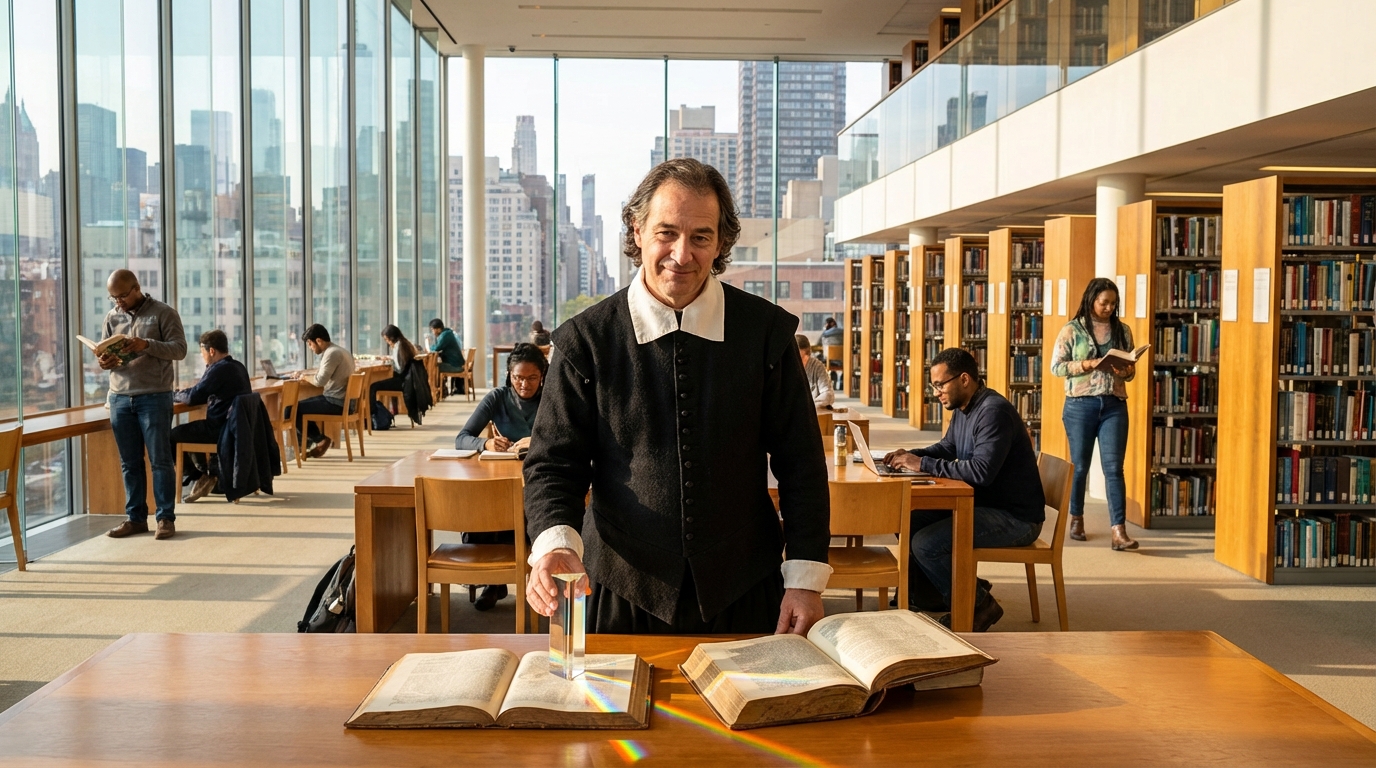
Spinoza’s pantheism offers you a fascinating middle ground between traditional religious dogma and the coldness of pure atheism. By identifying God with the natural world through his concept of Deus sive Natura, he invites you to see the universe not as a creation of a distant entity, but as a single, infinite substance of which you are a vital part. This perspective provides a sense of profound connection and spiritual belonging without requiring you to abandon your commitment to reason or scientific inquiry. You can appreciate the majesty of the cosmos as something inherently divine while still adhering to the logical laws of physics.
This unique blend of rationality and wonder deeply resonated with Albert Einstein, who stated that he believed in Spinoza’s God. Einstein found that this specific form of pantheism allowed him to experience a deeply religious feeling through the discovery of the harmonious laws governing the universe. When you adopt this mindset, you begin to see that the mystery of existence is not something meant to be solved by ancient myths, but rather something to be explored through the beauty of natural order. It is a spiritual framework that respects your intellect while still feeding your soul’s need for awe and reverence.
The lasting legacy of Spinoza’s thought is found in how it paved the way for modern secularism by making the divine accessible through the study of nature. You no longer have to choose between a supernatural deity and a meaningless, mechanical world because Spinoza offers a third path where the world itself is the ultimate reality. This shift allows you to find ethical purpose and emotional peace by aligning your life with the rational structure of the universe. By viewing the world through this lens, you gain a perspective that honors both the rigorous demands of science and the timeless human search for meaning.
Living Within the Divine Whole
Embracing Spinoza’s pantheism allows you to move beyond the traditional divide between a distant creator and a cold, material world. When you view the universe through the lens of Deus sive Natura, you begin to see that every tree, star, and person is a direct expression of the divine substance. This perspective transforms your daily surroundings into a sacred space where nothing is truly ordinary or disconnected from the whole. By recognizing that you are an integral part of this infinite nature, you can find your flow and a profound sense of belonging that bridges the gap between religious devotion and scientific inquiry.
This shift in mindset encourages you to approach the world with a deep sense of intellectual humility and awe. Rather than searching for the divine in supernatural miracles, you find it in the consistent, logical laws that govern all of existence. Every interaction becomes an opportunity to witness the unfolding of a singular, necessary reality that binds all things together in a complex web of cause and effect. As you integrate these ideas into your life, you may find that the anxiety of feeling like an isolated observer fades away, replaced by the quiet confidence of being a vital mode of an eternal, interconnected universe.
Frequently Asked Questions
1. What does the phrase Deus Sive Natura actually mean for you?
It translates to God or Nature, signaling that these are not two separate things but two names for the same infinite reality. This means you do not have to look beyond the physical world to find the divine because the universe itself is the living presence of God.
2. What is substance monism and how does it relate to your life?
Substance monism is the idea that only one fundamental substance exists, which is God. You, the stars, and the trees are all unique expressions or modes of this single substance, meaning you are never truly separate from the rest of existence.
3. Does Spinoza believe in a God that listens to prayers?
No, Spinoza’s God is not a personified deity with a will, emotions, or the ability to grant requests. Instead, God is the impersonal, infinite system of laws and nature that functions through logical necessity rather than divine intervention.
4. How does this philosophy change the way you view the natural world?
When you embrace this view, you see nature as sacred and inherently divine rather than just a collection of resources. Every natural law and physical object becomes a manifestation of the infinite, grounding your existence in a profound sense of interconnectedness.
5. If everything is God, do you still have free will?
In Spinoza’s system, everything happens according to the necessary laws of nature, which means traditional free will is an illusion. You find true freedom by understanding these laws and aligning your mind with the rational order of the universe.
6. How can understanding Spinoza’s pantheism provide you with intellectual clarity?
It removes the confusion of a dualistic world where the mind and body, or the sacred and profane, are at odds. By seeing everything as part of one unified whole, you gain a streamlined and logical framework for understanding your place in the cosmos. To see how these concepts fit into the broader branches of philosophy, one can explore how metaphysics and ethics intersect in Spinoza’s work.
{
“@context”: “https://schema.org”,
“@type”: “Article”,
“headline”: “Spinoza Pantheism Explained: Finding the Divine Within the Natural World”,
“description”: “Discover the radical core of Spinoza’s pantheism. Learn how Baruch Spinoza redefined the divine as nature itself and find your place within an infinite universe.”,
“url”: “https://philosopedia.org/spinoza-pantheism-explained-finding-the-divine-within-the-natural-world/”,
“mainEntityOfPage”: {
“@type”: “WebPage”,
“@id”: “https://philosopedia.org/spinoza-pantheism-explained-finding-the-divine-within-the-natural-world/”
},
“image”: [
“https://philosopedia.org/wp-content/uploads/2026/01/spinoza-pantheism-explained-finding-the-divine-wit-1768053700789.jpg”
],
“datePublished”: “2026-01-10T14:04:16.879+00:00”,
“dateModified”: “2026-01-10T14:04:17.396798+00:00”
}