
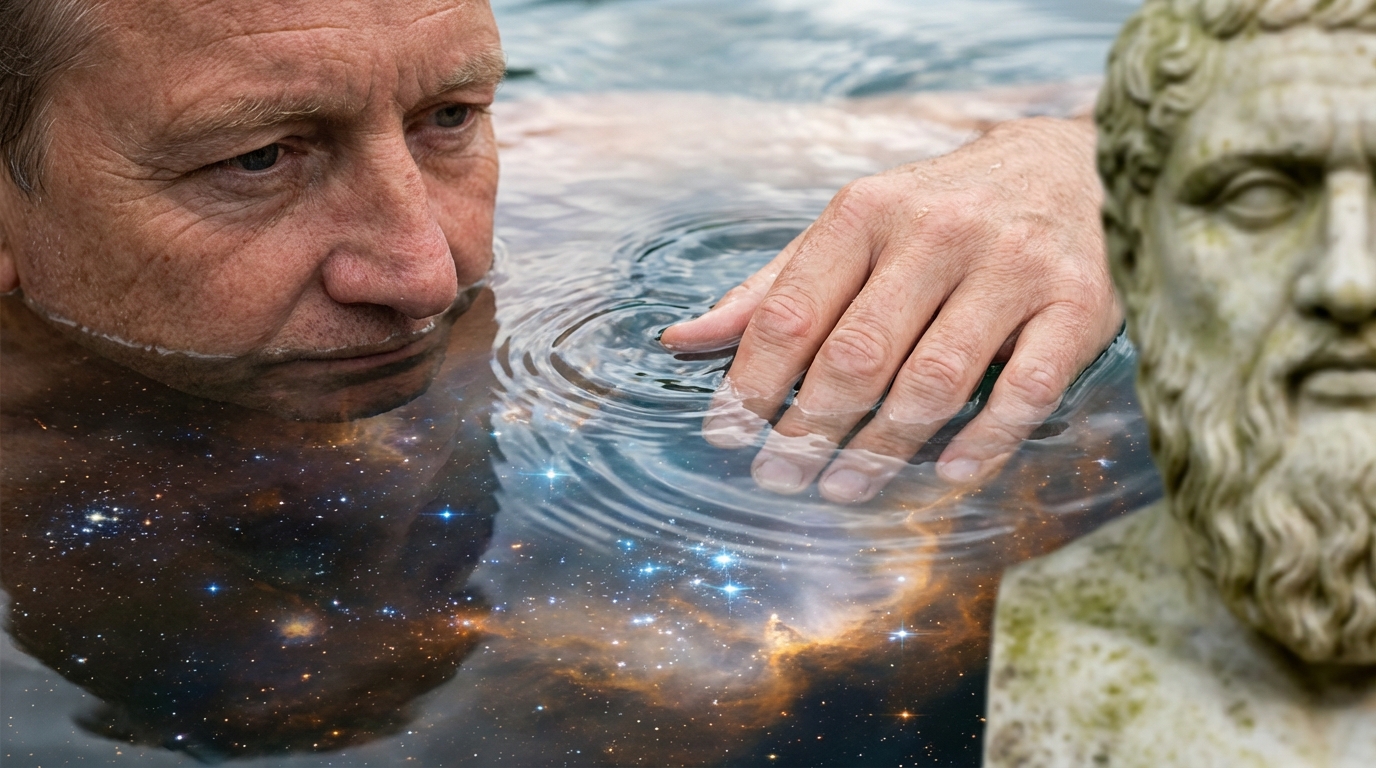
Have you ever wondered if your feelings are biological glitches or if they actually hold the key to how you perceive reality? For decades, the philosophy of emotion was sidelined as a distraction to logic, but today it sits at the intersection of neuroscience and ethics. You are likely here because you’ve realized that your emotions aren’t just things that happen to you; they are complex evaluations that shape your decisions, your values, and your sense of self.
Understanding the why behind your joy or anger requires looking past the surface of a racing heart or a tearful eye. By bridging the gap between ancient wisdom and modern affective science, you can begin to see your feelings as sophisticated tools for navigating a complicated world. Whether you view emotions as physiological responses or cognitive judgments, exploring these frameworks allows you to master the internal dialogue that defines your human experience.
Key Takeaways
- Emotions are not biological glitches but sophisticated cognitive appraisals that function as rational tools for evaluating the world and your personal values.
- Physical sensations like a racing heart or tightened throat are the foundation of emotions, serving as a vital signaling system that provides non-conceptual information about your environment.
- Feelings act as internal engines or action tendencies that prime the body for specific physical responses, bridging the gap between internal thoughts and external movements.
- Integrating philosophical frameworks allows you to transform raw impulses into informed actions, granting you greater agency and mastery over your internal dialogue and psychological well-being.
Somatic Theories And The Wisdom Of Your Body
Have you ever noticed your heart pounding before you even realize you are nervous, or felt your throat tighten before you acknowledge you are sad? The James-Lange theory suggests that these physical sensations are not just side effects of your feelings, but are actually the foundation of the emotions themselves. Instead of crying because you are sad, this somatic perspective argues that you feel sad because your body has begun to cry. By shifting your focus to these internal cues, you can begin to see your physiological reactions as a sophisticated signaling system. This approach honors the wisdom of your body, treating every pulse and breath as a vital piece of information about your internal state.
When you embrace this somatic view, you move away from the idea that emotions are purely abstract thoughts. Instead, you start to recognize that your gut reactions provide a non-conceptual way of understanding the world. This means your racing heart is not a mistake, but a physical evaluation of your environment that your brain then interprets as fear or excitement. Understanding this connection helps you bridge the gap between your physical self and your conscious mind. By listening to these bodily shifts with curiosity, you gain a deeper sense of agency over your emotional life and a clearer picture of how you truly feel.
Cognitive Appraisals And The Rationality Of Feeling

When you feel a surge of anger at an injustice or a wave of joy during a celebration, you are doing much more than experiencing a simple physical reflex. While it is easy to think of emotions as biological static, many philosophers argue that they are actually sophisticated cognitive appraisals. In this view, your emotions function as evaluative judgments that help you process complex information about your environment. By feeling fear, you are making a snap judgment that something in your vicinity is dangerous, while your sense of pride acts as a logical confirmation of your personal achievements.
This perspective shifts the way you see your internal life by suggesting that your feelings are rational tools for navigation. Instead of being the opposite of reason, your emotions provide the essential framework through which you interpret the world as beautiful, tragic, or unfair. When you perceive a situation as unjust, that feeling of indignation is actually a cognitive claim about the moral state of the world. By paying attention to these appraisals, you can begin to decode the underlying logic of your reactions and understand the specific values you hold most dear.
Viewing your emotional world through this lens allows you to bridge the gap between your mind and your body. You are not just a passive observer of your moods, but an active interpreter who uses feelings to assign meaning to every experience. These evaluative judgments serve as a shorthand for complex reasoning, allowing you to react to threats or opportunities with speed. Embracing the rationality of your feelings helps you trust your internal compass, as it reveals how your mind consistently works to categorize and evaluate your subjective experience and reality.
Motivational Tendencies And The Impulse To Act
When you experience a sudden surge of fear or a flash of anger, you are feeling your body prepare for a specific physical response. Philosophers often view these emotions as internal engines or action tendencies that prime your muscles and nervous system before you even have time to consciously think. If you encounter a threat, your heart rate climbs and your breath quickens to facilitate a quick retreat. This physiological shift is not a random side effect of a feeling, but rather a sophisticated way your body organizes itself to handle the immediate demands of your environment. By understanding these impulses, you can see how your emotions function as a bridge between your internal thoughts and your external movements.
This perspective challenges the idea that feelings are merely passive experiences happening within your mind. Instead, you can view your emotions as proactive evaluators that tell you how to stand your ground or when to seek safety. For instance, the heat of anger often manifests as a forward leaning posture and a tightening of the fists, signaling a readiness to defend your boundaries. These somatic changes provide you with non-conceptual information about your surroundings, helping you navigate complex social and physical environments. When you pay attention to these motivational tendencies, you gain a deeper insight into how your biology and your values work together to guide your behavior.
Recognizing these impulses allows you to bridge the gap between your physical sensations and your rational decision making. You might notice that your body begins to react to a situation long before your intellect has fully categorized the event. Philosophy helps you interpret these signals as vital data points rather than irrational interruptions to your day. By exploring the phenomenology of your experiences, you can better understand why you feel a sudden urge to act in specific ways. This awareness helps you transform raw impulses into informed actions, giving you more control over how you respond to the world around you.
Mastering Your Inner World Through Philosophy
Integrating these philosophical frameworks into your daily life transforms the way you perceive your most private moments. By understanding whether a feeling is a physical response to your environment or a complex cognitive evaluation, you gain a sense of agency over your internal world. This intellectual depth allows you to move beyond simply reacting to your moods, helping you instead to interpret them as meaningful signals. You begin to see your emotions not as obstacles to reason, but as essential tools that provide clarity about your values and desires. Embracing this perspective helps you build a more resilient and self-aware version of yourself.
Finding the balance between the somatic and cognitive theories of emotion allows you to navigate life with a much sharper lens. When you recognize that a racing heart might be a physiological precursor to anxiety, you can address the physical sensation before it overwhelms your thoughts. Conversely, acknowledging that your anger might stem from a deep-seated judgment about fairness gives you the power to analyze that belief critically. This nuanced approach turns every emotional experience into an opportunity for personal growth and intellectual discovery. You are no longer a passive observer of your feelings, but an active participant in your own psychological well-being.
As you continue to explore the philosophy of emotion, you will find that these ancient and modern ideas offer a reliable map for the human heart. This journey helps you bridge the gap between your biological instincts and your highest intellectual aspirations. By viewing your internal life through a professional philosophical framework, you cultivate a sense of calm and curiosity even during turbulent times. You deserve to understand the why behind your feelings, and these concepts provide the necessary vocabulary to do so. Ultimately, this practice enriches your life by turning every spark of joy or pang of sorrow into a deeper connection with yourself.
Frequently Asked Questions
1. What exactly is the philosophy of emotion?
It is the study of how your feelings function as complex evaluations that shape your values and your perception of reality. By investigating this field, you can understand how your emotions bridge the gap between biological instincts and logical decision making.
2. Does my body react before my mind recognizes an emotion?
Yes, according to somatic theories like the James-Lange theory, your physical sensations are the foundation of your feelings rather than just side effects. You might feel your heart race or your throat tighten first, and your mind then interprets these physiological signals as specific emotions.
3. Are emotions just irrational distractions to logical thinking?
Emotions are sophisticated tools for navigating the world rather than mere glitches in your logic. They serve as cognitive judgments that provide vital information about your environment, helping you make sense of your experiences and personal values.
4. How can understanding these theories help me in daily life?
When you view your feelings as a sophisticated signaling system, you can master the internal dialogue that defines your human experience. This perspective allows you to move away from viewing emotions as abstract thoughts and instead treat them as valuable data for better decision making.
5. What is the difference between a physiological response and a cognitive judgment?
A physiological response involves bodily changes like a racing heart, while a cognitive judgment is the mental evaluation of what that response means in your current context. Both elements work together to create the full spectrum of your emotional life and your sense of self.
6. Can I learn to better control my emotions through philosophy?
While you may not always control the initial physical spark, exploring these philosophical frameworks helps you interpret and respond to your feelings with greater clarity. By bridging ancient wisdom and modern science, you gain the intellectual tools to navigate your internal state with more intention.