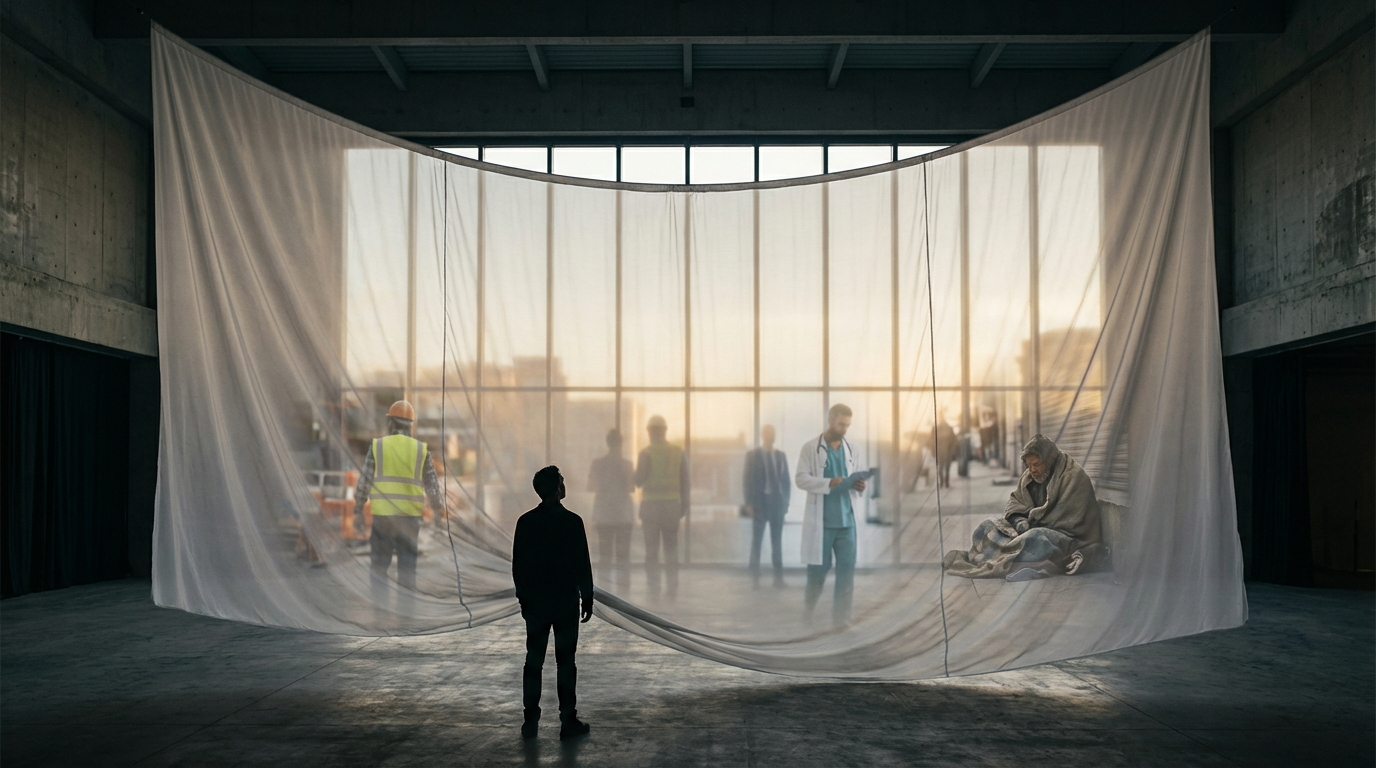
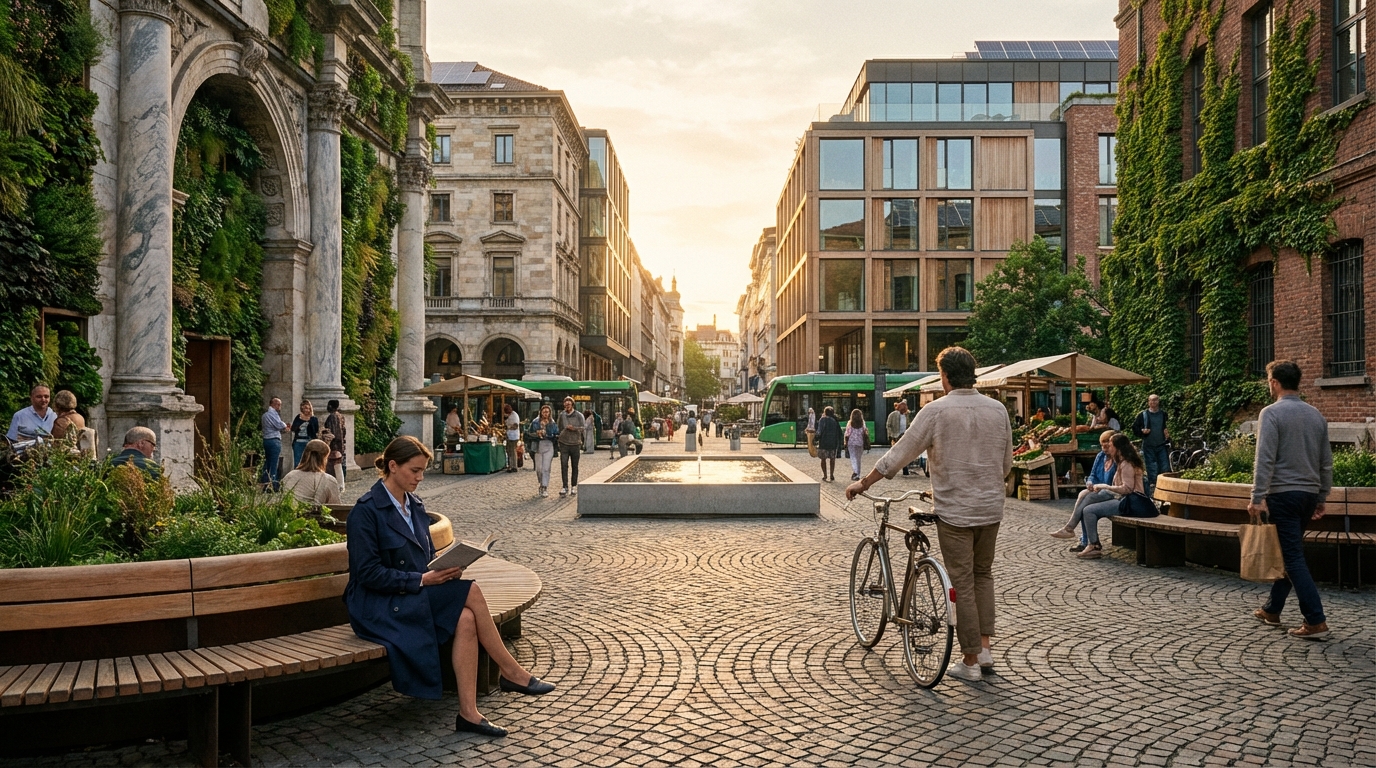
When you walk through your neighborhood, you aren’t just navigating a collection of concrete, steel, and glass; you are moving through a living blueprint of human values. The philosophy of urbanism asks you to look beyond mere town planning to see the city as a holistic entity that shapes your social, ethical, and mental experience. By examining how the built environment influences your daily life, this field explores the profound ways that architecture and streetscapes can either hinder or foster true human flourishing.
Every park bench, transit line, and storefront acts as a silent participant in your pursuit of well-being and social justice. You might wonder how a simple layout can dictate who feels welcome in a space or how the visual appeal of a facade affects your cognitive health. Understanding these connections allows you to see the city not just as a place where you live, but as a deliberate social engine designed to drive progress and equity. Inquisitive minds recognize that the streets we walk are physical manifestations of our deepest collective beliefs.
Key Takeaways
- Urban design serves as a physical manifestation of a society’s ethical choices, where the placement of infrastructure like transit and parks either fosters equity or reinforces social injustice.
- The aesthetic quality of a city is a fundamental requirement for public health, as thoughtful architecture and visual variety reduce cognitive stress and promote a sense of civic belonging.
- Neurourbanism reveals that the physical geometry and greenery of a streetscape act as primary drivers of mental health by triggering specific biological responses in the brain.
- True urban sustainability requires a balance between ecological innovation and the preservation of cultural identity to ensure residents maintain a sense of continuity and social cohesion.
Urban Design As A Tool For Social Justice
When you walk through your neighborhood, you are moving through a collection of ethical choices made long before you arrived. Urban design is far more than just the arrangement of materials, as it serves as a physical manifestation of a society’s values and priorities. You can see these philosophies in action by observing who has easy access to lush green parks and who is confined to areas with crumbling infrastructure. By viewing the city through the lens of social justice, you begin to understand how the placement of a bus stop or a community center can either expand your horizons or limit your potential for growth. These structural decisions dictate how resources are shared, ultimately determining whether a city fosters true human flourishing or reinforces existing inequalities.
Consider how the presence of inclusive public spaces acts as a vital tool for democratic engagement and social cohesion. When you find yourself in a well-designed plaza that welcomes people from all walks of life, you are experiencing an intentional effort to bridge socioeconomic divides. On the other hand, hostile architecture or the lack of affordable transit can act as invisible barriers that keep communities isolated from economic opportunities. As you explore these concepts, you will see that the pursuit of urban justice requires a deep commitment to designing a fairer world by distributing both the benefits and the burdens of city life more equitably. This philosophical approach challenges you to rethink the built environment not just as a backdrop for your life, but as a powerful instrument for shaping a more fair and compassionate world.
Aesthetics And The Pursuit Of Civic Happiness
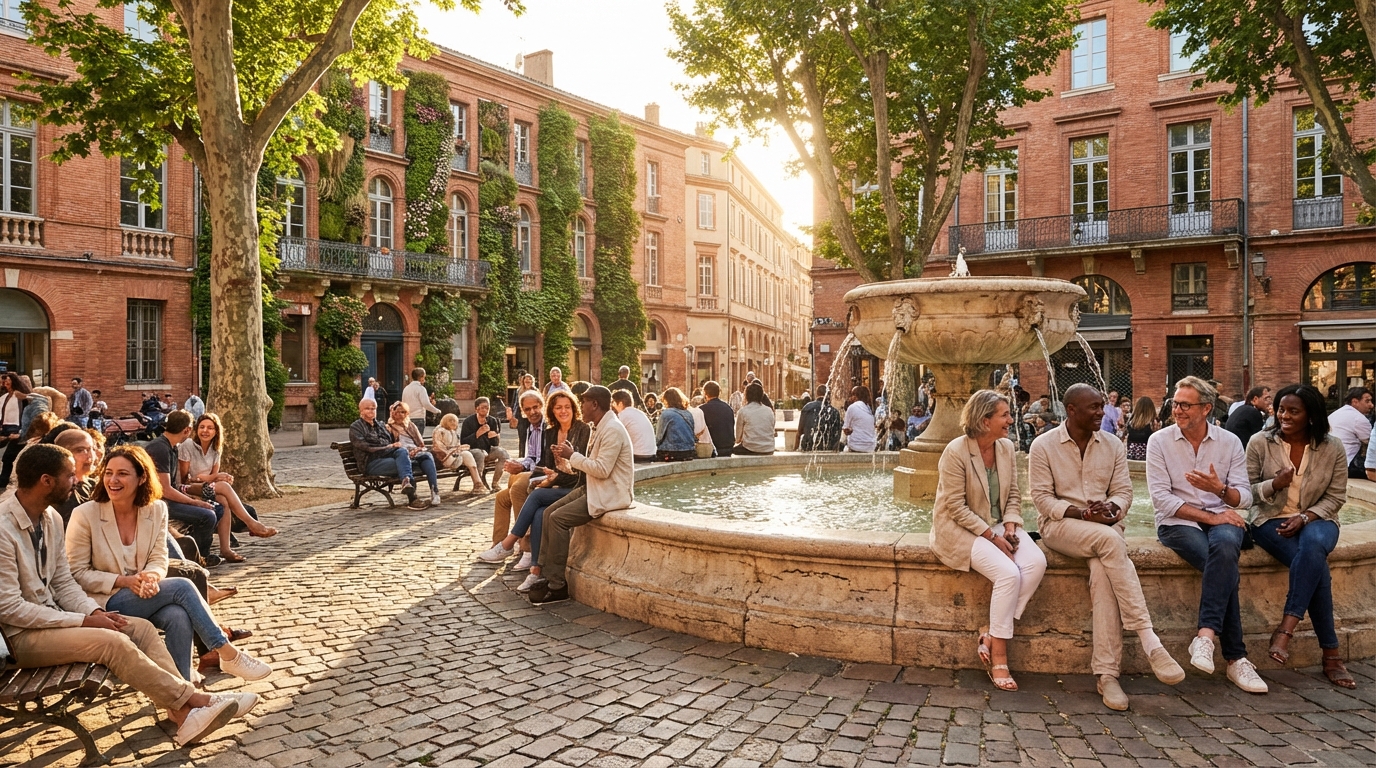
When you walk through a city that prioritizes aesthetic richness, you are experiencing more than just a visual treat. The philosophy of urbanism suggests that the beauty of your surroundings is fundamentally linked to your mental well-being and sense of civic belonging. Interesting architecture and thoughtful streetscapes do not just serve as backdrops, but rather act as catalysts for human flourishing. By engaging your senses through intricate designs and harmonious proportions, a city can reduce cognitive stress and foster a deeper emotional connection to the physical world. This relationship proves that beauty is not a luxury, but a vital component of a healthy public life.
The way a building meets the sidewalk or the presence of a vibrant public square directly impacts how you perceive your place in society. When urban design is intentional and diverse, it signals that the environment was created with human dignity and social justice in mind. You feel a stronger sense of ownership and responsibility toward your neighborhood when the architecture reflects a high level of care and creativity. This sense of belonging is a cornerstone of civic happiness, transforming the city from a grid of concrete into a living community. By valuing visual variety over monotony, urban planners can create spaces where every citizen feels seen and valued.
Ultimately, the pursuit of civic happiness requires us to view the city as a holistic entity that influences our social and ethical lives. You are constantly interacting with the built environment, and those interactions shape your mood, your social habits, and your outlook on progress. When cities prioritize aesthetics, they are making a commitment to the long-term mental health and social cohesion of residents. Understanding these philosophical connections allows you to advocate for a world that is not just functional, but also deeply inspiring. Designing for beauty is, at its heart, an act of designing for a more just and joyful society.
Neurourbanism And The Cognitive Science Of Streets
When you walk through your neighborhood, your brain is constantly performing a complex dance of data processing that shapes your sense of well-being. Neurourbanism explores this intersection, revealing how the physical geometry of streets and the height of buildings trigger specific neurological responses. If you have ever felt a sense of claustrophobia in a concrete canyon or a sudden wash of calm in a leafy plaza, you have experienced the phenomenology of perception and the cognitive impact of urban design. These reactions are not just fleeting moods, but are actually deep-seated biological responses to the environment around you. By understanding these patterns, we can begin to see the city not just as a collection of buildings, but as a primary driver of our mental health and cognitive flourishing.
The philosophy of urbanism suggests that the way a city is built is a profound statement of its ethical priorities and social values. When a neighborhood is designed with harsh angles and high noise levels, it creates a persistent cognitive load that can disproportionately affect vulnerable populations. This means that urban design is actually a matter of social justice, as the distribution of stressors in the built environment can either support or hinder human potential. You might notice that areas with more greenery and walkable paths often foster stronger social bonds and lower levels of cortisol. Choosing to prioritize beauty and cognitive ease in our streets is therefore a moral decision that impacts how fairly a society functions.
Thinking about your city through the lens of cognitive science allows you to see the streets as an extension of your own mind. When urban spaces are designed to be engaging and navigable, they stimulate the brain in ways that encourage curiosity and civic engagement. This connection between the physical world and your internal state highlights why aesthetics are more than just a luxury. True urban flourishing occurs when the structures around you are built to respect your biological needs for safety, social connection, and visual harmony. As you move through your daily life, you can begin to advocate for a built environment that treats your cognitive health as a fundamental right rather than an afterthought.
Sustainable Identity In The Modern Metropolis
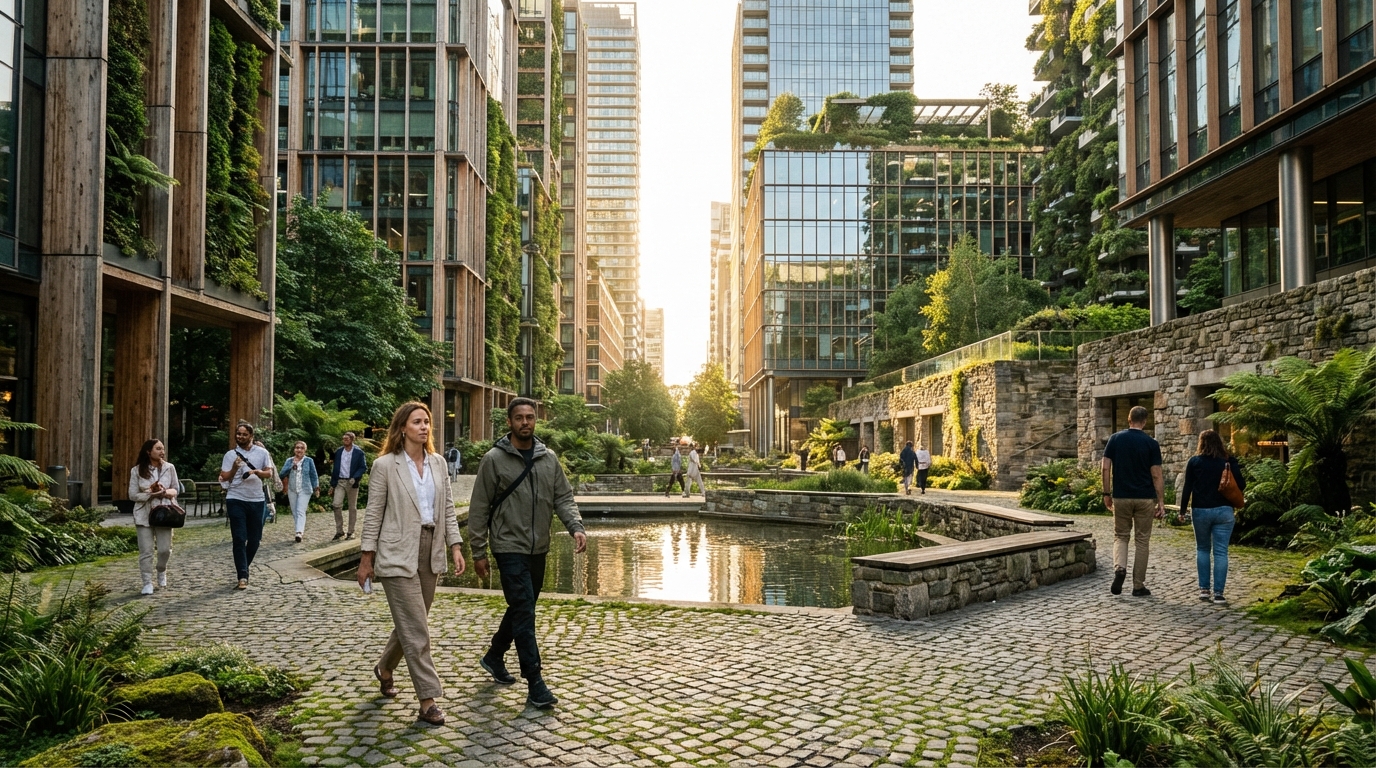
When you walk through a historic district, you are not just seeing old buildings, but rather a living testament to the values and stories that shaped your community. The philosophy of urbanism suggests that true sustainability involves more than just technical upgrades. It requires a deep commitment to preserving the cultural fabric that gives a city its soul and provides residents with a sense of continuity. If a city becomes a generic collection of glass towers, it loses the unique identity that fosters a sense of belonging and social cohesion. By integrating historical preservation with ecological innovation, planners can create spaces that respect the past while protecting the future.
You might wonder how a metropolis can evolve to meet modern environmental standards without erasing its architectural heritage. This balance is achieved through adaptive reuse, where historic structures are retrofitted with sustainable technologies rather than being demolished. This approach reduces the carbon footprint of new construction and maintains the aesthetic character that defines a neighborhood. When you repurpose a century-old warehouse into a modern community center, you are practicing a form of social justice by honoring the labor and history of previous generations. Such projects ensure that progress does not come at the cost of the cultural landmarks that anchor your personal and collective memory.
A city that prioritizes both ecological health and cultural identity ultimately promotes long-term human flourishing. You experience this harmony when public spaces are designed to be both environmentally resilient and reflective of local traditions. These thoughtfully designed environments reduce urban stress and improve mental well-being by providing a beautiful, meaningful backdrop for daily life. When urban design treats a city as a holistic entity, it moves beyond mere utility to become a platform for social progress. By demanding that your surroundings be both green and culturally rich, you help shape a metropolis that is truly sustainable for the spirit as well as the planet.
From Resident to Architect of Flourishing
Recognizing your role as an urban citizen means seeing the city as more than just a collection of buildings and transit routes. When you view your surroundings through the lens of aesthetics and political philosophy, you begin to understand how every plaza and park influences human flourishing. This perspective shifts your identity from a passive resident to an active participant in a living, breathing social experiment. By acknowledging these philosophical pillars, you can better appreciate how buildings shape your mental health and social interactions. You are not just living in a space, but rather you are contributing to a shared ethical landscape that defines the quality of life for everyone.
Equipped with this knowledge, you can advocate for a more thoughtful and inclusive built environment that prioritizes social justice. Understanding that urban design acts as a form of social engineering allows you to ask critical questions about how resources and stressors are distributed across different neighborhoods. You can champion beauty and visual engagement not as luxuries, but as essential components of a city that respects the dignity of its people. This intellectual framework gives you the tools to push for changes that foster equity and connection within your local community. Your voice becomes a powerful instrument for ensuring that the future of the city reflects a commitment to the well-being of all its inhabitants.
Frequently Asked Questions
1. What exactly is the philosophy of urbanism?
It is the study of how the physical layout of your city reflects and shapes human values, ethics, and social behavior. You are looking at the built environment not just as infrastructure, but as a deliberate engine that influences your mental well-being and daily interactions.
2. How does a city layout impact my personal well-being?
The design of your surroundings, from the visual interest of a building facade to the accessibility of a park, directly affects your cognitive health and stress levels. When you live in an environment designed for human flourishing, your daily walk becomes a source of mental restoration rather than a navigational hurdle.
3. Can urban design really be a tool for social justice?
Yes, because every transit line and community center represents an ethical choice about who deserves access to resources. By prioritizing equitable placement of infrastructure, you can use urban planning to dismantle systemic barriers and ensure every resident has the same opportunity to grow.
4. Why should I care about the visual appeal of a building?
A facade that captures your attention promotes cognitive engagement and makes you feel more connected to your neighborhood. Monotonous or hostile architecture can lead to feelings of alienation, while vibrant streetscapes foster a sense of belonging and safety.
5. How do silent participants like park benches affect social life?
These small details act as invitations for you to linger and interact with your neighbors, forming the bedrock of a healthy community. When a city removes seating or limits public space, it sends a silent message about who is welcome and how you are expected to move through the world.
6. What does it mean to see the city as a living blueprint of values?
It means recognizing that the streets you walk are physical manifestations of what your society prioritizes, such as commerce, speed, or human connection. By understanding this, you can better advocate for changes that align your physical environment with the collective beliefs you hold most dear.