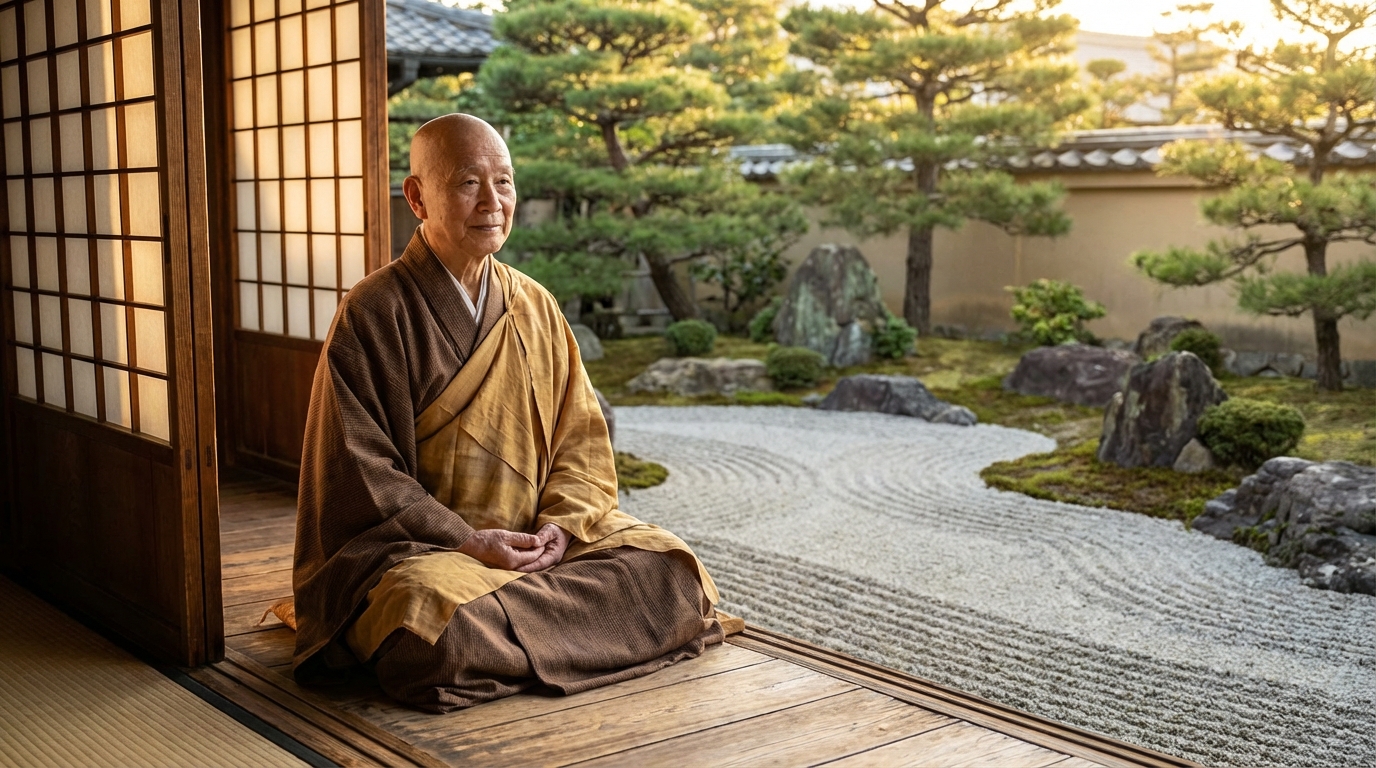
You live in a world that constantly pushes you to chase perfection, from flawless aesthetics to the relentless pursuit of new trends. But what if you could find profound beauty in the flawed, the aging, and the temporary? The wabi-sabi philosophy offers a powerful antidote to consumerism by inviting you to embrace life exactly as it is. Rooted in Zen Buddhism, this ancient Japanese worldview transforms how you experience your surroundings. It shifts your focus from untarnished ideals to the quiet elegance of imperfection.
At its core, this perspective asks you to appreciate the natural cycle of growth and decay rather than fighting it. The concept of wabi encourages you to find richness in rustic simplicity and a life free from excess, while sabi reveals the distinct character that only time and wear can bring. By adopting this mindset, you learn to see the visible marks of history not as flaws to hide, but as a unique patina that gives the world around you true depth and meaning.
Key Takeaways
- Wabi-sabi is an ancient Japanese philosophy that counters modern consumerism by finding profound beauty in imperfection, impermanence, and the natural aging process.
- The concept merges ‘wabi,’ representing rustic simplicity and freedom from excess, with ‘sabi,’ which celebrates the unique character and visible wear that objects gain over time.
- By letting go of impossible standards of perfection, you can cultivate a mindful lifestyle that appreciates the authentic, well-worn items you already possess.
- Accepting the inevitable cycle of growth and decay transforms how you experience your surroundings, offering a lasting sense of peace that flawless aesthetics can never provide.
Decoding The Meaning Of Wabi And Sabi
To truly understand this philosophy, you must look at the roots of two distinct words that have transformed dramatically over centuries. Originally, the Japanese word wabi described the profound loneliness of living isolated in nature, while sabi referred to things that were withered or chilled. As Zen Buddhism influenced Japanese culture, these definitions shifted away from sorrow and toward a deep appreciation for the natural world. Today, wabi signifies rustic simplicity and a quiet life free from material clutter. Sabi now represents the beauty that comes with age, celebrating the visible marks of wear that add character to an object over time.
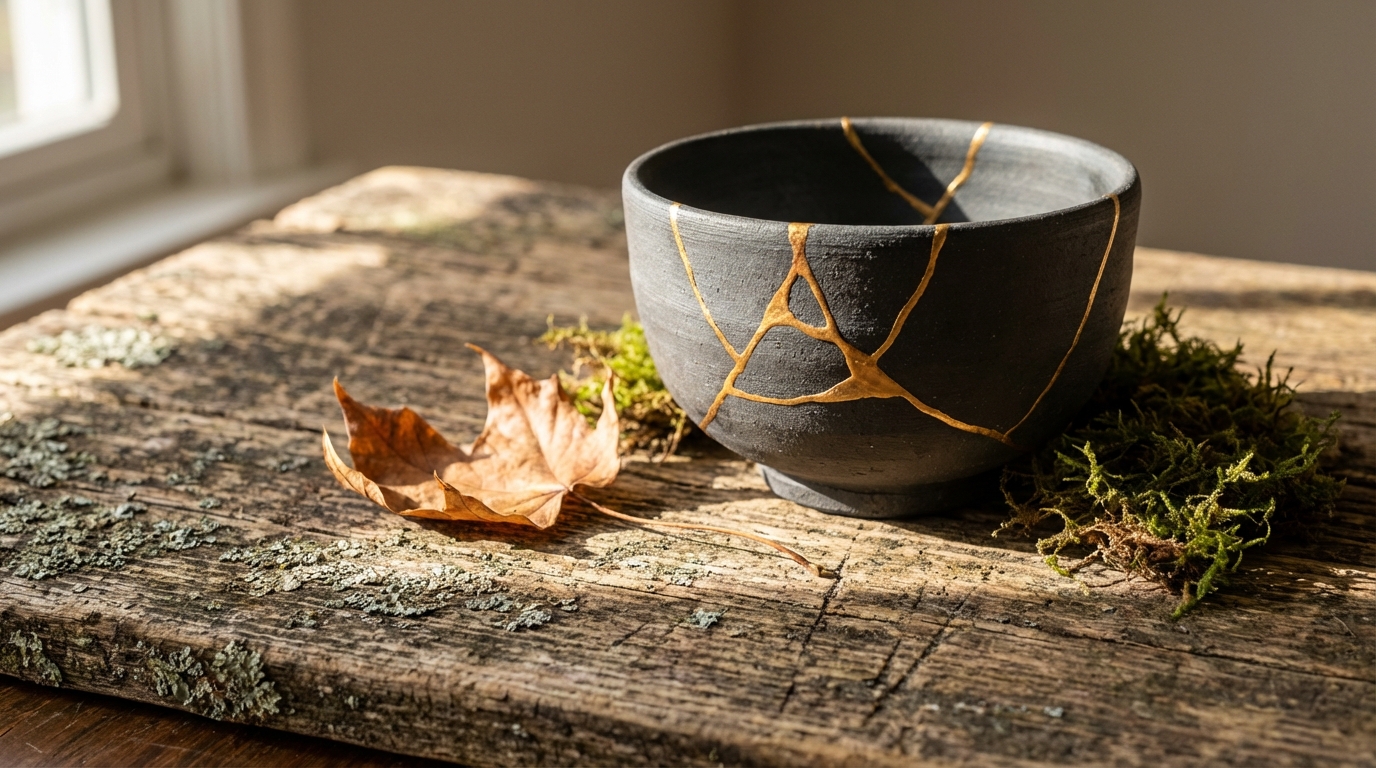
When these two concepts merged, they created a powerful worldview that invites you to find harmony in the incomplete and impermanent. Instead of chasing impossible standards of flawlessness, wabi-sabi encourages you to embrace the natural cycle of growth and decay. Much like the golden repairs of kintsugi or the purposeful living found in ikigai, this philosophy offers a mindful alternative to constant consumption. You learn to see the profound elegance in a chipped teacup, a weathered wooden table, or the fading leaves of autumn. By adopting this perspective, you can cultivate a deeper sense of peace and acceptance in your own wonderfully imperfect life.
Zen Roots And The Japanese Tea Ceremony
To truly understand the beauty of imperfection, you have to look back to the foundational teachings of Zen Buddhism. Monks and philosophers spent centuries meditating on the fundamental truths of human existence, recognizing that life is defined by impermanence, suffering, and emptiness. Rather than fighting these natural realities, they learned to embrace the fleeting nature of the physical world as a source of profound spiritual awakening. When you apply this mindset to your own surroundings, you begin to see that nothing lasts forever, nothing is ever finished, and nothing is perfectly flawless. This acceptance forms the bedrock of wabi-sabi, transforming the inevitable decay of all things into a quiet celebration of reality.
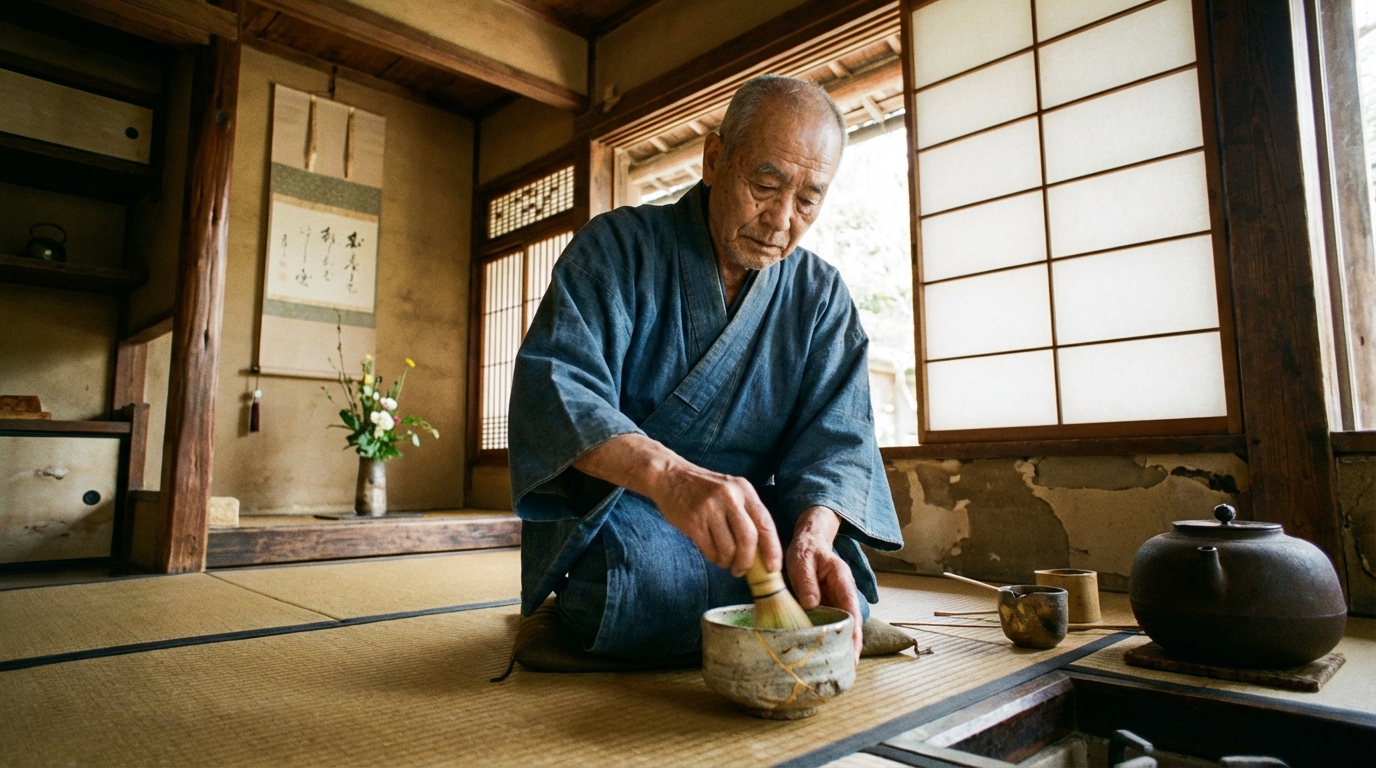
This philosophical shift found its most famous expression during the sixteenth century through the vision of a tea master named Sen no Rikyu. At a time when the Japanese elite favored flawless, opulent Chinese ceramics to showcase their wealth, Rikyu introduced a radically different approach to the traditional tea ceremony. He intentionally replaced these expensive luxury items with rustic, locally crafted bowls created by Japanese artisans. These humble vessels often featured uneven glazes, irregular shapes, and visible marks of the human hands that shaped them. By elevating these modest objects, Rikyu taught his guests to find profound beauty in simplicity and understated elegance.
Bringing this ancient wisdom into your routine offers a powerful antidote to the exhausting pursuit of perfection. Much like the mended pottery of kintsugi or the purposeful living found in ikigai, the way of tea encourages you to slow down and appreciate what you already possess. You do not need to purchase flawless, factory-made goods to create a meaningful and beautiful home environment. Instead, you can cultivate a mindful lifestyle by cherishing the well-worn objects that carry the unique patina of time and memory. Embracing these rustic imperfections allows you to find quiet joy in the authentic, solitary moments of your daily life.
Embracing Impermanence In Your Modern Daily Life
You can transform your daily routine by inviting the ancient Japanese philosophy of wabi-sabi into your life. In a society that constantly pushes you to buy the newest gadgets and present a flawless image, this mindset offers a refreshing alternative. Wabi-sabi teaches you to find profound beauty in rustic simplicity and the natural aging process of the things around you. Instead of endlessly chasing an impossible standard of perfection, you learn to appreciate the unique character that comes with wear and history. Embracing this perspective allows you to step away from exhausting consumerist pressures and discover quiet contentment in what you already possess.
Applying these principles to your environment begins with a shift in how you view everyday objects and experiences. The concept of wabi encourages you to declutter your space and seek out understated elegance rather than flashy luxury. At the same time, sabi invites you to cherish the faded patina on a beloved wooden table or the gentle fraying of a favorite sweater. Recognizing the inevitable transience of life helps you let go of the need to control every outcome. You will naturally begin to slow down and savor the fleeting moments of your day with a newfound sense of peace.
This acceptance of imperfection perfectly complements other Japanese practices you might already be exploring. When you combine the wabi-sabi appreciation for flaws with the golden repairs of kintsugi, you start celebrating your own emotional scars as marks of resilience. Aligning these aesthetic values with your ikigai gives you a clear and grounded sense of purpose. You no longer need to seek validation through constant achievement or material accumulation. Together, these philosophies provide a powerful framework to help you cultivate a deeply mindful, authentic, and peaceful existence.
Embrace Wabi-Sabi and Let Go of Perfection
Embracing the wabi-sabi philosophy offers a profound shift in how you view the world around you. Instead of constantly chasing an impossible standard of perfection, you learn to honor the natural cycles of growth, wear, and eventual decay. This mindset allows you to see the deep character etched into weathered surfaces and the quiet dignity of things that have aged gracefully. When you stop fighting against the passage of time, you release the heavy burden of consumerism and the endless pressure to keep everything looking brand new. You begin to understand that true beauty lies in authenticity, complete with all its inevitable flaws and transient nature.
Applying these ancient Zen principles to your own life can profoundly transform both your physical spaces and your mental well-being. As you curate your home to reflect rustic simplicity and understated elegance, you create a sanctuary that celebrates history and personal meaning over mass-produced sterility. This physical environment then nurtures a similar calm within your mind, giving you permission to accept your own personal imperfections and the fleeting moments of your daily routine. Finding elegance in the flawed teaches you to appreciate the present moment exactly as it is, without needing it to be anything more. Ultimately, welcoming the quiet wisdom of wabi-sabi into your world offers a lasting sense of peace that perfection could never truly provide.
Frequently Asked Questions
1. What exactly is wabi-sabi philosophy?
Wabi-sabi is an ancient Japanese worldview rooted in Zen Buddhism that invites you to find profound beauty in the flawed, the aging, and the temporary. Instead of chasing modern perfection, it helps you embrace life exactly as it is. By adopting this mindset, you learn to appreciate the natural cycle of growth and decay.
2. What is the difference between wabi and sabi?
Wabi represents rustic simplicity and finding richness in a life unencumbered by excess. Sabi refers to the distinct character and beauty that only time and wear can bring to an object. Together, they create a worldview that helps you find harmony in incomplete and impermanent things.
3. How does wabi-sabi help combat modern consumerism?
Modern society constantly pushes you to chase flawless aesthetics and the newest trends. Wabi-sabi offers a powerful antidote by shifting your focus away from untarnished ideals and material excess. It encourages you to find deep satisfaction and quiet elegance in the imperfect things you already possess.
4. Where did the concept of wabi-sabi originate?
This philosophy stems from ancient Japanese culture and is deeply rooted in Zen Buddhism. While the original words described feelings of loneliness and withered objects, you will find that their meanings shifted dramatically over the centuries. Today, they guide you toward a profound appreciation for the natural world and the beauty of aging.
5. How can you apply wabi-sabi to your everyday life?
You can practice this philosophy by letting go of impossible standards of flawlessness in your home and daily routines. Start by appreciating the visible marks of history on your belongings rather than hiding them. This mindset allows you to live more simply and find joy in the natural, rustic elements around you.
6. Why are flaws and imperfections celebrated in this philosophy?
Wabi-sabi teaches you that visible marks of wear are not flaws to be hidden but unique patinas that give the world true depth. These imperfections tell a story of survival and use, reflecting the natural cycle of life. By celebrating them, you learn to accept the impermanent nature of both objects and your own life experiences.
7. Does embracing wabi-sabi mean you have to live a minimalist lifestyle?
While wabi-sabi encourages a life unencumbered by excess, it does not require strict modern minimalism. Instead of focusing merely on having fewer things, it asks you to cultivate a deeper appreciation for the unique characteristics of the objects you choose to keep. You simply learn to value rustic simplicity and the quiet elegance of your current surroundings.