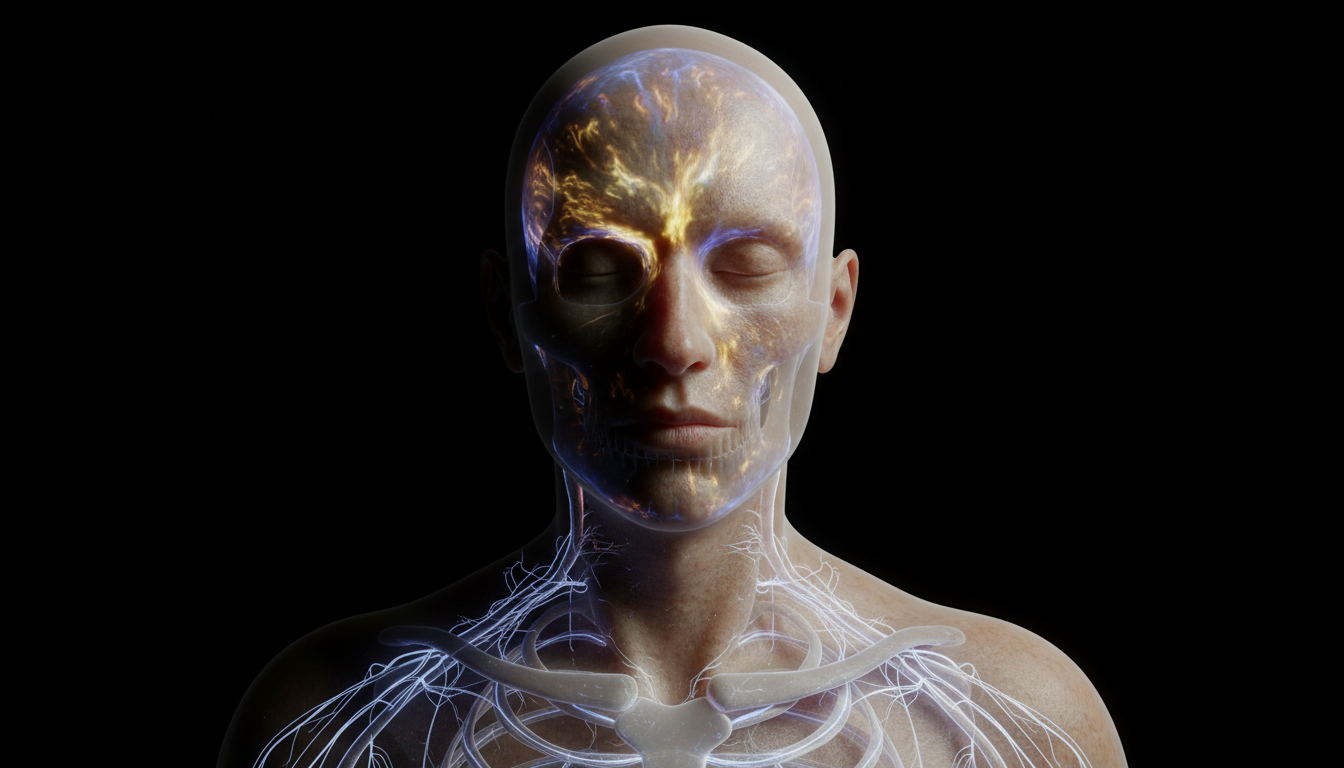

Imagine waking up in a total void, possessing a sharp intellect but absolutely no physical sensations. Your eyes are veiled, you hear no sound, and your limbs are suspended in mid-air so you cannot even feel the brush of your own skin. This striking scenario is the foundation of the Avicenna flying man thought experiment, devised by the 11th-century Persian polymath Ibn Sīnā. By stripping away every physical anchor, this famous philosophical puzzle forces you to confront a profound question about the nature of your own existence.
Without memories or sensory input to rely on, you would still possess an undeniable, immediate awareness of your own mind. Avicenna used this vivid mental exercise to argue that human consciousness is fundamentally independent of our physical forms. Exploring this ancient concept challenges you to look beyond the material world and isolate the pure, immaterial essence of what truly makes you who you are.
Key Takeaways
- Avicenna’s 11th-century ‘Flying Man’ thought experiment uses extreme sensory and memory deprivation to isolate pure human consciousness.
- Even in a complete void without physical sensations or past memories, you possess an undeniable, immediate awareness of your own existence.
- Your fundamental sense of self is a distinct, immaterial entity that operates completely independently of your biological body.
- Predating Descartes by over 600 years, this medieval concept directly addresses the modern mind-body problem by proving human identity goes beyond mere physical experiences.
Stepping Into Avicenna’s Sensory Void
Imagine you are suddenly brought into existence in this exact moment, fully grown and possessing a sharp intellect, but without a single memory of a past life. You are suspended perfectly in midair within a complete and total void. Your eyes are heavily veiled to block out all light, and your ears are sealed against even the faintest whisper of sound. You cannot see, hear, or smell anything in your immediate surroundings. Avicenna, a brilliant eleventh-century Persian philosopher, designed this specific scenario to completely strip away everything you know about the physical world.
The deprivation goes far beyond just your sight and hearing. In this thought experiment, the temperature of the air perfectly matches your body heat, making it impossible to feel the atmosphere against your skin. Your arms and legs are splayed wide apart so that no part of your body can brush against another. You cannot feel the weight of gravity pulling you down, nor can you sense the solid ground beneath your feet. You are entirely disconnected from any physical sensation, existing in an absolute state of bodily isolation.
Now that you are trapped in this perfect sensory vacuum, you must ask yourself what remains of your identity. Without the ability to feel your limbs, see your hands, or recall a single memory, would you still know that you exist? Avicenna argued that you absolutely would still be aware of your own conscious presence. This profound realization suggests that your mind is not simply a byproduct of your physical body or your sensory experiences. By stepping into the shoes of the Avicenna flying man, you can begin to view your inner consciousness as something entirely distinct from your physical form.
Discovering The Soul Without A Body
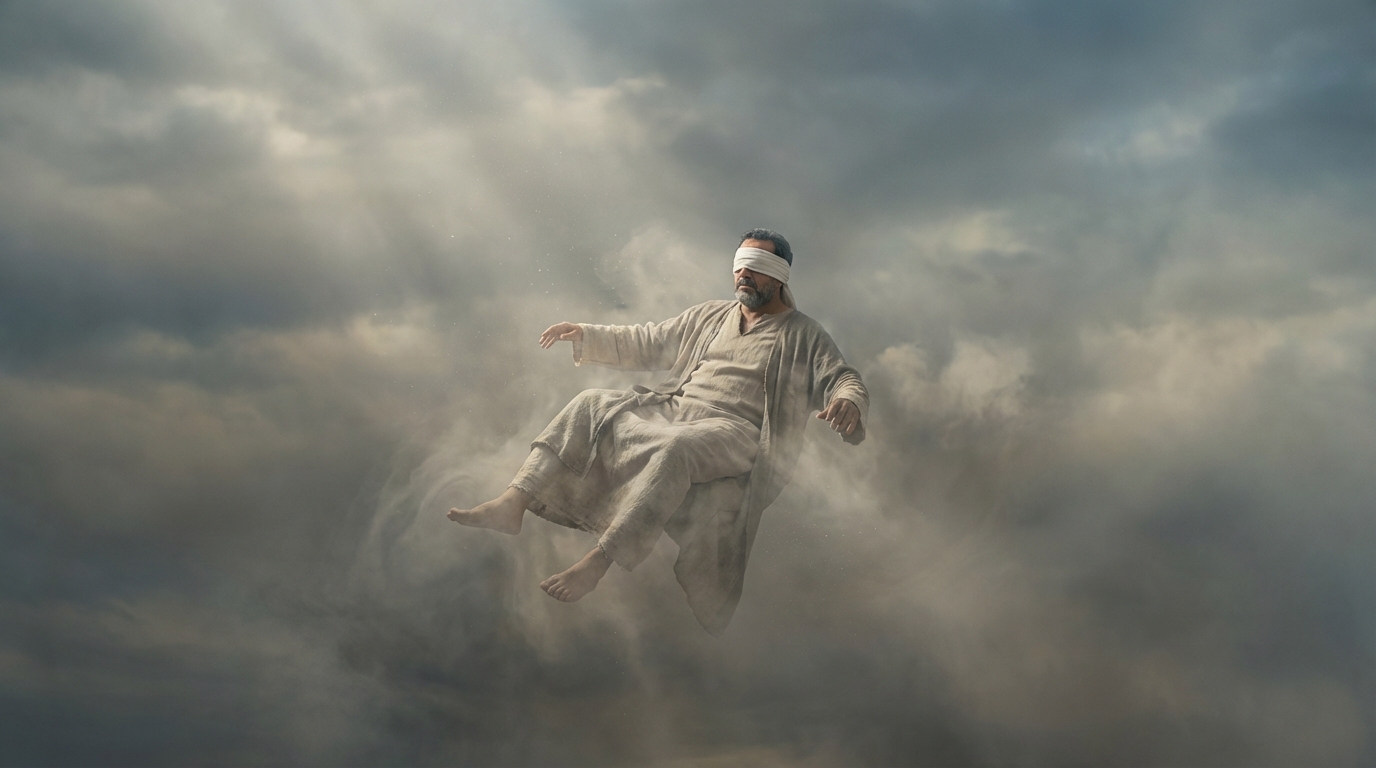
Imagine being suddenly created as a fully mature adult, suspended in midair within a complete void. The brilliant eleventh-century Persian philosopher Avicenna asks you to picture a scenario where you are entirely disconnected from the physical world. In this profound thought experiment, your eyes are veiled so you cannot see, and complete silence surrounds you. Your limbs are splayed apart so you cannot touch yourself, and you feel absolutely no air brushing against your skin. With zero memories of a past life and absolutely no sensory input from the outside world, you are left alone in total isolation.
Under these extreme conditions of sensory deprivation, you might wonder if you would even realize that you exist. Avicenna argues that despite lacking any physical sensation or bodily awareness, you would still possess an undeniable certainty of your own being. You would not know that you have hands, feet, or internal organs, but you would be acutely aware of your conscious self. This pure awareness happens without relying on sight, sound, or touch to confirm your reality. Your mind operates completely independently of your physical form, proving that your core identity is not bound to a biological body.
This fascinating concept is known as the Flying Man argument, and it brilliantly bridges medieval Islamic philosophy with modern explorations of the mind. By stripping away the physical senses, Avicenna provides a highly visual way for you to question the true nature of your own consciousness. The thought experiment demonstrates that the soul is a distinct entity capable of recognizing itself without any physical evidence. Long before modern science began studying the brain, this elegant idea offered a powerful framework for understanding human awareness. It invites you to realize that your fundamental sense of self is an incredible phenomenon that goes far beyond mere flesh and bone.
Bridging Medieval Philosophy And Modern Minds
Imagine yourself floating in a void where you cannot see, hear, or feel anything at all. If you had no memory of your past and your limbs were splayed so you could not even touch your own skin, would you still know that you exist? This striking scenario is the Avicenna flying man thought experiment, crafted in the eleventh century by the Persian philosopher Ibn Sina. Long before modern neuroscience began probing the mysteries of the brain, this highly visual concept offered a profound way to explore human consciousness. By stripping away all physical sensations, the exercise forces you to confront the raw and undeniable reality of your own self-awareness.
You might be familiar with the famous declaration “I think, therefore I am,” but this medieval Islamic philosopher beat René Descartes to the punch by over six hundred years. Descartes relied on radical doubt to find a foundational truth, whereas Avicenna used severe sensory deprivation to prove that the mind is entirely distinct from the physical body. This ancient argument cuts right to the heart of the modern mind-body problem that still puzzles scientists and philosophers today. When you realize your awareness remains intact even without physical input, you begin to see why the mind might be more than just a byproduct of biology. It challenges you to consider whether your core identity exists independently of the physical form that carries you through the world.
Engaging with this medieval concept is not just an academic exercise in history, as it holds real weight for how you view your own life right now. In a modern age where you might constantly define yourself by your physical appearance, digital footprints, and daily sensory experiences, this scenario offers a refreshing reset. It invites you to peel back the layers of your external identity and discover the pure, unfiltered consciousness that lies beneath. Realizing that your fundamental sense of self does not strictly depend on your physical circumstances can be a deeply empowering revelation. Bridging this ancient wisdom with your modern intellect helps you appreciate the profound mystery of simply being alive and aware.
What Avicenna’s Flying Man Reveals About You
The true brilliance of Avicenna’s flying man argument lies in its timeless ability to strip away physical distractions and reveal the pure essence of consciousness. Even though this thought experiment was conceived in the eleventh century, it perfectly bridges medieval Islamic philosophy with modern questions about the mind. By asking you to picture a person suspended in a void without sensory input, Avicenna bypasses complex academic jargon to deliver a highly visual and immediate philosophical experience. He argues that before you can know anything about your body or the world around you, you must first possess an undeniable awareness of your own existence. This elegant logic remains just as powerful today as it was nearly a thousand years ago.
As you step back from this fascinating mental exercise, take a moment to consider what your own self-awareness truly means. If you were suddenly deprived of sight, sound, and the feeling of the ground beneath your feet, your core sense of self would undoubtedly remain intact. This realization strongly suggests that the mind is fundamentally distinct from the physical flesh and bone that houses it. Ask yourself where this inner light of consciousness originates if it does not rely on your physical senses. Avicenna challenges you to look beyond the material world and recognize the independent, non-physical nature of your own soul.
The flying man serves as a profound reminder that human identity is much more than a mere collection of sensory experiences. When you close your eyes and quiet your surroundings, the undeniable certainty of your own being is the only thing left. This simple yet profound realization encourages you to explore the deepest layers of your intellect. The next time you sit in total silence, remember the floating man and appreciate the deep mystery of your own consciousness. You might just find that the most authentic part of who you are cannot be touched, seen, or measured by any physical means.
Frequently Asked Questions
1. What exactly is the Avicenna flying man thought experiment?
It is an eleventh-century philosophical puzzle designed to explore the nature of human consciousness. You are asked to imagine waking up floating in a total void with absolutely zero sensory input or memories. By stripping away the physical world, it forces you to realize that your self-awareness still exists completely on its own.
2. Who created the flying man thought experiment?
The concept was created by Ibn Sina, who is widely known as Avicenna. He was a brilliant Persian polymath and philosopher who lived in the eleventh century. He used this mental exercise to challenge how you think about your own existence and the material world.
3. Why must your senses be completely blocked in this scenario?
Blocking your senses removes all distractions and anchors to the physical world. If you cannot see, hear, or even feel the air against your skin, you cannot rely on your physical surroundings to prove you exist. This total deprivation allows you to isolate the pure, immaterial essence of your mind.
4. What happens to your mind when all physical sensations are removed?
Even without sensory input or memories to guide you, you would still possess a sharp and immediate awareness of your own existence. You would know that you are a thinking being. This proves that your consciousness does not rely on physical sensations to function.
5. What is the main conclusion you should draw from the flying man?
The ultimate takeaway is that your consciousness is fundamentally independent of your physical form. Even if your physical body disappeared completely, your core identity and self-awareness would remain intact. It invites you to recognize that your mind is a distinct, immaterial entity.
6. How does the physical setup of the experiment work?
You must imagine being suspended perfectly in midair within a complete void. Your limbs are splayed apart so you cannot touch yourself, and the air temperature perfectly matches your body heat so you feel absolutely nothing. This setup guarantees that no physical feedback reaches your brain.
7. Why does the experiment require you to have no memories?
Erasing your memories ensures that your awareness is not built on past physical experiences. If you remembered walking or touching objects, your sense of self would still be tied to your physical body. Starting with a blank slate forces you to rely entirely on your immediate, present consciousness.