

Imagine you are standing at a moral crossroads, wondering if goodness is something we discover in the universe or something created by a higher authority. This is the central question of divine command theory, a compelling framework suggesting that morality isn’t just a collection of social habits, but the direct expression of a divine will. By viewing right and wrong as synonymous with what God commands or forbids, you move beyond personal preference and ground your ethics in something absolute and unchanging.
When you embrace this perspective, you are exploring a deep-rooted tradition of theological voluntarism where God’s word doesn’t just guide morality, it constitutes it. Without a divine lawgiver, you might find yourself in a world of subjective opinions where ought carries no objective weight. Understanding this theory allows you to engage with the profound idea that the ultimate standard for your actions is rooted in a purpose far greater than human convention.
Key Takeaways
- Divine command theory establishes that morality is not a human convention or social habit, but a direct expression of the divine will that creates the very fabric of right and wrong.
- The Euthyphro dilemma challenges the foundation of ethics by questioning whether an action is good because God commands it or if God commands it because it is inherently good.
- To avoid the problem of arbitrary morality, modern theological voluntarism suggests that divine commands are an inseparable reflection of God’s perfect and unchanging character.
- Grounding ethics in a divine lawgiver provides a framework for objective morality, ensuring that right and wrong remain absolute and unchanging across different cultures and time periods.
Defining The Essence Of Theological Voluntarism
At its heart, theological voluntarism suggests that morality does not exist as an independent force drifting in the universe, but rather originates directly from the divine will. You can think of this as the ultimate source of objective truth, where God does not simply look at a pre-existing list of rules to tell you what is right. Instead, his commands actually create the very fabric of moral rightness itself, making the divine word the literal foundation of ethics. Without this specific divine decree, proponents argue that our sense of duty would be nothing more than a collection of social habits or personal opinions. By grounding morality in a supreme being, this divine command theory offers you a way to view ethical laws as absolute and unchanging rather than subjective.
This brings you face to face with a classic philosophical puzzle known as the Euthyphro dilemma, which asks if something is good because God commands it or if God commands it because it is already good. If you follow the path of divine command theory, you choose the former, asserting that God is the primary author of the moral law. This means that an action like honesty is not good because it aligns with an external standard, but because God has willed it to be a virtue. It is a bold stance that positions the divine as the definitive architect of our values, ensuring that right and wrong are not just suggestions but are woven into the structure of reality. By understanding this perspective, you gain a clearer view of how faith and logic intersect to define the boundaries of human conduct.
Navigating The Classic Euthyphro Dilemma
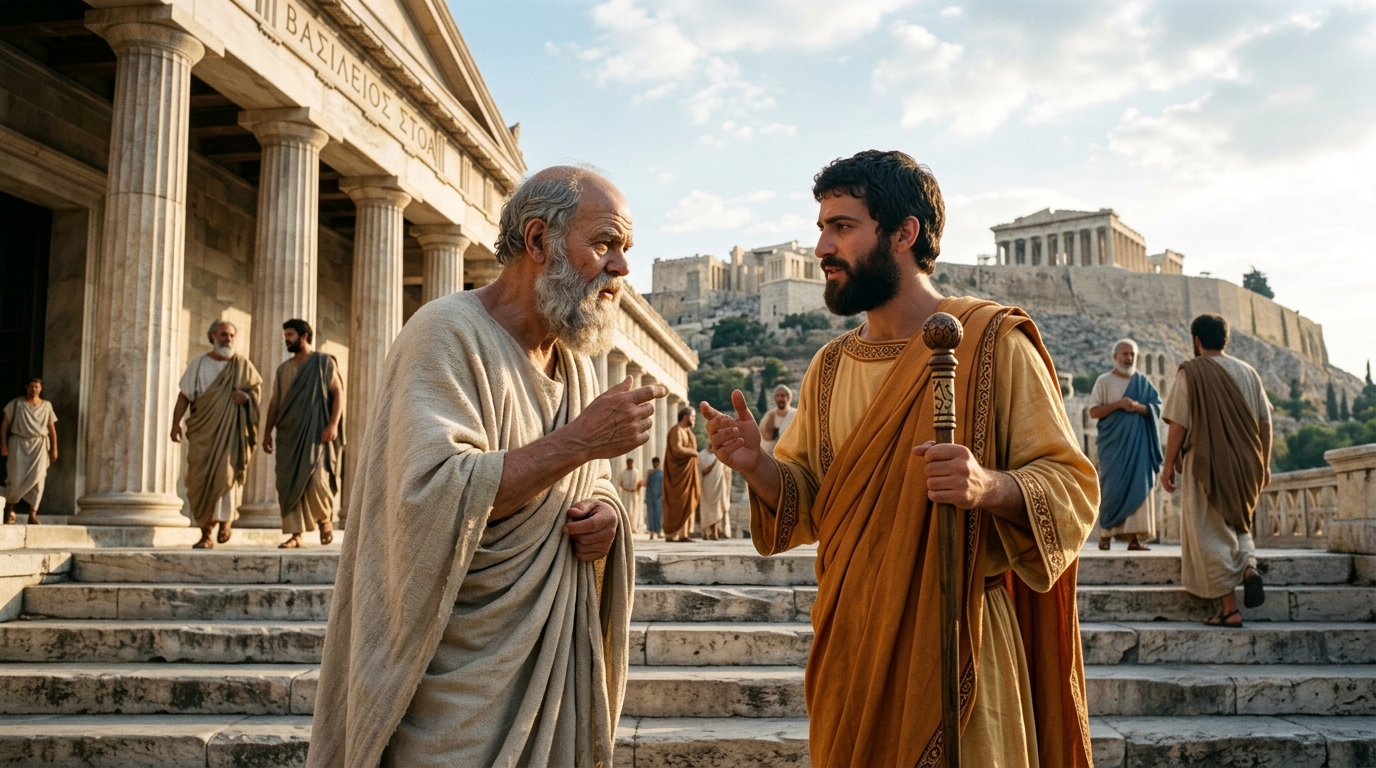
You have likely encountered the idea that being a good person means following a higher law, but the Euthyphro dilemma asks you to look deeper into that assumption. This classic puzzle, first introduced by Plato, poses a challenging question: Is an action right because God commands it, or does God command it because it is already right? If you choose the first option, morality can seem arbitrary, as anything God commands would technically become good simply by decree. On the other hand, if you choose the second, you are suggesting that a standard of goodness exists independently of the divine, which God merely recognizes and reports to us.
Navigating this crossroad requires you to think about the very foundation of objective morality and how it relates to authority. If you lean toward Divine Command Theory, you are embracing the idea that God’s will is the ultimate source of all moral facts. This perspective offers a clear, objective anchor for right and wrong that transcends human opinion or cultural shifts. However, it also forces you to grapple with the arbitrariness problem, which is the uncomfortable possibility that if the divine will changed, our moral obligations would change along with it.
By exploring this dilemma, you gain a better understanding of how religious faith and ethical reasoning intersect in modern philosophy. Many thinkers attempt to resolve this tension by choosing between moral rules and the inherent nature of the lawgiver to ensure that commands are not random but are a direct reflection of a perfect and unchanging nature. This approach allows you to maintain that morality is grounded in the divine without suggesting that good is a hollow or shifting label. Engaging with these ideas helps you sharpen your own views on whether morality is something we discover through reason or something we receive through revelation.
Balancing Divine Sovereignty With Moral Objectivity
When you consider the source of right and wrong, you might find yourself stuck between the shifting sands of cultural preference and the desire for something more permanent. Divine Command Theory offers you a firm foundation by suggesting that moral truths are not just social suggestions, but are grounded in the very nature and will of a divine lawgiver. Proponents of this view argue that without a higher authority to anchor our values, morality becomes a matter of personal opinion or majority rule. By linking ethics directly to a supreme being, this theory attempts to provide you with a framework for objective oughts that remain consistent across time and geography.
You will eventually encounter the famous Euthyphro dilemma, which asks whether something is good because God commands it, or if God commands it because it is already good. If you choose the first option, you run the risk of making morality seem arbitrary, yet the second option suggests a standard of goodness exists independently of the divine. To navigate this, many modern thinkers argue that God’s commands are an inseparable reflection of His perfect and unchanging character. This approach allows you to maintain that morality is objective and sovereign without it being a random whim. It positions the divine not just as a messenger of ethics, but as the essential source that gives moral laws their binding power.
Bridging the Gap Between Faith and Logic
Reflecting on Divine Command Theory allows you to see how the deepest religious convictions often spark the most rigorous philosophical inquiries. By grappling with the Euthyphro dilemma, you begin to appreciate that faith and logic are not necessarily at odds, but are frequently in a complex dialogue with one another. This framework challenges you to consider whether morality is an independent standard or something fundamentally tied to a higher will. Engaging with these ideas helps you understand the historical weight behind our modern concepts of right and wrong. It encourages a deeper respect for the intellectual scaffolding that supports many people’s ethical worldviews.
Exploring these divine frameworks helps you bridge the gap between abstract moral theories and the lived experience of believers. You can see how the concept of a divine lawgiver provides a sense of objective certainty that many find essential for a stable social order. While the debate between theological voluntarism and independent moral truths remains unresolved, the journey through these arguments sharpens your own critical thinking skills. You gain a clearer perspective on how humanity has historically sought to ground its values in something larger than itself, often playing the odds on eternity by contrasting these absolute claims with real world moral relativism that shapes our daily interactions. Ultimately, this intersection of religion and philosophy invites you to think more deeply about the origins of your own moral compass, much like the questions raised in the free will vs determinism debate.
Frequently Asked Questions
1. What exactly is divine command theory?
Divine command theory is a moral framework where you view right and wrong as being determined solely by God’s will. In this view, an action is considered obligatory because God commands it and forbidden because He prohibits it.
2. How does this theory differ from social or personal morality?
Unlike social habits or personal preferences that change over time, this theory grounds your ethics in an absolute and unchanging source. It suggests that morality is not a human invention but a direct reflection of a divine lawgiver’s objective standards.
3. What is the core idea behind theological voluntarism?
Theological voluntarism is the belief that God’s will actually constitutes the very nature of morality rather than just following external rules. You are looking at a system where the divine word is the literal foundation that creates the fabric of what is right and wrong.
4. What is the Euthyphro dilemma?
This classic puzzle asks you to consider if something is good because God commands it or if God commands it because it is already good. It challenges you to decide if morality is a product of divine will or an independent standard that exists outside of God.
5. Why is a divine lawgiver necessary for objective morality?
Proponents argue that without a supreme authority, your sense of duty would simply be a collection of subjective opinions or cultural conventions. By relying on a divine lawgiver, you gain a sense of moral weight and purpose that transcends human limitations.
6. Can morality exist without God under this theory?
According to divine command theory, morality cannot exist independently because God is the essential source of all ethical value. If you remove the divine decree, you are left navigating a world where ought carries no objective or absolute authority.