
Imagine scrolling through your feed and seeing a video of yourself saying something you never uttered, or discovering a high-stakes financial scam powered by a perfect digital clone of your voice. As we move through 2026, the ethics of deepfakes have transitioned from a niche tech debate into a pressing global crisis that touches almost every aspect of your digital life. With synthetic media now generating hundreds of billions of impressions annually, the line between reality and fabrication has blurred to a point where your trust is the most valuable currency you own.
While the technology behind these hyper-realistic simulations is undeniably impressive, the human cost is becoming impossible to ignore. You are now interacting with a digital environment where documented fraud losses have climbed into the billions and targeted synthetic abuse has become a widespread reality. Understanding the ethical stakes is not just an academic exercise anymore; it is a vital toolkit for protecting your identity and discerning the truth in an era of manufactured perception.
Key Takeaways
- The ‘liar’s dividend’ allows public figures to escape accountability by claiming genuine, incriminating evidence is actually an AI-generated deepfake.
- Synthetic media has transformed biological markers like voice and facial geometry into tools for financial fraud, resulting in over $1.28 billion in documented losses.
- The overwhelming majority of deepfake abuse is weaponized as non-consensual, gendered violence, necessitating a global shift in how we define digital consent and bodily autonomy.
- As legal frameworks struggle to keep pace with AI, the burden of verification falls on individuals to use critical thinking and proactive ethical tools to safeguard the truth.
The Fragile Boundary Between Truth And Fabricated Reality
You are likely used to the idea that seeing is believing, but the rise of deepfakes has fundamentally altered that internal compass. When you watch a video today, you are no longer just processing information, you are performing a subconscious authenticity check. This shift represents a profound philosophical change in how you perceive evidence and truth in your daily life. As synthetic media becomes indistinguishable from reality, your personal sense of certainty begins to erode. You are forced to live in a world where the digital record is no longer a reliable witness to human history.
This era of digital fabrication has given rise to a dangerous phenomenon known as the liars dividend, which you might encounter more often than you realize. Because everyone knows that deepfakes exist, public figures can now claim that real, incriminating footage is actually an AI generated fake. This creates a convenient escape hatch for accountability, allowing individuals to dismiss inconvenient truths as mere technological artifacts. You might find yourself in a position where even the most undeniable facts are treated as debatable opinions. This environment benefits the dishonest by casting a shadow of doubt over every piece of genuine evidence presented to the public.
The moral implications of this technology extend far beyond simple misinformation and strike at the heart of your identity. When your likeness can be hijacked to say or do things you never consented to, the boundary between your physical self and your digital presence disappears. You are now tasked with defending your reputation against digital replicas that look and sound exactly like you. Current legal frameworks are often too slow to protect you from these paragraph technological shifts, leaving a gap in your digital security. Understanding these ethical nuances is essential as you learn to live in a world where the truth is increasingly fragile.
Gendered Violence And The Exploitation Of Digital Consent
The rise of non-consensual synthetic media represents a profound shift in how you must conceive of bodily autonomy and digital consent. While deepfakes are often discussed in the context of political misinformation, the overwhelming majority of this technology is weaponized to create sexually explicit content featuring women and children without their permission. When you consider that nearly all documented deepfake abuse is gendered, it becomes clear that this is not just a technological glitch but a systemic human rights crisis. This exploitation turns a person’s physical identity into a tool for harassment, effectively stripping away their agency over their own likeness. You are witnessing a modern era where your digital existence can be hijacked to inflict real world psychological and social trauma.
This weaponization of identity forces you to confront deep philosophical questions regarding the nature of truth and the value of a person’s image. In a world where synthetic media can be generated with a few clicks, the traditional concept of a verifiable self begins to erode under the weight of malicious intent. You might notice that current legal frameworks often struggle to keep pace with the speed of AI development, leaving victims with few avenues for immediate justice. This gap in protection places an unfair ethical burden on those most vulnerable to digital violence, as they are forced to live in a world where their very existence can be fabricated for exploitation. By understanding these dynamics, you can better appreciate why digital consent must be treated as a fundamental pillar of modern ethics.
Financial Fraud And The Devaluation Of Human Trust
When you consider the security of your digital life, you likely think of complex passwords or two factor authentication codes sent to your phone. However, the rise of deepfake technology means that your very identity, specifically your unique biological markers like the cadence of your voice and the geometry of your face, is being turned into a master key for criminals. By mimicking these intimate traits, fraudsters have managed to siphon over 1.28 billion dollars from unsuspecting individuals and institutions. This shift represents a profound ethical crisis because it weaponizes the features that make you human against your own financial fraud safety. You are no longer just protecting a digital account, you are now forced to defend the authenticity of your physical self.
The true cost of this synthetic media surge goes far beyond the staggering dollar amounts reported in recent years. As you live in a world where a video call from a loved one or a voice memo from a colleague could be a sophisticated AI fabrication, the fundamental foundation of human trust begins to erode. This devaluation of trust forces you to view every digital interaction with a layer of suspicion, fundamentally altering how you connect with others. When your biological identity can be replicated and sold for profit, the philosophical distinction between the real you and a digital mask becomes dangerously thin. We are entering an era where seeing is no longer believing, requiring you to develop a new kind of digital intuition to safeguard your reality.
The inadequacy of current legal frameworks means that the documented fraud losses often falls directly on your shoulders. While technology evolves at a breakneck pace, the moral implications of using synthetic media to bypass security systems remain a primary concern for experts and ethicists alike. You are witnessing a modern transformation of identity theory where your likeness is no longer an immutable part of your personhood, but a data point that can be manipulated. Understanding these risks is the first step in reclaiming agency over your digital presence and ensuring that human connection remains grounded in truth. By staying informed, you can better understand this complex environment where the lines between biological reality and artificial mimicry continue to blur.
Rebuilding Digital Integrity Through Proactive Ethical Frameworks
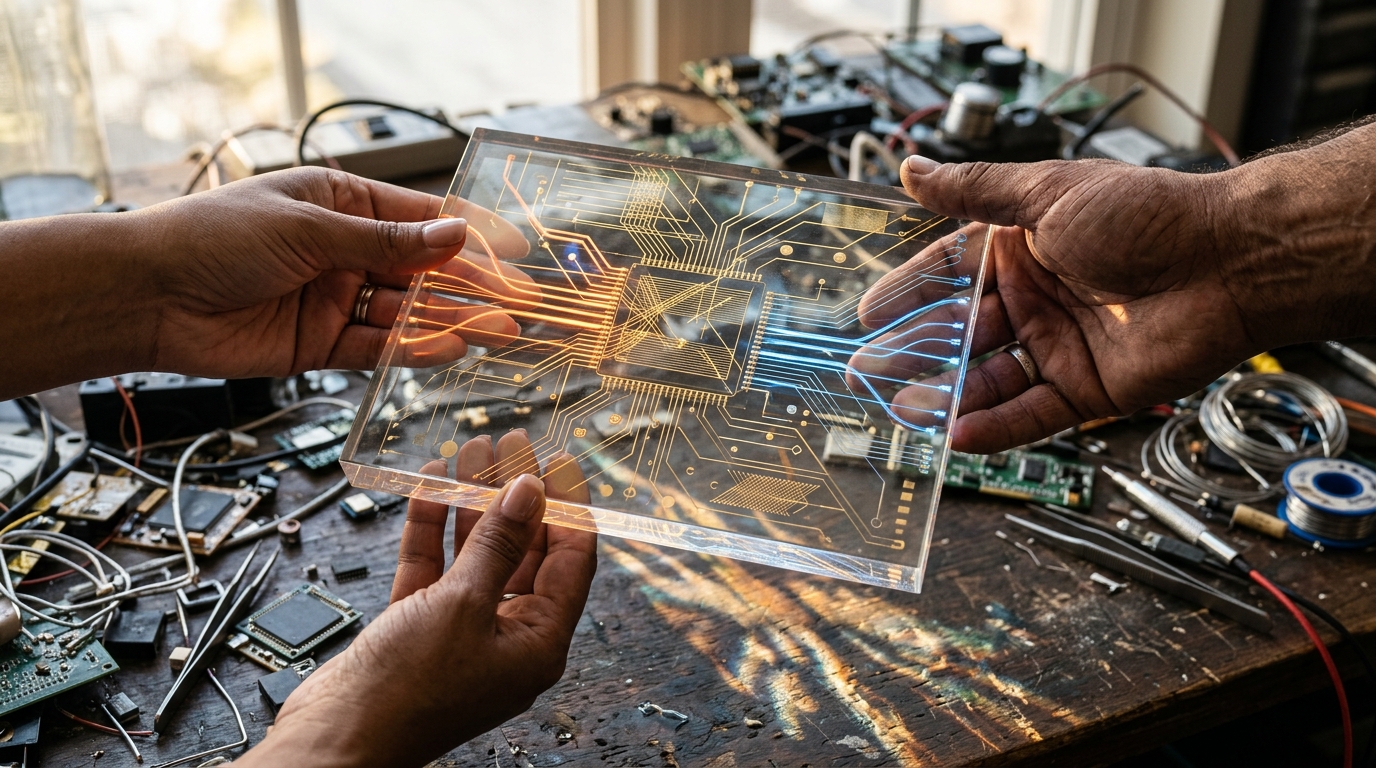
The rapid evolution of synthetic media has fundamentally challenged your understanding of truth and identity in the digital age. As you interact with an environment where billions of media impressions are generated by AI, the line between authentic human expression and algorithmic mimicry begins to blur. You are witnessing a shift where the moral implications of deepfakes are no longer theoretical but represent a direct threat to the social contract. To restore trust, you must look toward proactive ethical frameworks that prioritize human dignity over technological convenience. These solutions aim to provide you with the tools necessary to navigating ethical dilemmas and reclaim the integrity of your digital interactions.
You are likely aware that the financial and personal toll of deepfake abuse has reached staggering levels in recent years. Beyond the billions of dollars lost to sophisticated fraud, the gendered nature of synthetic media violence highlights a profound need for more robust legal protections. Current frameworks often struggle to keep pace with the accessibility of these tools, leaving you vulnerable to harms that can tarnish your reputation or violate your privacy. By advocating for transparent verification standards, you can help move the conversation from reactive damage control toward a future of built-in accountability. This approach ensures that the technology serves as a creative tool rather than a weapon of deception.
Restoring digital integrity requires you to embrace a combination of technological safeguards and a renewed commitment to objective truth. Emerging solutions like cryptographic watermarking and decentralized identity verification are designed to give you certainty in what you see and hear. These advancements act as a modern shield, allowing you to participate in the digital world without the constant fear of manipulation. By supporting these proactive measures, you contribute to a culture that values authenticity and protects the fundamental right to an accurate representation of self. This collective effort is essential for rebuilding the trust that sustains our global community.
Your Role in a Synthetic World
As you live in a digital environment where the distinction between reality and artifice is increasingly blurred, your role as a critical consumer of media has never been more vital. The sheer scale of synthetic content means that you can no longer rely on your eyes or ears alone to verify the truth of a video or audio clip. By cultivating a mindset of healthy skepticism, you protect your own perception of reality from the manipulative power of deepfake technology. This personal commitment to intellectual rigor serves as a primary defense against the erosion of public trust. You are the final filter through which information must pass before it is accepted as fact or shared with others.
Maintaining this level of scrutiny requires you to look beyond the surface of every viral post or shocking headline you encounter. When you pause to question the source, the context, and the motive behind a piece of media, you are actively resisting the psychological traps set by sophisticated AI algorithms. This practice of digital mindfulness helps you preserve the integrity of your identity and the accuracy of your worldview in an era of unprecedented deception. While legal frameworks and technical detection tools struggle to keep pace with innovation, your sharpest tool remains your ability to think critically. By valuing truth over convenience, you contribute to a more honest and resilient information ecosystem for everyone.
Frequently Asked Questions
1. What exactly is the ethics of deepfakes and why should I care?
The ethics of deepfakes involves the moral implications of using artificial intelligence to create hyper-realistic but fabricated media. You need to care because this technology directly impacts your ability to trust what you see and hear, transforming your digital identity into something that can be easily manipulated or stolen.
2. How can I protect myself from being targeted by deepfake technology?
You can protect yourself by practicing digital hygiene, such as limiting the amount of high-quality audio and video you share publicly. It is also helpful to establish a secret verbal password with your family members to verify identities during suspicious phone calls or video chats.
3. What is the liars dividend and how does it affect my daily life?
The liars dividend is a phenomenon where people can dismiss real evidence as fake simply because deepfakes exist. This affects you by creating a world where accountability vanishes, making it harder for you to distinguish between genuine truth and a convenient excuse.
4. Are there any ethical or positive uses for deepfake technology?
Yes, you can find ethical applications in fields like education, where historical figures are brought back to life, or in medicine to give a voice to those who have lost theirs. The key is ensuring that these uses are transparent and built upon a foundation of clear, informed consent from all parties involved. This technology often raises questions about whether art merely imitates life or if it has begun to redefine our reality entirely.
5. How do deepfakes impact the global economy and financial security?
Deepfakes pose a massive risk to your financial security by enabling sophisticated scams that use digital clones of trusted voices or faces to authorize fraudulent transactions. These attacks have already caused billions in losses, making it essential for you to verify any unusual financial requests through multiple offline channels.
6. Who is responsible for regulating the ethical use of synthetic media?
Responsibility lies in a combination of government legislation, platform moderation policies, and your own critical thinking skills. While laws are catching up to define digital consent, you remain the first line of defense in identifying and reporting synthetic abuse when you encounter it. Practicing modern thinking allows you to recognize the limitations of your own perception in this complex digital landscape.
As the simulacrum of synthetic media continues to expand, the challenge of maintaining a grounded sense of self becomes the defining ethical struggle of our time.