
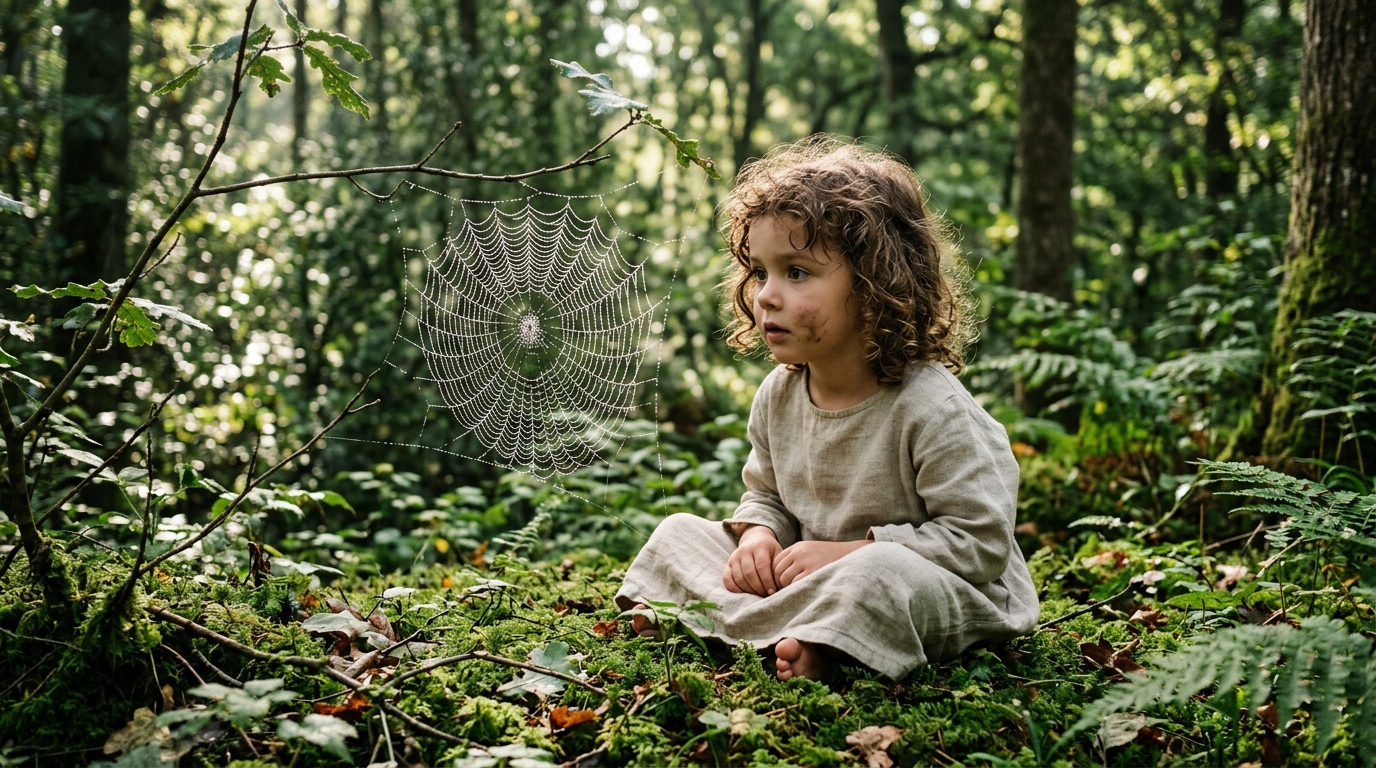
You likely remember being told that you would understand the world once you were “all grown up,” as if your younger self was merely a rough draft of the person you are today. This common perspective is at the heart of the philosophy of childhood, a vibrant field that challenges you to rethink whether being a child is simply a state of deficiency or a unique way of being human. By examining the moral and legal status of young people, you can begin to see childhood not just as a preparation for adulthood, but as a period with its own intrinsic value and philosophical depth.
When you shift your gaze from what children lack, such as autonomy or complex reasoning, to what they actually possess, you uncover a world of fresh cognitive and ethical insights. For centuries, the dominant view has treated children as “adults-in-waiting,” yet modern inquiry suggests they may have a distinct competency that we lose as we age. Exploring these frameworks allows you to move beyond historical biases and appreciate the profound questions that arise when you take the lived experience of children seriously.
Key Takeaways
- Childhood is a distinct state of being with its own intrinsic value, rather than a mere ‘deficit’ or preparatory stage for adulthood.
- Children possess a ‘lantern of consciousness’ that allows for high-intensity, wide-angle awareness, making their minds biologically optimized for exploration and discovery rather than focused productivity.
- Shifting from a deficit model to a competency model requires treating children as whole individuals with active moral claims and a right to exercise their own developing agency.
- A child’s relentless questioning represents a profound metaphysical inquiry that should be treated with intellectual rigor and respected as a natural philosophical state.
Moving Beyond The Aristotelian Deficit Model
For centuries, the Western world has largely viewed childhood through an Aristotelian lens, framing it as a mere preparatory stage for the “real” business of being an adult. You might recognize this mindset in the way we often measure a child’s progress by their proximity to adult milestones, focusing on what they cannot yet do rather than what they are currently experiencing. This deficit model suggests that children are incomplete vessels, defined by their lack of reason, autonomy, and physical strength. When you shift your perspective, you begin to see that this framework treats the first decade of life as a waiting room for personhood. By viewing children only as potential adults, we risk overlooking the profound metaphysical and cognitive richness that exists within them right now.
Moving beyond this traditional view invites you to recognize children as whole beings with their own unique moral and intellectual value. Instead of seeing a lack of logic, you can choose to see a heightened capacity for wonder and a fresh, unbiased approach to life’s biggest questions. This philosophy of childhood suggests that the “deficits” we once identified are actually different modes of being that offer valuable insights into the human condition. When you engage with a child as a complete person, you honor their current agency and their distinct way of perceiving the world. This approach transforms parenting and education from a project of molding future citizens into a journey of mutual discovery and respect.
Exploring Alison Gopnik And The Lantern Of Consciousness

Alison Gopnik challenges the traditional view that children are simply incomplete versions of adults by introducing the concept of the lantern of consciousness. While you likely spend your day with a spotlight of attention that focuses narrowly on specific tasks, a child experiences the world with a wide-angle glow. This high-intensity awareness allows them to absorb a vast array of information from their surroundings simultaneously rather than filtering it out. By understanding this shift from a spotlight to a lantern, you can begin to appreciate the chaotic brilliance of a toddler’s mind as a sophisticated evolutionary strategy for learning.
This exploratory model of development suggests that childhood is a distinct biological period dedicated to imagination and discovery rather than productivity. You might notice that while adults are designed to get things done, children are built to find out what might happen next. Their brains are more flexible and plastic, allowing them to test hypotheses and create mental maps of the world with incredible speed. Instead of seeing a lack of focus as a deficit, you can view it as a vital state that enables the human species to adapt and innovate across generations.
Embracing this philosophy changes how you relate to the young people in your life from a pedagogical and ethical standpoint. When you stop viewing children as mere adults-in-waiting, you recognize the intrinsic value of their unique cognitive and emotional experiences. This perspective encourages you to protect the space they need for play and wonder, acknowledging these activities as essential to the human condition. By honoring the lantern of consciousness, you move toward a deeper respect for the rights of children to explore the world on their own terms.
Navigating The Moral Status And Rights Of Children
When you look at a child, you are witnessing a unique stage of human existence that is far more than just a waiting room for adulthood. For centuries, traditional thought viewed children through a state of deficiency lens, seeing them as incomplete beings who lacked the reason and strength of grown-ups. You might find it more enriching to view them through a competency model, acknowledging that children possess their own valid ways of experiencing the world and processing truth. This perspective shifts your role from a mere supervisor to a philosophical partner who respects the child’s current state of being. By recognizing their inherent value today, you move beyond seeing them as projects to be completed and start seeing them as individuals with their own moral standing.
Navigating the tension between protecting a child’s innocence and fostering their growing autonomy is one of the most delicate tasks you will face. You have a moral responsibility to shield them from harm, yet overprotection can stifle the very independence they need to develop a sense of self. Finding this balance requires you to consider the ethical merits of paternalism and how gentle interventions protect your long-term freedom and well-being without sacrificing personal autonomy. As they grow, your duty evolves from making every decision for them to gradually stepping back so they can exercise their own agency. This transition is not just a practical necessity, but a profound ethical commitment to their developing humanity.
As an educator or parent, you are essentially a guide through the early life, helping children make sense of their place in the universe. You are tasked with honoring their curiosity and philosophical wonder, which often exceeds the rigid structures of adult logic. By engaging with their questions seriously, you validate their intellectual rights and encourage a lifelong pursuit of wisdom. This approach transforms your relationship into a collaborative journey where both of you explore the complexities of the human condition. Ultimately, respecting the moral and legal status of children means acknowledging that they are already whole people deserving of dignity and thoughtful engagement.
Cultivating Philosophy As A Natural Childhood State
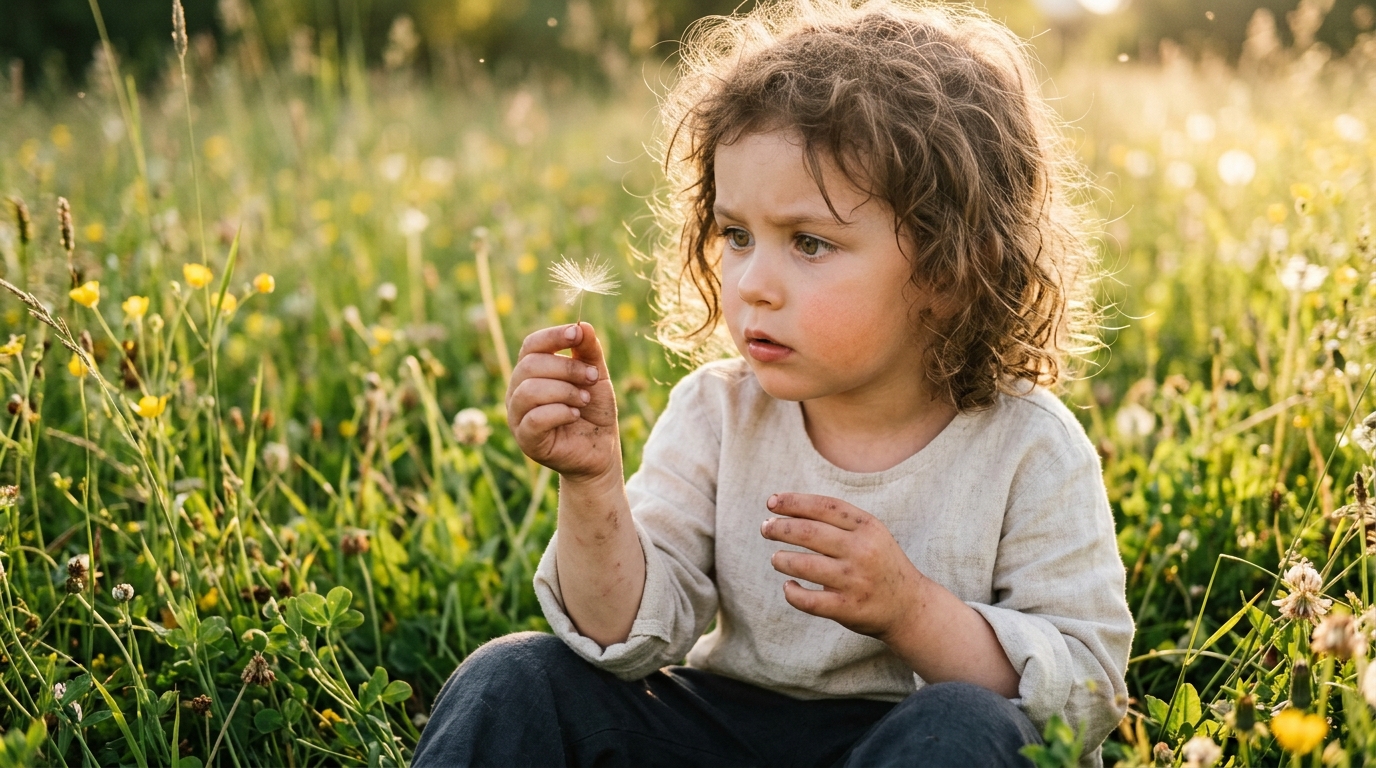
You have likely noticed that a child’s relentless stream of “why” questions can be both exhausting and deeply enlightening. Instead of viewing these inquiries as mere requests for information, you can choose to see them as profound metaphysical probes into the very fabric of reality. When a child asks why people die or why the sky is blue, they are not just looking for biological or physical facts, but are often grappling with the fundamental nature of existence. By recognizing these moments as genuine philosophical inquiries, you validate their intellectual agency and help them transition from passive observers to active thinkers.
Moving beyond the traditional view of children as incomplete adults allows you to appreciate the unique cognitive clarity they possess. While historical deficit models often define childhood by a lack of reason or autonomy, modern competency models suggest that children have a distinct capacity for wonder that adults frequently lose. You can foster this natural state by creating a safe space for open-ended dialogue where there are no wrong answers, only deeper layers of understanding. Encouraging this innate curiosity helps children develop a robust ethical and logical framework that will serve them throughout their entire lives.
As you engage with these youthful explorations, you are participating in a vital pedagogical shift that respects the moral and legal status of the developing mind. This approach does not just prepare them for the future, but it honors their current identity as capable human beings with a right to investigate the world. By treating their questions with intellectual rigor and empathy, you bridge the gap between simple curiosity and disciplined philosophical thought. This journey of mutual discovery strengthens your bond while positioning you as a supportive guide in their quest to decode the mysteries of the human condition.
Seeing Children as Complete Beings
Embracing the philosophy of childhood allows you to shift your perspective from seeing children as mere adults in training to recognizing them as complete, capable human beings in their own right. When you move away from the traditional deficit model, you begin to appreciate the unique cognitive and metaphysical insights that young minds offer to the world. This mindset encourages you to value their innate curiosity and fresh outlook rather than focusing solely on the skills they have yet to acquire. By honoring their present state of being, you create a foundation for a relationship built on genuine respect and intellectual partnership.
Integrating these philosophical principles into your daily life enriches your own understanding of the human condition and the nature of growth. You will likely find that listening to a child’s questions provides a rare opportunity to revisit fundamental truths about existence and morality that adults often take for granted. This deeper connection fosters an environment where children feel seen and heard, supporting their moral and legal status as valued members of society. Ultimately, this approach transforms caregiving and teaching into a shared journey of discovery that benefits both the mentor and the child.
Frequently Asked Questions
1. What exactly is the philosophy of childhood?
The philosophy of childhood is a field of study that examines the moral, legal, and social status of young people. It challenges you to see childhood as a unique way of being human with its own intrinsic value, rather than just a preparatory stage for adulthood.
2. What is the Aristotelian deficit model?
This historical perspective views children as incomplete beings defined by what they lack, such as reason or autonomy. When you follow this model, you treat childhood as a mere waiting room for personhood instead of recognizing the cognitive richness present in the moment.
3. Why should I view children as more than adults-in-waiting?
By moving beyond the idea of children as future adults, you can appreciate the distinct competencies and fresh perspectives they offer. This shift allows you to value their lived experiences today rather than focusing solely on their potential to become productive adults later.
4. Do children possess a unique type of competency?
Yes, children often have a distinct cognitive flexibility and openness that adults tend to lose as we age. You might find that their way of questioning the world provides profound ethical and metaphysical insights that are often overlooked by the adult mind.
5. How does this philosophy change the way we view child development?
It encourages you to stop measuring a child’s worth based on their proximity to adult milestones. Instead, you are invited to see development as a continuous process where every stage has its own philosophical depth and importance.
6. How can I apply these philosophical ideas in everyday life?
You can start by taking the questions and experiences of children seriously rather than dismissing them as immature. When you engage with their unique perspective, you gain a deeper understanding of how experience shapes your identity and what it means to be human at any age.