
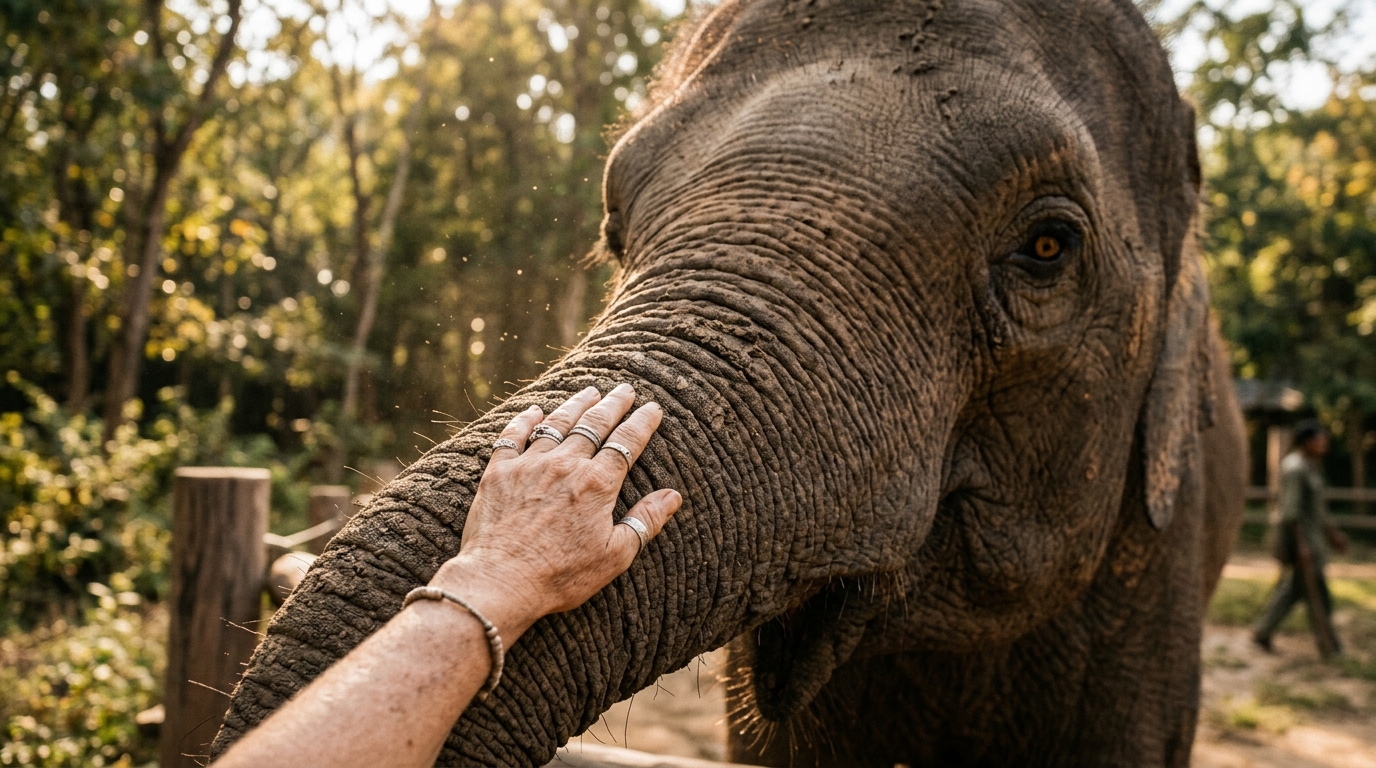
Imagine you are looking into the eyes of a companion animal and wondering not just if they are comfortable, but if they are truly fulfilled. The ethics of animal rights have evolved from simply minimizing pain to recognizing animals as complex individuals with a legal claim to their own lives. You are likely noticing a shift where society no longer asks if a cage is big enough, but whether the cage should exist at all. This movement invites you to consider animals not as property or tools, but as subjects of a life with inherent value.
You are now part of a global conversation that applies the classic principles of life, liberty, and the pursuit of happiness to the non-human world. While granting full legal personhood remains a complex hurdle, the focus has turned toward protecting an animal’s right to engage in natural, joyful behaviors, like a mother cow nursing her calf. This intellectual shift requires you to balance deep empathy with rigorous logic as we redefine our moral responsibilities. Understanding these constitutional and philosophical changes helps you understand a world where sentience is becoming a cornerstone of modern law.
Key Takeaways
- The ethical landscape is shifting from a traditional welfare model focused on reducing suffering to an abolitionist framework that recognizes animals as legal persons with inherent rights to autonomy.
- Modern animal legislation is increasingly prioritizing the ‘pursuit of happiness,’ protecting an animal’s right to engage in natural social bonds and psychological fulfillment rather than just physical survival.
- Global legal systems are evolving to embed animal sentience into constitutional frameworks, transitioning animals from the status of property or resources to subjects of law with fundamental claims to life and liberty.
- The integration of artificial intelligence in conservation must be carefully managed to ensure technology serves to liberate and protect animals rather than becoming a tool for automated bias or further human control.
Beyond Welfare To Abolitionist Rights Frameworks
You are likely familiar with the concept of animal welfare, which focuses on providing better living conditions and reducing unnecessary suffering within current industries. However, a profound shift is occurring as we move toward an abolitionist rights framework that asks you to view animals as individuals rather than resources. This perspective suggests that simply making cages larger or improving slaughter methods is not enough if we still deny animals their fundamental autonomy. By recognizing animals as legal persons or subjects of a life, you are acknowledging that they have inherent value that exists entirely independent of their utility to human society.
This transition involves rethinking the traditional balance between human convenience and the moral status of other species. You might find yourself considering the pursuit of happiness framework, which argues that animals deserve the opportunity to engage in natural behaviors and social bonds. For instance, instead of just focusing on physical health, this approach emphasizes a mother cow’s right to nurse her calf or a social primate’s right to community. It is a bold step that challenges you to move beyond kindness and toward a legal recognition of an animal’s right to life and liberty.
As you consider these modern lifestyle choices, the tension between traditional habits and emerging ethical standards becomes more apparent. The push for constitutional recognition of animal sentience means that your role as a consumer and citizen is evolving into that of a moral advocate. You are now part of a global conversation that explores how legal systems can protect the most vulnerable beings from exploitation. Embracing this framework allows you to align your daily actions with a deeper commitment to justice and the universal right to live free from ownership.
The Pursuit Of Happiness In Animal Legislation

The ethical environment of animal rights is shifting from a focus on basic survival to a more profound recognition of an animal’s emotional and psychological well-being. You are likely familiar with the concept of animal welfare, which traditionally aims to minimize pain and distress within human systems. However, modern legal strategies are now pivoting toward a rights based framework that mirrors the human pursuit of happiness. This approach suggests that animals are not merely biological machines to be managed, but subjects of a life who deserve the opportunity to experience joy. By acknowledging their inherent value, professional legal services are pushing for laws that protect an animal’s ability to live a meaningful life according to its own biological needs.
You can see this shift most clearly in the fight to protect an animal’s right to express natural behaviors. For instance, the bond between a mother cow and her calf is being reimagined not just as a biological function, but as a fundamental emotional requirement. When legislation focuses on the pursuit of happiness, it moves beyond the size of a cage to address the psychological health of the individual. This perspective challenges you to consider the tension between human utility and the moral status of sentient beings. As legal systems begin to recognize these complex emotional lives, the way society views its responsibility toward animals undergoes a permanent and necessary transformation.
Constitutional Recognition And Emerging Sentience Laws
You are witnessing a historic transformation in how the world views the moral status of our fellow creatures. Various nations are leading a global shift by embedding animal protection directly into their constitutional frameworks, moving beyond simple welfare rules to recognize animals as sentient beings with inherent rights. This legal evolution suggests that animals are no longer just property for human utility, but are instead legal subjects with their own interests. By elevating these protections to the highest level of law, society is acknowledging that our moral duty toward nature is fundamental rather than optional. You can see this as a reflection of a modern law that refuses to ignore the internal lives of those who cannot speak for themselves.
This shift represents a move from traditional welfare, which focuses on minimizing suffering, to a rights based approach that prioritizes an animal’s quality of life. When you look at emerging sentience laws, you are seeing a framework that supports the idea of a right to pursue happiness, such as a mother cow being allowed to nurse her calf. These laws challenge the old tension between human convenience and animal dignity by suggesting that an animal’s joy and natural behaviors have significant moral weight. As you observe these changing legal environments, it becomes clear that the goal is to create a world where animals are respected as individuals rather than mere resources. This intellectual and legal journey invites you to reconsider your own lifestyle choices in light of these newfound moral standards.
Navigating The Intersection Of AI And Animal Ethics

As you explore the modern state of animal rights, you will find that artificial intelligence is becoming a double edged sword for wildlife conservation. On one hand, sophisticated AI systems now monitor animal populations in real time, allowing researchers to track health and behavior without the intrusive presence of humans. These tools can identify individual animals through facial recognition and sound patterns, providing a level of care that prioritizes their right to pursue happiness in a natural setting. This shift from simple welfare to a rights based framework means that technology is finally being used to respect animals as subjects of their own lives. However, this digital frontier also introduces the risk of exploitation if sensitive data falls into the wrong hands.
The integration of AI into the natural world requires you to consider the ethical implications of automated bias and digital surveillance. If an algorithm is trained on data that prioritizes human utility over animal autonomy, the resulting decisions could inadvertently harm the very creatures we aim to protect. You might see automated systems making choices about habitat management or population control that favor human convenience rather than the inherent rights of the animals. Balancing technology involves a careful approach between using tools for good and ensuring they do not become instruments for further control. By staying informed about these developments, you can better advocate for a future where technology serves to liberate animals rather than just manage them.
Redefining Your Role in Animal Ethics
Reflecting on these philosophical shifts invites you to reconsider the boundaries of your own moral perspective. When you view animals as subjects of a life rather than mere resources, the tension between human utility and animal rights becomes a personal inquiry. You might find yourself choosing between moral rules and lifestyle habits that align with the emerging recognition of animal sentience. This transition from a welfare mindset to a rights based framework encourages you to see every living being as an individual with inherent value. By acknowledging their right to pursue happiness, you begin to bridge the gap between abstract ethics and practical action.
Your choices serve as a powerful vote for the kind of world you wish to inhabit. Becoming an active participant in this more compassionate future does not require perfection, but it does demand a willingness to evolve alongside our growing scientific and legal understanding of animal rights and the shift toward biocentrism. As constitutional recognitions of animal rights gain momentum, your support for these frameworks helps dismantle outdated systems of exploitation. You have the opportunity to lead by example, showing that a life of convenience does not have to come at the expense of another’s liberty. Embracing this shift transforms you from a passive observer into a conscious advocate for a more equitable society.
Frequently Asked Questions
1. What is the main difference between animal welfare and animal rights?
Animal welfare focuses on improving living conditions and minimizing pain while animals are used for human purposes. In contrast, animal rights suggests that animals have an inherent right to autonomy and should not be used as resources or property at all.
2. What does it mean to view an animal as a subject of a life?
Viewing an animal as a subject of a life means you recognize they have their own individual experiences, emotions, and interests that matter to them. This perspective acknowledges that an animal’s value is independent of their usefulness to humans.
3. Why is the legal status of animals changing?
The legal environment is shifting because society is increasingly recognizing sentience as a foundation for modern law. You are seeing a move toward granting animals specific legal protections that mirror the rights to life and liberty previously reserved for humans.
4. Does the abolitionist framework allow for improved farming methods?
The abolitionist framework argues that simply improving methods is insufficient because the core issue is the denial of an animal’s freedom. Instead of making cages larger, this philosophy asks you to consider whether the cage should exist in the first place.
5. How can you balance empathy and logic when considering animal rights?
You can balance these by using your empathy to recognize an animal’s capacity for joy and suffering while applying rigorous logic to redefine moral responsibilities. This approach helps you address complex ethical hurdles such as legal personhood and constitutional changes.
6. What are the fundamental rights being proposed for animals?
The movement focuses on protecting an animal’s right to engage in natural and joyful behaviors, such as a mother nursing her young. These proposals aim to apply the universal principles of life and liberty to the non-human world.