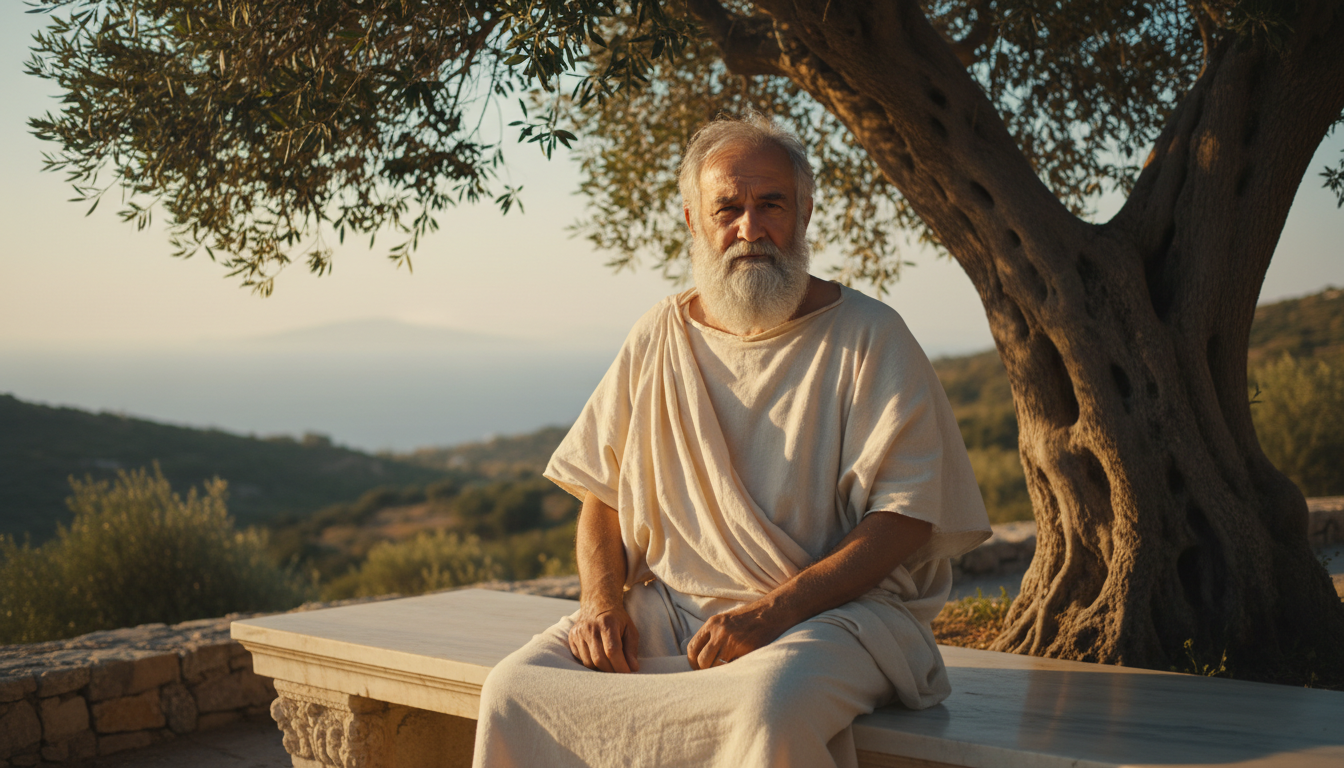
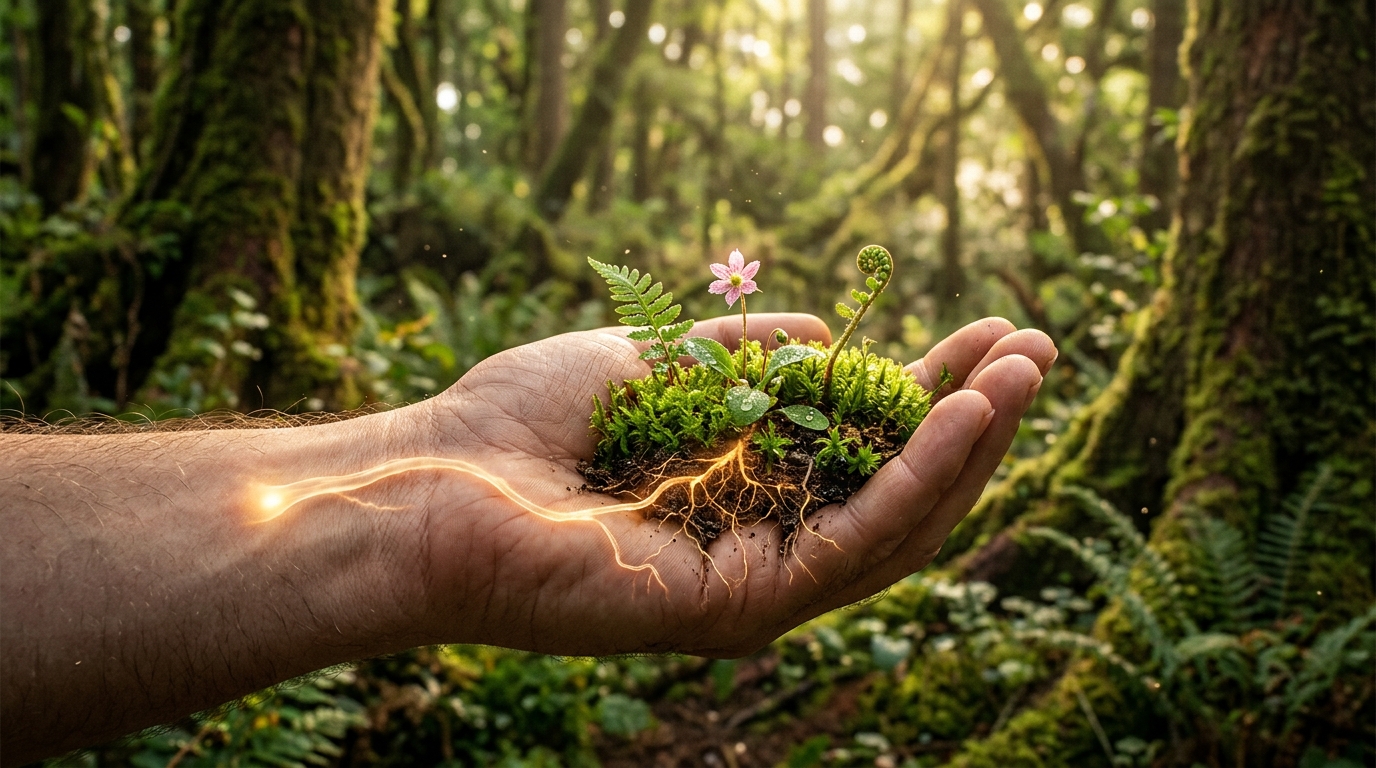
Have you ever paused to consider if a wildflower or a honeybee possesses a value that has nothing to do with how they serve human needs? This shift in perspective is the heart of biocentrism ethics explained, a framework that moves us away from a human-centered world toward one where every living thing holds its own moral weight. By recognizing that life itself, not intelligence or utility, is the ultimate standard of worth, you begin to see the natural world as a community of equals rather than a collection of resources.
When you adopt a biocentric lens, you start to view every organism as a teleological center of life with its own unique goals and purpose for survival. This philosophy suggests that we are all part of an interdependent web where no species is inherently superior to another. Embracing this mindset requires a deep sense of species impartiality, challenging you to respect the biological drive of every creature as being just as significant as your own.
Key Takeaways
- Every living organism is a teleological center of life with its own internal purpose and inherent worth, independent of its utility to human society.
- Biocentrism requires a shift from an anthropocentric worldview to one of species impartiality, where humans are viewed as equal members of an interdependent biological community rather than masters of a moral pyramid.
- Moral duty to the natural world is defined by the principle of non-maleficence, requiring individuals to avoid harming other living entities and to practice restitutive justice when ecological damage occurs.
- Adopting a life-centered ethical framework provides the necessary moral authority to protect biodiversity and fragile ecosystems for their own sake, regardless of economic or recreational benefits.
Shifting From Anthropocentrism To Life Centered Ethics
For centuries, you have likely been taught to view the world through an anthropocentric lens, where human needs and desires are the primary measure of value. This traditional perspective suggests that nature is essentially a toolkit, existing only to provide us with resources, beauty, or entertainment. When you shift toward a biocentric worldview, you begin to challenge the idea that humanity sits at the top of a moral pyramid. Instead of asking what a forest or a river can do for you, you start to recognize that every living organism possesses its own inherent worth. This transition marks a profound change in how you relate to the environment, moving from a role of a master to that of a respectful neighbor.
Adopting a life centered ethics approach means you acknowledge that every creature is a teleological center of life with its own internal purpose. Whether it is a towering redwood or a microscopic organism, each living thing strives for its own survival and well-being in a way that is independent of human interests. You can appreciate this perspective by realizing that life itself, rather than intelligence or social utility, is the true source of moral standing. This philosophy encourages you to treat the natural world with a sense of species impartiality, recognizing that we are all part of a complex web of mutual dependence. By valuing life for what it is rather than what it provides, you help foster a more sustainable and compassionate relationship with the planet.
Paul Taylor And The Four Pillars Of Respect For Nature

Professional ethical frameworks have shifted the focus away from human interests and toward a deep, systematic respect for all living beings. When you look at this framework, you start to see that humans are not masters of the universe but rather equal members of a complex community of life. This perspective of interdependence suggests that our survival is inextricably linked to the well-being of the entire ecosystem. By recognizing that we share the same biological requirements as other species, you can begin to appreciate the delicate balance that sustains every inhabitant of our planet.
At the heart of this philosophy is the idea that every individual organism functions as a teleological center of life. This means that every plant, animal, and microorganism has its own internal purpose and strives toward its own version of flourishing. You can observe this in how a seedling pushes through concrete to reach the sun or how a predator hunts to sustain its existence. Because each life form pursues its own good, ethical advocates argue that every living thing possesses an inherent worth that is completely independent of its utility to human society.
Embracing species impartiality requires you to reject the traditional notion that human intelligence or technology makes us morally superior to other creatures. This pillar of biocentrism challenges you to view moral worth through the lens of life itself rather than cognitive complexity. Understanding animal rights and sentient ethics helps clarify how the distinction between higher and lower species begins to fade away in favor of a universal respect for existence. This shift in thinking is a foundational step toward a more ethical and sustainable relationship with the natural world that surrounds you.
Navigating Your Moral Duties To The Living World
Adopting a biocentric worldview changes how you interact with every living thing you encounter, moving beyond a human-centered world to one of mutual respect. Your primary obligation is the principle of non-maleficence, which simply means you must strive to do no harm to any living entity that has a good of its own. This goes beyond avoiding cruelty to animals and extends to protecting the integrity of plants and microorganisms that sustain our shared ecosystems. When you recognize that every organism is a teleological center of life, you begin to see that their survival and well-being are just as significant as your own. By practicing this level of mindfulness, you acknowledge that every creature has an inherent right to exist without unnecessary interference from human activity.
Navigating your moral duties also requires a commitment to noninterference and restitutive justice in your daily life. Noninterference asks you to refrain from manipulating or controlling natural environments for purely selfish gains, allowing wild spaces to function according to their own internal logic. However, because modern life often leads to unavoidable ecological damage, biocentrism introduces the vital concept of restitutive justice. This means that when you or your community cause harm to the living world, you have a direct responsibility to make amends through restoration or conservation efforts. By balancing your needs with the needs of the biosphere, you transform from a consumer of nature into a dedicated partner in its continued flourishing.
Integrating Biocentric Principles Into Modern Deep Ecology
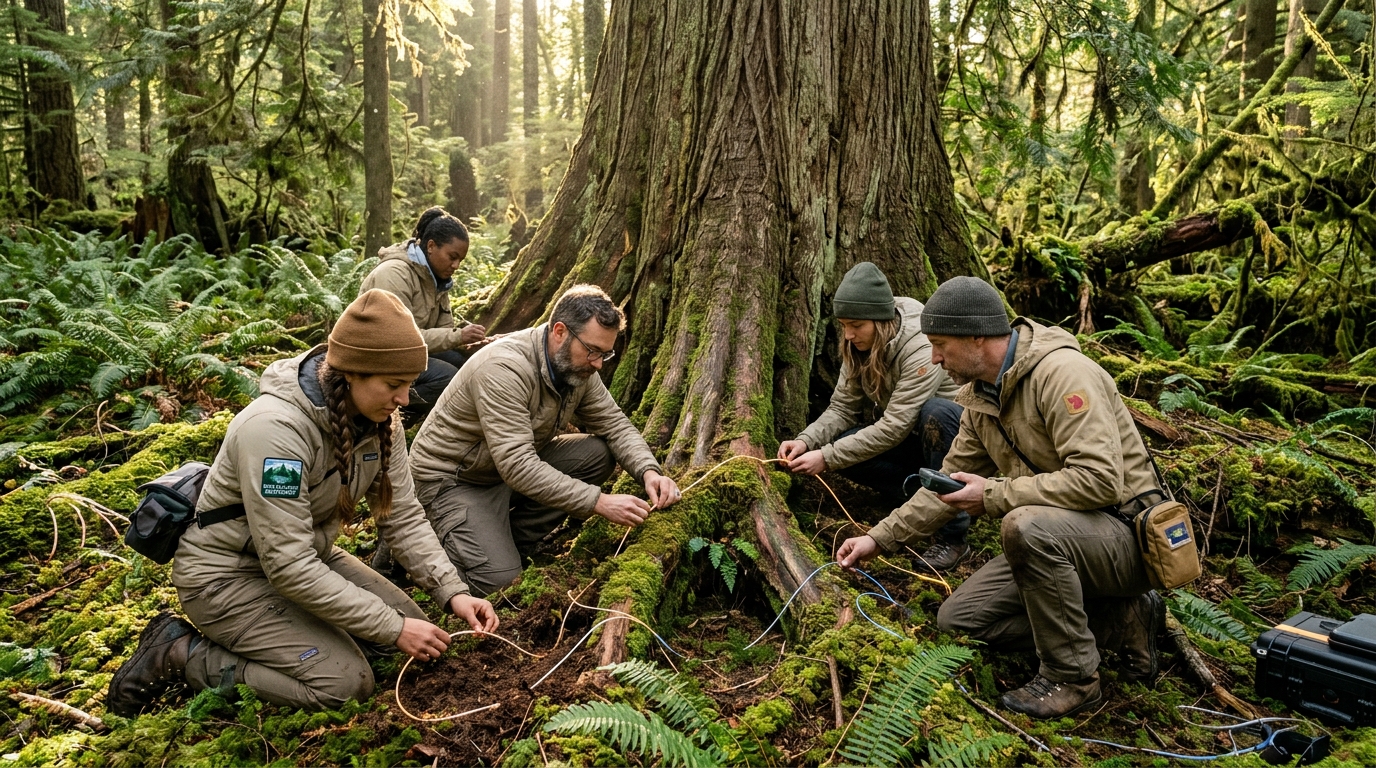
Biocentrism serves as the intellectual engine for modern deep ecology by shifting your perspective from a human-centered world to one where every organism holds intrinsic value. When you embrace this framework, you begin to see that a wildflower or a mountain lion possesses a moral right to exist that is entirely independent of its utility to human society. This shift is vital for the green movement because it provides a rigorous ethical defense for protecting biodiversity even when there is no immediate economic benefit to doing so. By recognizing that all living beings are teleological centers of life, you gain a deeper appreciation for the complex web of existence that sustains our planet.
Integrating these principles into your daily environmental advocacy allows you to argue for the preservation of fragile ecosystems with newfound clarity and moral authority. You move beyond simple conservation for human recreation and begin to champion the rights of the biosphere as a whole. This approach fosters a sense of species impartiality, helping you to dismantle the outdated idea that human intelligence grants us a higher moral status than the rest of the natural world. As you apply these biocentric ethics, you contribute to a more sustainable future where humans live in harmony with a community of life that is respected for its own sake.
Shifting Your Perspective Toward Universal Kinship
Adopting a biocentric lens transforms the way you perceive your place in the world by shifting the focus from human dominance to universal kinship. When you recognize that every plant, animal, and microorganism is a teleological center of life with its own inherent goals, your daily interactions with nature become more intentional. This perspective encourages you to move beyond seeing the environment as a mere warehouse of resources for human consumption. Instead, you begin to see a vibrant community of equals where every living being deserves moral consideration. By embracing this mindset, you cultivate a profound sense of belonging to a complex and beautiful biological system.
Living with biocentric ethics inspires a lifestyle rooted in compassion and mindful stewardship of the planet. You may find yourself making more sustainable choices, not just to preserve resources for future people, but to honor the right of all species to flourish in their natural habitats. This shift in values helps you dismantle the idea of human superiority and replaces it with a deep respect for the struggle and success of all living things. As you integrate these principles into your life, you contribute to a more life-affirming culture that prioritizes ecological integrity. Ultimately, biocentrism offers you a path toward a more harmonious and ethically grounded existence within the natural world‘s delicate web of life.
Frequently Asked Questions
1. What exactly does it mean to be a teleological center of life?
When you view an organism as a teleological center of life, you recognize that it has its own internal purpose and goals for survival. This means every living thing is a goal directed individual that strives for its own well being, regardless of whether it is aware of those goals or useful to humans.
2. How does biocentrism differ from a traditional anthropocentric worldview?
Anthropocentrism places you and other humans at the center of the moral universe, viewing nature as a toolkit for human use. Biocentrism shifts this perspective by teaching you that all living things have inherent worth, moving you from the role of a master to that of a respectful neighbor in a community of equals.
3. Does biocentrism suggest that humans are not superior to other species?
Yes, this philosophy encourages species impartiality, which is the belief that no species is inherently more important than another. You are invited to see yourself as one member of an interdependent web of life where every creature’s biological drive is just as significant as your own.
4. Who developed the framework for this philosophy?
Prominent environmental philosophers championed the idea that all living things have a good of their own. They developed the philosophical frameworks that helps you understand why every organism deserves moral consideration simply because it is alive, not because of its intelligence or utility.
5. How can I apply biocentric ethics to my daily life?
Applying these ethics starts with a shift in your mindset to recognize the inherent value in the plants and animals you encounter. You begin to make choices that respect the survival and purpose of other organisms, treating the natural world as a community you belong to rather than a collection of resources for you to consume.
6. Does biocentrism mean I have to treat a wildflower the same as a human?
While it may seem radical, biocentrism asks you to acknowledge that the wildflower has its own moral weight and right to exist. It does not necessarily mean all lives are identical in every context, but it requires you to respect the life force of that wildflower as having value that is independent of human needs.