
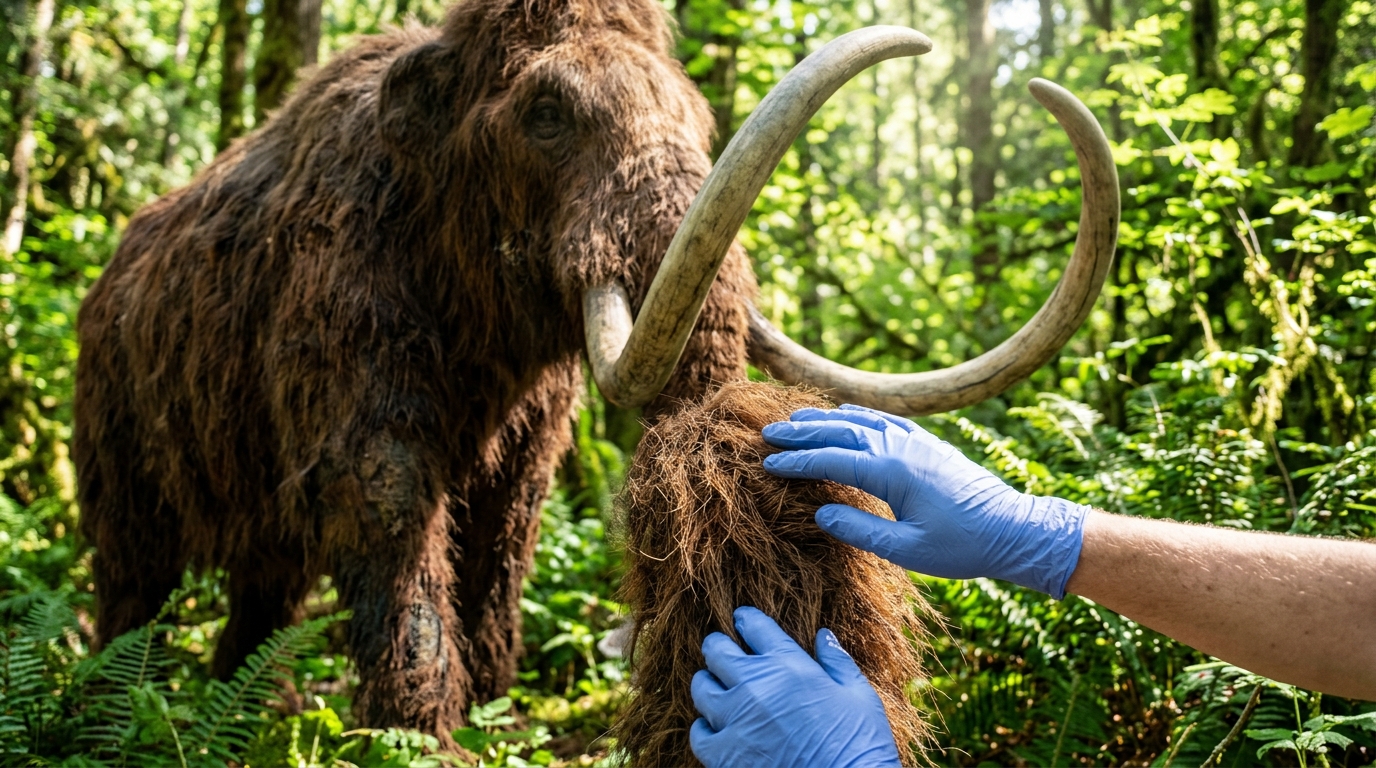
Imagine standing in a modern forest and hearing the call of a bird that hasn’t been heard for a century, or watching a mammoth-like creature roam the frozen tundra. As genetic engineering moves from the realm of science fiction into reality, you are now witnessing a pivotal moment where the ethics of de-extinction have become a practical necessity rather than a theoretical debate. You might wonder if we are playing a dangerous game with nature or finally taking responsibility for the species we pushed to the brink of collapse.
While the prospect of reviving the dodo or the thylacine is undeniably exciting, it forces you to confront deep questions about our moral obligations and the integrity of our current ecosystems. You must weigh the potential for restorative justice against the risks of introducing proxy species into a world that has moved on without them. Navigating these challenges requires a careful balance between your sense of wonder and a regex commitment to animal welfare and ecological stability.
Key Takeaways
- De-extinction serves as a form of restorative justice, allowing humanity to rectify past ecological harms by returning keystone species to their rightful roles within broken biological chains.
- Resurrected species act as vital tools for ecological engineering, such as using mammoth-like hybrids to preserve Arctic permafrost and stabilize collapsing biomes against climate change.
- The possibility of reversing extinction creates a ‘moral hazard’ that may undermine traditional conservation efforts by fostering a false sense of security regarding habitat destruction.
- The pursuit of de-extinction must be balanced against significant animal welfare concerns, including the physical toll on surrogate mothers and the psychological isolation of social animals born into a world without their own kind.
Restorative Justice And Our Moral Debt
You might feel a deep sense of unease when considering how human activity has scrubbed unique life forms like the thylacine or dodo from the face of the Earth. This perspective shifts the conversation from scientific curiosity to a matter of restorative justice, suggesting that we carry a profound moral debt to the species we pushed into oblivion. By using genetic engineering to bring these animals back, you are participating in a form of ecological restitution that seeks to balance the scales. It is not just about the thrill of the technology, but rather an attempt to rectify past wrongs committed by our ancestors. This approach views de-extinction as a necessary apology to the natural world for the biodiversity we have historically dismantled.
When you think about the loss of a keystone species, you are really looking at a broken link in a complex biological chain. Returning a lost animal to its rightful place is about more than just the individual creature, as it involves restoring the specific ecological niche that has remained empty for decades or centuries. You can imagine the revival of these species as a way to jumpstart stalled ecosystems, allowing nature to regain its original resilience and functionality. This responsibility falls on your shoulders as a member of the only species capable of performing such a feat of recovery. Taking this step signifies a commitment to global stewardship and a recognition that our power to destroy must be matched by our will to heal.
Choosing to pursue de-extinction requires you to weigh the risks of intervention against the ethical cost of doing nothing while we possess the tools to help. You are working toward a goal where the intent is to return what was stolen, ensuring that future generations can experience a world that is more complete and vibrant. This moral obligation extends beyond mere sentimentality, as it challenges you to consider the long term health of our planet. By viewing biotechnology as a tool for justice, you transform scientific advancement into a vehicle for environmental healing. Ultimately, this journey is about acknowledging our impact on the biosphere and taking active steps to restore the natural heritage that was lost on our watch.
Ecological Engineering And The Climate Mandate
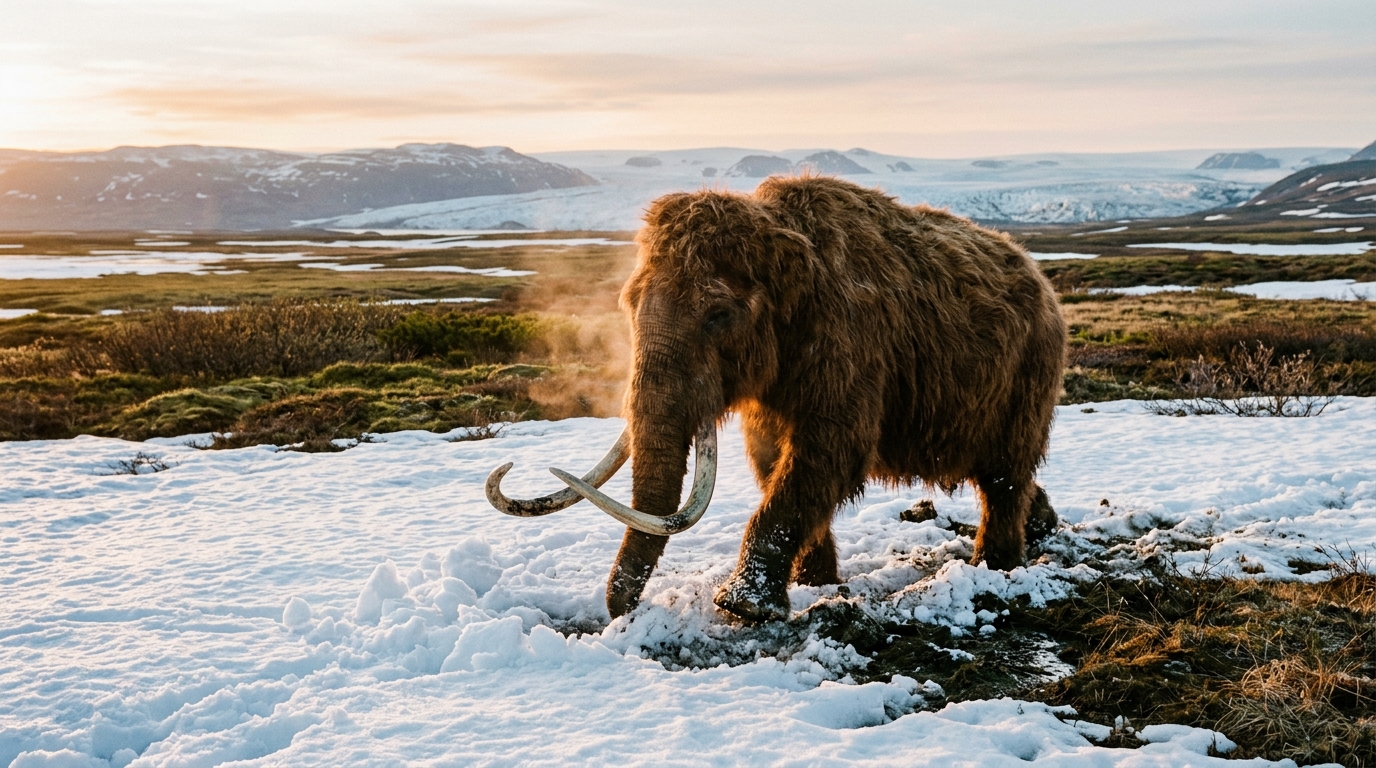
The conversation around de-extinction has moved far beyond simple nostalgia and into the realm of proactive ecological engineering. You are now looking at a future where resurrected species act as sophisticated biological tools designed to address our most pressing climate emergencies. For instance, the reintroduction of mammoth-like hybrids into the Arctic is not just about bringing back a majestic giant, but about leveraging their natural behaviors to preserve Arctic permafrost. By trampling insulating snow and knocking down dark trees, these animals could help keep the ground frozen and prevent the massive release of greenhouse gases. This shift in perspective transforms the animal from a scientific curiosity into a vital partner in our global climate mandate.
When you consider the moral responsibility humans have toward the environment, the case for de-extinction becomes a matter of restorative justice. You are essentially exploring whether we have a moral duty toward nature to use every technological tool at our disposal to fix the ecosystems we have previously disrupted. This proactive ethical stance suggests that if we have the power to stabilize a collapsing biome through genetic intervention, failing to act might be more irresponsible than moving forward. It positions humanity as a conscious steward of the planet, using advanced biotechnology to fill empty ecological niches that were lost due to human activity. You are witnessing a transition from passive conservation to an active, science-based restoration of the natural world.
This new era of environmental ethics asks you to weigh the potential risks of introducing engineered species against the certain catastrophe of unchecked climate change. While you might feel a natural hesitation about altering nature, the urgency of the climate crisis often demands bold and innovative solutions. You are encouraged to think of these resurrected species as functional components of a larger, healthier planetary system rather than just individual animals. By focusing on the ecological services these creatures provide, you can appreciate the profound connection between high-tech genetic engineering and the ancient, natural cycles of the Earth. This approach ensures that the pursuit of de-extinction remains grounded in a commitment to long-term environmental sustainability and planetary health.
The Moral Hazard Of Reversibility
You might find yourself wondering if the promise of biotechnology acts as a safety net that actually makes us more reckless with the planet. This concept, known as moral hazard, suggests that when you believe a loss is reversible, you are less likely to take the necessary precautions to prevent that loss in the first place. If you knew that any species pushed to the brink could simply be edited back into existence, your motivation to support difficult or expensive conservation efforts might start to fade. The danger is that de-extinction could become a convenient excuse for industrial expansion or habitat destruction. You must consider whether the undo button of genetic engineering creates a false sense of security that undermines the urgency of protecting our remaining wild spaces.
The integrity of an ecosystem relies on more than just the presence of a specific animal, as it involves a complex web of relationships built over millennia. When you focus solely on the high tech revival of a single species, you might overlook the fact that the original habitat that sustained them has likely vanished or changed. Reintroducing a lab grown creature into a degraded environment does not magically restore the ecological balance that was lost. You should ask yourself if our limited resources are better spent on these complex scientific feats or on the proven methods of land preservation. True environmental stewardship requires you to value the continuity of life rather than relying on a digital backup that may never truly fit back into the natural world.
The shift in your perspective from prevention to restoration carries a heavy ethical weight that goes beyond mere biology. If you begin to view extinction as a temporary setback rather than a permanent tragedy, the intrinsic value of unique, irreplaceable life forms could be diminished in your eyes. This technological optimism might lead to a world where we tolerate higher rates of biodiversity loss because we assume science will eventually provide a solution. You are challenged to maintain a rigorous commitment to conservation even as these new tools become available to us. Ultimately, the most responsible path is to ensure that the ability to resurrect the past never becomes a justification for neglecting the fragile beauty of the present.
Animal Welfare And Surrogate Suffering
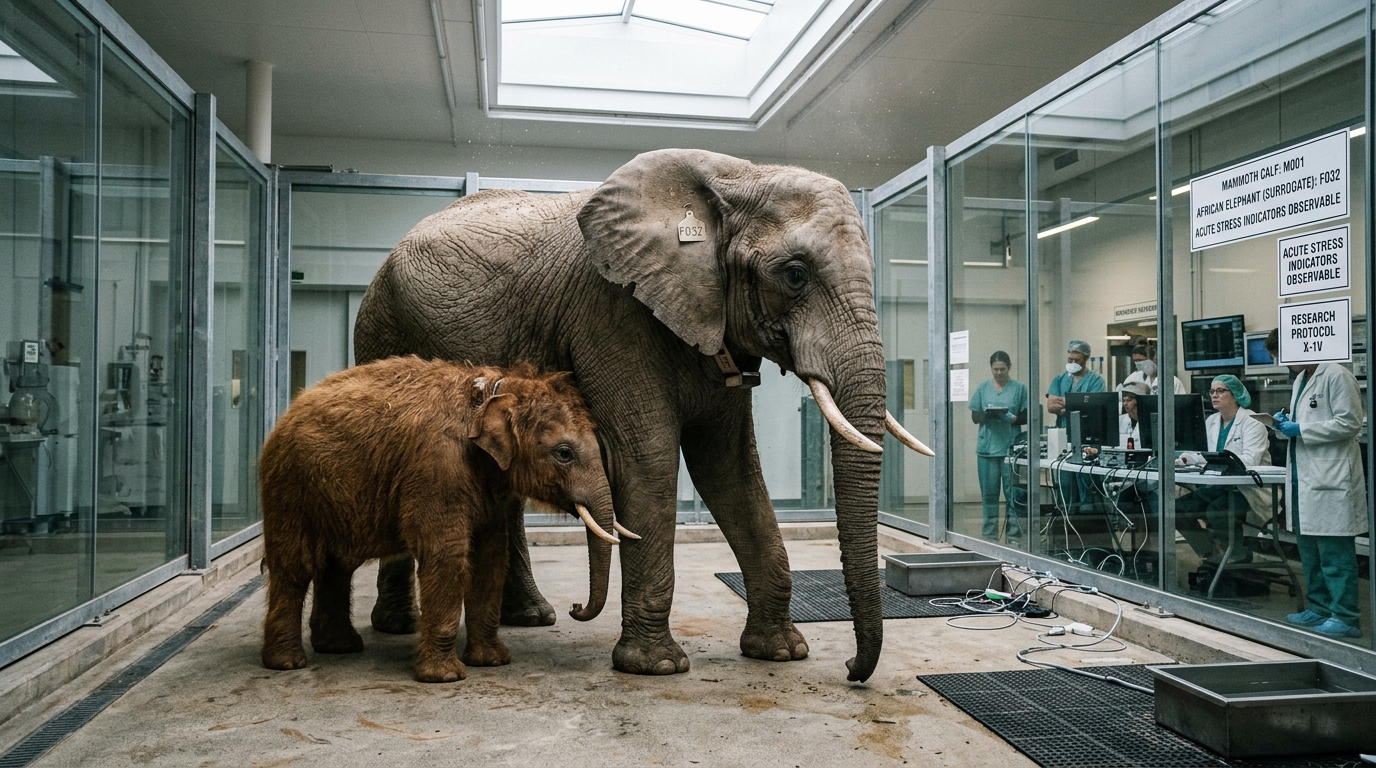
You must consider the hidden physical toll that de-extinction places on the living animals required to act as biological bridges. To bring a woolly mammoth back to life, scientists must implant engineered embryos into surrogate mothers, subjecting these sensitive creatures to invasive procedures and high risk pregnancies. You should reflect on the potential for physiological stress or even physical trauma when a mother carries a hybrid fetus that may not perfectly match her own biology. This surrogate suffering represents a significant moral cost, as you are essentially using a sentient, endangered individual as a mere means to an end. We have a profound responsibility to ensure that our pursuit of scientific restoration does not come at the expense of the well being of these modern maternal hosts.
Beyond the physical birth, you have to grapple with the psychological isolation that a resurrected individual might face in a laboratory setting. Animals like the passenger pigeon or the thylacine were highly social creatures that relied on learned behaviors and complex group dynamics to thrive. If you successfully hatch or birth one of these animals today, it will grow up without a natural herd or flock to teach it how to communicate, forage, or mate. This creates a unique form of social displacement where the animal exists as a biological specimen but remains an ecological and social orphan. You are effectively creating a sentient being that may never experience a sense of belonging, raising deep questions about the quality of life we owe to the species we choose to revive.
When you weigh these factors, the moral responsibility humans have toward the environment becomes much more personal and immediate. It is not just about the grand goal of fixing a broken ecosystem, but about the specific lives of the individuals involved in the process. You must decide if the ecological benefits of a revived species outweigh the predictable distress of surrogate mothers and the loneliness of lab grown pioneers. This ethical balancing act requires you to look past the excitement of biotechnology and focus on the lived experience of the animals themselves. True environmental stewardship involves a commitment to the welfare of every creature, whether they are the first of a new generation or the last of an old one.
Balancing Ambition With Ecological Stewardship
As you look toward a future where extinct species might once again roam the earth, you must recognize that scientific capability is only one half of the equation. True progress in this field requires you to balance a bold sense of ambition with a profound sense of humility regarding our role as stewards of the planet. It is not enough to simply master the genetic code if we do not also cultivate a deep respect for the complex ecosystems these animals once inhabited. You are witnessing a shift where the focus moves from the spectacle of resurrection to the long term responsibility of maintaining biological integrity. By approaching these advancements with a cautious heart, you ensure that innovation serves the environment rather than just our own curiosity.
The moral weight of de-extinction rests on your willingness to prioritize the health of our remaining wild spaces over the thrill of a technological breakthrough. Bringing a species back into a world that no longer has room for it would be a disservice to both the animal and the existing environment. You should consider how these resurrected beings will fit into modern habitats without disrupting the delicate balance that current species have fought to maintain. This process demands a commitment to restoration that spans decades, requiring you to think far beyond the initial success of a laboratory birth. Protecting the integrity of the wild means ensuring that every step we take is rooted in a desire to heal the earth. Shifting our perspective toward valuing all living things is essential for creating a sustainable future.
Ultimately, your engagement with these ethical questions helps define the relationship between humanity and the natural world for generations to come. You have the opportunity to advocate for a framework that values ecological function and animal welfare above all else. This journey is about more than just correcting past mistakes, as it is also about building a sustainable future where technology and nature coexist in harmony. As you follow these scientific milestones, remember that the true measure of success lies in our ability to protect the wildness that remains. Your thoughtful perspective is essential in navigating this new frontier with the wisdom and care it deserves. By examining the philosophical frameworks of our actions, we can better understand the weight of our choices. We must be careful not to let individual self-interest drive the depletion of our shared biological heritage. This evolution in thought reflects our shift toward biocentrism as we redefine our relationship with all life forms.
Frequently Asked Questions
1. What exactly is meant by restorative justice in the context of de-extinction?
Restorative justice is the idea that you have a moral obligation to repair the damage humans have caused to the natural world. By reviving species that were driven to extinction by human activity, you are attempting to settle a historical debt and return a lost piece of biological heritage to the planet.
2. Are these revived animals identical to the original species?
You should understand that these animals are technically proxy species rather than exact clones. Scientists use the genetic blueprints of extinct animals to modify the DNA of their closest living relatives, creating a creature that looks and functions like the original even if it is not a perfect genetic match.
3. Could bringing back extinct species harm our current ecosystems?
You must consider that modern ecosystems have evolved and changed significantly since these species disappeared. Introducing a proxy species could disrupt existing food chains or introduce new competition for resources, which requires you to prioritize ecological stability and rigorous risk assessment before any release.
4. How does de-extinction impact the welfare of the animals involved?
Animal welfare is a primary ethical concern because you are creating sentient beings that may not have a natural social structure or habitat. You have a responsibility to ensure these creatures live healthy, meaningful lives and are not treated merely as scientific curiosities or laboratory experiments.
5. Why should you focus on de-extinction instead of protecting endangered species?
This is a vital question of resource allocation where you must balance the thrill of revival with the urgent need to save living species. While de-extinction offers a way to restore lost roles, it should never serve as a distraction from the critical work of preserving the biodiversity that still exists today.
6. What is a keystone species and why does it matter for this process?
A keystone species is an organism that holds an entire ecosystem together, much like the central stone in an arch. When you bring back a keystone species, you are not just reviving one animal, you are potentially restoring a functional link that helps an entire habitat thrive and regain its natural balance.