

Think about the last time you used a tool that felt perfectly balanced in your hand or sat in a chair that seemed to anticipate the curve of your spine. You likely found these objects beautiful, not because of superficial decoration, but because they worked exactly as they should. This intuitive connection between utility and grace is the heart of aesthetic functionalism theory, a philosophy suggesting that an object’s true beauty is born from its efficiency. When a design prioritizes its purpose, the resulting form becomes an honest expression of its intent rather than a mere visual distraction.
By shifting your perspective from what an object looks like to what it actually does, you begin to see elegance in a well-engineered engine or a minimalist workspace. This normative approach challenges you to view beauty as a standard of performance rather than a separate layer of paint or polish. Instead of treating art and utility as opposing forces, you can appreciate how a deep commitment to function creates a unique kind of visual harmony. When form follows function with total precision, the result is a sophisticated marriage of logic and art that resonates on a practical level.
Key Takeaways
- True beauty is born from efficiency, where an object’s form serves as an honest expression of its practical purpose rather than a platform for superficial decoration.
- An object’s aesthetic value is inextricably linked to its performance; if a design fails to fulfill its intended function, it cannot be considered truly beautiful.
- Modern design requires active engagement, meaning an object’s elegance is fully realized only when a user interacts with its utility and logical structure.
- Prioritizing functionalist rigor in personal environments eliminates visual noise and creates a sense of harmony by ensuring every item earns its place through craftsmanship and utility.
The Functionalist Thesis And Form Following Function
You might often look at a sleek piece of furniture or a modern building and wonder why its simplicity feels so satisfying to the eye. This sensation is the heart of aesthetic functionalism theory, suggesting that an object’s beauty is not a decorative mask but is actually born from its practical efficiency. When you observe a tool or a structure that performs its task perfectly, its visual appeal stems directly from that success rather than from any added ornaments. You are essentially recognizing the harmony between what an item is meant to do and how it looks while doing it. This perspective invites you to find elegance in the way a chair supports your back or how a bridge spans a gap with minimal waste.
By embracing the idea that form follows function, you shift your focus from superficial style to a deeper kind of normative excellence. This means that an object’s status as a beautiful work is tied to how well it fulfills its specific purpose in the world. Unlike other theories that focus only on abstract colors or shapes, functionalism asks you to consider the intent behind the design as a key part of its aesthetic value. You begin to see that a well-designed object is not just a tool with a pretty coat of paint, but a unified expression of utility. This approach provides you with a rigorous framework to appreciate the everyday items in your life as meaningful pieces of functional art.
Why Functionalism Challenges Purely Visual Formalism
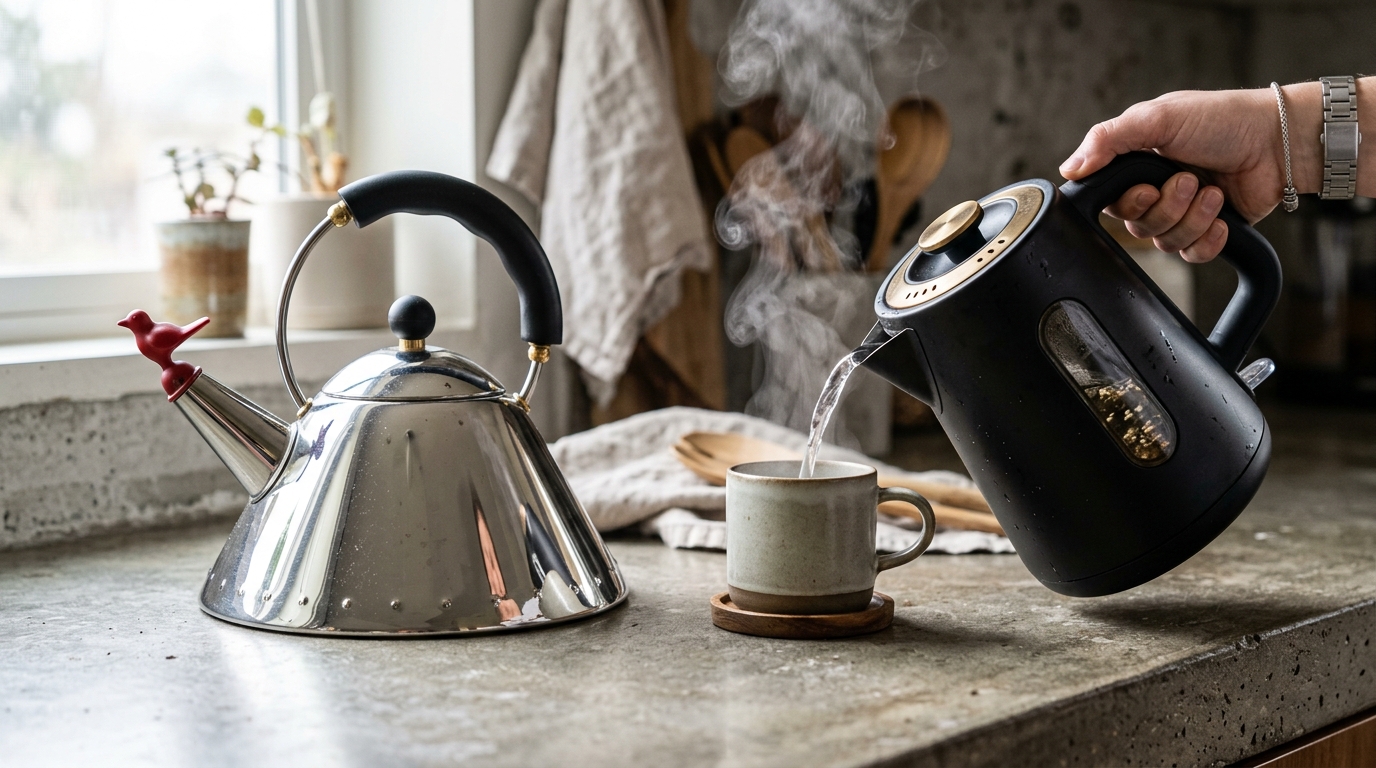
When you look at a beautifully designed building or a sleek kitchen tool, you might instinctively focus on its colors and shapes, but aesthetic functionalism asks you to look deeper. Pure formalism suggests that beauty is merely skin deep, existing only in the visual arrangement of lines and textures. However, this theory argues that you cannot truly appreciate an object’s beauty without first understanding what it is meant to do. By shifting your perspective, you begin to see that a chair is not just a sculpture of wood and fabric, but a purposeful tool designed for human comfort. This approach transforms your role from a passive observer into an active participant who values how a design performs in the real world.
Judging an object solely by its outward appearance often leads to a hollow appreciation that ignores the intelligence behind the design. If a stunningly minimalist teapot spills boiling water every time you pour it, aesthetic functionalism suggests that the object has failed to be truly beautiful. You learn to recognize that visual elegance is most meaningful when it emerges naturally from the object’s efficiency and utility. This perspective encourages you to seek out a harmony where form follows function, ensuring that every curve and material choice serves a specific goal. Ultimately, you gain a more rigorous way to evaluate the world around you, moving beyond superficial trends to find lasting value in purposeful design.
Modern Aesthetic Engagement And Interactive Design
The line between a tool and a masterpiece is becoming increasingly blurred through interactive design. Modern aesthetic functionalism suggests that an object is truly beautiful only when you actively participate in its utility. This means that the elegance of a digital interface or a piece of smart furniture is not just in how it looks, but in how it invites you to touch, swipe, or move. You become a vital component of the design process because the object’s purpose remains incomplete without your physical or cognitive input. This shift moves beyond the traditional idea of form following function by making your personal engagement the primary driver of aesthetic value.
As you explore contemporary architecture and product design, you will see that fulfilling a function now requires you to appreciate the artistic logic behind the object. For instance, a sustainable building might use complex geometric patterns to regulate temperature, forcing you to admire the visual rhythm while you enjoy the climate control. When you interact with these designs, you are not just a passive user but an active participant in a functional performance. This level of engagement ensures that the beauty you perceive is deeply rooted in the practical success of the item. By requiring your attention and interaction, these objects elevate everyday tasks into moments of genuine artistic appreciation.
You can apply this philosophical rigor to your own surroundings by looking for items that prioritize this interactive harmony. A well-designed tool should feel intuitive, yet its visual layout should guide your hands and eyes in a way that feels intentional and rewarding. This modern update to functionalism proves that utility is not a boring necessity but a gateway to a deeper aesthetic experience. When an object demands your engagement to work effectively, it bridges the gap between high art and daily life. You are essentially living within a functional gallery where every interaction reinforces the bond between matter and form.
Applying Functionalist Rigor To Your Personal Environment

Applying the principles of aesthetic functionalism to your home allows you to transform your living space into a curated gallery of intentional living. Instead of viewing decor as a superficial layer of prettiness added to a room, you can begin to see beauty as a direct result of an object’s efficiency. When you select a dining table or a reading lamp, ask yourself if its physical form serves its primary purpose with absolute clarity. In this framework, a bookshelf is not just a storage unit with a nice finish, but a masterpiece of structural integrity that honors the weight and accessibility of your library. By demanding that every item earns its place through utility, you eliminate the visual noise of purposeless clutter.
Adopting this normative standard means you are no longer choosing between style and substance, as the two become fundamentally inseparable. You might find that a high-quality kitchen knife or a well-engineered ergonomic chair possesses a profound elegance that ornamental trinkets simply cannot match. This shift in perspective encourages you to invest in craftsmanship and thoughtful engineering rather than fleeting trends. As you refine your environment, you will notice that objects which perform their tasks seamlessly create a sense of harmony and calm. Your home becomes a reflection of philosophical rigor, where the elegance of a tool is found in the quiet perfection of its performance.
Finding the Elegant Balance of Purpose
Embracing aesthetic functionalism transforms the way you interact with the world by teaching you to see beauty as a product of purpose rather than a superficial addition. When you stop viewing style and utility as competing forces, you begin to appreciate the profound elegance found in a perfectly balanced tool or a thoughtfully structured building. This mindset encourages you to look past mere decoration to find intellectual satisfaction in how an object solves a specific problem. You realize that true visual harmony often stems from the efficiency and honesty of a design that does not try to hide its intent. By valuing the relationship between form and function, you cultivate a more disciplined and rewarding eye for the environments you inhabit.
Integrating this philosophy into your daily life allows you to make more intentional choices about the objects you bring into your home and workspace. You gain a deeper sense of fulfillment when the items you use everyday perform their tasks with grace while maintaining a high standard of craftsmanship. This perspective shifts your focus from fleeting trends toward timeless designs that stand the test of time because they are built to work. You no longer have to choose between a beautiful space and a practical one since you understand that excellence in one area naturally informs the other. Ultimately, finding beauty in utility provides a sense of clarity and order that enriches your visual experience and sharpens your appreciation for thoughtful engineering. While some might ask does art merely imitate life, functionalism proves that art can also be the very engine that powers it.
Frequently Asked Questions
1. What exactly is aesthetic functionalism?
Aesthetic functionalism is the philosophy that an object’s beauty is derived directly from its utility and practical efficiency. You can see this when a design prioritizes its core purpose, creating a form that is an honest expression of its intent rather than a platform for superficial decoration.
2. Does this theory suggest that decorative items cannot be beautiful?
Not at all, but it shifts your standard of beauty toward performance and logical harmony. You are encouraged to view beauty as a standard of excellence in function, where the most elegant solutions are those that solve a problem with precision and minimal waste.
3. How does the ‘form follows function’ rule apply to my daily life?
You likely experience this rule whenever you use a tool that feels perfectly balanced or sit in a chair that anticipates the curve of your spine. When you prioritize how an object works, the resulting visual simplicity often feels more satisfying and sophisticated than unnecessary ornamentation.
4. Why does a minimalist workspace often feel more ‘beautiful’ than a cluttered one?
A minimalist workspace resonates because its form is stripped down to support your productivity without distraction. You are responding to the visual harmony created when every element in your environment serves a specific, practical goal.
5. Can a piece of heavy machinery be considered art under this theory?
Yes, because aesthetic functionalism allows you to find elegance in a well-engineered engine or a complex bridge. If the machine performs its task with total precision and efficiency, its form becomes a sophisticated marriage of logic and art.
6. Is aesthetic functionalism just another word for modernism?
While they share similarities, aesthetic functionalism is a specific normative approach that asks you to judge an object’s merit based on its success in its intended role. It positions you as a mindful observer who recognizes that true grace is born from an object doing exactly what it should do. This study of beauty is one of the many branches of philosophy that help us navigate the complexities of our physical and intellectual world.