
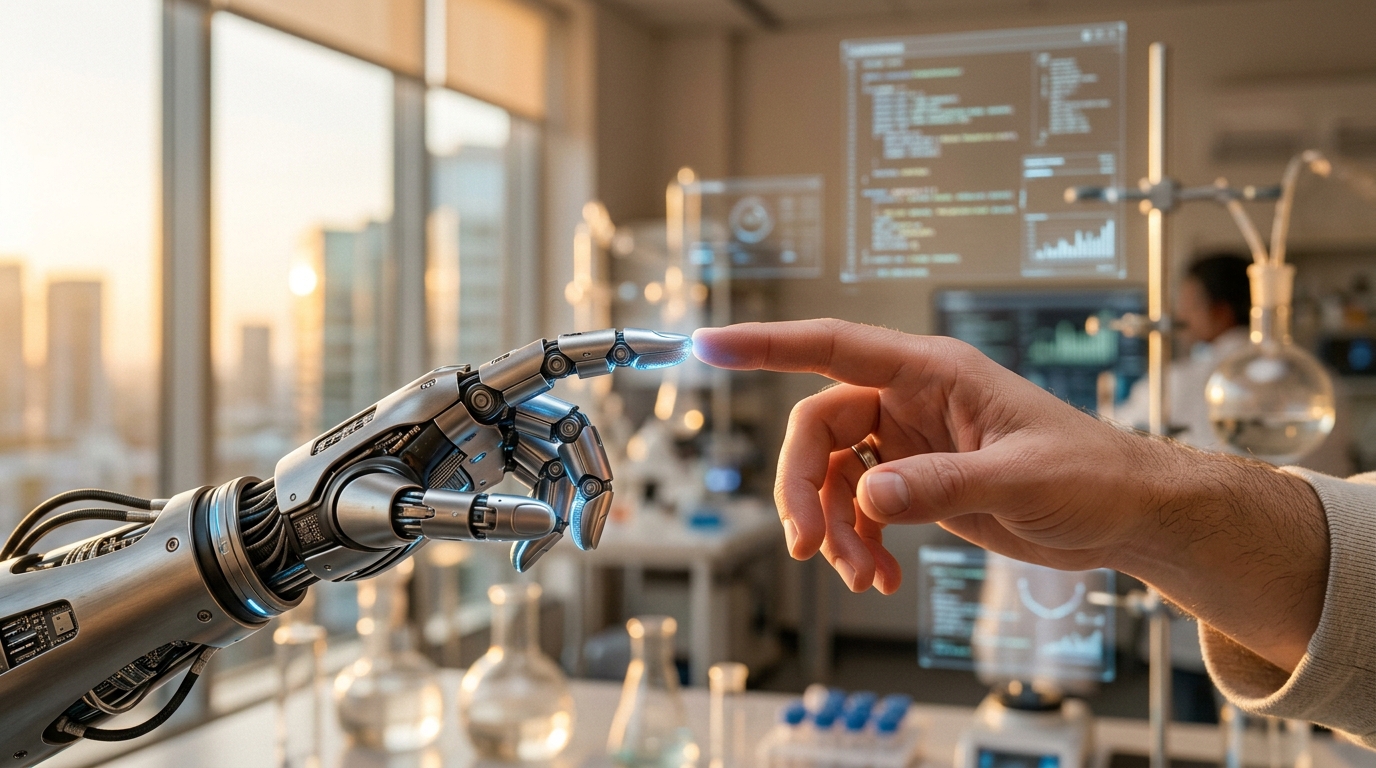
Imagine waking up to a world where a neural implant sharpens your focus and genetic therapies have effectively paused your aging process. This is no longer a scene from a sci-fi novel; it is the reality of 2026, where brain-computer interfaces and CRISPR treatments are becoming common. Navigating this new frontier requires more than just technical savvy, which is why this transhumanism ethics guide is designed to help you weigh the profound moral implications of upgrading the human experience.
You are no longer just a bystander in evolution, but an active participant facing a choice between radical enhancement and the preservation of our natural biological essence. While some view these advancements as a moral obligation to end suffering, others worry about what we might lose when we move toward a posthuman future. Understanding these frameworks allows you to approach the symbiosis of man and machine with intellectual rigor and personal clarity.
Key Takeaways
- The transition to a posthuman era requires a balance between morphological freedom—the right to upgrade one’s body—and the preservation of human dignity rooted in our natural biological constraints.
- Societies must implement regulatory frameworks to democratize access to enhancement technologies like CRISPR and brain-computer interfaces to prevent the creation of a permanent biological caste system.
- Cognitive liberty and neural privacy must be established as fundamental rights to protect the sanctity of the mind from unauthorized data harvesting and external manipulation.
- Modern transhumanism requires a synthesis of technology and ethics that views evolution as a tool for empowerment rather than a means to abandon the essential qualities of the human spirit.
Balancing Human Dignity with Morphological Freedom
You are currently standing at a crossroads where the definition of humanity is shifting from a fixed biological inheritance to a customizable choice. On one side, bioconservative thinkers argue that our finitude, including our aging and physical limitations, provides the necessary structure for human dignity and meaningful life experiences. They worry that by abandoning our natural constraints, we risk losing the essential essence that makes our struggles and triumphs authentically human. You might find yourself wondering if a life without the shared vulnerability of the human condition would still feel like yours, or if it would become something unrecognizable.
On the other side of this debate is the concept of morphological freedom, which posits that you have an inherent moral right to modify your body and mind as you see fit. Technological upgrades are viewed as the next logical step in our evolution, suggesting that we should not be held hostage by the genetic lottery. From brain-computer interfaces that expand your cognitive reach to genetic edits that eliminate hereditary diseases, these tools are seen as instruments of liberation. This perspective suggests that true dignity comes from the autonomy to transcend your biological limits rather than being forced to submit to them.
Navigating this tension requires you to consider how we can embrace transformative technologies without creating a fundamental rift in the human experience. As these enhancements move from theory into commercial reality, the challenge lies in ensuring that the right to upgrade does not become a social obligation or a source of deep inequality. You are part of a generation that must decide if our humanity is defined by our biological roots or by our capacity for self-directed growth. Balancing these competing values will determine how we integrate with technology while still honoring the inherent worth of every individual, regardless of their level of enhancement.
Socioeconomic Disparity and the Genetic Divide

The prospect of human enhancement offers a breathtaking vision of our future, but you must consider the stark reality of how these technologies might be distributed across our current social structures. If access to CRISPR gene editing and high-bandwidth brain-computer interfaces becomes a luxury reserved for the wealthy, we risk more than just a wealth gap. You are looking at the potential for a biological caste system where one segment of society evolves into a cognitively and physically superior class while others remain tethered to their natural limitations. This scenario moves beyond traditional inequality because it threatens to hardwire privilege into our very genetic code, making social mobility an anatomical impossibility rather than a financial challenge.
As these enhancements become more sophisticated, the ethical stakes shift from simple fairness to the possibility of speciation. Imagine a world where the enhanced and the unenhanced no longer share the same sensory experiences, cognitive speeds, or even basic biological needs. You might see a society where the two groups can no longer relate to one another on a fundamental human level, leading to a profound sense of “othering” that could destabilize global peace. This divide would not just be a matter of better tools or faster computers, but a permanent divergence in the evolutionary path of our species. Exploring the deep connection between subjective consciousness and physical brain processes is essential as we navigate the mind-body problem in an era of technological integration.
Navigating this transition requires you to think critically about how we can democratize access to transformative tech before the gap becomes unbridgeable. If we allow the commercial market to be the sole arbiter of who gets upgraded, we are essentially voting for a future of biological castes. You have a role in demanding regulatory frameworks that treat cognitive and genetic enhancements as universal rights or public utilities rather than exclusive commodities. By prioritizing equitable distribution now, you help ensure that the transition to a posthuman era elevates the entire human family rather than leaving a significant portion of humanity behind.
Neural Privacy and the Ethics of Consciousness
As you consider the future of your own mind, the concept of cognitive liberty becomes more than just a philosophical idea. With the rise of commercial brain-computer interfaces, your most private thoughts and subconscious impulses are no longer locked away in a biological vault. These devices can translate neural activity into digital data, creating a map of your consciousness that external entities could potentially access or influence. You must decide where the boundary lies between helpful technology and the sanctity of your inner self. Protecting your mental privacy is the first step in ensuring that your evolution remains under your own control.
The ethical stakes rise significantly when you realize that neural data is far more intimate than your browsing history or location tracking. This information can reveal your emotions, health status, and even your unspoken intentions before you are fully aware of them yourself. Without robust ethical frameworks, you might find your cognitive processes being commodified or manipulated. You deserve a future where technology enhances your capabilities without compromising the fundamental right to think for yourself. Establishing clear rules for neural consent is essential to maintaining your autonomy as we merge with digital systems.
Navigating this new era of human evolution requires you to think critically about who owns the data generated by your brain. If a third party holds the keys to your neural patterns, the very essence of what makes you an individual could be at risk. You should advocate for transparency and strict regulations that prevent the unauthorized harvesting of mental states. By prioritizing ethical consciousness, you help build a world where transhumanism serves as a tool for empowerment rather than a means of surveillance. Your journey toward posthumanism should be defined by personal growth and the preservation of your unique mental identity.
Theology Meets Technology in Posthuman Evolution
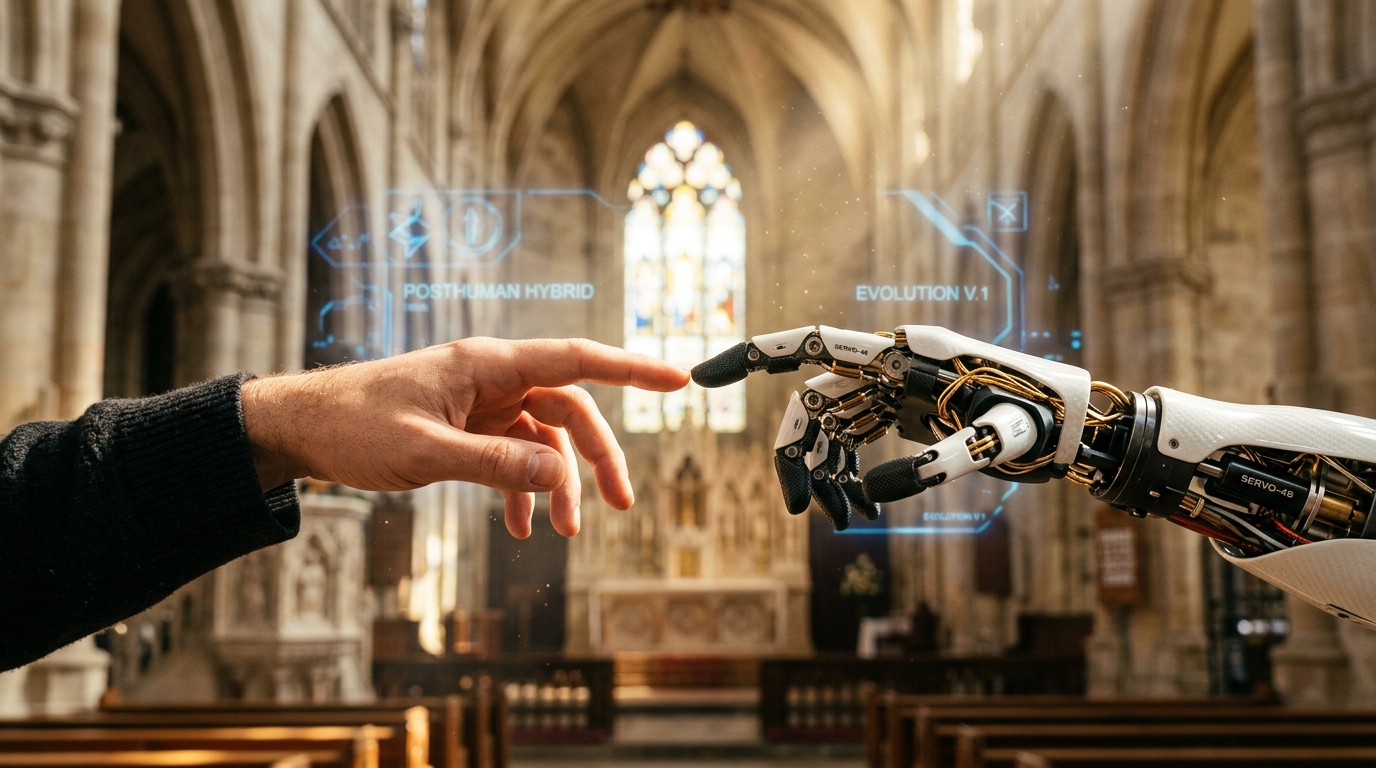
The release of recent theological frameworks has fundamentally shifted how you might view the intersection of faith and silicon. These perspectives move the conversation beyond simple rejection of technology, instead proposing a framework where spiritual dignity must coexist with biological enhancement. You are now seeing global policy reflect this middle ground, focusing on whether an upgrade preserves or diminishes the soul. By framing human essence as something more than just genetic code, these spiritual perspectives challenge you to consider what remains of your humanity when your physical limitations are stripped away.
As you navigate this transition, you will notice that the debate has moved from the laboratory to the sanctuary and the senate floor. Policy makers are increasingly looking to theological concepts to define the boundaries of posthuman evolution. This means that your future choices regarding neural implants or genetic editing are no longer just medical decisions, but profound statements on your personal philosophy. The goal of international regulation is now to ensure that as you reach for posthuman capabilities, you do not accidentally sacrifice the intrinsic qualities that make your consciousness unique.
This synthesis of theology and technology invites you to participate in a global dialogue about the sanctity of the human experience. You are witness to a historic moment where ancient wisdom is being used to calibrate the most advanced tools ever created. Instead of seeing technology as a threat to the spirit, these new frameworks encourage you to view evolution as a shared responsibility. By integrating these spiritual insights into legal standards, society aims to protect your essential nature while allowing for the responsible expansion of your potential.
Your Role in Shaping Tomorrow’s Humanity
As you stand at the threshold of this new evolutionary chapter, your role is not just that of an observer but of a conscious architect. The integration of neural implants and genetic refinements offers a profound opportunity to alleviate chronic suffering and expand the horizons of human potential. You have the power to advocate for a future where these advancements are used to bridge gaps rather than create new social divides. By remaining informed and engaged, you ensure that the drive for enhancement is always balanced by a commitment to equity and compassion.
Preserving the core of our shared humanity requires you to think deeply about the qualities that make life meaningful, such as empathy, creativity, and our connection to one another. While technology can grant us longer lives and sharper minds, it is the intentionality behind those tools that will define our legacy as a species. You must challenge the notion that progress requires the abandonment of our biological essence or our ethical foundations. By prioritizing human dignity in every technological leap, you help cultivate a world where we do not just survive longer, but live more deeply.
The journey toward a posthuman future is a collective endeavor that demands your unique perspective and moral courage. As brain-computer interfaces and longevity therapies become more common, your voice will be essential in shaping the regulatory frameworks that govern their use. You are part of a global conversation that seeks to harmonize our biological heritage with our digital aspirations. By focusing on technology as a servant to the human spirit, you contribute to a vision of evolution that is both radical and profoundly rooted in our best values.
Frequently Asked Questions
1. What exactly is morphological freedom and how does it affect you?
Morphological freedom is your inherent moral right to modify your body and mind using available technologies. It empowers you to treat your biological form as a customizable choice rather than a fixed inheritance, allowing you to design an existence that aligns with your personal values.
2. Does enhancing your body through technology diminish your human dignity?
This is a central debate where bioconservatives argue that our natural limitations and vulnerabilities provide the necessary structure for a meaningful life. You must weigh whether overcoming these constraints through technology enriches your experience or strips away the essential essence that makes your triumphs authentically human.
3. Are transhumanist technologies like CRISPR and neural implants safe for everyday use?
While these technologies are becoming common in the current year, they require careful ethical navigation and technical understanding. You should approach these advancements with intellectual rigor, balancing the potential to end suffering against the long-term risks of radical biological alteration.
4. How do you choose between radical enhancement and preserving your biological essence?
Deciding your path involves reflecting on whether you view technological upgrades as a moral obligation to improve the human condition or a threat to our natural identity. You are an active participant in evolution, and this guide helps you find personal clarity by exploring the frameworks of both transhumanist and bioconservative thought.
5. What are the moral implications of pausing the aging process with genetic therapy?
Extending your lifespan indefinitely challenges traditional views on the cycle of life and the value of time. You need to consider if a life without the natural boundary of aging changes your motivations and how it might impact the social fabric of a posthuman future.
6. Why is an ethics guide necessary for navigating brain-computer interfaces?
As the line between man and machine blurs, you face complex questions about privacy, autonomy, and what it means to have an authentic thought. This guide provides the professional depth you need to ensure that your symbiosis with technology enhances your life without compromising your personal agency.