

When you think about the human experience, you likely consider your body and mind to be the primary lenses through which you interact with the world. However, the philosophy of disability challenges you to look deeper, moving beyond biological traits to examine how society, technology, and justice shape what it means to be strongable.strong By shifting your perspective from a medical deficit to a complex social identity, you can begin to see how the world around you either opens doors or builds invisible walls.
Understanding these frameworks is more than just an academic exercise; it is a way for you to rethink your own relationship with the spaces you inhabit and the rights you deserve. Whether you are navigating the nuances of the social model or exploring the human rights approach, you are engaging with a field that prioritizes dignity and inclusion. This exploration into contemporary thought helps you decode the political and ethical structures that define our shared humanity.
Key Takeaways
- Disability is a social construct created by environmental and design barriers rather than a medical deficit that requires a biological cure.
- Viewing disability as a ‘mere difference’ rather than a ‘bad difference’ frames it as a neutral variation of the human experience, comparable to being left-handed or having red hair.
- The human rights model shifts the focus from charity to justice, establishing dignity, autonomy, and accessibility as fundamental rights that society is ethically obligated to protect.
- Emerging biotechnologies must be guided by a philosophy that prioritizes human variation and personal agency over the pressure to conform to standardized ideals of productivity.
From Medical Deficits To Social Barriers
When you think about disability, you might initially picture a medical chart or a biological puzzle that needs to be solved. This traditional medical model suggests that the problem resides entirely within an individual body or mind that deviates from a perceived norm. By framing disability as a deficit to be cured, society often places the burden of adaptation solely on your shoulders. However, shifting your perspective allows you to see that normalcy is often a narrow social construct rather than a universal biological truth. This evolution in thought invites you to question who our world was actually built for and why certain bodies are prioritized over others.
The social model of disability offers a radical departure by distinguishing your physical or cognitive traits from the barriers created by your environment. In this framework, you are not disabled by your impairment, but rather by a world that refuses to accommodate your specific way of being. Imagine a building without a ramp or a website that is not screen-reader compatible; in these cases, it is the design of the space that creates the disability. By identifying these external obstacles, you can begin to see disability as a matter of social justice rather than a medical tragedy. This shift empowers you to demand systemic changes that foster true inclusivity within our political and ethical structures.
As you explore these philosophical shifts, you realize that defining what is normal is a deeply political act that affects your direct experience of the world. Moving toward a human rights model ensures that your dignity and autonomy are respected as fundamental rights rather than charitable afterthoughts. This rigorous intellectual approach helps you dismantle the idea that some lives are inherently less valuable because they function differently. When you view disability through the lens of social barriers, you open up a space where every mind and body is recognized as a vital part of the human experience. This transition from medical deficits to social structures ultimately transforms how you understand your place in a diverse and interconnected society.
The Mere Difference Versus Bad Difference Debate
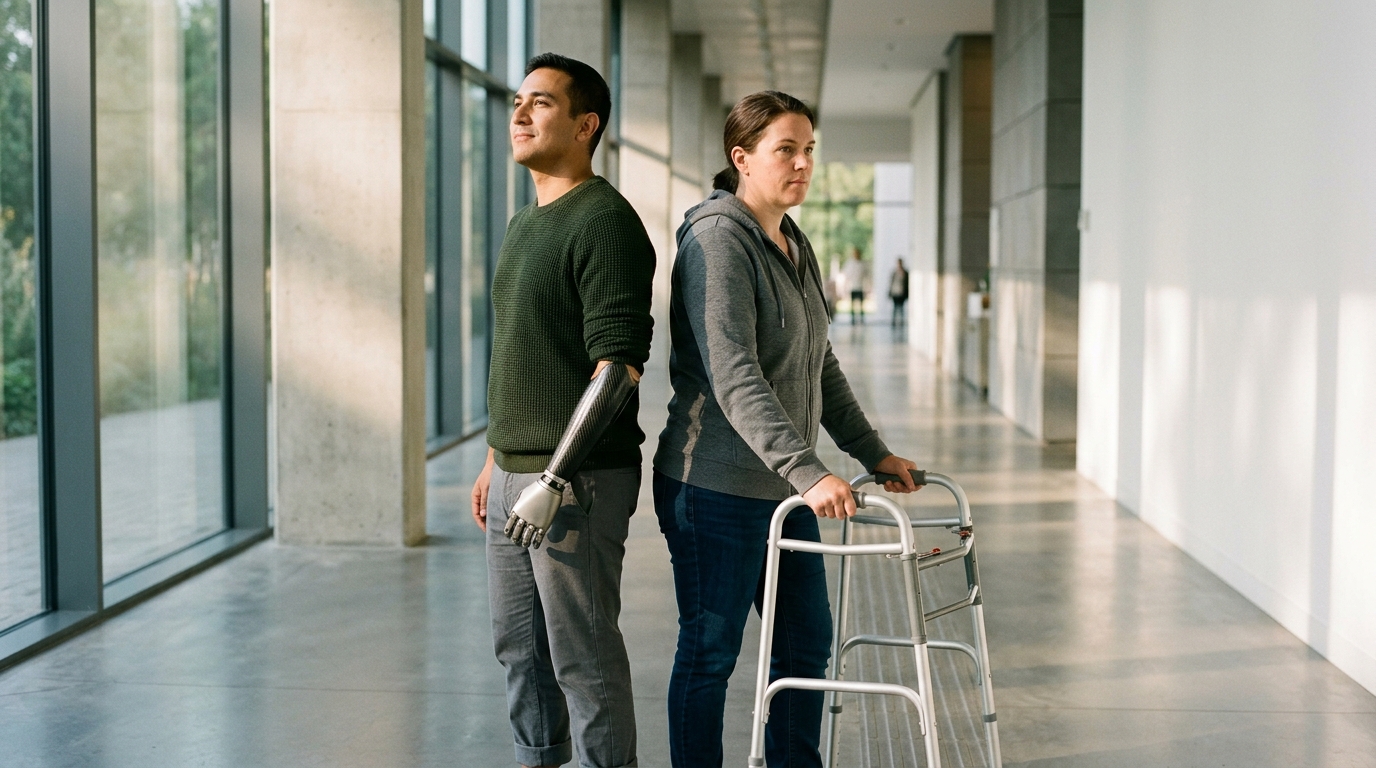
You should consider how your perspective might shift if you viewed disability not as a tragedy to be cured, but as a neutral feature of the human experience. Elizabeth Barnes, a leading voice in this field, proposes that disability is a mere difference rather than a bad difference. This theory suggests that having a disability is statistically infrequent, much like having red hair or being left handed, but it does not inherently make a person’s life go worse. By separating the biological reality of an impairment from the social stigma attached to it, you can begin to see how our definitions of a normal body are often arbitrary.
When you explore the mere difference view, you are challenged to rethink the traditional connection between physical function and personal well-being. Barnes argues that while disability might make certain tasks more difficult, it does not automatically reduce a person’s overall quality of life or their capacity for flourishing. This intellectual shift moves the focus away from medical deficits and toward the ethical importance of social inclusion and accessibility. You can see this as a call to reshape the world so that it accommodates all types of bodies and minds equally.
This philosophical approach offers a rigorous way to understand your own relationship with the concepts of health and identity. By framing disability as a neutral variation, you gain a more nuanced tool for evaluating the lived body and how society treats those who navigate the world differently. It invites you to question why some physical traits are celebrated while others are pathopathologized, pushing you toward a more inclusive political and ethical mindset. Ultimately, this perspective empowers you to advocate for a society where every individual is valued for their unique contribution to the human tapestry.
Technology Ethics And The Future Of Ability
As you look toward the horizon of emerging biotechnologies and AI, you may find that our traditional definitions of a normal body are beginning to dissolve. The rapid development of neural interfaces and advanced prosthetics forces you to reconsider whether we are simply fixing perceived deficits or fundamentally altering the human experience. When you view these advancements through a philosophical lens, you realize that the drive to cure can sometimes overshadow the value of human variation. This tension invites you to ask whether a world without physical or cognitive difference is truly more inclusive, or if it risks erasing the unique perspectives that disabled lives contribute to our collective culture.
The ethical stakes of these technologies become personal when you consider how they might dictate who is allowed to exist as they are in a high tech future. You might notice that while some enhancements offer newfound autonomy, they also carry the subtle pressure to conform to a standardized ideal of productivity and performance. It is essential to question whether we are designing these tools to empower individuals or to eliminate the very diversity that challenges our social structures. By centering the human rights model in this conversation, you can advocate for a future where technology supports personal agency without demanding the erasure of diverse ways of being.
Navigating these technological advancements requires you to balance the promise of innovation with a deep respect for the lived experiences of those with different bodies and minds. You are not just a passive observer of these changes, but an active participant in deciding which ethical boundaries will guide our species. As these tools become more integrated into your daily life, you have the opportunity to champion a philosophy that prioritizes social justice over mere biological optimization. Ultimately, the goal is to ensure that the future of ability is defined by how well we accommodate everyone, rather than how efficiently we can engineer away our differences.
Reframing Human Identity Through Disability Philosophy
Embracing the philosophy of disability invites you to reconsider the very foundations of what it means to be human in a modern world. By shifting your perspective from seeing a medical deficit to recognizing a complex social and political identity, you begin to see how our social position shapes our capabilities. This intellectual journey encourages you to challenge the rigid standards of physical and cognitive conformity that often dictate social worth. When you view disability through these rigorous philosophical lenses, you move beyond simple pity and toward a deeper understanding of human diversity. You start to realize that a more inclusive world is not just a charitable goal, but a fundamental requirement for a just and ethical society.
As you integrate these frameworks into your daily life, you foster a space where every body and mind is valued for its unique contribution. This shift in thinking allows you to dismantle the invisible barriers that exclude people based on arbitrary definitions of normalcy. By prioritizing human rights and social justice, you help build a community that celebrates variation rather than seeking to erase it through medical intervention alone. Your engagement with these ideas ensures that the future remains accessible, welcoming, and intellectually rich for everyone. Ultimately, recognizing the inherent dignity in all forms of existence transforms the way you interact with the world and those around you.
Frequently Asked Questions
1. What exactly is the philosophy of disability?
The philosophy of disability is a field of study that invites you to rethink what it means to be human by looking beyond biological traits. It explores how society, technology, and justice intersect to shape your experience of ability and identity. By engaging with these ideas, you can better understand the ethical structures that define our shared world.
2. How does the social model differ from the medical model?
While the medical model views disability as a biological deficit that needs to be cured, the social model suggests that you are disabled by environmental and societal barriers. This shift means the problem lies in a world that is not built to accommodate diverse bodies, rather than within your own physical or cognitive traits. It empowers you to advocate for structural changes instead of personal fixes.
3. Why is the concept of normalcy being questioned?
Normalcy is often a narrow social construct rather than a universal biological truth. When you question this concept, you begin to see that society was built for a specific type of body and mind, often excluding others by default. Recognizing this allows you to challenge the idea that certain ways of being are inherently superior to others.
4. What does it mean to take a human rights approach to disability?
A human rights approach prioritizes your dignity and inclusion as a fundamental right rather than a matter of charity. It frames accessibility and accommodation as essential components of justice that you deserve as a member of society. This perspective shifts the focus toward political and legal structures that must protect your autonomy.
5. How does the philosophy of disability affect your daily life?
These philosophical frameworks help you decode the invisible walls in the spaces you inhabit, from physical architecture to digital environments. By understanding these concepts, you can more easily identify when a barrier is a result of poor design rather than a personal limitation. This knowledge gives you the tools to navigate and change the world around you.
6. Is this field only for people with disabilities?
The philosophy of disability is for everyone because it explores the universal vulnerability and interdependence of the human experience. It encourages you to reflect on your own relationship with your body and the rights you believe all people should have. Why your voice matters in these discussions is vital, as engaging with these ideas helps you become a more informed and empathetic participant in a diverse society.