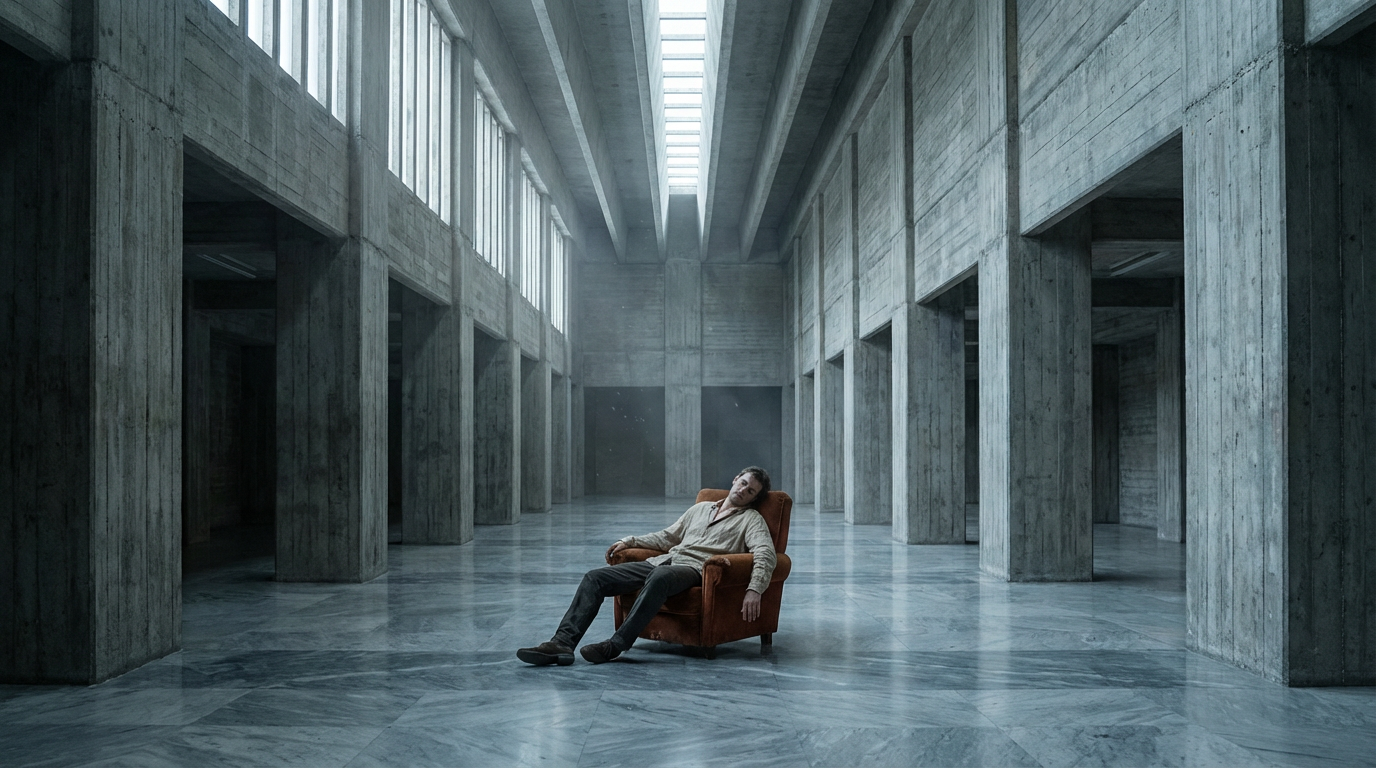

When you first stare into the void and realize that the universe doesn’t come with a pre-written guidebook, it can feel like the ground has disappeared beneath your feet. This realization is the starting point for the debate of active nihilism vs passive, a distinction that determines whether you view a meaningless world as a prison or a playground. You might find yourself at a crossroads: do you retreat into the comfort of detachment, or do you use this blank slate to forge your own destiny? Understanding these two paths is essential for anyone looking to handle the complexities of existence without losing their sense of purpose.
Passive nihilism often manifests as a quiet resignation, where the absence of inherent value leads to a weary withdrawal from the world’s challenges. In contrast, active nihilism serves as a powerful catalyst for transformation, urging you to dismantle outdated beliefs so you can build a life rooted in your own authentic values. By shifting your perspective from “nothing matters” as a source of despair to “nothing matters” as a source of ultimate freedom, you reclaim your agency. This transition allows you to stop being a spectator of your life and start becoming its intentional creator.
Key Takeaways
- Passive nihilism is a state of spiritual exhaustion where the absence of inherent meaning leads to resignation, apathy, and a withdrawal from life’s challenges.
- Active nihilism serves as a powerful catalyst for transformation, urging you to dismantle outdated beliefs and inherited values to clear space for personal growth.
- The realization that the universe lacks a pre-written script provides the ultimate freedom to act as the intentional architect of your own reality.
- Transitioning from a passive to an active perspective transforms the void of existence from a source of despair into a creative playground for self-empowerment.
The Weight Of Passive Nihilism And Spiritual Exhaustion
Passive nihilism is often experienced as a heavy, spiritual exhaustion that settles in when you realize the old structures of meaning no longer hold weight. You might find yourself feeling paralyzed by the collapse of traditional values, leading to a state of apathy where nothing seems worth the effort. Instead of seeing a blank canvas, you see a void that drains your energy and leaves you feeling resigned to a life without purpose. This perspective acts as a psychological weight, making it difficult to engage with the world or find the spark necessary to pursue new goals. It is a quiet retreat into the self, driven by the belief that because nothing matters, there is no reason to try.
When you fall into this state of weary resignation, you are essentially experiencing what Nietzsche described as a sign of spiritual weakness. You might feel like a spectator in your own life, watching the world go by without any desire to participate or create change. This exhaustion often stems from the disappointment of losing absolute truths, leaving you stranded in a place where every path seems equally pointless. Unlike the active nihilist who finds freedom in the absence of rules, you may feel trapped by the lack of direction. This sense of being lost can lead to a cycle of withdrawal, where the desire to escape suffering outweighs the drive to build something meaningful.
Understanding the difference between this passive despair and active empowerment is the first step toward reclaiming your agency. While it is easy to get stuck in the comfort of apathy, recognizing that your exhaustion is a response to a lack of external meaning allows you to pivot. You can begin to see that the void does not have to be a source of fear, but rather a space where you can eventually decide what matters to you. By identifying the signs of spiritual fatigue, you gain the clarity needed to transition from a weary soul to a free spirit. Moving beyond the simple idea that nothing matters opens the door for you to define your own values on your own terms.
Active Nihilism As A Tool For Self Empowerment

Passive nihilism often feels like a heavy weight, leading you toward a sense of resignation where the lack of inherent meaning feels like a dead end. When you view the world through this lens, the collapse of traditional values can result in spiritual exhaustion and a desire to retreat from the challenges of life. You might find yourself stuck in a cycle of “nothing matters,” which can easily transform into a passive acceptance of boredom or despair. Nietzsche viewed this state as a sign of weakness, where the individual is overwhelmed by the void rather than inspired by it. It is a reactive way of living that focuses on what has been lost rather than what can be gained.
Active nihilism invites you to flip this perspective by treating the void as a blank canvas rather than a dark pit. This approach requires a surge of spiritual strength, as you must become a force of destruction against old, decaying idols and societal expectations that no longer serve you. By leaning into this active role, you clear away the rubble of inherited beliefs to make room for your own authentic values. It is a catalyst for transformation that allows you to stop being a spectator of your life. You transition from a victim of a meaningless universe to the primary intentional creator of your own reality.
As you embrace this active stance, you discover that the absence of a preordained plan is actually the ultimate form of empowerment. You are no longer bound by the scripts written by others, giving you the sovereign right to determine what is significant and what is not. This process of self-overcoming is what Nietzsche championed as the path toward becoming who you are as a free spirit. Instead of mourning the death of objective truth, you celebrate the opportunity to create your own truth with every choice you make. This shift in mindset transforms nihilism from a source of suffering into a powerful tool for personal liberation and creative growth.
Transforming The Abyss Into A Creative Playground
When you first realize that the universe lacks a preordained script, you might find yourself trapped in what Friedrich Nietzsche called passive nihilism. This state is characterized by a will to nothingness where the absence of objective truth leads to spiritual exhaustion and a sense of defeat. You might feel like a victim of a cold reality, retreating into cynicism or distraction because the old pillars of meaning have crumbled. In this stage, the lack of inherent purpose feels like a heavy burden that saps your energy and leaves you feeling powerless. However, this period of mourning for lost certainties is often just the beginning of a much more powerful psychological evolution.
Active nihilism invites you to stop mourning the death of old values and start celebrating your role as a creator. Instead of seeing the void as a source of despair, you can view it as a blank canvas where your will to power can finally take shape. By consciously destroying outdated beliefs that no longer serve you, you clear the necessary space to build a personal code based on your own authentic desires. This transition turns the abyss into a creative playground where you are no longer a passive observer of a meaningless world. You become the architect of your own importance, finding strength in the fact that you alone have the authority to decide what matters.
Choosing the active path means you are trading the comfort of certainty for the thrill of self-empowerment. You learn to dance on the edge of the unknown, recognizing that the freedom to define yourself is the ultimate form of human strength. While the passive nihilist sees a dead end, you see a wide open field of possibilities where every action is an act of self-expression. This shift in perspective transforms your daily life from a struggle for survival into a deliberate project of artful living. By embracing this mindset, you move beyond the “nothing matters” trope and step into a life defined by your own original and vibrant values.
From Resignation to Radical Freedom
The distinction between active and passive nihilism marks the difference between feeling trapped by a void and feeling liberated by an open horizon. When you embrace passive nihilism, you might find yourself stuck in a cycle of resignation, viewing the lack of inherent meaning as a reason to withdraw from the world. This perspective often leads to a sense of spiritual exhaustion where you simply wait for things to happen rather than making them happen. By recognizing this state, you can begin to see that meaning is not something you lose, but something you have the power to invent. Moving beyond the “nothing matters” trope allows you to stop mourning a lost script and start writing your own story.
Active nihilism invites you to use the destruction of old, inherited values as a foundation for your own personal empowerment. Instead of falling into despair, you can view the absence of a universal blueprint as the ultimate form of freedom. This approach encourages you to become an architect of your own life, choosing which values to uphold based on your authentic desires rather than social pressure. You are no longer a passive observer of a cold universe, but a creator who finds joy in the act of self-definition. By taking this active stance, you transform the void into a playground where every choice you make becomes a meaningful expression of your unique will.
Living an authentic life in a world without scripts requires the courage to dance on the ruins of outdated certainties. You possess the strength to turn the realization of groundlessness into a source of vitality and creative energy. Rather than seeking comfort in false certainties or giving in to cynicism, you can lean into the uncertainty with a sense of curiosity and strength. This shift in perspective turns every day into an opportunity to practice your autonomy and build a life that is truly your own. Ultimately, the transition from passive to active nihilism is your invitation to step into the role of the free spirit, defining your purpose on your own terms.
Frequently Asked Questions
1. What is the core difference between active and passive nihilism?
The main difference lies in how you respond to the realization that life has no inherent meaning. Passive nihilism is a state of resignation and withdrawal where you feel paralyzed by the void, while active nihilism is a courageous embrace of that void as an opportunity to create your own purpose.
2. How can I tell if I am experiencing passive nihilism?
You are likely in a passive state if you feel a sense of spiritual exhaustion or apathy toward your goals and values. It often feels like a heavy weight that makes you retreat from the world because you believe that since nothing matters, nothing is worth the effort.
3. Is active nihilism a negative mindset?
Not at all, it is actually a deeply empowering perspective that serves as a catalyst for personal transformation. By destroying outdated beliefs that no longer serve you, you gain the freedom to build a life rooted in your own authentic values and desires.
4. How do I transition from a passive to an active nihilist perspective?
You make this shift by changing your interpretation of the phrase nothing matters from a source of despair into a source of ultimate freedom. Instead of being a spectator of your life, you must reclaim your agency and start acting as the intentional creator of your own destiny.
5. Can nihilism actually help me find a sense of purpose?
Yes, because active nihilism provides you with a blank slate that removes the pressure of living up to external guidebooks. To learn more about this perspective, you can explore what is nihilism and how it challenges our traditional understanding of value. When you realize the universe doesn’t provide a pre-written path, you are free to forge a destiny that is uniquely yours and deeply meaningful to you.
6. Why does passive nihilism feel like a prison?
It feels restrictive because it views the absence of universal meaning as a loss rather than a gain. This perspective traps you in a cycle of detachment and prevents you from engaging with the world, effectively turning the blank canvas of existence into a wall that blocks your growth.