

Neuro-rights legislation in 2026 is moving brain privacy from a philosophical concern into a real legal issue. As neurotechnology becomes better at measuring, inferring, and potentially influencing neural activity, you may soon face new questions about who can access information from your brain and how that information can be used. Chile has taken the strongest constitutional approach, while U.S. states are developing neural-data privacy protections and the federal government remains at the study or proposal stage.
The emerging framework extends beyond data security to protect mental privacy, cognitive liberty, personal identity, and freedom of thought. International guidance from UNESCO and the OECD is also shaping the debate, even though binding rules remain fragmented. Understanding these developments now can help you see where your rights are protected, where gaps remain, and what the next phase of neurotechnology regulation may mean for you.
Key Takeaways
- Neuro-rights are moving from ethical theory into enforceable law, with protections focused on mental privacy, cognitive liberty, personal identity, freedom of thought, and protection from neural manipulation.
- Chile leads with constitutional protections for mental integrity and neural data, while several European countries are developing related fundamental-rights safeguards. The United States has no dedicated federal neuro-rights law, but states such as Colorado and California regulate neural data as sensitive personal information.
- Neural data protections must address more than raw brain signals; they also need to cover inferred emotions, attention, health conditions, preferences, and intentions, as well as how this information is stored, shared, sold, or used to make decisions.
- UNESCO and OECD principles are shaping global expectations around consent, dignity, transparency, safety, and accountability, but they are not generally binding. Effective protection will depend on clear definitions, strong oversight, limits on high-risk uses, and meaningful remedies for misuse.
Introduction To Neuro-Rights Legislation
Neuro-rights legislation in 2026 responds to a powerful shift in what technology can reveal about you. Neurotechnology can measure brain activity and, in some cases, help infer attention, emotions, preferences, health conditions, or intentions. This makes neural data far more sensitive than ordinary personal information. The issue is not only who can access a brain signal, but also whether you can keep your thoughts, mental states, and inner life private. Chile and several European Union nations have moved this concern toward the constitutional level by recognizing specific protections for mental privacy and related forms of cognitive freedom. These developments suggest that your mind may require legal safeguards beyond traditional privacy and data-protection rules.
The global framework remains fragmented, so you cannot yet rely on one consistent set of rules wherever neurotechnology is used. Constitutional protections are advancing at different speeds, while some U.S. states are creating targeted safeguards for neural data and the United States still lacks a dedicated federal neuro-rights law. International organizations are also shaping the conversation through soft-law principles and guidance focused on human rights, responsible innovation, and neurotechnology governance. As a result, the legal status of a brain signal, an inferred mental characteristic, or a device that influences neural activity may depend heavily on the country, state, or institution involved. Understanding neuro-rights legislation in 2026 therefore means tracking how constitutional law, privacy regulation, and international standards are gradually converging without yet forming a unified global system.
Chile’s Constitutional Neuro-Rights Framework

Chile’s constitutional framework places mental integrity, cognitive liberty, and neural data within the sphere of fundamental rights. For you, that means brain activity is treated as more than ordinary personal information, particularly when neurotechnology can measure, infer, or influence thoughts, emotions, or decision-making. Chile’s approach has helped move neuro-rights from ethical debate into constitutional law, creating a model that other countries, including several European nations considering stronger mental-privacy protections, may adapt. Its central principle is clear: technological access to the brain should not automatically become legal access to the person.
The practical force of these protections will depend on how courts and regulators apply them to rapidly changing tools. You may see difficult questions arise about whether consent is truly voluntary, how neural data can be stored or shared, and whether inferred information receives the same protection as a direct brain recording. Enforcement may also require technical standards that distinguish medical treatment from commercial monitoring, workplace screening, educational tools, or consumer applications. Without clear rules, constitutional language could remain powerful in theory while leaving you uncertain about how to challenge misuse.
Chile’s framework also highlights the tension between encouraging innovation and preserving individual autonomy. Neurotechnology could support rehabilitation, communication, and treatment, yet the same systems might enable subtle manipulation, intrusive profiling, or pressure to disclose mental states. As you assess neuro-rights legislation in 2026, the key issue is not simply whether innovation should proceed, but whether you can meaningfully refuse, understand, and control its effects. Chile’s experience may therefore influence global law by showing how constitutional principles can guide emerging regulation while revealing the detailed enforcement questions that other governments must answer.
U.S. State Neural Data Privacy Laws
U.S. states are addressing neurotechnology primarily through neural-data privacy laws rather than a dedicated federal neuro-rights statute. Colorado treats neural data and biological information that can reveal activity in the nervous system as sensitive data, while California has expanded its privacy framework to cover neural data and related inferences. These laws can give you rights to understand what information is collected, why it is used, and whether it is shared or sold. Their protections are significant, but they generally regulate data practices rather than establishing a broad constitutional right to mental privacy.
For you as a consumer, the most important safeguards involve meaningful consent, limits on collection, and control over later uses of your information. Depending on the law and circumstances, organizations may need to disclose their practices, obtain permission before processing sensitive neural information, provide access or deletion rights, and maintain reasonable security measures. Commercial uses raise additional concerns because brain signals can be used not only to operate a device, but also to infer attention, emotion, health conditions, or preferences. State rules can restrict certain disclosures and sales, yet exemptions, enforcement standards, and definitions of neural data still vary considerably.
This state-by-state approach differs from Chile’s constitutional recognition of mental privacy and from broader international efforts to frame neuro-rights as fundamental rights. In the United States, federal proposals and congressional studies continue to examine questions involving cognitive liberty, neural-data privacy, and protections against manipulation, but no dedicated federal neuro-rights law has been enacted as of 2026. That means your protections may depend on where you live, the type of technology involved, and whether another privacy law applies. As neurotechnology becomes more widely used, ongoing legislation will determine whether data-focused safeguards develop into stronger protections for mental autonomy.
UNESCO OECD And European Neuro-Rights Standards

UNESCO and the OECD are helping define international expectations for responsible neurotechnology, even though their instruments generally do not operate like domestic statutes. UNESCO’s ethics framework emphasizes human dignity, mental privacy, freedom of thought, cognitive liberty, informed consent, and protection from discrimination when systems measure or influence brain activity. OECD guidance similarly encourages safety, transparency, accountability, scientific integrity, and safeguards throughout the development and use of neurotechnology. You can view these standards as influential policy guidance. They shape legislation, research rules, and institutional practices, but they usually do not give you a direct legal claim in the same way a constitutional right or statute can.
Chile represents the clearest constitutional model, with express protections for mental integrity and the privacy of neural information, while several European countries are developing comparable protections through constitutional interpretation, legislation, and regulatory policy. These measures can make mental privacy and freedom of thought more than ethical principles, particularly when courts review the collection, inference, storage, or use of neural data. Still, you should distinguish a constitutional protection from a detailed law because constitutional language often requires implementing rules before you know exactly what conduct is prohibited or what remedy is available. In Europe, existing privacy, data-protection, human-rights, and artificial-intelligence frameworks may apply to neurotechnology even where national law does not use the term “neuro-rights.”
In practice, the emerging 2026 standard asks whether you have meaningful control over what a device records, what a system can infer, and whether neural information can be used to manipulate or disadvantage you. Binding rules may require lawful processing, data minimization, security, impact assessments, and limits on high-risk applications, while UNESCO and OECD principles help regulators decide how those obligations should evolve. Freedom of thought and cognitive liberty also raise a harder question because protecting the brain may require safeguards against inferred beliefs and emotional states, not only protection for raw signals. As these approaches converge, you should view neuro-rights legislation as a layered system of enforceable rights, constitutional guarantees, and international guidance rather than as one uniform global code.
Enforcement Gaps And 2026 Outlook
Neuro-rights legislation in 2026 still faces a basic question: what counts as neural data? The definition may include raw brain signals, recordings from implanted devices, and information derived from them, but it could also cover predictions about attention, emotion, memory, or intent. Because these inferences are probabilistic rather than direct windows into your mind, regulators must decide how to govern data that suggests a mental state without proving it. Consent alone may not protect you when neurotechnology is used in schools, workplaces, healthcare, or consumer products, where refusing collection can carry practical consequences. Constitutional protections for mental privacy in Chile and several EU nations establish an important foundation, but enforcement remains uneven across borders and sectors.
Protection is especially urgent for children and patients, who may have limited ability to understand long-term risks or negotiate the terms of data collection. Clinical systems also create difficult boundaries between legitimate diagnosis, research, treatment, and secondary commercial use. If employers, insurers, schools, or public agencies rely on inferred attention, stress, or truthfulness, inaccurate interpretations could produce discrimination while appearing scientifically objective. Effective safeguards will need strict purpose limits, heightened consent standards, independent oversight, and meaningful ways to challenge automated conclusions. They must also address whether neural data can be sold, retained indefinitely, or combined with other personal information to create detailed psychological profiles.
The next stage of neuro-rights protections will be shaped by how courts, regulators, technology companies, and lawmakers translate broad principles into enforceable rules. Courts may extend mental privacy, dignity, equality, and due-process protections to disputes involving neural evidence or algorithmic inferences, while regulators can establish technical standards for security, transparency, accuracy, and deletion. Technology companies will influence the outcome through privacy-centered design, clear disclosures, limits on inference, and safeguards that prevent coercive or manipulative use. Lawmakers can close jurisdictional gaps by defining neural data consistently, creating remedies for misuse, and coordinating constitutional rights with privacy and anti-discrimination law. If these groups move together, 2026 could mark a shift from recognizing neuro-rights in principle to making mental privacy meaningful in everyday life.
Neuro-Rights Legislation 2026 Conclusion
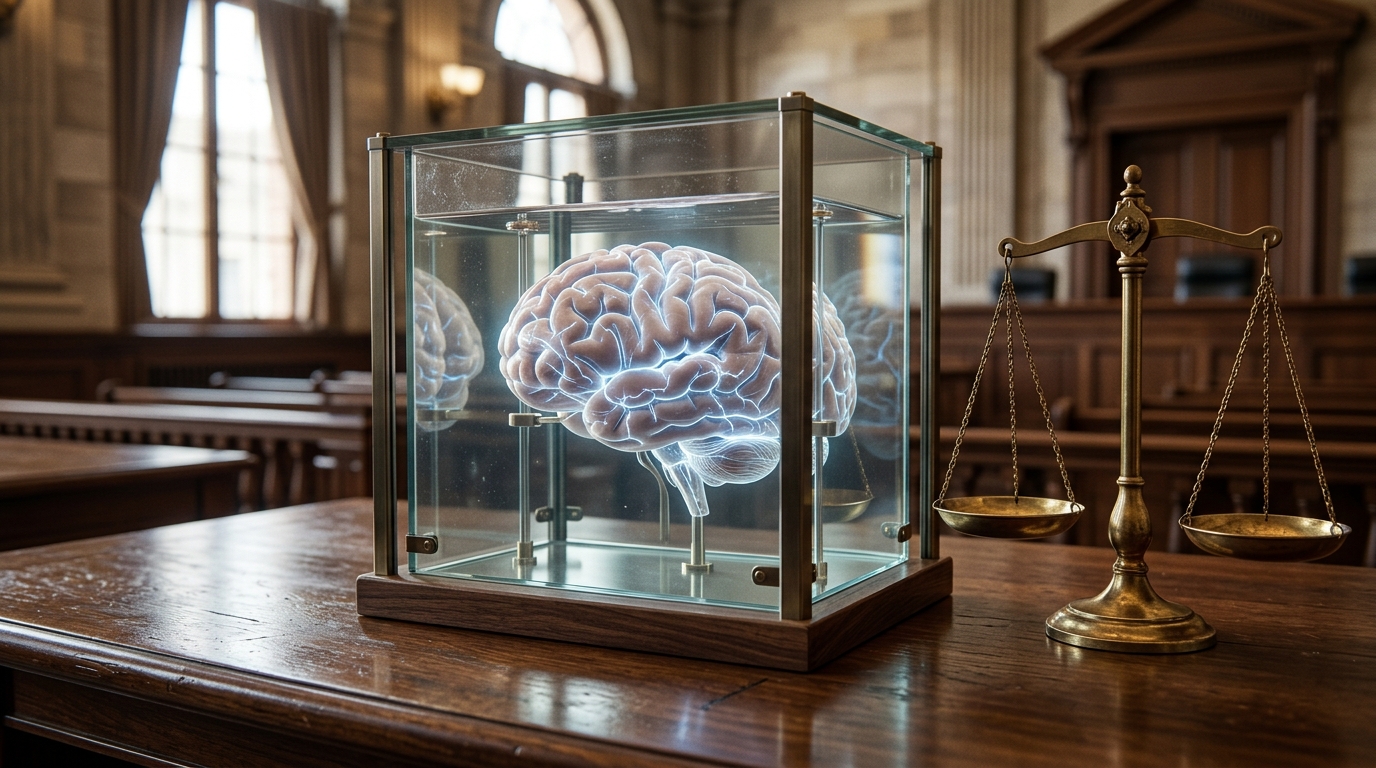
Neuro-rights legislation in 2026 reflects three distinct legal strategies. Chile’s constitutional model treats mental privacy and protection of brain activity as fundamental rights, giving you a powerful foundation for challenging both government action and private-sector misuse. U.S. state privacy laws generally take a narrower, data-focused approach by regulating neural data as sensitive personal information, with rules that may address consent, disclosure, sale, retention, and access. Because the United States still lacks a dedicated federal neuro-rights law, your protections can vary substantially depending on where you live and how a system collects or infers information from your nervous system.
International soft-law approaches from institutions such as UNESCO and the OECD provide shared principles rather than directly enforceable rights. They encourage safeguards for mental privacy, cognitive liberty, autonomy, fairness, and meaningful consent, while helping lawmakers and developers establish common expectations across borders. Together, these approaches show why existing privacy rules may not be enough: neurotechnology can reveal patterns about attention, emotion, intention, or health that you never deliberately disclose. As brain-related tools move into healthcare, workplaces, education, and consumer products, mental privacy and cognitive liberty may become central legal protections for preserving your ability to think, decide, and remain free from unwanted neural surveillance or manipulation.
Neuro Rights Become Enforceable Protections
Neuro-rights legislation in 2026 marks a shift from theoretical ethics toward enforceable legal protections for your mental privacy. Chile remains a leading example, with constitutional safeguards addressing personal autonomy and the protection of information derived from the brain, while several EU nations have strengthened related constitutional or legal protections. These measures recognize that neurotechnology can do more than collect ordinary personal data because it may measure brain activity, infer emotions or intentions, and potentially influence decision-making. At the same time, neural-data privacy laws in several U.S. states show that progress is also happening through targeted legislation, even though the United States has no enacted federal law dedicated specifically to neuro-rights.
For you, the most important takeaway is that protection depends heavily on where you live and how neurotechnology is used. International guidance from organizations such as UNESCO and the OECD is helping establish shared principles, but these instruments generally guide lawmakers rather than create directly enforceable rights. The emerging legal framework therefore focuses on informed consent, mental privacy, freedom of thought, personal identity, and protection against harmful or discriminatory uses of neural data. As neurotechnology becomes more common, expect lawmakers to refine these protections and address whether existing privacy and human-rights rules are strong enough for technologies that can access or alter the workings of your mind.
Frequently Asked Questions
1. What is neuro-rights legislation in 2026?
Neuro-rights legislation in 2026 refers to laws, constitutional protections, and policy proposals designed to protect your brain data, mental privacy, cognitive liberty, personal identity, and freedom of thought. It addresses the growing ability of neurotechnology to measure brain activity and infer information about your emotions, attention, health, preferences, or intentions.
2. Why is neural data considered more sensitive than ordinary personal data?
Neural data can reveal or help infer aspects of your inner life, including mental states, health conditions, preferences, and possible intentions. Because this information is closely connected to your identity and autonomy, protecting it may require stronger safeguards than those used for typical account, location, or browsing data.
3. What protections are included in the emerging concept of neuro-rights?
Neuro-rights generally include mental privacy, cognitive liberty, personal identity, and freedom of thought. Together, these protections aim to ensure that you can control access to information about your brain and remain free from unjustified monitoring, manipulation, or interference with your mental processes.
4. Which countries are leading neuro-rights legislation in 2026?
Chile has taken the strongest constitutional approach by recognizing protections connected to neural data and mental privacy. Several European Union countries have also moved related concerns toward the constitutional or fundamental-rights level, while other governments are developing narrower privacy rules or studying future legislation.
5. What is the current situation for neuro-rights in the United States?
In the United States, state governments are developing protections for neural data, but there is not yet one comprehensive federal neuro-rights framework. Federal policymakers remain largely focused on research, oversight, and proposals, so your legal protections can vary significantly depending on the state and the technology involved.
6. How are UNESCO and the OECD influencing neurotechnology regulation?
UNESCO and the OECD are helping shape international principles for responsible neurotechnology, including privacy, human dignity, autonomy, safety, and informed consent. Their guidance can influence national laws and industry practices, but it does not automatically create binding rights in every country.
7. Does existing data-protection law already protect your brain data?
Existing privacy laws may protect some neural information, especially when it qualifies as health data, biometric data, or another sensitive category. However, traditional data rules may not fully address inferred mental states, cognitive liberty, or the possibility of influencing brain activity, which is why dedicated neuro-rights protections are being considered.
8. What could neuro-rights legislation mean for you?
You may receive greater control over whether companies, employers, schools, healthcare providers, or government agencies can collect and use information derived from your brain. The practical impact will depend on where you live, how the technology is used, and whether lawmakers adopt enforceable rules covering consent, data use, retention, sharing, and mental interference.