

A convincing fake can damage someone’s reputation, empty a bank account, or distort an election before the truth catches up. That is why the ethics of deepfake legislation cannot begin and end with banning anything synthetic. You need laws that distinguish nonconsensual intimate images, child sexual-abuse material, fraud, election deception, and clearly labeled satire or art.
The ethical test is whether regulation prevents serious, foreseeable harm without silencing journalism, political criticism, or creative expression. Effective rules must also address consent, due process, privacy, unequal impacts, platform power, and the limits of automated detection. Getting that balance right determines whether deepfake law protects the public or creates a new source of censorship and injustice.
Key Takeaways
- Deepfake laws should target demonstrable harms—such as nonconsensual intimate imagery, child sexual-abuse material, fraud, impersonation, and election deception—rather than banning synthetic media broadly.
- Legislation must protect clearly labeled satire, journalism, political criticism, and artistic expression by considering intent, consent, context, likelihood of deception, and actual harm.
- Disclosure labels, provenance records, and automated detection can support authenticity assessments, but none should be treated as conclusive proof; human review, corroborating evidence, and meaningful appeals are essential.
- Platforms and regulators need transparent, proportionate enforcement with due process, privacy protections, independent oversight, and accessible remedies that prevent censorship and reduce unequal impacts on vulnerable communities.
Introduction To Deepfake Legislation Ethics
The ethics of deepfake legislation begins with a difficult question: when an image, voice, or video is generated by AI, what does it mean to call it “real”? As several major nations debate the 2026 Digital Authenticity Acts, you are being asked to consider whether synthetic media threatens truth itself, creates a tool for targeted harm, or remains a protected form of expression. A labeled parody, an artistic reconstruction, and a fabricated video intended to deceive voters may look technically similar, but their purposes and consequences are fundamentally different. That is why the strongest legal frameworks focus less on whether content is artificial and more on whether it causes foreseeable, serious harm.
Your central challenge is to support public safety without granting governments or platforms unlimited power to decide what counts as truth. Nonconsensual intimate imagery, child sexual-abuse material, election deception, fraud, and impersonation demand strong safeguards because they can cause immediate and lasting damage. At the same time, broad rules that treat every “fake” as unlawful could suppress satire, journalism, political criticism, or creative work, while unreliable detection tools may wrongly censor legitimate speech. Ethical legislation must therefore consider consent, intent, context, audience, and the real-world impact of the content.
Privacy and democratic accountability make this debate even more personal. You may want protection from a fabricated voice call that impersonates you, yet you should also be able to question how authorities verify media, enforce removals, and correct mistakes. Clear labeling, due process, transparency requirements, and meaningful avenues for appeal can help preserve trust without pretending that technology can deliver certainty. The ethics of deepfake legislation ultimately rests on balancing competing rights, reducing specific harms, and ensuring that the pursuit of authenticity does not weaken the open debate that democracy depends on.
Harm Based Deepfake Legal Categories

Ethical deepfake legislation should begin with the harm caused, not with the mere fact that content was generated or altered by AI. A fabricated nude image shared without someone’s consent can violate privacy and dignity, while child sexual-abuse material demands the strongest criminal prohibitions because it exploits and harms children. Fraudulent voice calls, impersonation, and extortion also involve deception tied to concrete financial or personal injury. Election deception deserves careful attention when synthetic media is used to mislead voters about a candidate, public event, or voting process. These cases justify targeted rules because the foreseeable harm is serious and the conduct is easier to define than “fake” content in general.
By contrast, a clearly labeled parody, news report, artwork, or political critique may use synthetic media without causing the same kind of injury. You should be able to question public officials, satirize powerful institutions, and experiment creatively without fearing that every altered image or voice recording is automatically unlawful. Legislation can protect these activities by asking whether the creator intended to deceive, whether a reasonable person would likely be misled, whether consent was withheld, and whether the content caused or threatened a specific harm. Disclosure requirements may help in high-risk settings, but they should not become a blanket restriction on expression. This approach recognizes that visual evidence is no longer automatically trustworthy while preserving space for interpretation, criticism, and imagination.
A conduct-based framework also gives courts and platforms clearer standards than broad bans on synthetic media. Instead of relying solely on imperfect automated detection, enforcement can consider context, distribution, intent, the identity of the target, and the real-world consequences. Remedies should be proportionate, with urgent removal and strong penalties for exploitative or coercive material, along with meaningful safeguards for journalism, research, art, and political speech. You benefit from rules that hold bad actors accountable without turning platforms into unchecked censors or treating every AI-generated work as evidence of wrongdoing. The ethical goal is not to preserve the fiction that all recordings are authentic, but to make deception that predictably harms people legally and socially costly.
Truth Evidence And Synthetic Media
When you see a compelling video or hear a familiar voice, you may treat it as evidence almost automatically. Yet synthetic media challenges the old assumption that recording something proves it happened, especially as major nations debate Digital Authenticity Acts in 2026. The ethical question is not simply whether content is real or fake, but what kind of harm it creates and whether the law can respond proportionately. Nonconsensual intimate imagery, child sexual-abuse material, election deception, fraud, and impersonation demand stronger intervention than a clearly labeled parody, artwork, or political critique.
Disclosure labels can help you understand how media was created, while content provenance systems, watermarks, and authenticity records can document a file’s editing history and source. These tools are most useful when they provide context rather than presenting a simple stamp of truth, since metadata can be removed, watermarks can be defeated, and legitimate material can pass through ordinary editing software. A law that requires meaningful disclosure for high-risk synthetic content may protect audiences without treating all AI-assisted creativity as deceptive. It should also preserve room for journalism, satire, artistic expression, and criticism, particularly when no person has been impersonated or harmed.
Automated detection cannot serve as the final judge of truth because detectors can produce false positives, miss sophisticated fabrications, and perform unevenly across languages, accents, image types, and communities. You should therefore see detection results as one piece of an authenticity record, alongside the source, chain of custody, corroborating witnesses, and the circumstances in which the media appeared. Most importantly, uncertainty about a file’s origin does not automatically establish that it is deceptive, just as a verified file does not prove that its surrounding interpretation is accurate. Ethical legislation should focus on demonstrable harm, intent, consent, and context rather than turning technological uncertainty into guilt.
Free Expression And Platform Power
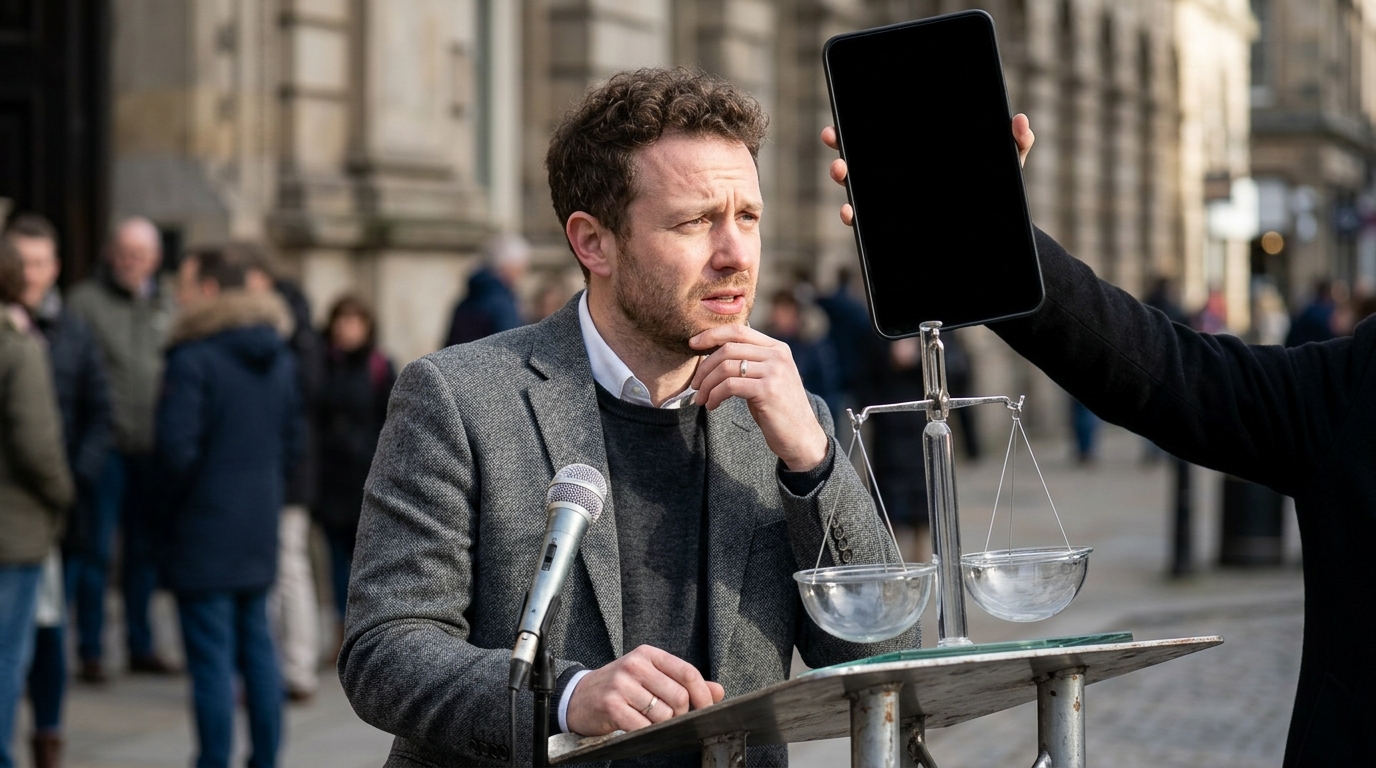
When you see an AI-generated video, “fake” does not automatically mean unlawful or harmful. A satirical politician’s speech, an investigative reconstruction, or an artist’s fictional performance may use synthetic media to question power, explore identity, or make an argument about truth itself. Broad deepfake bans could discourage this work, especially when creators cannot predict whether officials will interpret a disputed image as deception or dissent. Laws should therefore focus on intent, context, material harm, and whether a reasonable viewer is likely to be misled, rather than treating all altered media as prohibited. Clear exemptions for parody, journalism, artistic experimentation, and political criticism can protect expression without weakening safeguards against fraud, election deception, or nonconsensual intimate imagery.
Rapid takedown mandates also raise a separate concern because they can give platforms the practical power to decide what is true before anyone receives a fair hearing. Faced with penalties and tight deadlines, platforms may remove controversial reporting or satire simply because automated systems flag it as synthetic or because the meaning is difficult to assess quickly. You should expect stronger rules to require human review for high-impact cases, explanations for removals, and accessible appeals that can restore lawful speech. Transparency reports can show how often content is flagged, removed, reinstated, or wrongly classified, helping the public evaluate whether enforcement is consistent. These safeguards matter because a private moderation decision can shape public debate as decisively as a formal court ruling.
Narrow legal definitions are essential when lawmakers address the uncertain status of AI-generated visual evidence. A rule aimed at deliberate impersonation for financial gain should not be written so broadly that it captures a clearly labeled parody, while election provisions should distinguish fabricated evidence of a candidate’s conduct from ordinary political persuasion. You can also ask whether the law requires proof of intent, actual harm, material deception, or a failure to disclose synthetic alterations, since each standard distributes power differently among speakers, audiences, courts, and platforms. Independent oversight and judicial review can prevent temporary political pressures from turning authenticity rules into tools for silencing legitimate dissent. The goal is not to preserve a simple boundary between real and fake, but to build a fair process for deciding when synthetic media causes legally significant harm.
Proportional Enforcement And Digital Equity
Proportional enforcement starts by recognizing that not every synthetic image carries the same ethical or legal weight. You should see criminal penalties reserved for deliberate, serious harms such as child sexual-abuse material, nonconsensual intimate imagery, targeted fraud, and election deception intended to mislead voters. A labeled parody, artistic work, or journalistic reconstruction deserves stronger speech protections, even when some viewers find it offensive or politically troubling. Civil claims can fill the gap when victims need removal, compensation, or protection from impersonation but criminal intent is difficult to prove. This tiered approach treats digital evidence as context-dependent rather than assuming that anything artificial is automatically untrue or unlawful.
Disclosure requirements and platform responsibilities can reduce harm without giving governments broad power to monitor everyone’s speech. Clear labels for materially altered political or commercial media may help you evaluate visual evidence, but labels should not become a license to suppress criticism, satire, or reporting about public officials. Platforms should respond quickly to credible reports involving minors, intimate imagery, or fraud, while providing notice, human review, appeals, and secure evidence preservation so journalists and marginalized speakers are not silenced by automated mistakes. Detection tools can assist these decisions, but they should not serve as the sole proof of authenticity because accuracy varies across languages, accents, skin tones, and recording conditions. Narrow duties tied to foreseeable harm are more defensible than general mandates that encourage constant identity tracking or centralized surveillance.
Digital equity also requires making legal protection usable for people who cannot afford specialist counsel, navigate complex procedures, or safely disclose abuse. Victims should have access to confidential reporting, rapid removal pathways, trauma-informed support, translation, and publicly funded assistance, with special safeguards for minors and people facing retaliation. Women and marginalized communities often experience coordinated abuse, while public officials and journalists may face synthetic media designed to intimidate them or distort public debate, so enforcement should protect both privacy and democratic participation. At the same time, remedies must include safeguards against false accusations and strategic takedowns that burden small publishers or vulnerable speakers. When lawmakers combine targeted penalties with accessible civil claims, accountable platforms, and meaningful support, you can reduce real-world harm without turning uncertainty about digital truth into unchecked government authority.
Conclusion On Deepfake Legislation Ethics
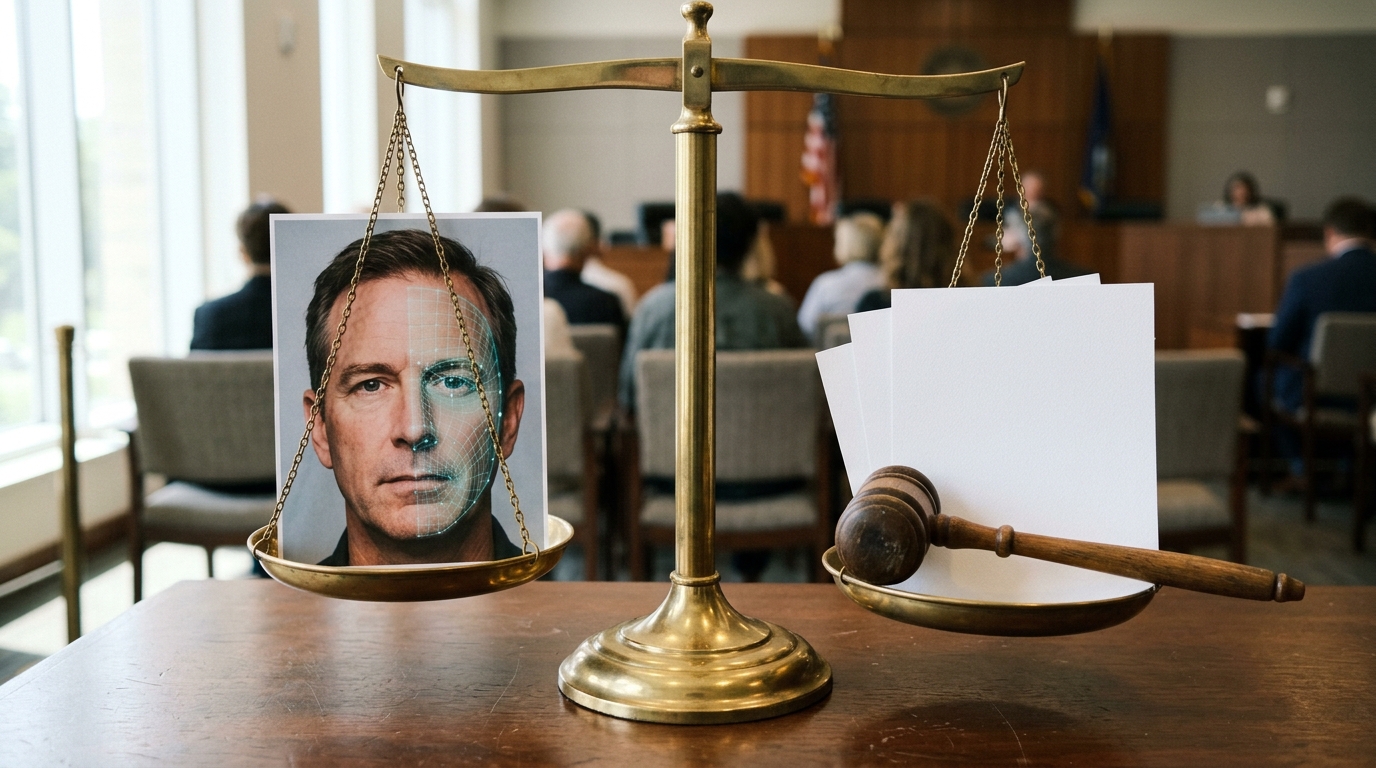
Ethical deepfake legislation should focus on identifiable harms rather than treating every synthetic image, video, or voice as unlawful. A nonconsensual intimate image, child sexual-abuse material, election deception, or fraudulent impersonation can cause concrete and serious injury, while a clearly labeled parody, artistic work, or political critique may contribute to lawful public debate. As you evaluate the Digital Authenticity Acts being debated in 2026, look for rules that distinguish intent, context, consent, and likely impact instead of relying on the simple claim that content is “fake.” This approach can protect people who are targeted while reducing the risk that vague standards suppress journalism, satire, artistic expression, or criticism. It also recognizes that automated detection is imperfect and that rapid takedown systems can silence legitimate speech when platforms must make difficult authenticity judgments under pressure.
Provenance records and disclosure labels can strengthen public trust, but they should be treated as useful evidence rather than final proof of truth. Metadata can be removed, forged, or unavailable, and an unlabeled file is not automatically deceptive, just as a label does not guarantee that every claim in the content is accurate. A practical way to judge any new law is to ask what specific harm it prevents, whose privacy, dignity, safety, or expressive rights it affects, and who gets to decide whether media is authentic. You should also ask whether people can challenge removals, whether enforcement accounts for marginalized groups and vulnerable individuals, and whether independent courts or regulators provide meaningful oversight. The strongest framework protects people from demonstrable abuse while preserving lawful expression and making power over authenticity decisions transparent and accountable.
Balancing Harm, Consent, and Free Expression
Deepfake legislation is most ethical when it responds to harm rather than treating every synthetic image, video, or voice as inherently dangerous. As you assess the emerging 2026 Digital Authenticity Acts, you can see why nonconsensual intimate imagery, child sexual-abuse material, election deception, fraud, and impersonation require different legal responses. A fabricated nude image shared without consent violates privacy and dignity in ways that a clearly labeled parody or artistic experiment does not. This distinction protects people from serious abuse while preserving room for satire, journalism, political criticism, and creative expression.
The deeper issue is that deepfakes challenge your assumptions about what counts as visual evidence and whether seeing is still a reliable path to truth. Disclosure rules, provenance systems, and accessible ways to contest manipulated content can help you judge media more carefully without forcing lawmakers to define all AI-generated work as deceptive. At the same time, rapid takedown mandates and automated detection tools can create new harms when they remove legitimate speech, misidentify marginalized communities, or place excessive responsibility on platforms. Ethical policy therefore needs transparency, human review, meaningful appeal rights, and safeguards for privacy and due process.
Effective legislation should make deception and abuse harder while keeping democratic debate and cultural expression open. You should expect lawmakers to focus on intent, consent, context, likely harm, and the power imbalance between the creator and the person targeted, rather than relying on a simple real-or-fake label. The goal is not to restore a world in which every image is automatically trusted, but to build institutions that help you evaluate evidence responsibly and seek remedies when synthetic media causes measurable harm. That balance will determine whether deepfake laws strengthen public trust or make truth itself a tool of censorship.
Frequently Asked Questions
1. What are the ethics of deepfake legislation?
The ethics of deepfake legislation concern how you can prevent serious harm without suppressing lawful expression. Ethical laws focus on a deepfake’s purpose, consent, likely consequences, and level of deception rather than banning all synthetic media. This approach protects people from abuse while preserving journalism, political criticism, satire, and art.
2. Why should deepfake laws distinguish between different types of content?
A fabricated video used for fraud or election deception creates a very different risk from a clearly labeled parody or artistic reconstruction. Laws should address nonconsensual intimate images, child sexual-abuse material, impersonation, fraud, and deliberate voter deception with strong safeguards. Treating every synthetic image or video as equally dangerous would create unnecessary censorship and unfair penalties.
3. Should deepfakes used in satire, journalism, or art be protected?
Generally, yes, when the content is clearly labeled and does not create serious, foreseeable harm. Satire and art often rely on exaggeration, transformation, or fictional representation, while journalism may use synthetic media to explain events or reconstruct history. Protection should depend on context, transparency, and whether a reasonable person could be misled about important facts.
4. How should consent affect deepfake legislation?
Consent should be central, especially when a person’s face, voice, body, or private information is used in an intimate or damaging way. You should be able to control significant uses of your identity, with stronger legal protection when the material is sexual, defamatory, or commercially exploitative. Laws also need clear standards for valid consent, withdrawal, minors, and situations involving public figures.
5. How can deepfake laws protect elections without restricting political speech?
Election rules should target deceptive synthetic media intended to mislead voters about a candidate, election process, or voting deadline, particularly when the timing makes correction difficult. They should not prohibit ordinary criticism, parody, campaign advocacy, or clearly identified political advertising. Narrow definitions, disclosure requirements, rapid review procedures, and meaningful appeals can reduce election harm without giving authorities unlimited control over political debate.
6. What role should platforms play in regulating deepfakes?
Platforms should provide clear labeling, reporting tools, provenance information, and rapid action for content involving fraud, exploitation, or imminent public harm. Their responsibilities should be proportionate to their size, reach, and ability to respond, rather than based on vague demands to remove anything that might be false. You also need transparency about moderation decisions, consistent enforcement, and accessible appeals so platform power does not replace due process.
7. Can automated deepfake detection be trusted on its own?
No. Detection systems can produce false positives, miss sophisticated fakes, and perform unevenly across accents, skin tones, languages, recording conditions, and types of media. Use automated tools as one part of a broader process that includes human review, technical provenance evidence, context, and an opportunity for the affected person to challenge a decision.
8. What safeguards make deepfake legislation fair and ethical?
Effective safeguards include precise definitions, evidence-based enforcement, proportional penalties, judicial oversight, privacy protections, and meaningful appeal rights. You should also expect lawmakers to assess unequal impacts because vulnerable groups may face more abuse while having fewer resources to seek help. Regular review is essential, since synthetic media technology and detection methods change faster than many laws.