
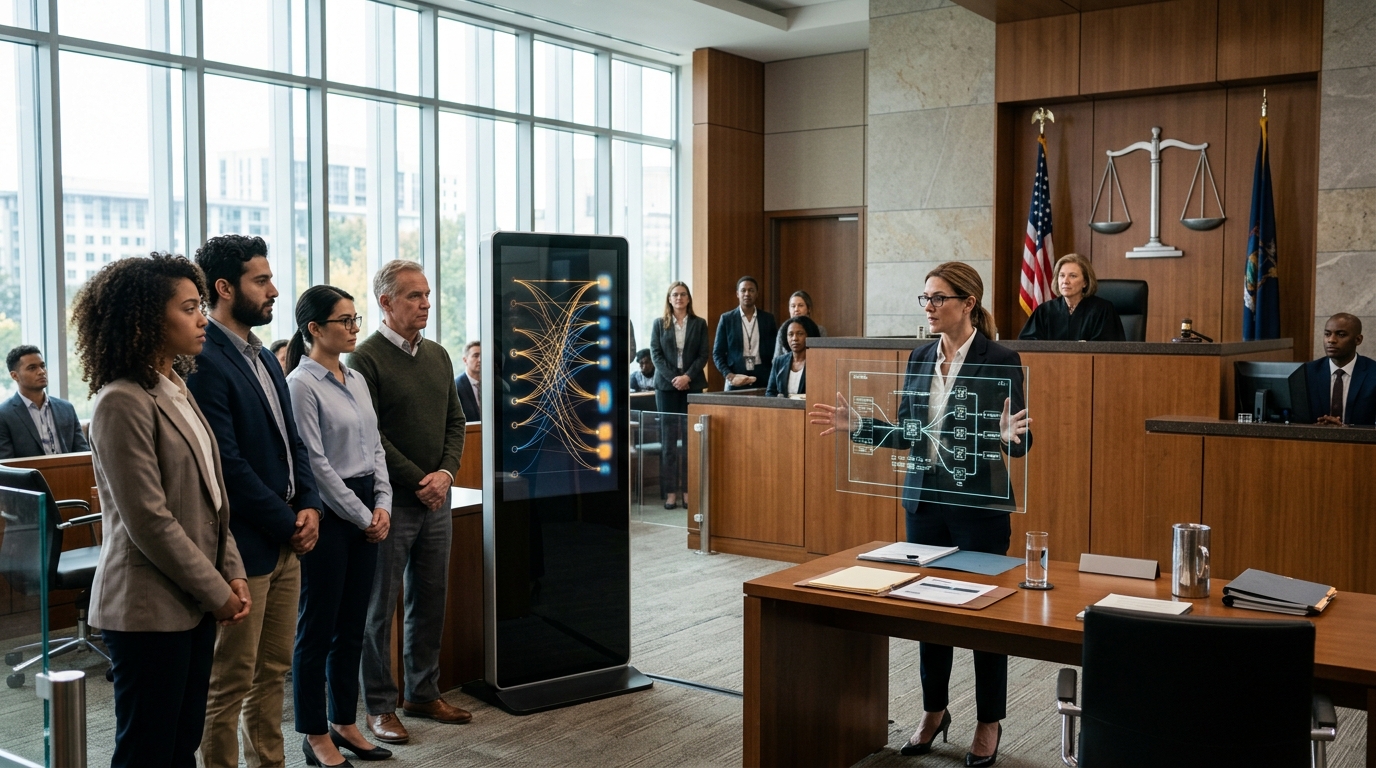
The latest algorithmic bias lawsuit developments are shifting attention from whether an automated system produces unfair outcomes to who can be held responsible. If you use AI-assisted hiring, tenant screening, or facial-recognition tools, or if you are affected by them, these cases could reshape your rights and obligations. Lawsuits increasingly target technology vendors directly, while employers, landlords, and government agencies remain under legal scrutiny.
Disparate-impact claims remain central, but their future has become more contested after a June 2026 Justice Department opinion challenged federal guidance in this area. Many cases are still at the pleading or discovery stage, so allegations are not findings of liability. Even so, these disputes may determine how courts define accountability when software influences decisions about work, housing, and public services.
Key Takeaways
- Algorithmic-bias lawsuits increasingly target technology vendors alongside employers, landlords, and public agencies. Responsibility may extend to any party that designs, selects, configures, deploys, or knowingly relies on a system that materially influences decisions.
- Disparate-impact claims remain central but are legally more uncertain after the June 2026 Justice Department opinion challenging related federal guidance. Courts will continue weighing measurable group-based harm against legitimate purposes, less discriminatory alternatives, and whether discriminatory intent is required.
- Vendor liability often depends on causation and control: courts will examine whether software merely supplied information or effectively steered hiring or housing outcomes. Notice of discriminatory effects, inadequate testing, weak warnings, and failure to correct known risks can increase legal and reputational exposure.
- Facial-recognition cases emphasize due process and human accountability, especially when officials rely on an automated match without meaningful verification. People must have a genuine opportunity to inspect and challenge the evidence, including system outputs, human-review records, and known limitations.
Vendor Liability In Employment Decisions
Recent employment-software litigation is testing whether a technology provider can face discrimination claims alongside the employers that use its tools. The central question is whether the system merely supplies neutral technology or meaningfully shapes who advances, who is rejected, and how hiring managers exercise judgment. If a vendor designs screening criteria, controls how its models operate, or markets them as reliable substitutes for human evaluation, you may see a stronger argument that it participated in the employment decision. The allegations remain contested, and litigation at this stage should not be mistaken for a finding of liability.
Notice can also change the moral and legal stakes. Once a vendor learns that its system may disadvantage disabled applicants, older workers, women, or racial minorities, continuing to sell or deploy the tool without meaningful investigation can look less like accidental error and more like a failure of responsibility. Courts may examine testing, documentation, warnings, customer communications, and whether the vendor gave employers practical ways to detect or correct discriminatory outcomes. That inquiry reflects a basic principle of justice: the person who creates or knowingly maintains a risk should not automatically avoid accountability simply because an employer makes the final formal decision.
The outcome could clarify how far discrimination law reaches into the design of machine-learned hiring systems. Employers may still bear responsibility for using a tool, but vendor liability becomes more plausible when software recommendations effectively determine results rather than inform human judgment. You should also watch how courts handle disparate-impact theories, particularly after the June 2026 Justice Department opinion challenging federal guidance on that approach. Beyond technical compliance, these disputes raise a broader ethical question: when an automated system converts historical prejudice into a recommendation, is treating that recommendation as someone else’s decision a fair account of who caused the harm?
Disparate Impact And Justice
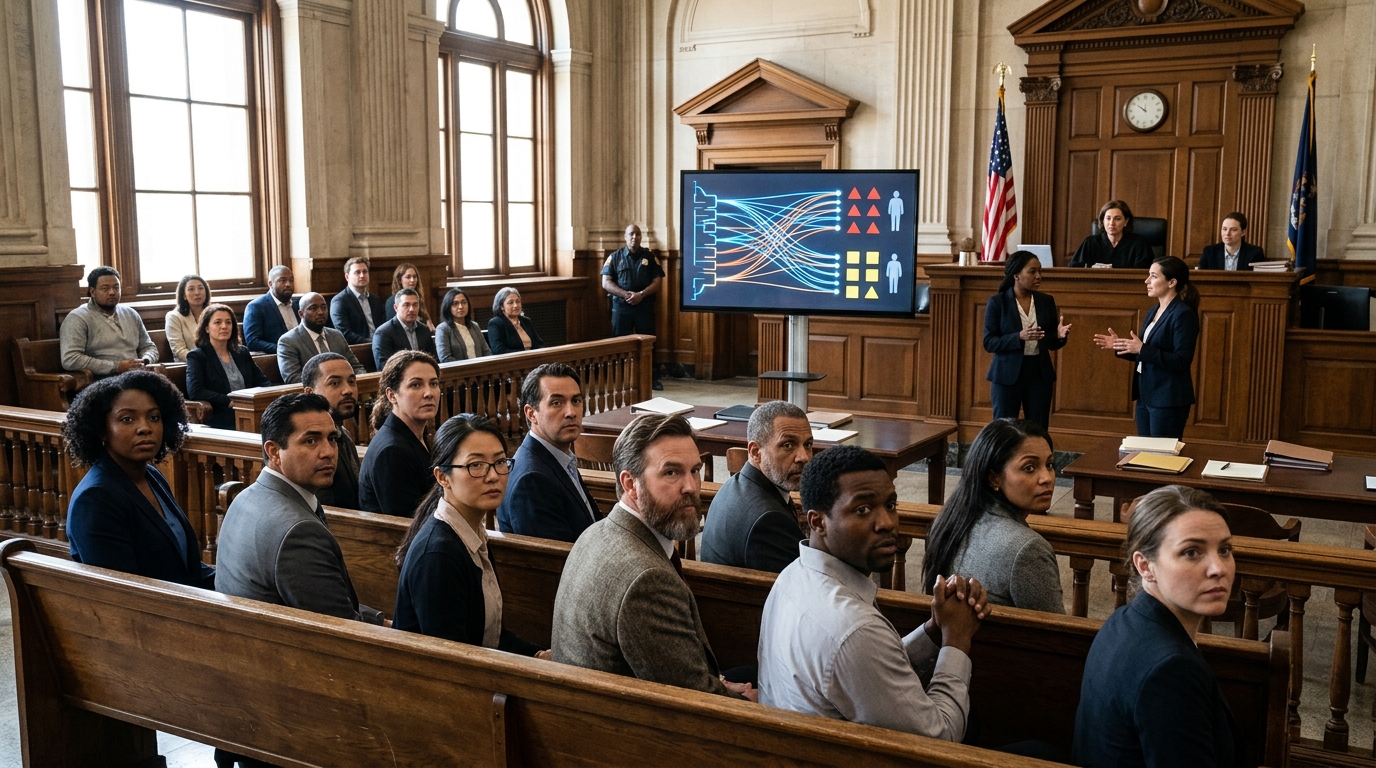
Disparate-impact lawsuits focus on outcomes rather than proof that someone intended to discriminate. If an AI hiring tool consistently screens out qualified applicants from a protected group, plaintiffs may argue that the system violates civil rights law even when its designers and users claim neutral motives. You can see the moral question clearly: treating everyone by the same automated rule may still be unfair if that rule predictably burdens some people more than others. Courts often examine whether the tool serves a legitimate purpose and whether a less discriminatory alternative could achieve the same result.
The future of this approach became more uncertain after a June 2026 Justice Department opinion challenged federal guidance supporting disparate-impact theories. That position could encourage defendants to argue that liability should require evidence of discriminatory intent, while plaintiffs will likely maintain that measurable, repeated harm deserves a legal remedy regardless of motive. The debate matters especially as lawsuits increasingly target software vendors alongside employers, landlords, and public agencies that deploy their systems. These cases remain at different procedural stages, so allegations should not be treated as final findings of liability.
As you follow these developments, ask whether justice means applying identical rules, preventing unequal results, or requiring both. An intent-based standard can protect against punishment for accidental statistical disparities, but it may leave people without a remedy when complex systems reproduce exclusion through data, design, or proxies. An outcomes-based standard can expose hidden harms, yet it must account for legitimate business needs and avoid treating every disparity as proof of unlawful conduct. The central challenge is deciding how much responsibility belongs to the human decision-maker, the technology provider, and the institutions that choose to rely on an algorithm.
Housing Screening Vendor Cases
Recent tenant-screening litigation shows how a technology provider can face liability even when a landlord makes the final housing decision. Plaintiffs argue that a tenant-screening score disproportionately harmed Black and Hispanic applicants and shaped landlords’ choices by influencing who was approved, rejected, or asked for additional safeguards. Courts have allowed similar theories to move forward, emphasizing that a vendor may contribute to a discriminatory outcome without personally signing the lease or issuing the denial. For you, the key issue is causation: did the algorithm merely provide neutral information, or did it materially steer the housing decision? That distinction turns fairness from an abstract concern into a legal question about who exercised meaningful power.
Other housing-screening cases illustrate the opposite risk, particularly when plaintiffs cannot connect a screening report to a specific denial or show that the vendor’s product controlled the result. A landlord’s independent review, other eligibility criteria, or a lack of evidence that the report changed the outcome can weaken a claim, even when the algorithm appears troubling in the abstract. This difference does not settle the moral question, because a provider may still profit from a system that systematically burdens certain applicants while leaving the final decision to someone else. It does, however, explain why courts demand a concrete causal link before imposing legal responsibility. Fairness may therefore require accountability across the decision chain, while doctrine asks you to identify the precise point where a biased tool became an effective housing decision.
Facial Recognition Due Process
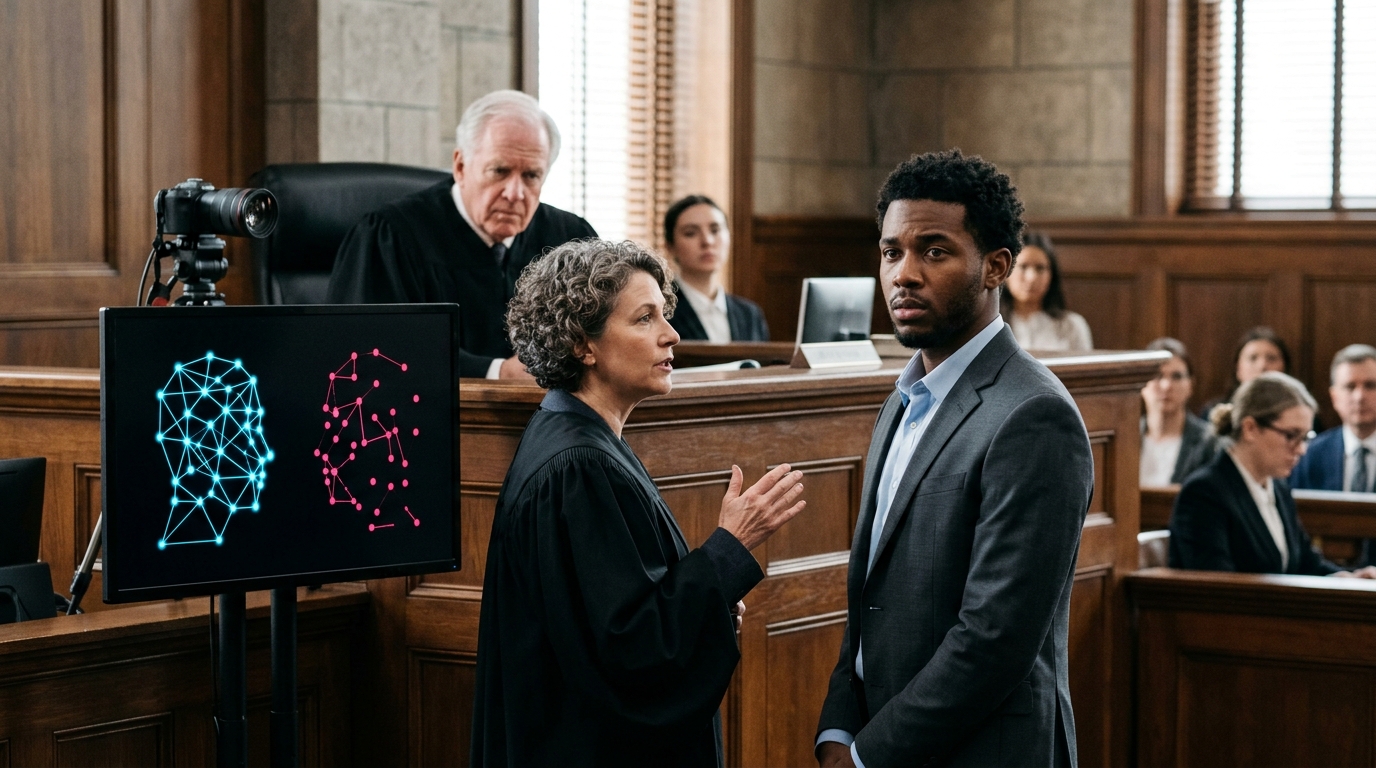
Facial-recognition lawsuits are increasingly moving beyond statistical questions about racial accuracy and toward claims about what happens when a system produces a mistaken match. If police arrest you based on an automated identification, you may challenge not only the technology’s error rate but also the conduct of the officials who relied on it without adequate verification. Wrongful-arrest claims focus attention on human accountability, especially when investigators treat a machine-generated lead as probable cause rather than a starting point for further inquiry. The ethical concern is straightforward: your dignity and liberty should not depend on an opaque score that no one has meaningfully tested.
These cases also raise difficult evidence-disclosure questions. To defend yourself, you may need access to the image used for comparison, the system’s confidence assessment, records of human review, and information about known limitations or prior errors. When agencies withhold those materials as trade secrets or security-sensitive information, you can be left unable to challenge the evidence that helped take away your freedom. Due process requires more than a formal hearing. It requires a meaningful opportunity to understand and contest the government’s case.
That shift reflects a broader philosophy of fairness in algorithmic-bias litigation, including major 2026 court battles over automated hiring systems. Courts are being asked to decide who bears responsibility when a vendor designs a flawed tool, an institution deploys it, and a person suffers the consequence. In facial-recognition cases, the answer may turn less on proving population-wide discrimination and more on whether officials used hidden or unreliable evidence in a way that denied basic procedural protections. For you, the central principle is that technological efficiency cannot replace judgment, transparency, or the right to be treated as an individual.
Lawsuits Expand Accountability for Hiring Tools
Algorithmic-bias lawsuit developments are shifting responsibility beyond the organization that makes the final decision. In 2026, litigation involving hiring tools has increasingly tested whether technology vendors can be held accountable when their systems allegedly screen out qualified applicants, even if an employer sets the hiring policy. Employers, landlords, and public agencies still face scrutiny because they choose, configure, and rely on these tools. The emerging message is that delegating a decision to an algorithm does not necessarily delegate legal or ethical responsibility.
Disparate-impact claims remain central to disputes over hiring, tenant screening, and facial recognition, although their legal footing has become more contested after a June 2026 Justice Department opinion challenged federal guidance in this area. That debate forces you to consider whether intent should control when a system produces predictable disadvantages for a protected group. A vendor may not have designed a tool to discriminate, while an employer or agency may not have intended to exclude anyone, yet the resulting pattern can still narrow access to jobs, housing, or public services. Courts and regulators are therefore examining not only what decision-makers meant, but also what they knew, what they could have tested, and whether they took reasonable steps to correct harmful outcomes.
Ultimately, these cases are reshaping fairness from a question of individual motive into a question of shared stewardship. Vendors may be expected to validate data, explain system behavior, and warn customers about foreseeable risks, while employers, landlords, and public agencies must monitor results and provide meaningful human review. For you as a citizen, worker, or applicant, the central philosophical question is difficult but unavoidable: can a system be fair when its designers avoid discriminatory intent, yet its predictable outcomes limit real opportunities for particular groups? The answer will help determine whether algorithmic decision-making becomes a tool for equal treatment or merely a more efficient way to reproduce old inequalities.
Frequently Asked Questions
1. What are the latest algorithmic bias lawsuit developments focused on?
Recent cases increasingly focus on who is legally responsible when software contributes to an unfair outcome. Lawsuits may target technology vendors, employers, landlords, or government agencies, depending on who designed, selected, operated, or relied on the system. The central issue is whether the tool simply provided information or meaningfully influenced the final decision.
2. Can an AI or employment-software vendor be sued for discrimination?
Yes, a vendor may face discrimination claims if its software helps determine who advances, who is rejected, or how decision-makers evaluate applicants. Courts may examine the vendor’s screening criteria, model design, marketing claims, level of control, and knowledge of potential discriminatory effects. These claims remain fact-specific, and filing a lawsuit does not establish liability.
3. What is a disparate-impact claim in an algorithmic bias case?
A disparate-impact claim generally argues that a neutral-looking policy or tool disproportionately harms people in a protected group, even without proof of intentional discrimination. In an AI case, you may see this theory applied to hiring, tenant screening, facial recognition, or access to public services. The legal requirements and available defenses can vary by statute and jurisdiction.
4. Does the June 2026 Justice Department opinion change these cases?
The June 2026 Justice Department opinion challenged federal guidance concerning disparate-impact claims, increasing uncertainty about how regulators and courts may approach them. It does not automatically erase existing discrimination laws or resolve every pending lawsuit. You should look closely at the governing statute, the court handling the case, and any later judicial decisions.
5. What does notice of algorithmic bias mean for a company or vendor?
Once a company or vendor learns that its system may disadvantage disabled applicants, older workers, women, racial minorities, or another protected group, it should investigate promptly and document its response. Continuing to deploy the tool without meaningful testing, warnings, or corrective action can create additional legal and reputational risk. Notice alone does not prove liability, but it may affect how a court evaluates the company’s conduct.
6. Are employers and landlords still responsible if a vendor supplied the biased tool?
Often, yes. An employer or landlord generally cannot avoid all responsibility simply by pointing to an outside vendor, particularly if it selected the tool, relied on its output, or failed to review its effects. The vendor and the organization using the system may each have different roles and defenses, which courts will assess based on the facts.
7. Does being rejected by an AI-assisted system prove discrimination?
No. An adverse result may raise important questions, but you typically need evidence connecting the system’s use to an unlawful discriminatory effect or treatment. Relevant evidence can include demographic outcome data, system records, decision criteria, accommodations requested, human review practices, and communications showing what the organization or vendor knew.
8. What should you do if you believe an automated decision harmed you?
Save rejection notices, application materials, messages, accommodation requests, and any explanation provided for the decision. Ask the organization whether it used an automated tool and whether a human review or appeal process is available, then consider speaking with an employment, housing, civil rights, or technology-law attorney. Time limits for filing administrative charges or lawsuits may apply, so prompt action matters.