

If you’ve ever struggled to cancel a subscription, the Click to Cancel rule was designed to address that frustration. Ending a service should be as easy as signing up. However, as of September 5, 2026, the federal rule is not in force. The 2024 amendments were vacated by the U.S. Court of Appeals for the Eighth Circuit before the primary compliance deadline.
That does not mean subscription cancellation requirements have disappeared. In February 2026, the FTC restored an older version of its Negative Option Rule, which primarily covers prenotification plans rather than most modern auto-renewing subscriptions. Understanding these changes can help you distinguish current obligations from proposed protections and recognize what a fair cancellation experience should look like.
Key Takeaways
- The federal 2024 Click to Cancel amendments are not in force because the Eighth Circuit vacated them before the primary compliance deadline. The FTC’s restored Negative Option Rule mainly covers prenotification plans, not most modern auto-renewing subscriptions.
- New York City adopted a local Click to Cancel rule in July 2026, reflecting a broader consumer-protection standard that cancellation should not be materially harder than enrollment.
- Confusing menus, hidden links, repeated retention offers, mandatory calls, and pressure-based prompts can undermine consumer autonomy by making cancellation deliberately difficult.
- A fair subscription process makes cancellation easy to find, clearly explains when charges stop, confirms completion, and avoids unnecessary obstacles or manipulation.
Introduction To The Click To Cancel Rule
The Click to Cancel rule centers on your autonomy in the subscription economy. Signing up for a service may take only a few taps, yet ending recurring payments can involve confusing menus, repeated offers, or a requirement to speak with someone. These obstacles are examples of deceptive design, sometimes called dark patterns, because they steer you toward continuing a choice you may no longer want. The central principle is simple: canceling a subscription should be no harder than starting it.
This issue also raises an ethical question about nudging and freedom of choice. A reminder about the value of a service can be helpful, but a maze of screens, unclear language, or hidden cancellation links can turn persuasion into manipulation. The Click to Cancel approach does not prohibit subscriptions or renewal reminders, and it does not remove your responsibility to make decisions. Instead, it asks whether the design gives you a genuine choice, clear information, and a practical way to act on your decision.
New York City’s adoption of the rule in July 2026 brings that debate into local policy and everyday consumer life. You may encounter the issue with a fitness membership, digital service, delivery plan, or another recurring payment that continues month after month. Because the federal version of the FTC rule is not currently in force, local action may become especially important as cities respond to gaps in consumer protection. New York City’s approach therefore treats cancellation not merely as a contract detail, but as a matter of fairness, digital freedom, and control over your own money.
The Federal Click To Cancel Rule
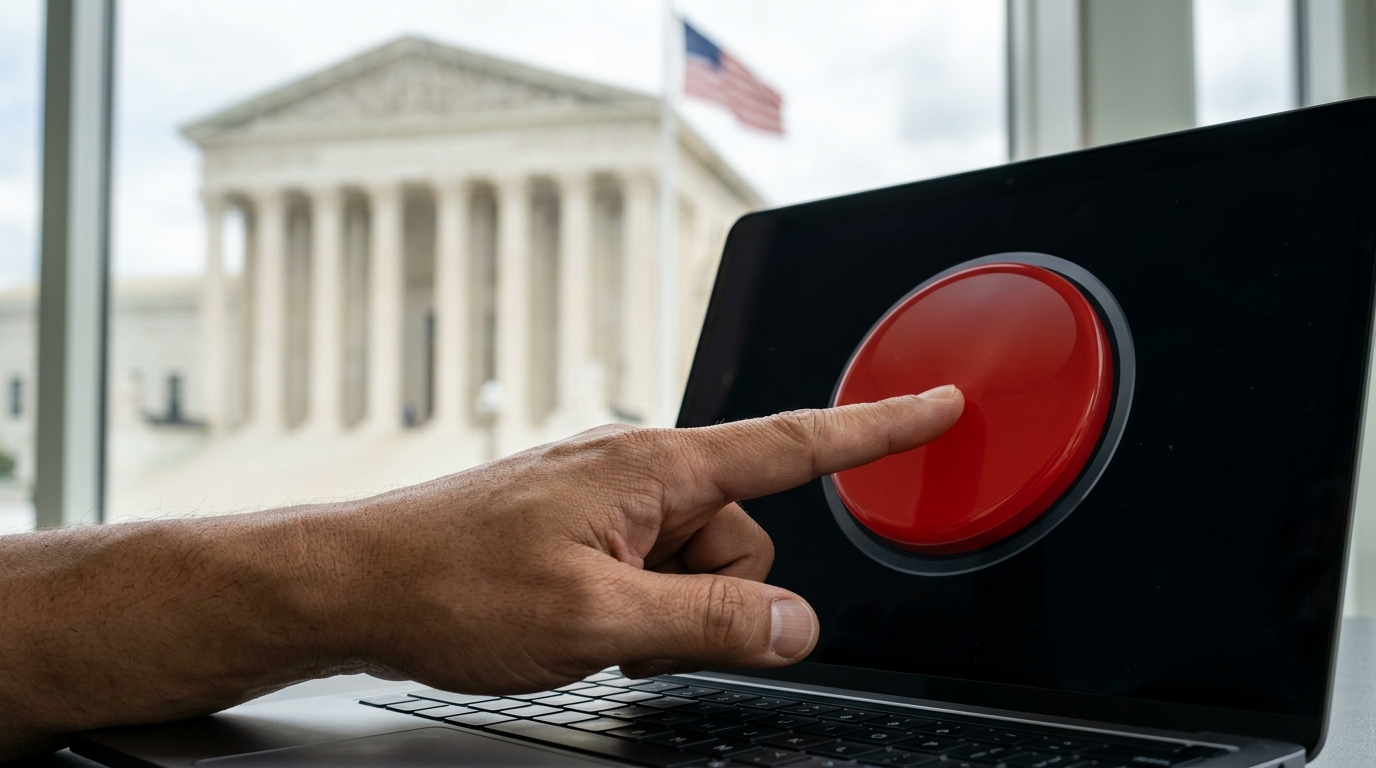
The federal Click to Cancel rule was built around a simple principle: ending a subscription should be as easy as starting one. Under the FTC’s 2024 amendments, if you enrolled online, you generally would have been able to cancel online instead of navigating a phone call or an obstructive process. Recurring charges also would have had to stop promptly after cancellation. The goal was to limit deceptive design, including confusing screens, hidden links, and repeated attempts to change your mind. In practice, the rule treated your ability to leave as an important part of meaningful consumer choice.
That federal standard is not currently in force. The Eighth Circuit vacated the 2024 amendments on July 8, 2025, before the primary compliance deadline, and the FTC restored the older Negative Option Rule in February 2026. The older rule primarily addresses prenotification plans, such as product-of-the-month clubs, so it reaches far fewer modern auto-renewing subscriptions than many consumers expect. You may therefore encounter a narrower federal baseline, even when a cancellation process feels deliberately harder than enrollment.
New York City’s adoption of a Click to Cancel rule in July 2026 highlights how local policy is responding to that gap. When a subscription uses nudges, friction, or carefully timed prompts to discourage cancellation, the issue involves more than convenience. It also concerns whether your decision remains genuinely voluntary. Requiring a straightforward way out can protect consumer autonomy by ensuring that design informs you without trapping you. The practical lesson is to look beyond the label and determine which federal, state, or local protections apply to the subscription in question.
New York City’s July 2026 Rule
New York City’s July 2026 adoption of the Click to Cancel rule reflects a local effort to protect your freedom of choice in the subscription economy. Its central idea is straightforward: ending a recurring service should not be materially harder than starting one. That principle challenges enrollment designs that use urgency, unclear disclosures, or default settings to steer you toward a commitment you may not fully understand. In practical terms, the rule treats cancellation friction as a consumer protection issue, not merely a customer service inconvenience.
You should be able to find the cancellation option without navigating confusing menus or searching through account settings for a hidden link. A business that repeatedly presents retention offers, forces you to reject several discounts, or makes you explain your decision multiple times may be using design to discourage cancellation. Requiring unnecessary contact with customer service can create another barrier, particularly when you enrolled online and there is no comparable reason to make cancellation an offline process. The goal is not to prevent legitimate offers or assistance, but to ensure that saying no remains clear, direct, and effective.
The New York City approach also raises a broader ethical question about nudging: when does helpful guidance become manipulation? A reminder about unused benefits may inform you, while misleading labels, preselected choices, or an endless sequence of prompts can undermine your ability to decide freely. Because the federal Click to Cancel amendments were vacated before taking effect, and the restored federal rule does not cover most modern auto-renewing subscriptions, local protections may be particularly important. You should still review the final city requirements and the cancellation instructions provided by the business, but the underlying standard is easy to understand: enrollment should not be a doorway that is simple to enter and deliberately difficult to leave.
Subscription Nudges And Consumer Autonomy

New York City’s adoption of the Click to Cancel rule in July 2026 puts consumer autonomy at the center of the subscription economy. If you can join a service online in a few steps, you should be able to leave through a similarly clear and convenient process. That standard matters because cancellation can be influenced by more than an outright refusal. A discount, repeated reminder, guilt-based message, or maze of screens may steer you toward staying while technically preserving your ability to quit. Helpful design gives you relevant information and time to decide, while deceptive design uses friction and pressure to make your preference harder to act on.
The federal Click to Cancel amendments are not currently in force. A federal appeals court vacated them in July 2025, and the FTC restored an older rule that mainly addresses prenotification plans. That gap makes local efforts and everyday business practices especially important to monitor, while also showing why the phrase “click to cancel” refers to more than one regulation. When you evaluate a subscription, ask whether the path out is as visible, understandable, and accessible as the path in. A genuinely free choice does not require you to negotiate with a chatbot, search through hidden settings, or withstand emotional pressure before your decision is accepted.
Conclusion On Click To Cancel Rule
The federal Click to Cancel rule is not currently in force. The Eighth Circuit vacated the FTC’s 2024 amendments on July 8, 2025, before the primary compliance deadline, removing the broader federal requirement that cancellation be as easy as enrollment. In February 2026, the FTC restored the older Negative Option Rule, but that baseline mainly addresses prenotification plans, such as product-of-the-month clubs, rather than most modern auto-renewing subscriptions. This distinction matters because a business may face fewer federal obligations than the original rule would have imposed, even when its cancellation process remains confusing or deliberately difficult.
New York City’s adoption of a local Click to Cancel rule in July 2026 represents a different response, one focused on consumer autonomy and the risks of deceptive design. When a subscription uses repeated prompts, hidden links, or unnecessary obstacles to steer you away from canceling, it is not merely creating friction. It is shaping your decision through nudging. You deserve a process that respects your ability to change your mind, whether or not federal law requires a particular button or pathway. Click to Cancel is therefore not only a compliance question, but also a test of whether subscription businesses respect your time, attention, and freedom to change your mind.
Why Click to Cancel Protects Your Choice
New York City’s adoption of the Click to Cancel rule in July 2026 highlights a basic principle of consumer autonomy: ending a subscription should not be harder than starting one. When a business uses confusing menus, repeated offers, or mandatory phone calls to delay cancellation, it can turn a design choice into a barrier. These tactics are often called deceptive design, especially when they steer you toward staying without giving you a clear, informed choice. By requiring a simpler way out, the rule treats your time, attention, and freedom to change your mind as interests worth protecting.
The federal Click to Cancel rule is not currently in force because the 2024 amendments were vacated in July 2025, and the FTC restored an older rule that mainly covers prenotification plans. That federal uncertainty makes New York City’s action especially important for the broader subscription economy, where local policy may shape expectations for clearer and fairer cancellation practices. As you evaluate a subscription, the key question is not only whether you agreed to the initial charge, but also whether you can leave without friction designed to wear you down. The Click to Cancel rule reflects an ethical standard as much as a legal one: convenience should support your choices, not quietly override them.
Frequently Asked Questions
1. What is the Click to Cancel rule?
The Click to Cancel rule is designed to make ending a subscription as easy as starting one. It targets confusing menus, hidden cancellation links, repeated retention offers, and other design choices that can make it difficult for you to stop recurring charges.
2. Is the federal Click to Cancel rule currently in effect?
No. As of September 5, 2026, the 2024 federal amendments are not in force because the U.S. Court of Appeals for the Eighth Circuit vacated them before the primary compliance deadline. Businesses should therefore distinguish those vacated requirements from other consumer protection rules that remain effective.
3. What happened to the FTC’s older Negative Option Rule?
In February 2026, the FTC restored an older version of its Negative Option Rule. That rule mainly addresses prenotification plans, so it does not cover most modern automatically renewing subscriptions in the same broad way that the Click to Cancel amendments were intended to.
4. Does the rule mean every subscription must be cancellable with one click?
The central principle is that cancellation should not be more difficult than enrollment, but the vacated federal amendments do not currently impose that nationwide standard. Other laws, contracts, or state and local requirements may still affect how a business must handle cancellation, so you should check the rules that apply to your location and service.
5. What counts as a problematic cancellation experience?
A cancellation process becomes problematic when it uses unclear language, buries the cancellation option, forces you through unnecessary screens, or repeatedly pressures you to stay. A helpful reminder about a service can support an informed choice, but a maze designed to wear you down can undermine your freedom to decide.
6. What should you look for in a fair subscription cancellation process?
You should be able to find the cancellation option easily, understand what will happen after you select it, and complete the process without unnecessary obstacles. The service should clearly disclose when payments stop, whether access continues through the current billing period, and how to confirm that your cancellation was completed.
7. Does the Click to Cancel approach ban subscriptions or renewal reminders?
No. It does not prohibit subscriptions, automatic renewals, or clear reminders about the value of a service. Its focus is whether you receive accurate information and a practical, genuine opportunity to choose whether the subscription continues.
8. How does New York City fit into the Click to Cancel debate?
New York City adopted the rule in July 2026, bringing the issue into local consumer policy and everyday subscription practices. If you subscribe to a service in New York City, review the applicable local requirements and keep records of cancellation requests, confirmation messages, and later charges.