
What happens when paid work no longer determines whether you can live securely, belong in society, or feel that your life has meaning? The philosophy of a post-work society asks you to rethink assumptions about income, identity, status, and purpose in an age of automation and rising productivity. Its central concern is not whether people will stop contributing, but who controls the systems that create wealth and who benefits from them.
A post-work future could give you more time for care, creativity, education, civic life, and genuine leisure. Reaching it requires more than technological progress. It demands new answers about ownership, distribution, dignity, and social connection. Understanding these ideas helps you distinguish realistic possibilities from simplistic promises that automation alone will set everyone free.
Key Takeaways
- A post-work society is not a world without work; it is one where survival and social worth no longer depend primarily on paid employment. Automation could enable shorter hours and more freedom for care, creativity, education, civic participation, and leisure, but only if its gains are shared fairly.
- Technology alone will not create economic freedom. Ownership of automated systems, bargaining power, taxation, public services, income guarantees, and democratic control will determine whether productivity reduces insecurity or concentrates wealth and opportunity.
- A humane post-work society must address the purpose gap created when careers lose their central role. Caregiving, relationships, learning, creative activity, volunteering, and civic participation must receive meaningful recognition, structure, and opportunities for belonging.
- The transition to post-work is a gradual political choice, not an imminent technological inevitability. Its success depends on building institutions that guarantee security, dignity, access to essentials, social connection, and meaningful contribution beyond the labor market.
Automation And The Post-Work Transition
Post-work society philosophy asks you to look beyond whether artificial intelligence will eliminate jobs. As AI systems, robotics, and other forms of automation increase productivity, some tasks may disappear while others are redesigned around human judgment, care, creativity, and oversight. A warehouse role might involve fewer repetitive movements but more coordination, while an office position could shift from producing routine documents to evaluating complex decisions. This distinction matters because job displacement is not the same as the end of work, and current economic trends do not suggest that a fully post-work society is imminent.
The more realistic possibility is a gradual transition toward shorter working hours and a broader definition of economic contribution. If productivity gains are shared through higher wages, public services, income guarantees, or reduced working hours, you may have more time for education, caregiving, community participation, and creative activity. Yet automation alone cannot produce that outcome. Ownership of automated systems, bargaining power, and public policy determine who benefits from new technology. Without fair distribution, productivity growth could deepen insecurity while concentrating wealth and meaningful opportunities among a smaller group.
At the heart of this debate is a purpose gap: what gives your life structure and meaning when paid employment is no longer its central measure of worth? Work can provide income, identity, routine, status, and social connection, so reducing compulsory labor requires more than simply freeing up time. A genuinely post-work society would need new ways for you to access security, belonging, recognition, and opportunities to contribute. The goal is not a world where nobody does anything, but one where survival is less dependent on selling your time and meaningful activity is more widely available.
Ownership Income And Economic Freedom
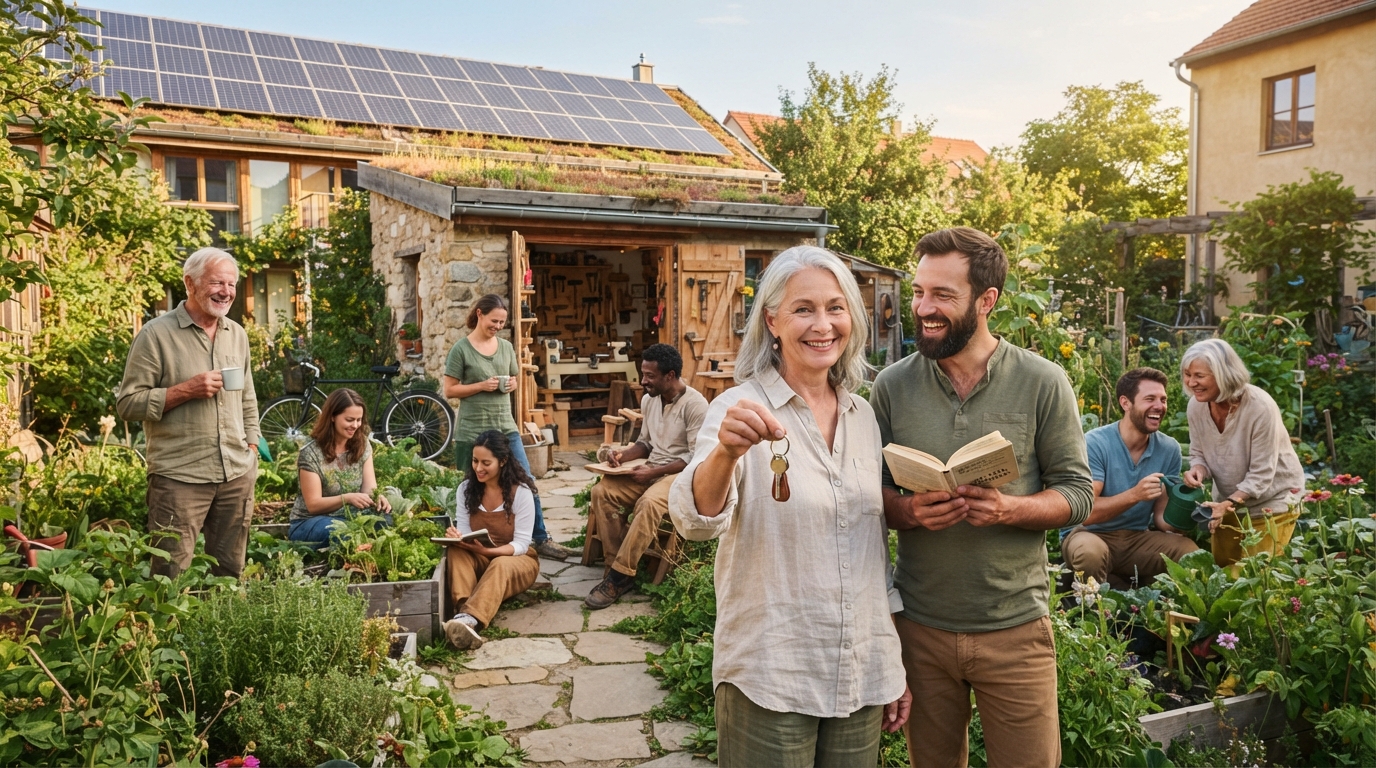
In a post-work society, economic freedom depends less on whether automation creates enough wealth and more on who controls the machines, data, and infrastructure that produce it. If automated systems remain privately owned, productivity gains may enrich a narrow group while you face declining wages, insecure work, or exclusion from basic resources. Universal basic income offers one response by giving every person a regular cash payment, allowing you to meet essential needs without tying survival to a job. Its philosophical appeal is clear: income becomes a shared claim on society’s productive capacity rather than a reward reserved for those able to sell their labor.
Universal basic services take a different approach by guaranteeing access to essentials such as healthcare, housing, education, transportation, and internet connectivity. This can reduce the pressure to accept any available job while ensuring that economic freedom is measured by what you can actually access, not simply by the money in your bank account. Wealth redistribution through taxation on capital, land, inheritance, or automated production can fund these guarantees and address unequal ownership of technology. Yet critics may ask whether redistribution treats the symptoms while leaving concentrated control intact.
Democratic ownership goes further by asking you to see automated productive systems as institutions that should be governed collectively. Public trusts, worker cooperatives, municipal ownership, or shared social funds could allow communities to decide how technological gains are invested and distributed. This model also addresses the purpose gap that emerges when paid employment no longer structures your daily life, since meaningful participation could shift toward care, creativity, learning, civic life, and voluntary contribution. The central philosophical challenge is not how to make people work less, but how to build a society where security, dignity, belonging, and purpose are available beyond the labor market.
Meaning Status And Human Purpose
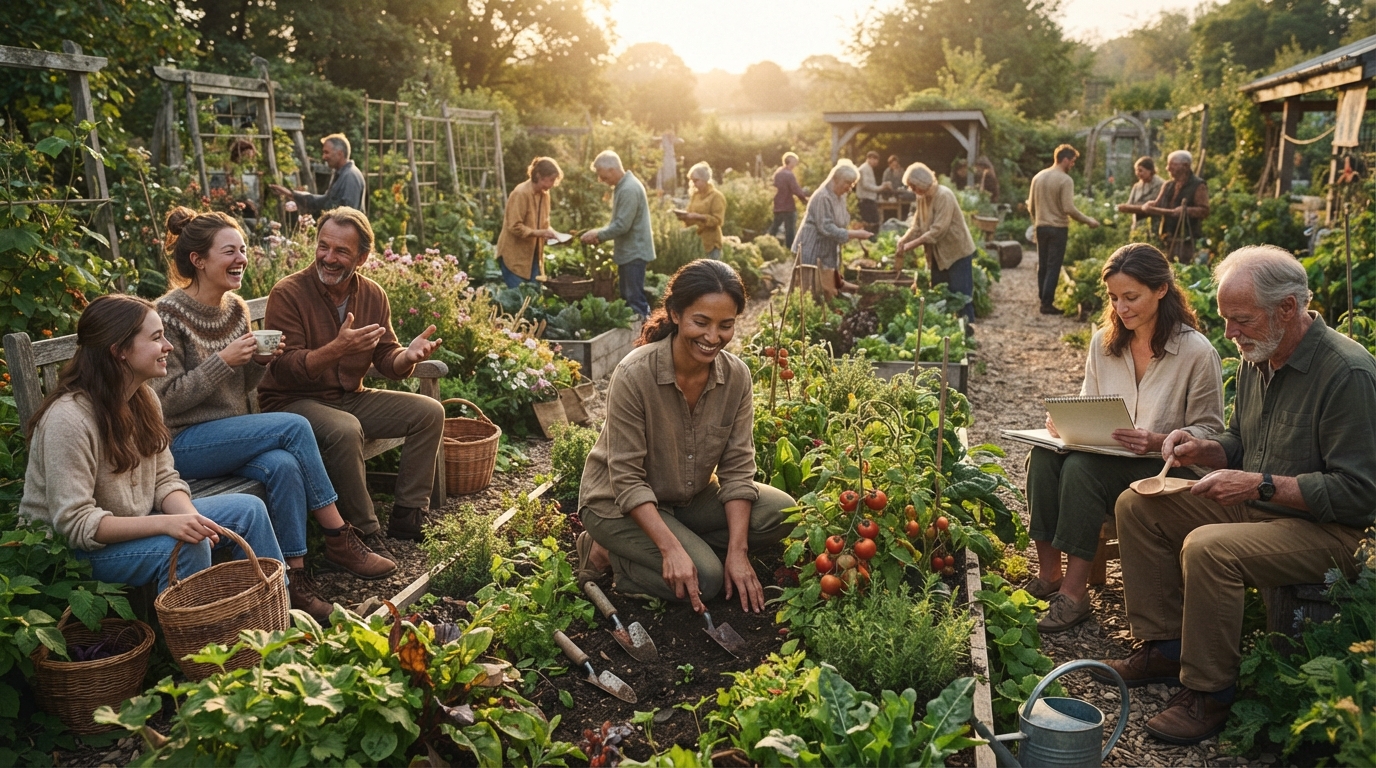
When paid employment no longer determines your income or daily schedule, you may need to rethink where identity and social status come from. In a post-work society shaped by automation, your value would not have to depend on a job title, salary, or productivity measured in market terms. Caregiving, parenting, mentoring, and supporting older or disabled people could become more visible forms of contribution rather than private responsibilities that receive little recognition. Education and creative work could also give your days direction, whether you are learning a new subject, making art, or developing ideas that benefit your community. The challenge is to build institutions and cultural norms that respect these activities instead of treating them as idle time.
Purpose can also grow through civic participation, relationships, and voluntary projects that let you shape the world around you. You might help govern a neighborhood, restore a local environment, contribute to a shared research effort, or devote time to causes that paid work leaves no room to pursue. These activities offer forms of status based on trust, wisdom, generosity, and commitment rather than income alone. Yet freedom from compulsory labor does not automatically produce fulfillment, because work has traditionally supplied structure, routine, recognition, and regular contact with other people. Without thoughtful alternatives, you could experience isolation or feel that your life lacks direction even when your material needs are secure.
A humane post-work philosophy therefore treats meaning as a social resource, not merely a private mindset. Communities would need accessible spaces, learning opportunities, rituals, and shared projects that help you connect effort with belonging and purpose. Fair access to income matters as well, since a society that removes jobs without distributing automation’s benefits could deepen status anxiety and exclusion rather than create freedom. The goal is not to eliminate activity, ambition, or excellence, but to let you choose them without the constant threat of economic insecurity. In that sense, the purpose gap becomes a political question about how society recognizes contribution and helps each person participate in a meaningful life.
Rethink Freedom in a Post-Work Society
Post-work society philosophy is less a prediction that paid employment will disappear than a debate about what freedom could mean when automation reduces the need for human labor. You are invited to ask whether freedom means simply having more leisure or having real control over your time, livelihood, and opportunities. The answer also depends on fairness: if automated systems create enormous wealth, who owns them, and how are their gains shared? Without broader access to income, education, healthcare, and social recognition, a future with less work could deepen inequality rather than expand human choice.
The purpose gap is just as important as the economic question. If your identity and sense of belonging have long been tied to a job, fewer hours of paid work may require new ways to value care, creativity, learning, civic participation, and voluntary contribution. That transition will not happen automatically. Institutions will shape who benefits, cultural values will influence what society respects, and ownership will determine how security is distributed. You should therefore view the future of labor as a political choice shaped by institutions, cultural values, and how society defines a worthwhile life.
Frequently Asked Questions
1. What is post-work society philosophy?
Post-work society philosophy examines how life could change if paid employment no longer determined your access to income, security, status, or belonging. It asks how society should distribute wealth, organize contribution, and support meaning when technology reduces the amount of labor needed to produce goods and services. The goal is not to eliminate all useful activity, but to reduce the power that compulsory employment holds over your life.
2. Does a post-work society mean that nobody will work?
No. A post-work society would not necessarily end all work, because people would still care for others, create, learn, solve problems, and contribute to their communities. The key change is that you would have more freedom to choose meaningful activities instead of depending on a full-time job for basic security and social recognition.
3. How could automation contribute to a post-work transition?
Artificial intelligence, robotics, and other technologies can increase productivity by handling repetitive, dangerous, or routine tasks. Some jobs may disappear, while others may be redesigned around human judgment, creativity, care, coordination, and oversight. Automation creates the possibility of shorter working hours, but it cannot guarantee that outcome without changes to ownership, bargaining power, and economic policy.
4. What are the main benefits of a post-work society?
You could gain more time for caregiving, education, creative projects, civic participation, rest, and relationships. A broader definition of contribution could also recognize activities that are socially valuable but often unpaid, such as raising children, supporting relatives, or maintaining community life. These benefits depend on whether productivity gains are shared fairly rather than concentrated among owners of technology and capital.
5. Why are ownership and wealth distribution central to post-work philosophy?
Automation may produce greater abundance, but the benefits will remain unequal if a small group owns the systems that generate wealth. Post-work philosophy therefore focuses on questions such as who controls productive technology, who receives its gains, and how everyone can access essential goods and services. Possible responses include stronger public services, income guarantees, worker ownership, wealth redistribution, and reduced working hours.
6. How would people find meaning without traditional careers?
You might find meaning through relationships, creative work, learning, care, volunteering, political participation, or projects that reflect your values. This transition could be difficult because paid employment often provides structure, recognition, community, and a sense of identity, not just income. A post-work society would need new institutions and cultural norms that support belonging and purpose beyond occupational status.
7. What policies could help create a post-work society?
Useful policies could include shorter workweeks, universal basic income, strong public services, universal basic services, lifelong education, and protections for people displaced by automation. Worker ownership and democratic control of technology could help ensure that productivity gains are broadly shared. No single policy is sufficient, because the transition involves income, time, housing, healthcare, education, and social recognition.
8. Is a fully post-work society likely to happen soon?
A fully post-work society is not imminent, even though automation is already changing many occupations. The more realistic possibility is a gradual transition in which some tasks disappear, jobs are redesigned, and working hours decline in certain sectors. Whether that transition improves your life will depend less on technology alone than on political choices about ownership, distribution, dignity, and social connection.