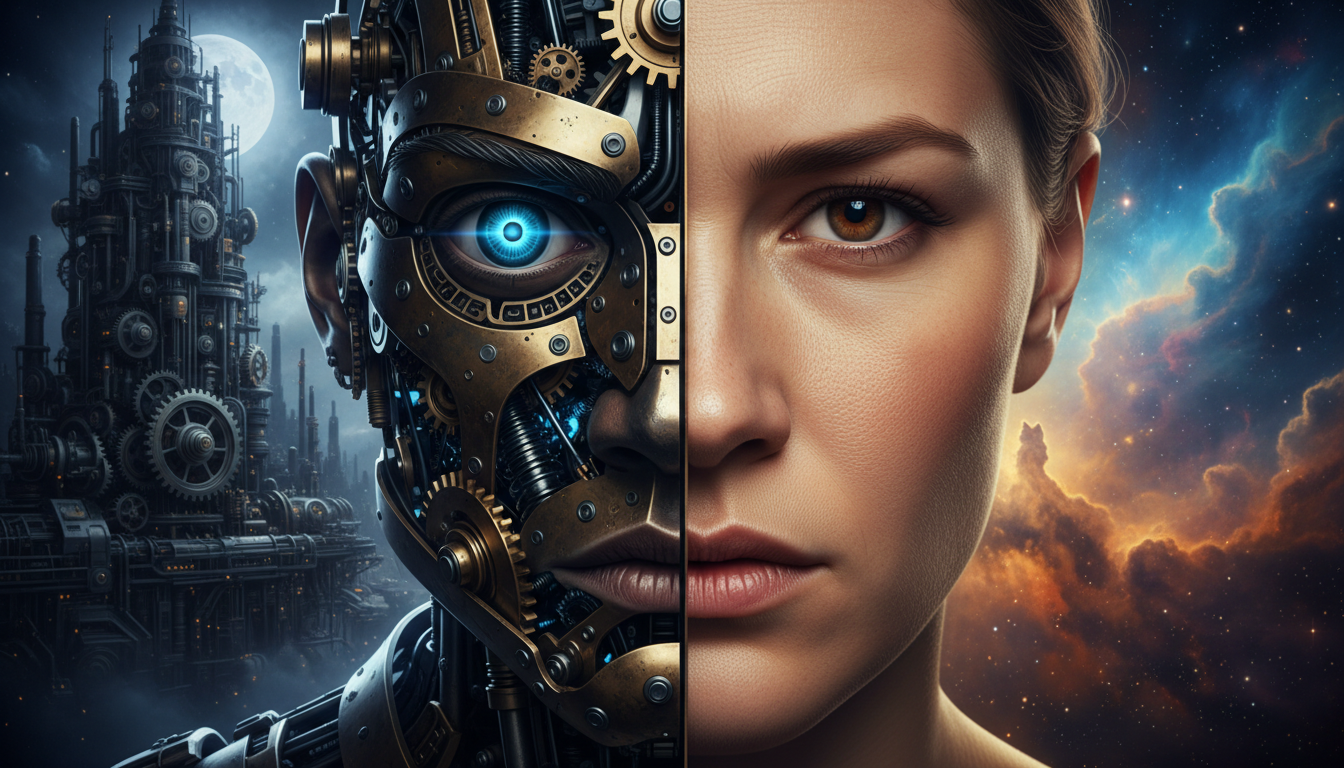
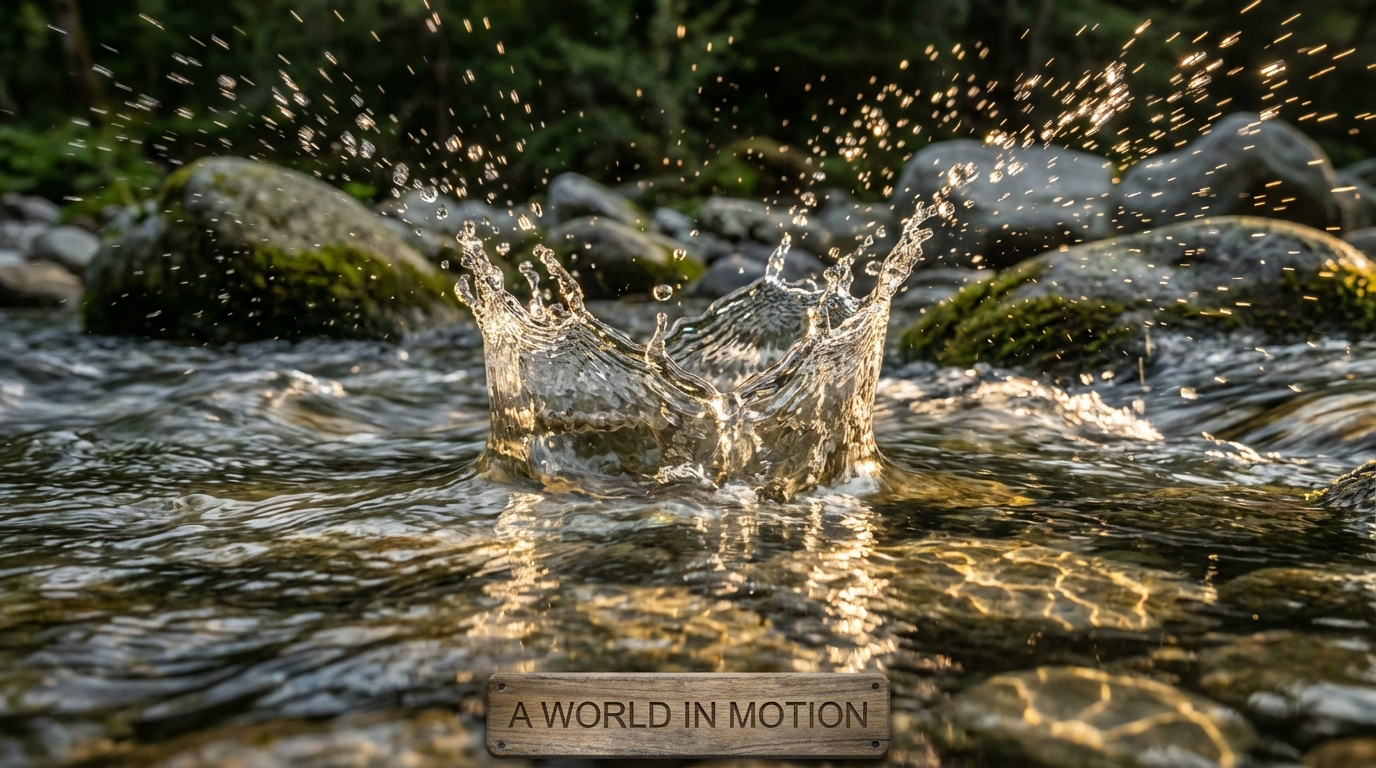
Take a look at the world around you and you might see a collection of solid, unchanging objects like trees, buildings, and stones. However, if you look closer, you will realize that nothing is truly static; every thing you see is actually a dynamic flow of energy and transformation. This process philosophy overview invites you to shift your perspective from a world of fixed substances to a world of constant becoming. By embracing this framework, you can begin to see reality not as a series of nouns, but as a vibrant symphony of verbs.
When you stop viewing yourself and the universe as permanent entities, you unlock a deeper understanding of how change defines your very existence. In this view, pioneered by thinkers like Alfred North Whitehead, the primary units of reality are not atoms or matter, but momentary events and actual occasions. You are not a static observer watching a changing world; you are a continuous, creative process intimately woven into the fabric of an evolving cosmos. Understanding these fluid patterns allows you to manage the complexities of life with a newfound sense of interconnectedness and purpose.
Key Takeaways
- Reality is a dynamic flow of constant becoming rather than a collection of static, unchanging objects or substances.
- The fundamental building blocks of existence are ‘actual occasions,’ which are momentary pulses of experience and events that flash into existence and perish.
- Nothing exists in isolation because every event ‘prehends’ or incorporates the history of the entire universe into its own unique present.
- Shifting your perspective from being to becoming empowers you to act as a creative participant in an interconnected cosmic process rather than a passive observer.
From Static Objects To Dynamic Becoming
Imagine you are looking at a mountain, an object that seems to represent the very definition of permanence and stability. In the traditional view of metaphysics, you see this mountain as a static substance that occasionally undergoes change, but process philosophy asks you to flip that perspective entirely. Instead of seeing a solid object that happens to change, you begin to see a mountaining event, a continuous flow of geological shifts, weather patterns, and biological cycles. You are no longer observing a world of things that exist in time, but rather a world made of interconnected activities where change is the fundamental reality.
Alfred North Whitehead, the pioneer of this modern framework, suggests that the primary units of reality are not tiny bits of matter, but what he calls actual occasions. You can think of these as momentary pulses of experience or events that flash into existence and then perish, leaving a mark on everything that follows. When you look at a person or a rock, you are actually witnessing a stable pattern of these energetic events repeating themselves over time. This shift means you are not a permanent, unchanging soul trapped in a body, but a beautiful and complex series of experiences constantly renewing itself.
By embracing this dynamic worldview, you start to see that nothing in your life is truly stuck or frozen in a final state. Because reality is defined by becoming rather than being, every moment offers a fresh opportunity for novelty and creative transformation. You are part of a vast, interconnected web of processes where every action and event resonates through the entire system. This perspective grants you a deeper sense of agency and connection, as you realize that you are an active participant in an ongoing cosmic story that is never truly finished.
Alfred North Whitehead And Actual Occasions
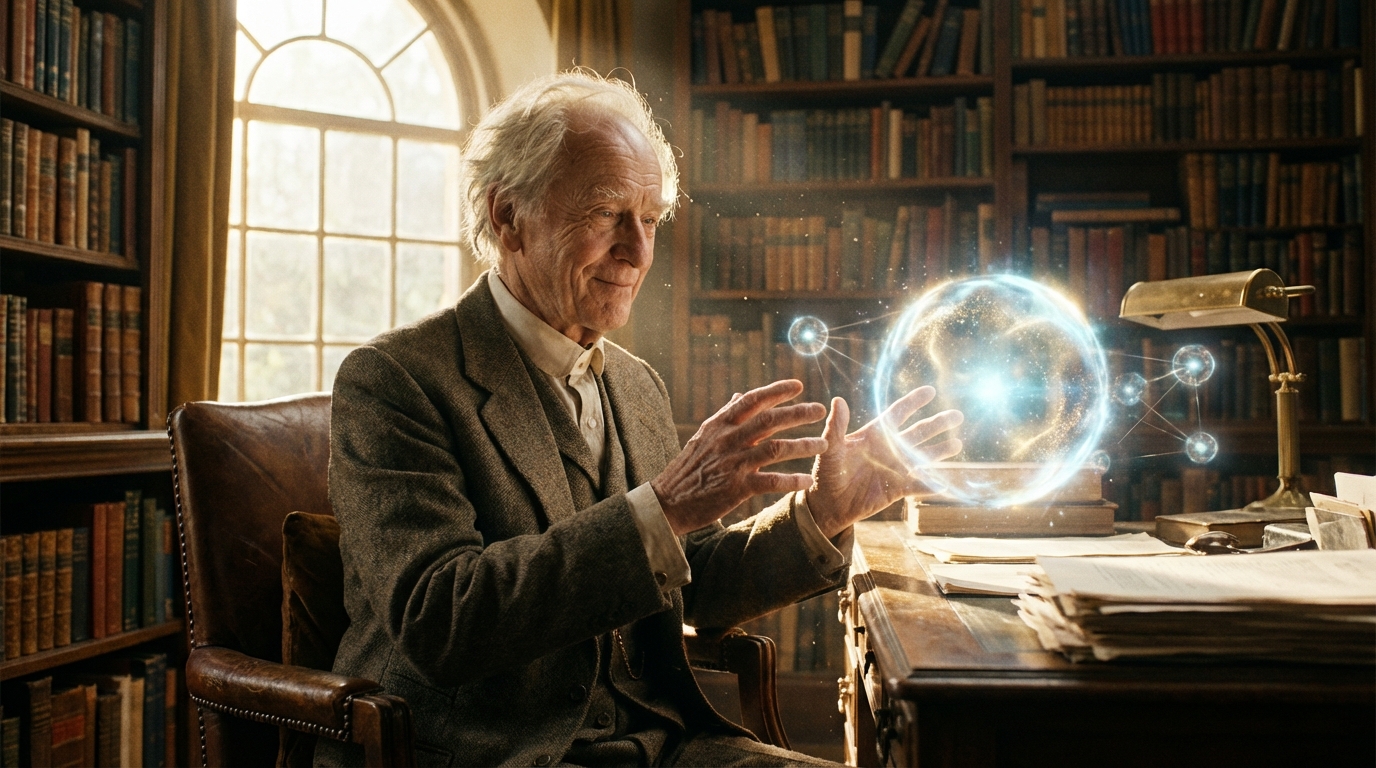
Alfred North Whitehead invites you to rethink the universe not as a collection of solid things, but as a vibrant flow of interconnected happenings. In his landmark work, he challenges the traditional view that reality is made of permanent, static substances that simply move around. Instead, you can imagine the world as a continuous stream of creative activity where change is the only constant. By shifting your focus from what things are to how they become, you begin to see the world as a dynamic web of relationships. This perspective replaces the cold machinery of a clockwork universe with a living system that is always in the making.
At the heart of this philosophy, you will find what Whitehead calls actual occasions, which are the fundamental building blocks of everything you experience. These are not tiny particles or physical objects, but momentary pulses of experience that flash into existence and then perish to make room for the next event. Every person, tree, and planet is actually a complex society of these microscopic events occurring in rapid succession. You are not a static entity that stays the same from birth to death, but a unique series of occasions that inherit characteristics from the past. This means that your very existence is a creative act of processing information and energy from one moment to the next.
When you look at the world through the lens of actual occasions, you realize that nothing exists in total isolation. Each momentary event incorporates the entire history of the universe into itself before contributing its own unique value back to the whole. This interconnectedness means that you are deeply involved in the unfolding of reality, as every choice and experience leaves a mark on the future. Whitehead’s vision offers you a profound sense of agency and belonging in a universe that is never finished. By understanding these foundational events, you gain a deeper appreciation for the natural world and the fluid, experiential nature of your own life.
Understanding Prehension And The Web Of Connection
Imagine you are not a static object moving through time, but rather a continuous series of events that are constantly unfolding. In the framework of process philosophy, Alfred North Whitehead introduces the concept of prehension to describe how you interact with everything around you. This idea suggests that every moment of your existence is actually an act of grasping or taking account of the past to form a new present. You are not just observing the world from a distance, because you are actively absorbing the data of your environment and your own previous subjective experience. This process ensures that nothing in the universe exists in total isolation, as every new event is built from the remnants of what came before it.
As you consider this web of connection, you begin to see that reality is a fluid tapestry of interrelated occasions rather than a collection of solid, separate things. Each actual occasion or moment of experience reaches out to incorporate the energy and information of its surroundings, creating a deep sense of universal intimacy. This means that your current state is physically and mentally shaped by the entire history of the world that preceded this exact second. By understanding prehension, you can appreciate how change is the only true constant in a reality that is always becoming something new. This perspective shifts your focus from what things are to how things happen, highlighting the beautiful and complex interdependence of all existence.
Embracing Your Life as a Continuous Becoming
Embracing the perspective of process philosophy allows you to see yourself not as a finished product, but as a continuous flow of creative potential. When you stop viewing your life as a collection of static traits or fixed achievements, you begin to recognize that you are a series of interconnected events and choices. This shift in mindset encourages you to appreciate the beauty in your own evolution and the constant flux of the universe. By focusing on becoming rather than simply being, you gain the freedom to redefine your identity in every passing moment.
This metaphysical framework also deepens your connection to the world around you by highlighting the profound interdependence of all things. You are not an isolated observer standing apart from reality, but an active participant in a vast web of actual occasions that shape the cosmos. Every interaction you have and every thought you process contributes to the ongoing tapestry of existence, making your individual experience vital to the whole. Understanding this relationship fosters a sense of responsibility and belonging, as you realize that your personal growth is intricately tied to the movement of the entire universe.
Living through the lens of process transforms how you handle change, turning it from something to be feared into an essential part of your nature. This non-dualistic understanding helps you handle the transitions of life with greater resilience and a sense of curiosity about what the next moment will bring. Ultimately, viewing reality as a collection of events empowers you to embrace your role as a co-creator in an ever-unfolding story of cosmic development.
Frequently Asked Questions
1. What is the core idea behind process philosophy?
At its heart, process philosophy teaches you that change is the fundamental reality of the universe. Instead of seeing the world as a collection of static, solid objects, you learn to view everything as a dynamic flow of events and constant becoming.
2. Who is the primary thinker associated with this framework?
Alfred North Whitehead is the leading figure who pioneered this modern philosophical perspective. He shifted the focus from permanent substances to momentary events, which he called actual occasions, to better describe how the world truly functions.
3. How does process philosophy change how you view yourself?
You are no longer seen as a static observer watching a changing world, but as a continuous and creative process. This view helps you recognize that you are intimately woven into the fabric of an evolving cosmos rather than being a separate, fixed entity.
4. What does it mean to see the world as verbs instead of nouns?
This means you stop looking at things as permanent objects and start seeing them as ongoing activities. For example, a mountain is not just a solid rock, but a mountaining event comprised of geological shifts, weather patterns, and biological cycles.
5. How can this perspective help you manage daily life?
By embracing the reality of change, you can move through life’s complexities with a greater sense of purpose and interconnectedness. It allows you to let go of the need for rigid permanence and instead find harmony within the natural flow of transformation.
6. Does process philosophy deny the existence of physical matter?
It does not deny matter, but it redefines it as a pattern of energy and activity rather than a lifeless substance. You learn to see what we call matter as a series of momentary events that are interconnected across time and space. This concept is famously illustrated by the Ship of Theseus paradox, which questions how identity persists through total material replacement. Many process thinkers also explore the depth of panentheism to understand how the divine relates to this ever-changing material world.