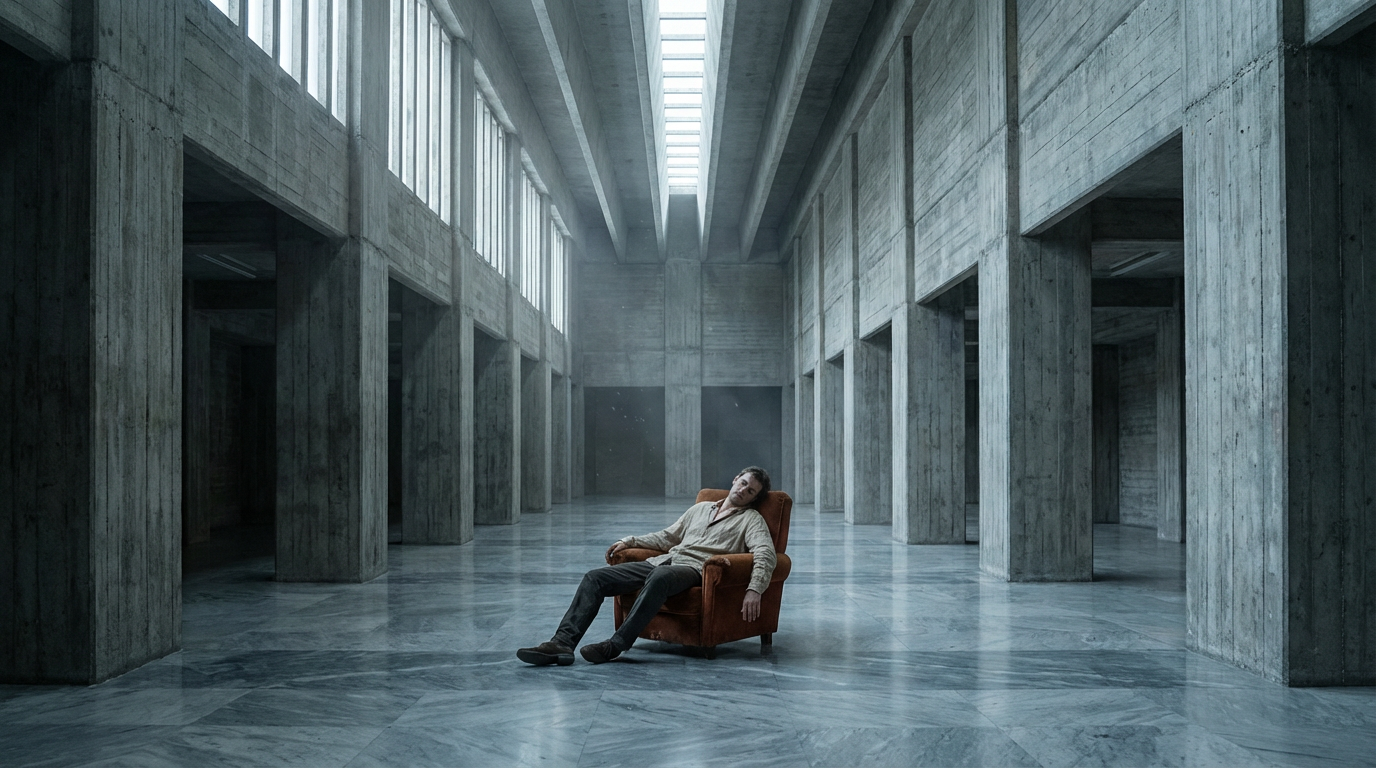

You likely view your weekends as a brief recovery period from the grind, but the ancient world saw your free time as the very purpose of human existence. Exploring the philosophy of leisure reveals that true rest isn’t just about escaping your inbox; it is a deliberate, active pursuit of the things that make life worth living. When you shift your perspective from passive relaxation to meaningful contemplation, you reclaim your agency from a culture that values you only for your productivity.
Aristotle famously argued that we work specifically so that we may have leisure, positioning it as the ultimate goal of a virtuous life rather than a mere break between shifts. By treating your time off as a space for self-development and rational discourse, you transform idleness into a profound act of resistance against burnout. Understanding this historical framework allows you to design a life where your worth is defined by your presence and curiosity, not just your output.
Key Takeaways
- Leisure is the ultimate goal of human existence rather than a mere recovery period for work, serving as a space for the active pursuit of virtue and self-development.
- True rest requires a shift from passive entertainment to ‘serious leisure,’ which involves the deliberate exercise of your faculties through learning, craftsmanship, or deep contemplation.
- Reclaiming free time is an act of resistance against modern productivity culture that shifts your identity from what you produce to who you are at your core.
- The highest form of living is achieved through ‘ataraxia,’ a state of tranquil satisfaction found by prioritizing genuine presence and curiosity over quantifiable output.
From Schole To Virtue: The Aristotelian Ideal Of Leisure
You likely view free time as a way to recover from work, but the ancient Greeks saw it through a much more ambitious lens. The word schole, which is the root of our modern word for school, suggests that leisure is actually a space for learning and higher pursuits rather than just mindless rest. While you might be tempted to spend your weekends scrolling through digital feeds to escape burnout, Aristotle famously argued that we work specifically so that we can have leisure, positioning it as the foundation of a life well lived. By shifting your perspective, you can transform your downtime from a passive void into a deliberate practice of being.
Transitioning from passive relaxation to the pursuit of virtue requires you to engage in activities that nourish your soul and expand your mind. True leisure involves the active exercise of your faculties, such as engaging in deep conversation, practicing an art form, or contemplating complex ideas. Instead of merely seeking entertainment to pass the time, you can choose activities that promote self-development and intellectual growth. This Aristotelian ideal invites you to view your hobbies and interests as essential components of your character rather than just distractions. When you approach your free time with this level of intentionality, you begin to bridge the gap between surviving your schedule and actually thriving within it.
Living well in a culture of constant productivity means reclaiming your right to be still and reflective without feeling guilty. You can find profound meaning in the moments where you are not producing anything for an employer or a marketplace, but instead cultivating your own inner wisdom. This metaphysical approach to leisure acts as a powerful countermeasure to exhaustion by giving you a sense of purpose that work cannot provide. By choosing to spend your time on things that matter for their own sake, you are practicing the highest form of human existence and freedom. Ultimately, your leisure becomes a sacred space where you can become the best version of yourself through quiet study and virtuous action.
Distinguishing Serious Leisure From Casual Entertainment
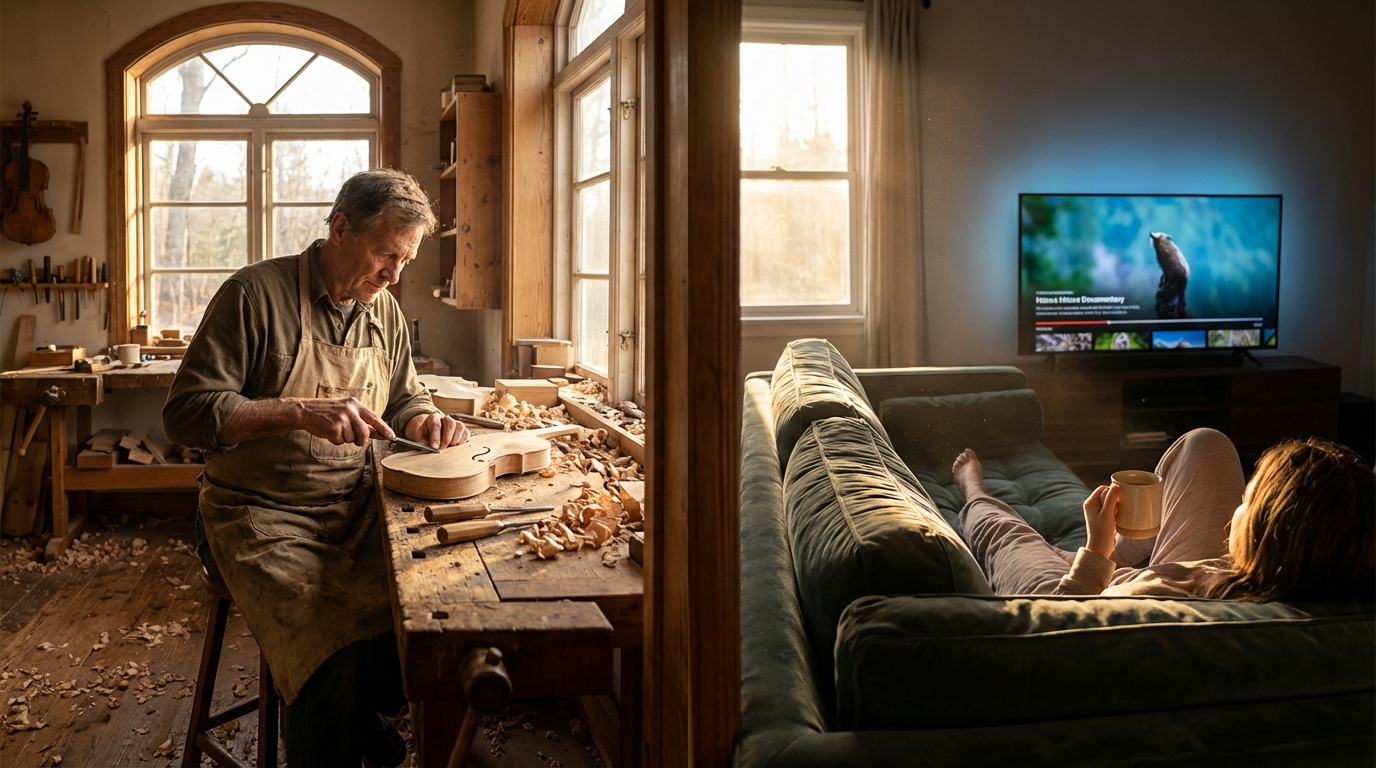
To truly reclaim your free time, you must first recognize the difference between activities that simply pass the hour and those that build your character. Professional researchers have developed the Serious Leisure Perspective to help you identify pursuits that offer lasting fulfillment through the systematic pursuit of a hobby or volunteer work. Unlike casual entertainment, which is often passive and provides immediate gratification, serious leisure requires a commitment to developing specific skills and knowledge. By investing your effort into a craft or a community project, you transition from being a mere consumer of time to an active participant in your own flourishing. This shift is essential if you want to move beyond the cycle of burnout and find a sense of purpose that exists entirely outside of your professional identity.
Engaging in serious leisure provides you with a unique set of rewards that casual distractions, like scrolling through social media, simply cannot replicate. You will find that these activities offer a profound sense of self-actualization and a feeling of belonging to a social world centered around shared interests. Experts emphasize that the perseverance required to overcome challenges in a hobby creates a durable sense of accomplishment. This aligns closely with the ancient ideal that your highest self is realized through active contemplation and the pursuit of excellence. When you choose to engage deeply with a complex task, you are not just keeping yourself busy, but you are instead practicing the art of living well.
Choosing between a temporary distraction and a meaningful commitment is a practical way to apply philosophy to your daily routine. While casual leisure has its place for brief relaxation, relying on it too heavily can leave you feeling empty or uninspired. You should aim to curate a balance that prioritizes activities offering high-investment rewards, such as the pride of craftsmanship or the joy of specialized knowledge. This intentional approach allows you to treat your leisure time as a sacred space for personal growth rather than just a recovery period for work. By adopting this perspective, you transform your free hours into a powerful countermeasure against the pressures of modern life.
Epicurean Satiation Versus Modern Burnout Dynamics
In our current era of constant connectivity, you likely feel a persistent pressure to turn every spare moment into something productive or quantifiable. This modern burnout dynamic stems from a mindset that views time as a resource to be harvested rather than a life to be lived. When you apply the Epicurean lens to your weekend, you begin to see that true peace is not about indulgence, but rather the absence of pain and anxiety. By shifting your focus from achievement to satiation, you can finally silence the inner critic that labels your rest as laziness. This ancient perspective encourages you to seek a state of tranquil satisfaction where you are no longer chasing the next dopamine hit from a completed to-do list.
Epicurus taught that the highest form of living involves minimizing unnecessary desires to achieve a state of mental peace known as ataraxia. You can practice this by intentionally choosing activities that nourish your soul without requiring a specific output or social media validation. Instead of feeling guilty about an afternoon spent reading or walking in nature, recognize that these moments are the very foundation of a virtuous life. When you prioritize genuine happiness over performative efficiency, you reclaim your autonomy from a world that demands your constant attention. This shift allows you to view your free time as an essential space for recovery and reflection rather than a void that needs to be filled with work.
Living well requires you to actively resist the urge to optimize your leisure for the sake of professional growth. You might find that the most profound sense of well-being comes from doing absolutely nothing of value in the eyes of the marketplace. By embracing the philosophy of satiation, you learn to recognize when you have enough, which is the ultimate antidote to the endless cycle of burnout. This approach does not mean you lack ambition, but rather that you understand the ethical necessity of protecting your mental sanctuary. Ultimately, your worth is not tied to your output, and reclaiming your leisure is a powerful act of self-preservation in a demanding world.
Existential Freedom And The Ethics Of Free Time

Reclaiming your free time is not merely a break from a busy schedule, but a profound act of defiance against a culture that values your output. When you step away from professional obligations, you shift the seat of your identity from what you produce to who you are at your core. This existential freedom allows you to reclaim your autonomy, proving that your existence is an end in itself rather than a means to a corporate goal. By treating leisure as a deliberate choice, you transform your spare hours into a sacred space where you are the sole architect of your reality.
The ethics of leisure suggest that you have a moral responsibility to yourself to pursue activities that nourish your spirit and expand your mind. Following the Aristotelian tradition, this means moving beyond passive consumption and into the realm of active contemplation or creative expression. When you engage in hobbies or deep thought without the pressure of a paycheck, you are practicing the highest form of human virtue. This intentional use of time serves as a powerful antidote to modern burnout culture, reminding you that your humanity is not a resource to be depleted for the sake of efficiency. By exploring the deep architecture of your downtime, you can find the resilience needed to resist the constant pull of productivity.
Ultimately, your free time provides the necessary canvas for you to paint a meaningful life that is authentically yours. It is within these unscripted moments that you can explore your values and develop a character that remains steady regardless of your professional status. By choosing to prioritize leisure, you are making a statement about the value of the human experience over the demands of the marketplace. This shift in perspective empowers you to live a more balanced life, ensuring that your identity is rooted in personal meaning rather than external validation.
Reclaiming Your Right to Meaningful Rest
Cultivating a personal philosophy of leisure is more than just a remedy for burnout; it is a fundamental shift in how you perceive your value as a human being. By reclaiming the Aristotelian idea that we work to have leisure, you transform your free time from a period of recovery into a space for profound self-development. This mindset allows you to move beyond the guilt of being unproductive and helps you see quiet contemplation as an essential ethical pursuit. When you prioritize these moments of deep engagement, you are not just resting your body, but you are actively nourishing your soul.
You have the power to treat your free time as life’s ultimate purpose rather than a mere footnote to your professional career. Instead of viewing your weekends as a countdown to Monday, try approaching them as the primary arena where your true character is built and expressed. Whether you are engaging in creative hobbies, rational discourse, or silent reflection, these activities represent the highest form of living well. Embracing the art of being alone protects you from the pressures of modern hustle culture and anchors you in a life of meaning and virtue.
Ultimately, your journey toward a life of leisure is an ongoing practice of choosing presence over performance. It requires a conscious effort to protect your schedule from the encroachment of endless obligations and mindless distractions. By treating your autonomy as a sacred gift, you honor the ancient wisdom that places ritual and contemplation at the center of the human experience. Take this encouragement as a final call to action to stop living for the clock and start living for the moments that truly matter.
Frequently Asked Questions
1. What is the difference between passive relaxation and true leisure?
Passive relaxation is a recovery tool used to escape the stress of work, while true leisure is an active and deliberate pursuit of activities that make life worth living. You move beyond simply switching off and instead engage in practices that foster self-development and meaningful contemplation.
2. How does the Greek concept of schole change my view of free time?
The word schole is the root of our modern word for school, suggesting that your free time is actually meant for learning and higher pursuits. When you embrace this concept, you stop seeing your weekends as a void to fill and start seeing them as a space for intellectual and personal growth.
3. Why did Aristotle believe that we work in order to have leisure?
Aristotle argued that leisure is the ultimate goal of a virtuous life rather than a mere break between shifts. In this framework, your work provides the resources and stability necessary for you to engage in the higher activities of contemplation and rational discourse.
4. Can leisure really help me avoid burnout better than simple rest?
Yes, because treating your downtime as a space for self-development transforms idleness into a profound act of resistance against a culture that values only your output. By reclaiming your agency and focusing on your presence and curiosity, you build a sense of worth that is independent of your professional productivity.
5. How do I transition from mindless scrolling to more virtuous leisure?
You can begin by choosing activities that nourish your soul and expand your mind rather than just consuming digital content to escape reality. This shift requires you to be intentional with your time, prioritizing engagement and learning over passive consumption.
6. Is the philosophy of leisure just another way to be productive?
Not in the traditional sense, as it rejects the idea that your value is tied to your economic output. Instead, it encourages a different kind of growth where your success is measured by your depth of character and your ability to engage with the world around you.