
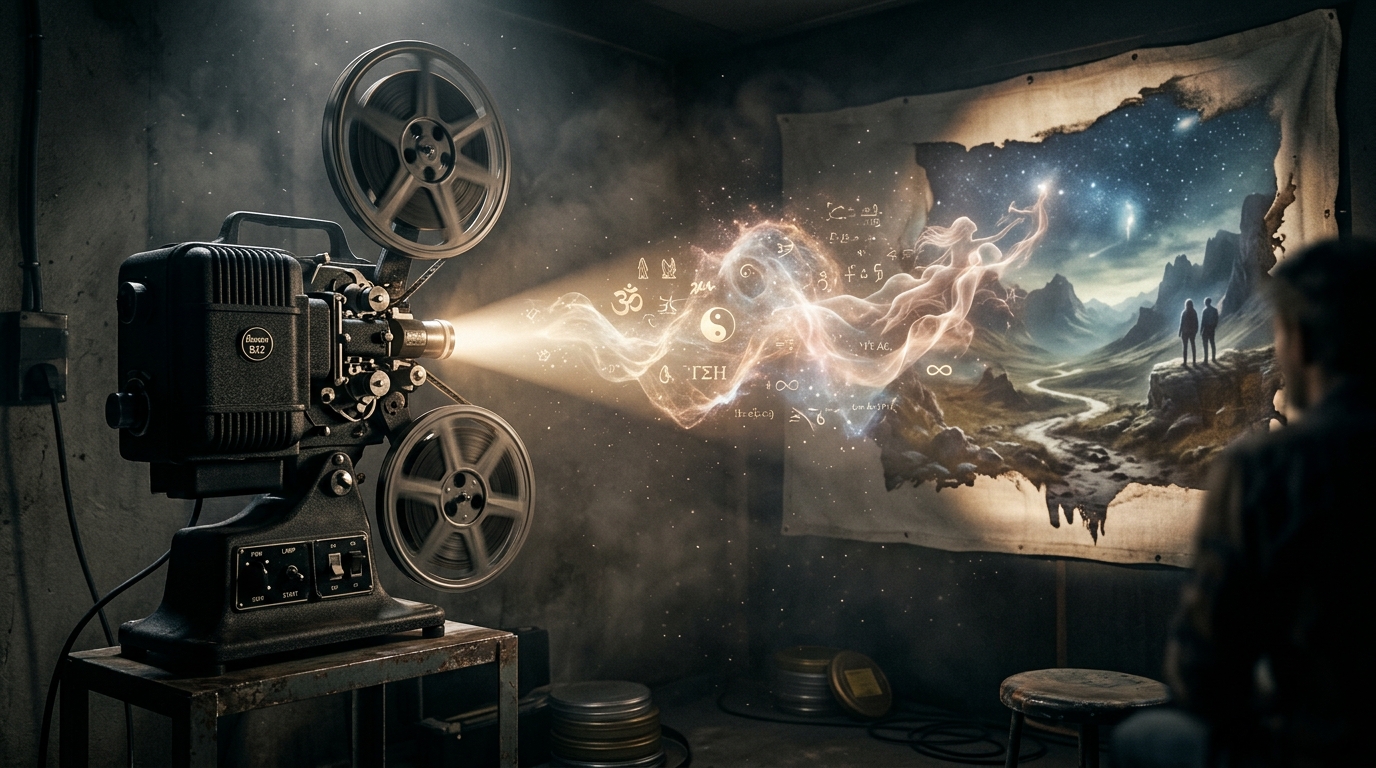
Have you ever stepped out of a darkened theater feeling as though your entire perception of reality has shifted? This sensation is the gateway to the philosophy of film, a field that treats cinema as much more than simple entertainment. By looking beyond the screen, you can begin to see movies as a profound medium for questioning the nature of existence, time, and human emotion.
When you engage with a film, you aren’t just a passive observer; you are participating in a complex dialogue between the lens and the mind. Whether you are curious about how a sequence of images can trigger genuine tears or how a director’s vision can mirror a philosophical argument, understanding the logic behind the magic is key. You are about to discover how this once-dismissed technological curiosity became one of the most intellectually rigorous art forms in modern history.
Key Takeaways
- Cinema functions as a rigorous philosophical laboratory that allows viewers to explore ethical dilemmas and metaphysical questions through immersive thought experiments rather than abstract text.
- Viewers must transition from passive observers to active participants by analyzing how the ‘cinematic gaze’ and directorial choices influence moral judgment and reinforce or challenge societal biases.
- The analytic and continental traditions provide a dual framework for decoding film, using logic to parse narrative structures while embracing the sensory flow of images as an embodiment of time and existence.
- Film serves as a unique visual language that communicates complex truths about the human condition, often bypassing academic frameworks to reshape a viewer’s perception of reality and identity.
Analyzing the Analytic and Continental Traditions
When you sit down to watch a film, you are participating in a complex intellectual tradition that seeks to understand how moving images shape our grasp of reality. The analytic tradition invites you to look at cinema through the lens of logic and cognitive clarity, focusing on how we decode narrative structures and engage emotionally with fictional characters. Thinkers in this school ask you to consider the mechanics of the medium, questioning whether the camera acts as a transparent window or a curated construction of the world. By breaking down the components of film language, you can begin to see how movies function as a tool for communication and a mirror for human thought.
If you prefer a more immersive and sensory approach, the continental tradition offers a fascinating alternative through the work of Gilles Deleuze. Rather than focusing on simple storytelling, this perspective suggests that cinema is a unique form of thought that captures the very essence of time and movement. You are encouraged to experience film as a flow of images that do not just represent life, but actually embody the shifting nature of existence itself. This phenomenological view transforms your role from a passive spectator into an active participant in a philosophical event, where every jump cut and long take redefines your perception of the present moment.
By exploring these two distinct paths, you gain a deeper appreciation for how cinema communicates profound ideas beyond the surface level of entertainment. You can see how the precision of analytic thought helps you parse the logic of a plot, while the fluidity of the continental approach allows you to feel the rhythm of a director’s vision. This dual perspective enriches your viewing experience, turning a night at the movies into a rigorous yet accessible exploration of aesthetics. Ultimately, understanding these traditions empowers you to analyze popular culture with the same intellectual depth you would bring to any other classic art form.
Evaluating Cinema as a Philosophical Tool
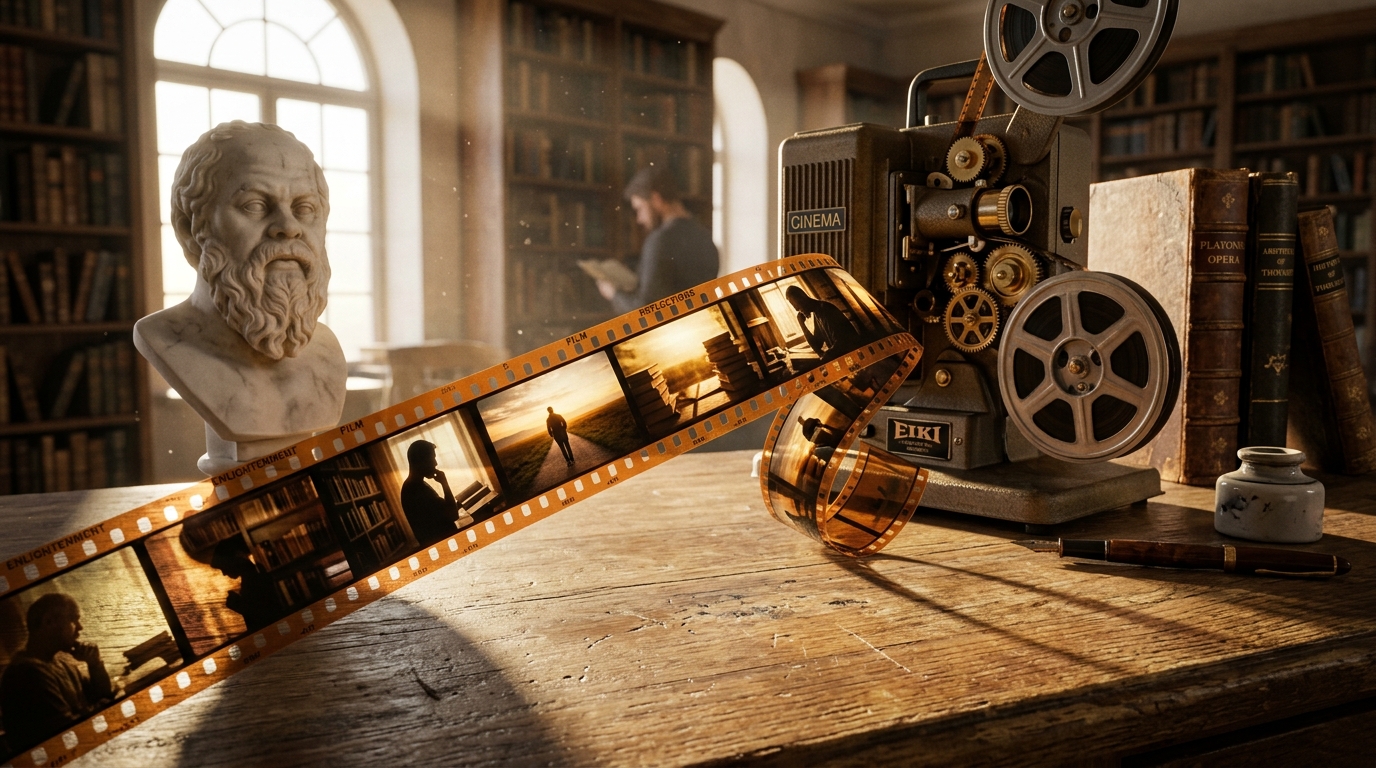
When you sit down to watch a film, you might wonder if you are simply seeing a visual illustration of an old book or a truly original piece of thinking. Many scholars argue that cinema acts as a powerful thought experiment, allowing you to explore ethical dilemmas and metaphysical questions in ways that written text cannot match. Instead of just describing a scenario, a movie forces you to live through it alongside the characters, making the philosophical stakes feel immediate and visceral. You are not just a passive observer of an idea, but an active participant in a virtual reality that tests the boundaries of what is possible. By placing you in these simulated worlds, film functions as a unique laboratory for the mind where new insights are born through the marriage of image and sound.
You can see this dynamic in action when a movie pushes beyond mere storytelling to challenge your very perception of time and identity. While some films might use a clever plot to explain a philosophical theory, the best examples of the medium use their own visual language to create entirely new concepts. This means that cinema does not always need to rely on existing academic frameworks to be meaningful. You might find that the way a camera moves or how a scene is edited can communicate a complex truth about human existence that words fail to capture. By engaging with film in this way, you begin to see it as a legitimate partner in the search for wisdom rather than just a secondary tool for teaching.
As you explore these cinematic experiences, you will notice how movies can bridge the gap between abstract thought and your daily life. This accessibility is what makes film such a vital part of modern aesthetics, as it translates professional philosophical inquiry into a language everyone can understand. You are invited to question the nature of your own reality and the ethics of your choices through the lens of a fictional narrative. This process does more than just represent the world, it actively reshapes how you perceive your place within it. Ultimately, your journey through cinema becomes a personal exploration of the human condition, guided by the creative power of the moving image.
Deciphering the Ethics of the Cinematic Gaze
When you settle into a theater seat or hit play on your remote, you are doing more than just consuming entertainment; you are entering a complex contract of perception. The cinematic gaze refers to how a camera views its subjects, often dictating whose perspective you adopt and which bodies or ideas are prioritized. By understanding this power dynamic, you begin to see how filmmakers use lighting, angles, and framing to influence your moral judgment of a character. You share a unique responsibility with the creator because your interpretation of these images can either challenge or reinforce societal biases. Recognizing this influence allows you to move from a passive viewer to an active participant in the film’s ethical environment.
Cinema possesses a remarkable ability to represent reality, but this representation is never entirely neutral or objective. Every shot is a choice that reflects a specific worldview, often shaping how you perceive marginalized groups or historical events. As you analyze the power dynamics on screen, you must consider how the director’s lens might be romanticizing or exploiting a particular struggle for the sake of drama. This critical awareness helps you navigate the thin line between artistic expression and the reinforcement of harmful stereotypes. By questioning the intent behind the gaze, you honor the intellectual rigor of the medium while protecting your own cognitive autonomy.
Engaging with the ethics of film requires you to look beyond the surface level of the plot to find the underlying philosophical arguments. You are essentially deciphering a visual language that communicates what is considered beautiful, heroic, or villainous in our modern culture. This process turns every movie into a laboratory for ethical thought, where you can test your values against the scenarios presented by the filmmaker. When you take this responsibility seriously, you transform the act of watching into a profound exercise in empathy and discernment. Ultimately, your role as an observer is to bridge the gap between the flickering light on the screen and the complex moral reality of the world you inhabit.
Becoming an Active Explorer of Cinema
When you begin to view cinema through a philosophical lens, you effectively trade your role as a passive spectator for that of an active explorer. Instead of simply letting images wash over you, you start to interrogate how a director represents reality and what specific ideas they are communicating through the frame. This shift in perspective allows you to see popular culture not just as a collection of tropes, but as a vibrant space for complex intellectual inquiry. You will find that even the most mainstream blockbusters can offer profound insights into the human condition when you know how to look for them. By engaging with the screen in this way, you transform every trip to the theater into a meaningful dialogue between the filmmaker and your own critical mind.
Adopting this rigorous yet accessible approach ensures that you never view a movie the same way again. You might find yourself analyzing the existential weight of a protagonist’s choice or questioning the nature of time as it is manipulated through clever editing. This habit of mind bridges the gap between high art and everyday entertainment, proving that deep philosophical questions are woven into the very fabric of our visual culture. As you continue to develop this skill, you become an expert guide for the stories that shape our world, finding depth and nuance in places others might overlook. Your movie-going experience becomes a journey of discovery, where each frame serves as an invitation to think more deeply about the reality you inhabit.
Frequently Asked Questions
1. What exactly is the philosophy of film?
The philosophy of film is an intellectual field that treats cinema as a profound medium for questioning the nature of existence, time, and human emotion. It moves you beyond seeing movies as simple entertainment, encouraging you to engage in a complex dialogue between the lens and your own mind.
2. How does the analytic tradition change the way you watch movies?
The analytic tradition invites you to use logic and cognitive clarity to decode narrative structures and understand your emotional engagement with characters. You will learn to analyze the mechanics of film language to determine if the camera is acting as a transparent window or a curated construction of the world.
3. What makes the continental tradition of film philosophy unique?
This tradition, often associated with thinkers like Gilles Deleuze, suggests that cinema is a unique form of thought that captures the essence of time and movement. It encourages you to experience film as a sensory journey where the moving image itself functions as a way of thinking about the world.
4. Can watching a movie actually shift your perception of reality?
Yes, cinema has the power to alter your perspective by mirroring philosophical arguments through a director’s vision. When you understand the logic behind the magic, you can see how a sequence of images triggers genuine emotional and intellectual transformations.
5. Why should you care about the history of film as an art form?
Understanding how cinema evolved from a technological curiosity into an intellectually rigorous art form helps you appreciate its cultural depth. Recognizing this history allows you to see every film as a contribution to a long-standing conversation about human experience and communication.
6. How can you start practicing film philosophy at home?
You can begin by becoming an active rather than a passive observer during your next movie night. Pay close attention to how the film’s structure makes you feel and ask yourself what the director is trying to communicate about the nature of reality or human thought.