Your digital life does not automatically become your family’s digital property when you die. Digital afterlife ownership is shaped by estate law, privacy rules, intellectual-property rights, platform contracts, encryption, and emerging AI regulations. As a result, your loved ones may inherit cryptocurrency or a website, access certain files, control aspects of your commercial likeness, or be locked out entirely.
Understanding these boundaries helps you protect what matters and avoid painful surprises for the people handling your affairs. The key is to distinguish between owning a digital asset, having permission to access it, and controlling how your identity or creative work continues after death.
Key Takeaways
- Digital assets and digital identity are governed differently: cryptocurrency, domains, websites, royalties, and creative files may pass to an estate, while private messages, social accounts, cloud data, and likeness rights remain subject to privacy rules, platform contracts, and jurisdictional limits.
- Legal ownership does not guarantee practical access. Heirs may be unable to manage inherited assets without passwords, encryption keys, recovery details, or provider authorization.
- AI replicas of a deceased person’s voice, image, or personality raise distinct consent, publicity, privacy, intellectual-property, and dignity concerns; an imitation should not automatically be treated as the person or as ordinary property.
- Create a secure digital-asset inventory and estate plan that specifies who may access, transfer, preserve, delete, license, or memorialize each account and asset, including explicit limits on posthumous AI training, voice cloning, and identity simulation.
Digital Afterlife Ownership Introduction
Digital afterlife ownership is not a single legal right waiting to be assigned after you die. Instead, it involves an interaction among estate law, privacy, identity, intellectual property, platform contracts, encryption, and emerging AI rules. You might own cryptocurrency, a domain name, or a monetized website that can pass to your estate, while your private messages, social accounts, or cloud files may face different restrictions. The central question is not simply who inherits your digital assets, but who has the authority to decide what your digital presence means after you are gone.
AI-recreated versions of deceased celebrities have made that question more urgent and more philosophical. When an AI system imitates your voice, appearance, writing style, or apparent personality, is it merely using information about you, or is it presenting a version of you that deserves consent and protection? Recent legal disputes have forced courts and the public to consider whether identity is something you own, something others remember, or something that can be reconstructed from data. Your family may view a simulation as a way to preserve your legacy, while you might regard the same simulation as an unauthorized copy of your personhood.
Control can also depend on agreements you accepted while alive, including platform terms that limit access, transfer, or commercial use after death. Even an executor or close relative may lack the password, encryption key, or contractual permission needed to manage an account or approve an AI likeness. This leaves digital afterlife ownership divided among personal wishes, inherited property, privacy interests, and the technical authority of whoever operates the system. As you explore this subject, keep the central problem in view: when a digital version of you survives, who, if anyone, gets to speak for you?
Digital Assets Versus Digital Identity
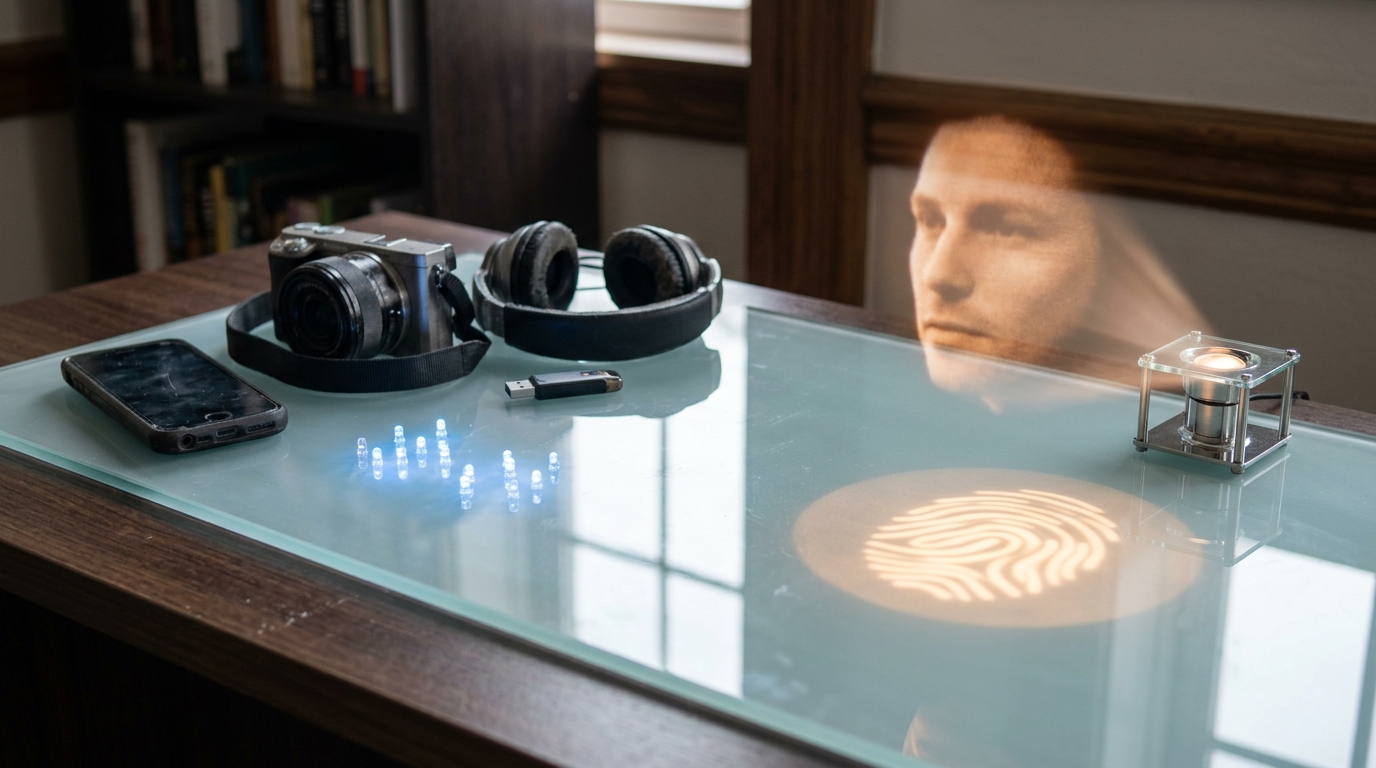
Digital property is the part of your digital afterlife that most closely resembles traditional inheritance. Cryptocurrency, domain names, monetized websites, online businesses, royalties, and locally stored files may pass to your estate when you own the underlying rights and leave usable instructions. Yet ownership does not automatically provide access, especially when encryption, private keys, or platform contracts stand between your heirs and the asset. Your family may inherit the value of a revenue stream without gaining control of every account used to operate it. Digital afterlife ownership therefore depends on both legal title and practical access.
Digital identity follows a different logic because it involves personal data, private messages, account histories, licenses, photographs, likeness, and voice. You might own a file containing your image without giving anyone unlimited authority to imitate you. An heir may receive an account under a platform’s rules without inheriting the personal identity expressed through it. Recent disputes over AI recreations of deceased public figures make this distinction especially clear: a convincing digital performance can resemble your voice or appearance without being you, possessing your memories, or carrying your consciousness. The metaphysical question is inseparable from the ethical one, because reproducing a person’s traits may feel like preserving a legacy to one family and appropriating a self to another.
Planning for your digital afterlife means separating instructions about property from wishes about identity. You can explain how to transfer cryptocurrency, domains, royalties, and business income while also stating whether your likeness, voice, messages, or social profiles may be used after death. In some jurisdictions, estate or publicity laws may protect commercial aspects of your identity, but those rights vary and rarely resolve the deeper question of whether an AI simulation deserves to speak in your name. Treating an imitation as an asset can simplify administration, but treating it as the continuation of a person risks confusing ownership with personhood. Your plan should make that boundary clear.
Postmortem Identity And Personal Rights
Your identity does not automatically become property that someone can inherit after death. Instead, control is divided among estate law, privacy protections, publicity rights, intellectual property, platform contracts, and practical barriers such as encryption. Your estate may manage money, files, or a monetized account, while a family member may have limited access to personal messages or no authority over data held under a platform’s terms. Publicity rights can sometimes protect your name, image, voice, or likeness after death, but their duration and scope depend heavily on jurisdiction.
The harder question is whether an AI reconstruction would be you at all. If a system reproduces your memories, speech patterns, and personality, you might see it as a continuation of your identity, while others may regard it as a representation built from your remains. A third possibility is that it becomes a new entity using your traits, much like an actor portraying you but with greater independence and apparent authenticity. Recent legal disputes over AI recreations of deceased public figures have brought this philosophical problem into practical focus, because deciding who controls the output may depend on how the reconstruction is understood.
Your wishes can still influence this uncertain area, especially if you document how your likeness, recordings, writings, and AI-generated replicas should be used. Clear instructions may help your estate exercise intellectual-property or publicity rights, but they cannot always override platform contracts, local law, or the technical limits of encrypted accounts. You should therefore distinguish between preserving your digital property and authorizing a system to imitate your person, since those are ethically and legally different choices. Ownership may determine who controls a digital afterlife, but it does not settle whether that afterlife should be treated as you.
AI Replicas Of Deceased People
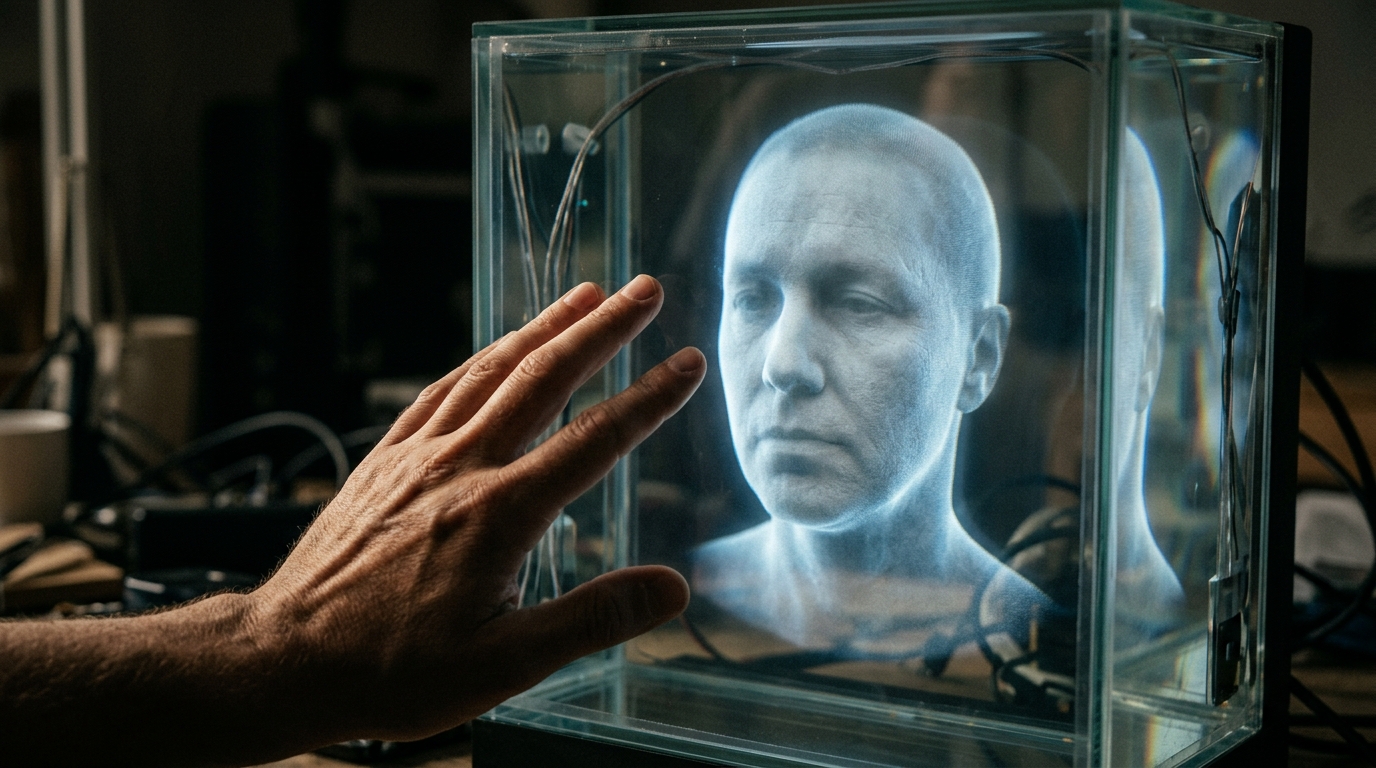
Digital afterlife ownership becomes especially difficult when an AI replica appears to speak, perform, or make decisions like someone who has died. You may recognize the voice or face, but resemblance alone does not establish whether the replica represents the person’s identity, imitates their expression, or creates an entirely new fictional character. Recent disputes over recreated celebrities have therefore raised a philosophical question as much as a legal one: can a person’s identity continue to be owned after their consciousness has ended? Consent matters because a voice clone or simulated personality can express messages the deceased never approved, while commercial use may turn memory into a product. The emotional harm can be equally serious when families encounter a convincing replica that seems to speak without the individual’s permission.
Legally, digital afterlife ownership is not one unified right. It is shaped by estate law, privacy protections, publicity rights, intellectual property, platform contracts, and emerging AI rules. You might inherit a digital business or royalties while having no authority over private account data, and control over a public figure’s commercial likeness may differ sharply from control over an ordinary person’s image. Families often claim authority to protect a loved one’s dignity, but their preferences can conflict with the person’s written instructions, artistic freedom, or the public’s interest in creative expression. A responsible approach asks who consented, what the replica is being used to do, how clearly it is labeled, and whether it creates financial or emotional harm. Until the law becomes more consistent, treating a deceased person’s digital identity as a relationship of trust, rather than property alone, provides a more careful foundation for decision-making.
Planning Your Digital Afterlife
Planning your digital afterlife begins with recognizing that ownership is not one universal legal right. Your cryptocurrency, domains, creative files, royalties, and other digital property may pass through your estate, while account access, private messages, biometric data, and platform-based content may be governed by separate laws and contracts. Create a current digital-asset inventory that records what exists, where it is stored, how it is accessed, and which items you want transferred, preserved, deleted, or kept private. Store recovery details securely, and give your estate representative clear instructions without placing sensitive passwords in an ordinary will.
Your wishes should also address how platforms handle your identity after death. Where available, use memorialization or deletion settings, and state whether family members may access specific photographs, messages, creative works, or business accounts. For creative material, clarify who may license, publish, adapt, or restrict it, since inheriting a file does not always mean inheriting every intellectual-property right attached to it. You can also distinguish between preserving your work as a record of your life and allowing others to commercially exploit your name, image, voice, or likeness.
The most difficult question concerns AI systems that imitate a deceased person through recordings, writings, images, or behavioral data. Decide explicitly whether you consent to postmortem AI training, conversational replication, voice cloning, or digital representation. Specify limits such as duration, purpose, audience, and required review. A convincing simulation may resemble your memories or mannerisms without being you, which makes consent especially important when technology blurs the line between evidence of a person and a newly generated identity. Document both permission and refusal in estate instructions, licensing terms, and private messages to the people who may be asked to enforce your wishes.
Digital Afterlife Ownership Conclusion
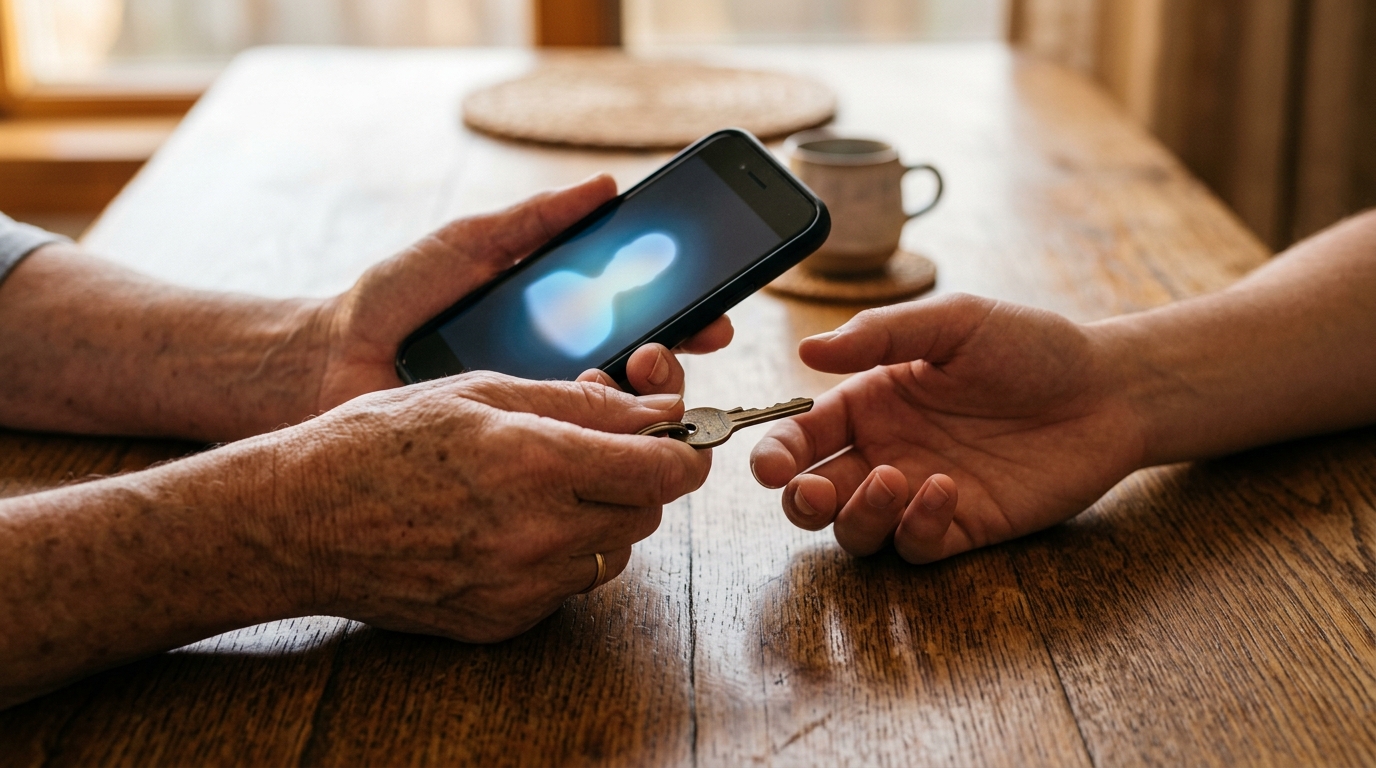
Digital afterlife ownership is not about possessing one immortal version of yourself. It is about deciding who may control different kinds of digital remains, including your identity, personal memories, private data, creative work, and AI-generated replicas. Recent legal disputes involving AI recreations of deceased celebrities show why this distinction matters: reproducing a voice or likeness may raise questions about consent, publicity rights, intellectual property, and whether a replica represents a person or merely imitates them. When you separate these categories, you can reason more clearly about what should be preserved, restricted, transferred, or allowed to disappear.
Your wishes can shape this process, but they cannot override every platform contract, privacy rule, inheritance law, or technical barrier. You can still reduce uncertainty by documenting how you want accounts handled, who may access important files, whether your likeness may be licensed, and whether an AI replica should be prohibited or limited to specific uses. Treat those instructions as an ethical statement as well as an estate-planning tool, because silence often leaves families, platforms, and courts to decide what your digital presence means. By making your preferences known, you retain some agency over your digital afterlife without pretending that any digital artifact is the same as the person who created it.
Plan Who Controls Your Digital Legacy
Digital afterlife ownership is not a single right that automatically passes to your family when you die. Instead, control may be divided among estate law, privacy protections, intellectual property, platform contracts, encryption, and emerging AI rules. Your cryptocurrency, domain name, or monetized website may be treated differently from private messages, cloud files, or an account governed by a service agreement. Meaningful planning requires you to identify what you own, what you merely access, and who should manage each part of your digital presence.
The rise of AI recreations of deceased celebrities makes this issue philosophical as well as legal. Even if an estate controls a person’s name, image, voice, or commercial works, an AI-generated version raises a deeper question about whether a convincing imitation is a continuation of identity or only a new performance built from someone else’s traces. As you consider your own digital afterlife, distinguish property rights from personal dignity, memory, consent, and the interests of those who remain. Clear instructions, carefully chosen permissions, and limits on posthumous simulation can help ensure that your digital legacy reflects your values rather than merely the capabilities of future technology.
Frequently Asked Questions
1. What is digital afterlife ownership?
Digital afterlife ownership concerns who can inherit, access, manage, or control your digital assets and online identity after you die. It is not a single legal right, because estate law, privacy rules, intellectual-property rights, platform contracts, encryption, and AI regulations may apply differently to each asset.
2. Do your family members automatically inherit everything in your digital life?
No. Your estate may inherit assets such as cryptocurrency, domain names, websites, or certain intellectual-property rights, but family members may not receive access to private messages, social media accounts, cloud files, or encrypted devices. The result depends on applicable law, your estate documents, and the terms of each service provider.
3. What is the difference between owning a digital asset and having access to it?
Ownership generally gives you legal rights over an asset, while access is the practical ability to log in, retrieve, or manage it. You may own cryptocurrency or a website but leave your heirs unable to reach it if they lack passwords, recovery keys, or provider authorization. Access rights can also be restricted by privacy laws or platform contracts.
4. Can cryptocurrency, websites, and domain names pass to your estate?
Often, yes, because these assets may have recognizable financial or property value. However, your estate still needs the information and technical means to locate and control them, including wallet keys, registrar credentials, hosting details, and recovery instructions. Without that information, an asset may be legally inheritable but practically unreachable.
5. Can your family access your private messages and cloud files after your death?
Not automatically. Privacy protections, communications laws, provider policies, and the terms of your account may limit what your family or executor can view. You should identify your preferences clearly and use available legacy or authorized-access tools, while recognizing that some content may remain restricted.
6. Who controls your social media accounts after you die?
Control usually depends on the platform’s contract and its procedures for memorialization, deletion, or account management. Your family may be able to request a memorial status or removal, but they may not receive full login access or the right to read private communications. Your instructions can help, but they cannot always override platform rules or applicable law.
7. Can someone legally recreate your voice, image, or personality with AI after your death?
The answer depends on the jurisdiction, the type of use, and the rights involved, including publicity, privacy, copyright, trademark, and contract rights. An AI recreation may be treated as unauthorized commercial use, protected expression, or a more complex combination of interests. You should document whether you permit, restrict, or prohibit synthetic uses of your likeness and creative work.
8. How can you plan for your digital afterlife?
Create an inventory of your digital assets, account providers, passwords, recovery keys, and ownership documents, then store access instructions securely. Name a trusted person to manage appropriate accounts, include digital-property directions in your estate plan, and review each platform’s legacy policies. State your wishes for deletion, memorialization, commercial use, and AI-generated versions of your identity as clearly as possible.