You wake up every morning with an internal compass, but in the noise of a busy world, it is easy to lose your sense of direction. The ancient philosophy of ikigai offers a transformative lens through which you can view your existence, moving beyond the mere pursuit of a paycheck toward a life of genuine substance. By examining the intersection of what you love and what the world needs, you begin to uncover a reason for being that sustains you through both triumph and adversity.
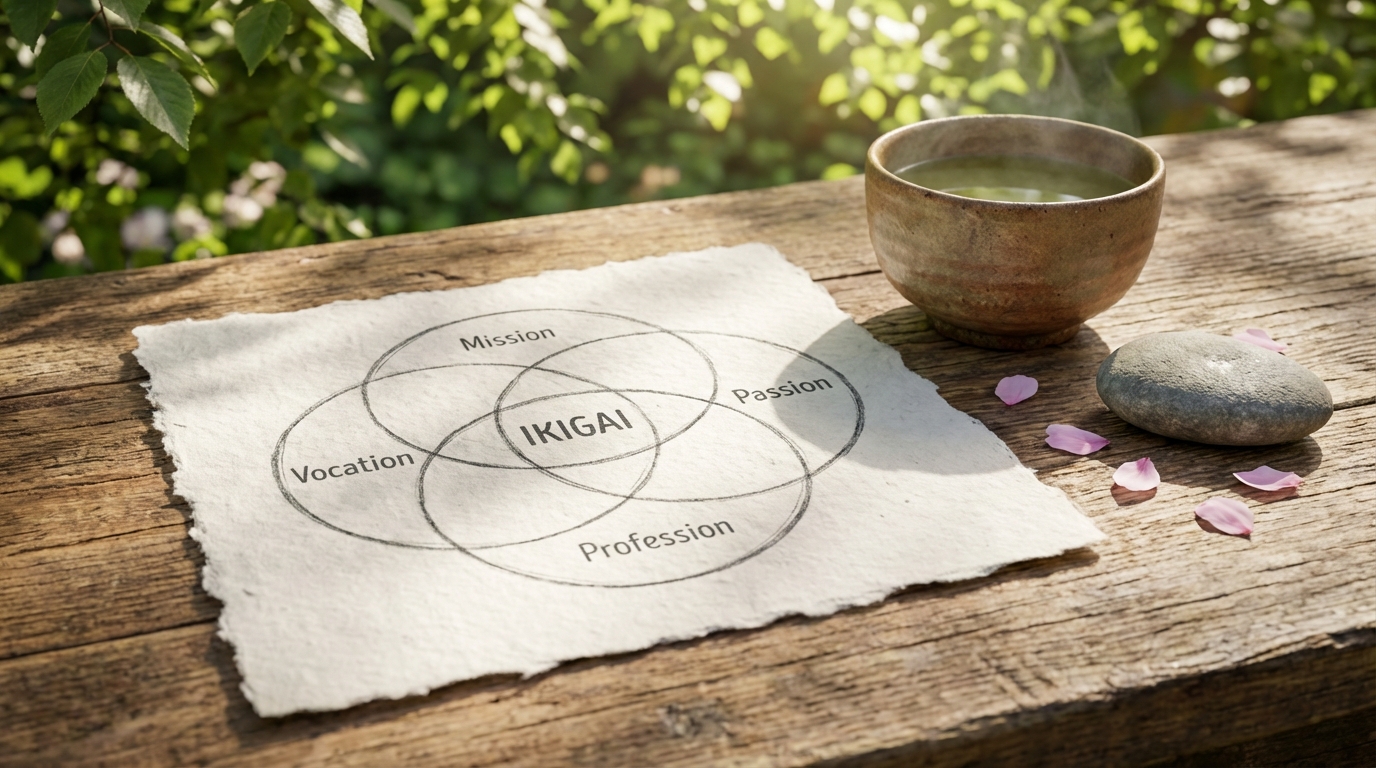
While you may have seen the popular Venn diagram of passion and profession, the true depth of this concept lies in the quiet, daily rhythms of Japanese tradition. It is found in the mindfulness of a morning tea ceremony or the resilience of kintsugi, where beauty is discovered in life’s imperfections. Embracing this mindset allows you to cultivate a profound sense of harmony, ensuring that your unique talents serve a purpose far greater than yourself.
Key Takeaways
- Traditional ikigai is found in the quiet rhythms of daily life and small moments of presence rather than in professional success or financial gain.
- A meaningful reason for being is built on a balance between inner mindfulness, rooted in Zen traditions, and social responsibility to one’s community.
- Purpose is a fluid, evolving process that shifts through different life stages, requiring constant nurturing and an appreciation for life’s imperfections.
- True fulfillment stems from the Okinawan practice of finding joy in simple rituals and maintaining deep social connections through supportive community groups.
Beyond the Venn Diagram Framework
While you have likely seen the popular graphic of four overlapping circles, this Western interpretation often misses the spiritual heart of the original Japanese philosophy. The Venn diagram framework suggests that your reason for being must sit at the intersection of passion, talent, global need, and financial gain. In reality, the traditional concept of ikigai does not require you to find a perfect career or a way to monetize your soul. It is far less about achieving a professional sweet spot and much more about your internal state of being. By detaching the concept from productivity and income, you can begin to see it as a personal spectrum of value rather than a rigid business model.
True ikigai is found in the quiet texture of your daily life rather than in grand milestones or external accolades. You might find it in the aroma of your morning coffee, the focused rhythm of a hobby, or the simple warmth of a conversation with a neighbor. This Japanese perspective emphasizes that life is worth living because of these small, fleeting moments of presence and connection. Instead of searching for one singular purpose that defines your entire existence, you are encouraged to recognize a multitude of small joys. This shift in focus allows you to cultivate a sense of resilience and gratitude that persists even during difficult times.
The philosophy invites you to embrace the beauty of the ordinary without the pressure of saving the world or becoming a master of your craft. While the Western model focuses on what you can offer the market, the traditional approach focuses on what brings you a sense of haru, or a feeling of spring-like vitality. You do not need to be paid for something for it to be a valid source of meaning or a reason to wake up in the morning. By moving beyond the four circles, you give yourself permission to find deep fulfillment in things that are purely personal. This nuanced understanding transforms ikigai from a stressful checklist into a gentle, lifelong practice of mindfulness and appreciation.
Ancient Roots in Zen and Confucianism
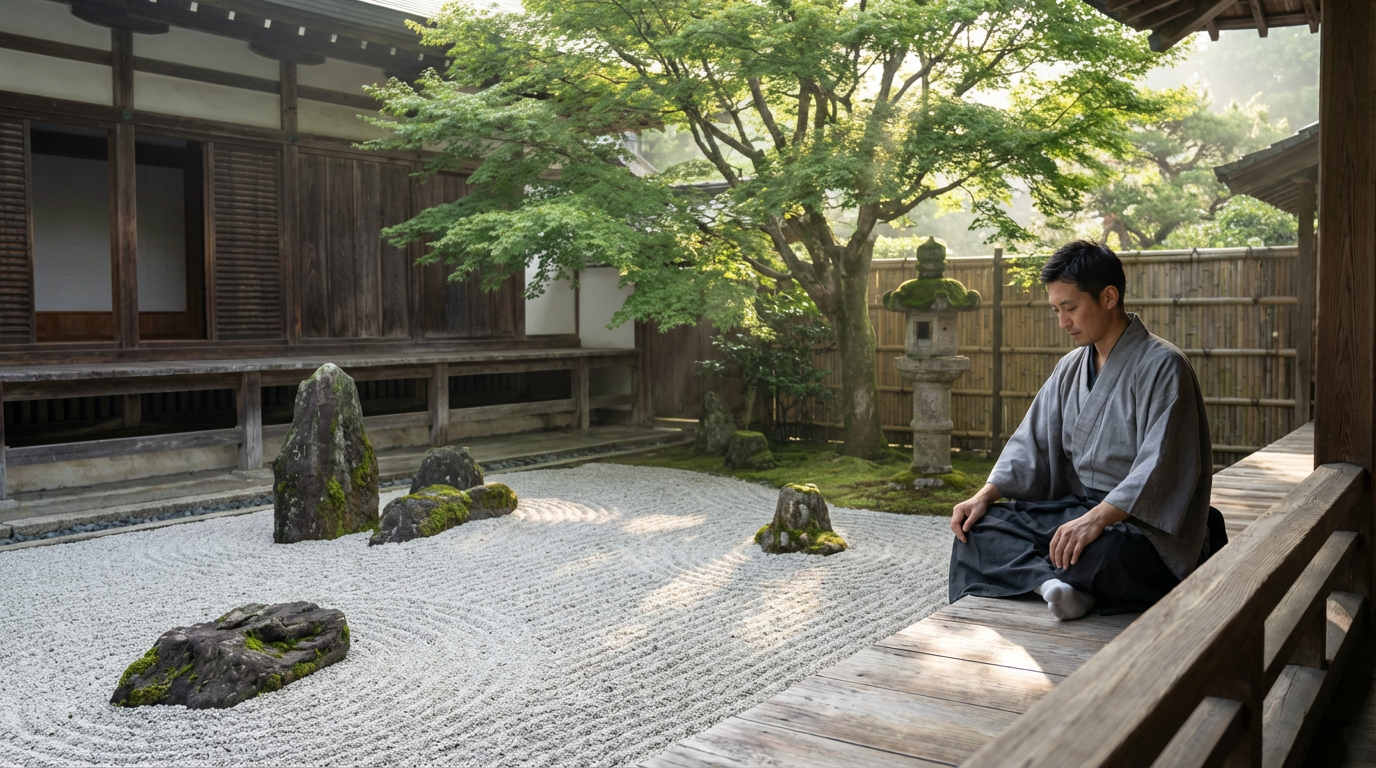
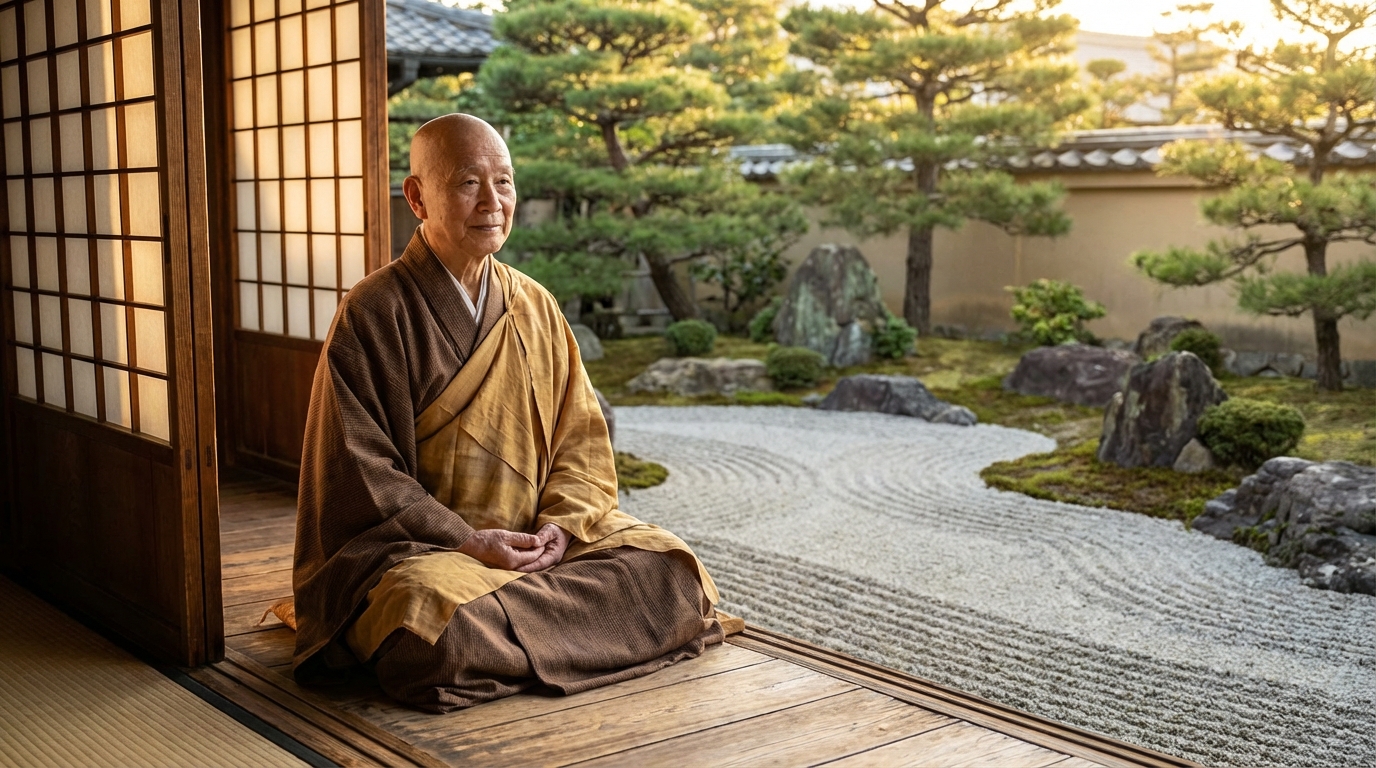
To understand the true depth of ikigai, you must look beyond modern checklists and toward the spiritual foundations of Zen Buddhism. This tradition teaches you that meaning is found in the present moment through mindfulness and a deep appreciation for the beauty of impermanence, or wabi-sabi. By focusing on the small details of your daily life, such as the steam rising from a cup of tea or the texture of a handmade bowl, you begin to see that a reason for being is not a distant goal. Zen encourages you to embrace life exactly as it is, finding value in the transient nature of your experiences. This perspective transforms your daily routine into a series of meaningful rituals that ground you in the here and now.
The philosophy also draws significant strength from Confucianism, which shifts your focus toward social harmony and your role within a community. In this framework, your ikigai is deeply connected to the concept of benevolence and the fulfillment of your responsibilities to others. You find a sense of purpose by contributing to the well being of your family, your workplace, and your society at large. This ancient wisdom suggests that personal happiness is inseparable from the health of your relationships and the integrity of your character. By honoring these social bonds, you create a life that feels both stable and significant.
When you blend these two traditions, you discover that ikigai is a delicate balance between inner peace and outward contribution. While Zen provides you with the tools for self reflection and resilience, Confucianism offers a roadmap for ethical living and communal support. You are encouraged to seek a life that is both personally rewarding and helpful to those around you. This holistic approach ensures that your sense of purpose is not just a fleeting emotion but a sustainable way of existing in the world. By embracing these ancient roots, you can cultivate a more profound and authentic version of your own reason for being.
Lessons From the Okinawan Blue Zone
In the sun-drenched islands of Okinawa, your ikigai is not a grand achievement or a final destination, but rather the quiet pulse behind your daily actions. It is the reason you wake up in the morning, rooted in the belief that every life has intrinsic value and a unique purpose to fulfill. While Western interpretations often focus on career success, the Okinawan philosophy emphasizes the beauty of simple joys and the importance of staying active through all stages of life. By finding meaning in small rituals, such as tending a garden or sharing tea, you cultivate a sense of resilience that protects your mental and physical health. This mindset allows you to manage the natural changes of aging with grace, ensuring that your spirit remains vibrant and engaged with the world.
Your sense of purpose is deeply intertwined with the social structures that define Okinawan life, particularly the concept of the moai. These lifelong support groups provide a safety net of emotional and financial security, reinforcing the idea that your well-being is connected to the collective. When you share your burdens and celebrate your triumphs with a dedicated circle of friends, you lower your stress levels and foster a profound sense of belonging. This communal bond serves as a practical expression of ikigai, showing that your reason for being is often found in the service and love you provide to others. Longevity in this context is not just about individual health, but about the strength of the threads that bind you to your community.
Physical vitality in the Blue Zones is further supported by mindful habits like hara hachi bu, which teaches you to eat until you are only eighty percent full. This practice of moderation mirrors the philosophical balance of ikigai, suggesting that fulfillment comes from having enough rather than seeking excess. By slowing down and listening to your body, you develop a more conscious relationship with your environment and your personal needs. This intentional way of living reduces the strain on your system and aligns your physical habits with your deeper values of harmony and longevity. Ultimately, adopting these Okinawan lessons helps you build a life that is not only longer, but significantly more meaningful and connected.
Cultivating Your Personal Reason for Being
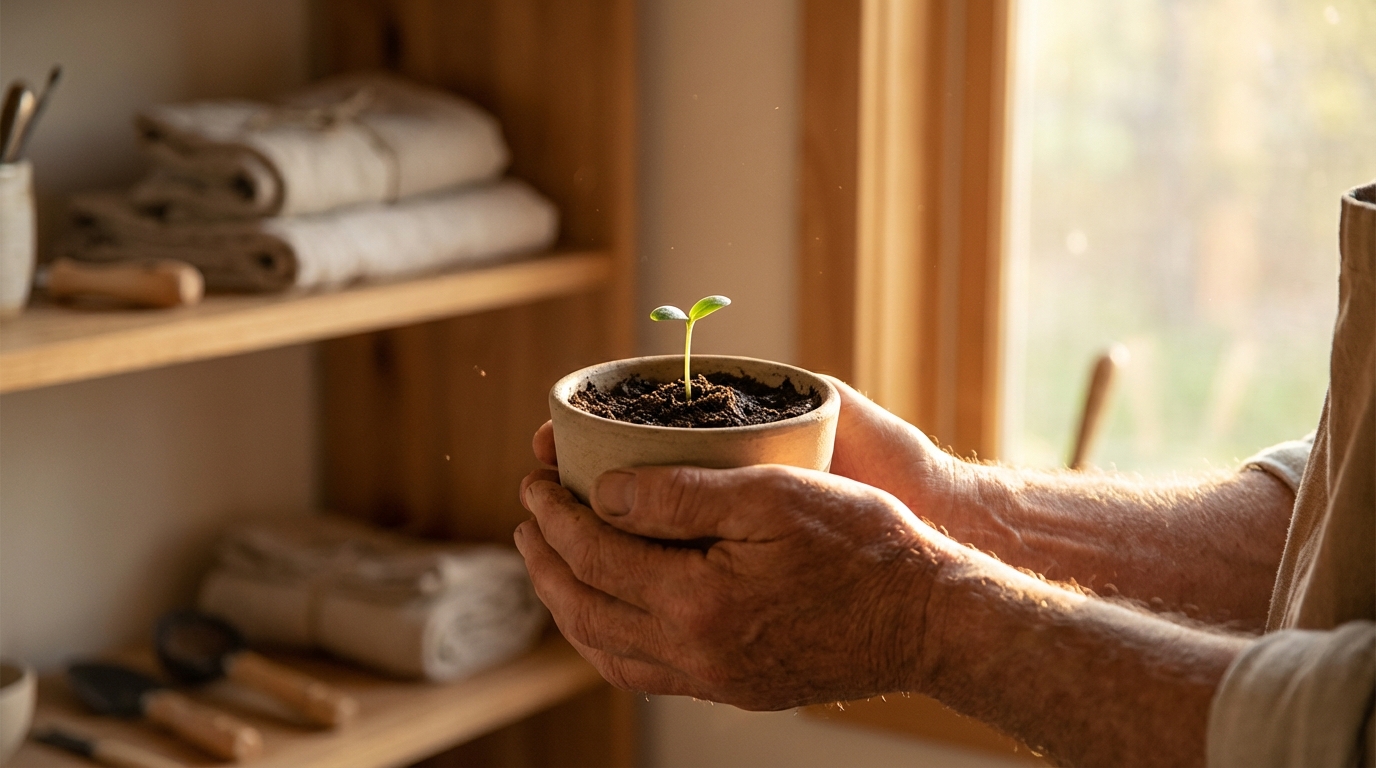
To begin cultivating your ikigai, you must look beyond the modern pressure of career success and focus on the small, daily moments that give your life a sense of vitality. This philosophy suggests that your reason for being is found at the intersection of your natural talents and the genuine needs of the people around you. By identifying the activities that make you lose track of time, you uncover a personal compass that points toward true fulfillment. It is not about reaching a final destination, but rather about developing a deep awareness of how your unique skills can serve a greater purpose. This intentional alignment transforms ordinary tasks into meaningful contributions that resonate with your inner values.
True mastery of this concept requires you to embrace the Japanese principle of mindfulness, finding your flow in the process rather than just the result. You can start by reflecting on your passions while considering how they might improve the lives of your neighbors or community members. This balance ensures that your personal joy is anchored in social harmony, preventing your pursuits from becoming purely self centered. When you value the craft itself, like the meticulous repair seen in kintsugi, you learn to appreciate the resilience and history found in your own life journey. These quiet reflections allow you to build a sustainable sense of worth that evolves as you move through different stages of existence.
As you integrate these practices, remember that your ikigai is a living entity that requires constant nurturing and adjustment. It is perfectly natural for your focus to shift as you gain new experiences and your community’s needs change over time. By staying curious and open to new ways of being of service, you maintain a vibrant connection to the world around you. This ongoing dialogue between your internal desires and external realities creates a life that feels both balanced and deeply significant. Ultimately, you are the architect of this harmony, weaving together your professional skills and personal joys into a cohesive and rewarding narrative.
Cultivating Your Evolving Sense of Purpose
Embracing the philosophy of ikigai means recognizing that your reason for being is not a static trophy to be won and kept on a shelf. Instead, this ancient Japanese concept invites you to view your life as a fluid, evolving process that shifts alongside your personal growth and changing circumstances. You might find that what brought you meaning in your youth transforms as you gain new skills or enter different stages of adulthood. By staying open to this evolution, you allow your sense of purpose to remain vibrant and relevant regardless of external shifts. This perspective shifts the focus away from a final destination and toward the rich experience of the journey itself.
Finding your ikigai often involves balancing the grand ambitions of the Western Venn diagram with the quiet, daily joys celebrated in traditional Japanese culture. You can cultivate resilience by appreciating the small moments, such as a morning cup of tea or a brief connection with a neighbor, which ground you during difficult times. This holistic approach ensures that your fulfillment is not solely dependent on professional success or financial gain. When you integrate these simple pleasures with your broader passions and contributions, you build a foundation for a deeply fulfilling life. This balance allows you to handle the complexities of modern existence with a sense of calm and clarity.
As you move forward, remember that your ikigai is a personal compass that helps you handle the inevitable ups and downs of life. You do not need to have every answer today because the beauty of this philosophy lies in its invitation to explore and find your purpose and refine your path. By practicing mindfulness and staying curious about what truly resonates with your spirit, you will naturally gravitate toward a life of deeper meaning. Trust yourself to adapt and grow as you continue to seek harmony between your inner world and the community around you. You are the architect of your own fulfillment, and every step you take brings you closer to your unique reason for being.
Frequently Asked Questions
1. What is the true meaning of ikigai?
Ikigai is a Japanese philosophy that translates to your reason for being or the internal compass that guides your daily life. It is a transformative way of looking at your existence that focuses on finding harmony between your unique talents and the world around you.
2. Do I need to find a way to monetize my ikigai?
You do not need to turn your passion into a career or a paycheck to achieve true ikigai. While Western interpretations often link it to professional success, the traditional concept is actually about your internal state of being and personal value regardless of income.
3. How does the traditional philosophy differ from the popular Venn diagram?
The Venn diagram suggests you must find a perfect intersection of four specific life areas, but the spiritual heart of the philosophy is much more flexible. Traditional ikigai is found in the quiet rhythms of your daily life and does not require you to meet rigid professional or financial criteria.
4. Can I find ikigai in small, everyday moments?
Yes, you can find your reason for being in the simple texture of your daily routine. Whether it is the aroma of your morning coffee, a focused hobby, or a warm conversation with a neighbor, these small moments of mindfulness are where true purpose often resides.
5. How does the concept of kintsugi relate to finding my purpose?
Kintsugi is the art of finding beauty in imperfection and resilience through life’s challenges. By embracing this mindset, you can view your own setbacks as valuable parts of your story that contribute to your unique sense of harmony and purpose.
6. How can I start practicing this philosophy today?
You can begin by detaching your sense of worth from external accolades and productivity. Focus on cultivating a morning routine that emphasizes mindfulness and look for ways your natural talents can serve a purpose greater than yourself in your immediate community.