
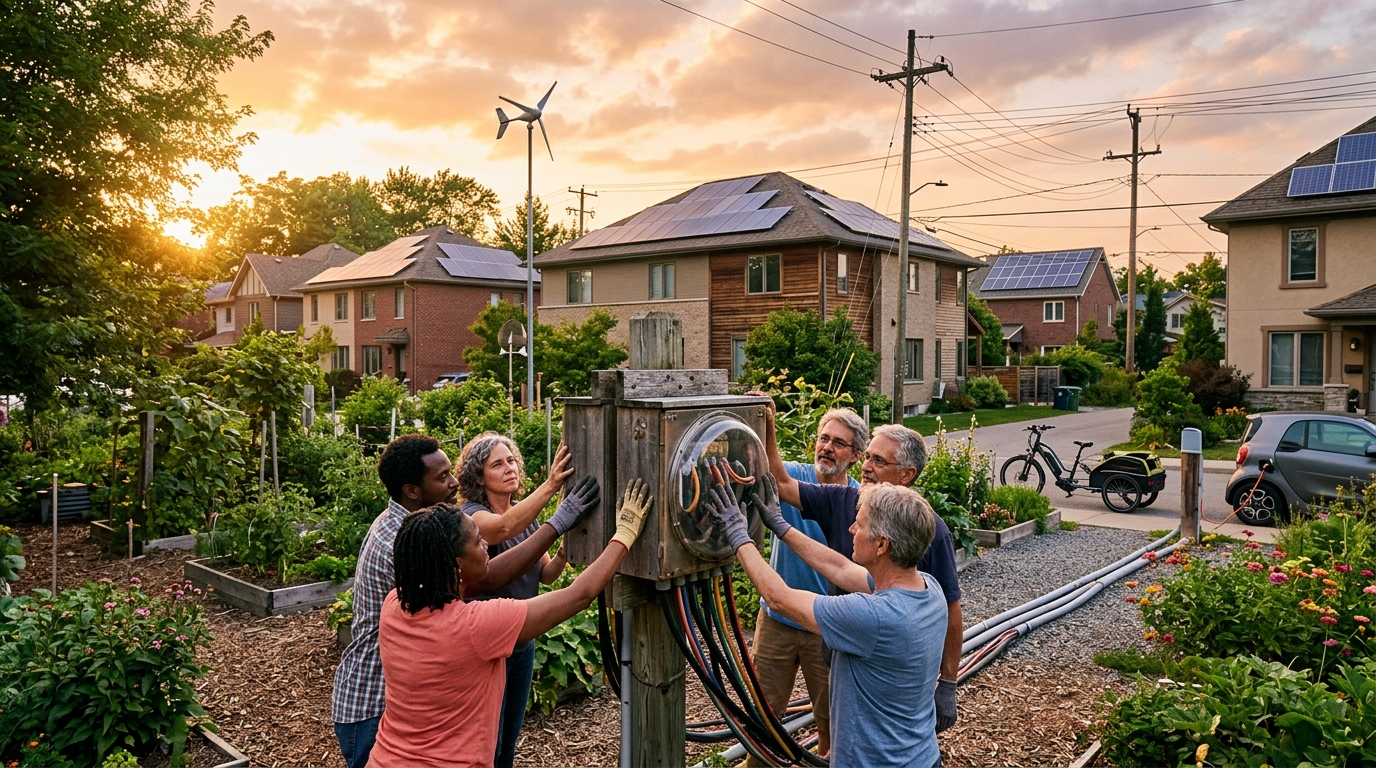
When your EV, home battery, solar panels, or smart appliances respond to grid needs, your everyday decisions become part of the energy system. That is the promise and challenge of everything-to-grid ethics: making flexible energy work efficiently and fairly. Who controls your devices, who profits from your flexibility, and what happens when the grid’s needs conflict with your own?
These questions matter whether you are charging a car, heating your home, or sharing stored electricity during a peak-demand event. A well-designed system could lower emissions, strengthen resilience, and reward you for helping balance supply and demand. Without meaningful consent, privacy protections, and equitable access, however, it could shift costs and control toward those already best positioned to benefit.
Key Takeaways
- Everything-to-grid systems can improve reliability, integrate renewable energy, reduce emissions, and lower infrastructure costs by coordinating EVs, batteries, appliances, buildings, and other flexible resources.
- Private devices must not be treated as unlimited public infrastructure: participants need informed consent, meaningful override and opt-out rights, protection for essential needs, and compensation for energy services, inconvenience, equipment wear, and risk.
- Strong privacy and cybersecurity safeguards are essential because connected energy devices can reveal household routines, occupancy, travel, and health-related patterns while creating risks from system-wide attacks or misuse.
- Equitable governance must ensure that renters, low-income households, people with medical needs, and communities without expensive energy technologies can participate and benefit without bearing disproportionate costs or disruptions.
Everything-to-Grid Ethics Introduction
Everything-to-grid systems connect the devices around you to the wider electricity network, allowing EVs, home batteries, buildings, appliances, solar panels, factories, and data centers to consume, store, shift, or export power. Instead of treating your devices as passive endpoints, the grid can coordinate them as flexible, distributed energy resources. An electric vehicle might charge when electricity is abundant, a building could reduce cooling during peak demand, or a home battery could send stored solar power back to the network. Together, these actions can improve reliability, support renewable energy, and reduce the need for costly new infrastructure.
The ethical challenge begins when privately owned equipment starts serving a public function. You may own the battery, vehicle, or smart appliance, but software, utilities, aggregators, or public agencies may decide when it operates and how its flexibility is used. Who controls that decision, and do you receive fair compensation when your device helps stabilize the grid? You also need to consider who benefits from cleaner, more reliable power and who carries the risks, including equipment wear, higher energy costs, privacy loss, or reduced access to a device when you need it.
Seen this way, everything-to-grid creates a new tragedy-of-the-commons concern: a shared energy system can be strengthened by many small contributions, but it can also be overused or governed unfairly. If too many participants respond to the same signal at once, the network could face new strains. Poorly designed programs might also reward households that already have solar panels, batteries, or EVs. Ethical governance therefore requires transparent rules, meaningful consent, accessible participation, strong cybersecurity, and clear accountability when automated decisions cause harm. As you evaluate this emerging infrastructure, the central question is not only whether it can make electricity more flexible, but whether it can do so while respecting ownership, dignity, and the public interest.
Private Devices As Public Storage

Your EV, water heater, home battery, or commercial refrigeration system can become part of a virtual power plant, responding as a coordinated network to changes in electricity demand. Software can charge devices when renewable power is abundant, reduce consumption during a peak, or send stored energy back to the grid during an emergency. From your perspective, however, that flexibility is still built from privately purchased equipment, paid for through your household or business budget. The system may treat your battery as public storage, but you may need it for a commute, a medical device, a critical operation, or backup power during an outage. Everything-to-grid ethics begins with that tension between collective reliability and your right to decide how your property serves you.
Consent needs to mean more than accepting dense terms when you enroll in a program. You should know how often your device may respond, who can override your settings, how much reserve capacity remains, and what compensation you receive for wear, inconvenience, or reduced comfort. A fair system could let you set firm limits, such as keeping an EV charged for an essential trip or preserving backup power for severe weather, while still allowing less urgent flexibility to support the grid. It should also protect data about your routines, since energy-use patterns can reveal when you are home, what equipment you use, and how your household lives. Without meaningful control and transparent payment, participation can begin to look less like cooperation and more like an invisible transfer of value from private owners to the wider system.
The public stakes become sharper when millions of devices act as shared infrastructure, creating a new tragedy of the commons around decentralized energy. If every participant withdraws power whenever it is personally convenient, the network may lose the flexibility it needs. Yet demanding constant availability can punish people who cannot afford larger batteries, backup generators, or higher energy bills. You can help prevent that imbalance by treating flexibility as a negotiated public contribution rather than an unlimited obligation. Rules should distribute benefits broadly, prioritize essential needs, and ensure that low-income households and small businesses are not pressured into sacrificing energy security for system-wide savings. In an everything-to-grid future, the strongest grid will depend not only on connected devices, but also on trust that your private resources remain yours.
The X2G Tragedy Of The Commons
Everything-to-grid systems can create a new tragedy of the commons when private devices become a shared source of public flexibility. If every vehicle, battery, building, or appliance is dispatched whenever the grid needs support, the system may draw down resources faster than owners expect. Frequent charging and discharging can accelerate battery degradation, while repeated adjustments to heating, cooling, or industrial processes can reduce comfort, productivity, or equipment life. You may benefit from a more resilient grid, yet still bear costs that are difficult to see or measure.
Fairness becomes another concern when participation and rewards are unevenly distributed. Households with newer EVs, solar panels, or home batteries may earn payments for flexibility, while renters and lower-income customers may have fewer ways to participate but still face changing rates or service conditions. Poorly managed demand response could also shift burdens onto people who cannot easily delay appliance use, reduce heating, or change travel plans. Without transparent consent, clear compensation, and meaningful control, X2G risks treating personal energy assets as public property without giving you a fair voice.
Reliable governance must protect both the grid and the people whose devices support it. Operators need limits on dispatch frequency, minimum backup reserves, performance standards, and monitoring that identifies when cycling or interruptions are causing harm. You should be able to understand how your device is used, opt out of certain events, and receive compensation that reflects wear, inconvenience, and risk. When participation is voluntary, inclusive, and carefully managed, shared flexibility can strengthen reliability without creating a commons that everyone uses and no one is responsible for preserving.
Consent Equity And Data Rights

When your EV, home battery, thermostat, or appliance becomes part of an everything-to-grid network, participation may look voluntary while economic pressure makes it difficult to refuse. Utility incentives, demand-response payments, or dynamic pricing can push you to surrender control over when devices charge, discharge, or operate, especially if your household depends on those savings. Genuine consent requires clear terms, an easy way to opt out, and meaningful control over comfort, mobility, backup power, and essential services. You should also receive fair compensation that reflects the value your device provides, including payment for energy services, inconvenience, and battery degradation.
Your energy-use data can reveal more than how much electricity you consume. Detailed records may indicate when you are home, how you use appliances, whether medical equipment is operating, or when your household follows predictable routines. This creates privacy and security risks if data is collected or shared without strict limits. Equity concerns grow when solar panels, EVs, and storage remain easier to afford for wealthier households, allowing them to earn incentives while renters and low-income customers pay dynamic rates without comparable ways to respond. A fair system should offer accessible participation, transparent data protections, and compensation that does not depend on owning expensive equipment.
Without strong safeguards, everything-to-grid programs could create a new tragedy of the commons, where private devices are treated as public infrastructure but the burdens and benefits are distributed unevenly. Low-income households may be asked to tolerate interruptions, restrict heating or cooling, or accept faster battery wear while wealthier participants collect most of the rewards and retain more flexibility. You should be able to know who controls aggregated devices, how grid decisions are made, and what happens during emergencies or disputes. Public oversight, enforceable consumer protections, and targeted support can help ensure that shared grid resilience does not come at the expense of the people with the fewest alternatives.
Governing The Distributed Energy Commons
Everything-to-grid systems can turn your EV, battery, solar panels, and flexible appliances into a shared energy resource, but participation must never mean surrendering control. Contracts should clearly explain what an aggregator or utility can adjust, when it can act, how long participation lasts, and how you can leave. You should also have meaningful override rights, especially during emergencies, extreme weather, or situations involving health, safety, accessibility, or essential household needs. Compensation must reflect not only the electricity you provide, but also battery wear, reduced convenience, equipment costs, and any loss of service. Treating household flexibility as valuable labor helps prevent the benefits of the energy commons from flowing mainly to system operators.
Trust also depends on strong technical and institutional protections. X2G platforms should use encryption, secure authentication, software updates, and independent testing to reduce the risk that a compromised system could disrupt thousands of homes at once. Your energy data should be collected only for defined purposes, retained for limited periods, and protected from unnecessary sharing, including detailed inferences about occupancy, routines, or health-related needs. Regulators can require plain-language disclosures, accessible complaint processes, regular reporting, and meaningful penalties when aggregators or utilities misuse data, ignore consent, or fail to deliver promised payments. These rules make accountability part of the infrastructure rather than an afterthought.
Communities can govern decentralized flexibility as a commons by giving residents a voice in program design, performance standards, and the distribution of benefits. That means measuring who gains, who bears inconvenience, and whether renters, low-income households, rural residents, and people with limited mobility can participate on fair terms. Public oversight should also ensure that grid reliability goals do not justify constant control over private devices or shift costs onto households least able to absorb them. When you retain agency, receive fair compensation, and have a clear path to challenge decisions, X2G can strengthen shared resilience without reducing your home to passive infrastructure.
Everything-to-Grid Ethics Conclusion

Everything-to-grid systems are more than an engineering breakthrough because they change who can use, control, and benefit from energy resources. Your EV, home battery, smart appliance, or solar array may help stabilize the public grid, but that contribution should not be treated as an unlimited public resource. Ethical X2G programs must explain when your devices can respond, what data is collected, how equipment wear is handled, and whether you can refuse participation without losing essential services. Without clear consent and meaningful control, a system designed to solve a shared problem can create a new tragedy of the commons, shifting costs and risks onto individuals while others capture the rewards.
Justice also requires attention to who may be left out or exposed to harm. Households with flexible devices may receive payments or greater resilience, while renters, low-income families, people with medical needs, and communities facing unreliable service may have fewer ways to participate or may bear disproportionate impacts during emergencies. A fair program should protect vulnerable users, make benefits accessible, prevent discriminatory pricing or service decisions, and distribute value transparently across the communities that support the system. It should also treat privacy, cybersecurity, reliability, and the right to withdraw as essential safeguards rather than optional features.
As you evaluate a new X2G program, ask whether it strengthens the grid while respecting your autonomy. Look for plain-language agreements, informed consent, accessible compensation, strong data protections, and safeguards that preserve your essential energy needs. The best programs make participation genuinely worthwhile, share decision-making power, and ensure that public resilience does not depend on private sacrifice. In that sense, everything-to-grid ethics is a practical standard: innovation deserves support when it improves the common good without taking ownership and choice away from the people who make it possible.
Who Controls Your Stored Energy?
Everything-to-grid ethics begins with a simple question: who controls the energy stored in your car, home battery, building, or appliance? When these private resources are coordinated as a shared public asset, you may help stabilize the grid while also accepting limits on when and how your device operates. That arrangement can create broad benefits, including lower emissions, improved resilience, and reduced pressure to build expensive peak-generation capacity. It can also produce a new tragedy of the commons if public systems repeatedly draw on private resources without fair compensation, meaningful consent, or protection against excessive wear.
Fairness must remain central to how everything-to-grid systems are designed and governed. You should be able to understand what participation involves, set reasonable limits, and know whether the financial benefits are shared with you or concentrated among grid operators and aggregators. Policymakers and system designers also need to consider households that cannot afford an electric vehicle, battery, or smart equipment, so the transition does not make reliable energy a privilege reserved for wealthier communities. Transparent pricing, privacy safeguards, cybersecurity, accessible participation, and clear responsibility for damage can help ensure that flexibility is offered rather than quietly extracted.
Ultimately, everything-to-grid ethics asks you to view energy infrastructure as both a technical network and a social agreement. Success depends on balancing individual autonomy with the collective need for a reliable, cleaner grid, especially during extreme weather or periods of high demand. If participation is voluntary, accountable, and fairly rewarded, distributed devices can strengthen communities instead of turning them into unrecognized sources of public utility. The ethical standard is not simply whether everything can connect to the grid, but whether that connection serves people equitably and preserves trust in the shared system.
Frequently Asked Questions
1. What is everything-to-grid ethics?
Everything-to-grid ethics examines how connected devices, such as EVs, batteries, solar panels, and smart appliances, should interact with the electricity grid fairly and responsibly. It focuses on who controls these devices, who benefits financially, how your data is used, and what happens when grid needs conflict with your own needs.
2. How can everything-to-grid systems benefit you and the wider energy system?
These systems can help you save money by shifting electricity use to less expensive periods or rewarding you for providing flexibility. They can also reduce emissions, support renewable energy, improve grid reliability, and limit the need for costly new power plants and infrastructure.
3. Who controls my devices in an everything-to-grid program?
Control may be shared among you, your utility, an energy aggregator, software providers, or public agencies, depending on the program. Ethical systems should give you clear information, meaningful consent, override options, and practical limits so your device serves the grid without compromising your safety, comfort, or essential needs.
4. How should you be compensated when your flexibility supports the grid?
You should receive compensation that reflects the value and inconvenience of the services you provide, whether that means delaying EV charging, reducing heating or cooling, or exporting stored electricity. Payment terms should be transparent, easy to understand, and designed so that companies do not capture most of the value while shifting costs or risks to you.
5. What privacy risks do everything-to-grid systems create?
Connected energy devices can reveal detailed information about your routines, occupancy, travel, and household behavior. Strong privacy protections should limit data collection, require informed consent, explain who can access your information, and give you meaningful control over retention, sharing, and deletion.
6. What happens if the grid’s needs conflict with your own?
Your essential needs should take priority over grid flexibility, especially during extreme weather, medical situations, or other emergencies. A responsible program should let you set comfort and availability limits, opt out of specific events, and retain an easy-to-use manual override without unfair penalties.
7. Could everything-to-grid programs increase energy inequality?
They could if participation mainly benefits households that can afford EVs, batteries, solar panels, or advanced controls. Fair programs should expand access through incentives, community resources, protections for renters and low-income households, and rate structures that prevent people without flexible devices from paying for benefits they cannot receive.
8. What should you look for before joining an everything-to-grid program?
Review who can control your devices, how often interventions may occur, what compensation you will receive, and whether you can override or leave the program. You should also check the privacy policy, cybersecurity protections, equipment responsibilities, and rules for resolving disputes before giving consent.