

When you look at the mounting headlines about climate change and biodiversity loss, it is easy to feel overwhelmed by the sheer scale of our global challenges. Yet, addressing these complex crises requires more than just scientific data or technological fixes; it demands a clear moral compass. By understanding core environmental ethics principles, you can transform abstract philosophical debates into practical tools for everyday decision-making. This framework helps you critically examine the profound moral relationship between human beings and the natural world we inhabit.
Rather than remaining confined to academic textbooks, this philosophical approach has evolved into a vital, practical guide for modern life. Foundational pillars like sustainability challenge you to meet your present needs without compromising the resources future generations will desperately require. At the same time, a strong commitment to environmental justice ensures that the heavy burdens of pollution and climate shifts are not unfairly placed on vulnerable communities. Grasping these concepts empowers you to align your daily actions with the long-term health and equity of our shared planet.
Key Takeaways
- Sustainability is a profound moral obligation to meet present needs without compromising the resources essential for future generations.
- Environmental justice demands equitable resource distribution, ensuring vulnerable communities do not disproportionately bear the burdens of pollution and climate change.
- Humans must abandon the outdated mindset of dominating nature and instead embrace Earth stewardship to actively protect our shared ecosystems.
- The precautionary principle requires taking immediate action to prevent irreversible ecological harm, prioritizing caution even without absolute scientific certainty.
Sustainability And Obligation To Future Generations
When you hear the word sustainability, your mind might immediately jump to corporate marketing campaigns or trendy eco-friendly products. However, in the realm of environmental ethics, this concept represents a profound moral obligation to the people who will inherit the Earth long after we are gone. You have a fundamental duty to meet your present needs without compromising the ability of future generations to meet their own. This principle shifts the focus from short-term convenience to a long-term ethical vision, asking you to consider the lasting impact of your daily choices. By viewing sustainability through this philosophical lens, you transform a modern buzzword into a powerful personal commitment to preserving a thriving planet.
This foundational ethical pillar actively guides major decisions on a global scale, shaping the way nations approach renewable energy and resource management. When governments invest in solar power or protect vital ecosystems, they are putting this moral philosophy into practice to prevent future climate disasters. Yet, this obligation extends far beyond international treaties and directly into your own life. Every time you evaluate your personal consumption habits, from reducing single-use plastics to choosing ethically sourced goods, you are actively participating in this intergenerational promise. You hold the power to shape the future, making your everyday actions a vital part of a much larger moral framework designed to protect our shared natural world.
Embracing this mindset allows you to bridge the gap between abstract philosophical theory and urgent modern crises like biodiversity loss. Modern environmental ethics has evolved from purely academic debates into a practical moral compass that you can use to guide your choices. As you reflect on your relationship with nature, you begin to see that environmental stewardship is not just a lifestyle option, but a strict ethical requirement. Recognizing this duty empowers you to advocate for systemic changes that prioritize the well-being of tomorrow over the profits of today. Ultimately, your commitment to sustainability ensures that the natural wonders you enjoy today will remain vibrant and accessible for the generations waiting in the wings.
Environmental Justice And Equal Resource Distribution

When you consider your personal responsibility to nature, it is essential to recognize that ecological issues do not impact everyone equally. Environmental justice forms a core pillar of modern applied philosophy by demanding that we share both the burdens and the benefits of our natural resources fairly. You might picture environmentalism as simply saving trees or protecting endangered species, but it is equally about safeguarding vulnerable human communities. Marginalized groups frequently bear the brunt of ecological harm, often finding themselves situated near toxic waste sites or industrial pollution zones. By examining these disparities through an ethical lens, you can see why advocating for a healthy planet must also involve fighting for human equity.
Access to clean air and safe drinking water should never be a luxury reserved for the privileged few. As you explore contemporary environmental ethics, you will discover that equitable resource distribution is a fundamental moral obligation. Industrial expansion and climate change routinely strip essential natural resources from the neighborhoods that have the fewest financial means to adapt. This unequal distribution means your commitment to sustainability must include actively dismantling the systemic barriers that leave certain populations exposed to disproportionate environmental risks. Protecting our shared environment requires you to champion policies that ensure every community can thrive without facing undue ecological hazards.
Translating these philosophical principles into real-world action gives you a practical moral compass for addressing today’s urgent global crises. You have the power to influence how resources are managed by supporting sustainable initiatives that prioritize the health of all people. True environmental justice asks you to look beyond your immediate surroundings and consider how global consumption patterns affect disadvantaged communities. Embracing this ethical framework transforms a basic interest in nature into a profound commitment to social fairness. Ultimately, building a sustainable future means you must ensure the earth’s natural wealth is protected and shared equitably among everyone.
Embracing Earth Stewardship Over Human Domination
For centuries, society has operated under the assumption that the natural world exists simply for humans to conquer and consume. Environmental ethics asks you to completely flip this outdated script by seeing yourself as a dedicated caretaker rather than a dominator. This philosophical mindset shift requires you to recognize that ecosystems have inherent value far beyond what they can produce for human convenience. When you embrace Earth stewardship, you begin to view the forests, oceans, and wildlife around you as partners in a shared existence. Stepping into this role means accepting a profound personal responsibility to protect the delicate balance of the environment.
Modern philosophical principles turn these broad ideas into a practical moral compass that helps you address urgent global crises like climate change and biodiversity loss. At the heart of this applied philosophy is sustainability, which challenges you to meet your current needs without stealing resources from future generations. You must also consider the vital concept of environmental justice, ensuring that the burdens of pollution and the benefits of clean resources are shared equitably among all communities. These ethical pillars remind you that your daily choices ripple outward to affect vulnerable ecosystems and populations across the globe. By applying these rigorous ethical theories to modern issues, you can make informed decisions that actively nurture a healthier planet.
Transforming from a passive observer into an active earth steward changes how you interact with the natural world on a fundamental level. Your new outlook invites you to champion conservation efforts in your own community while advocating for broader systemic changes. You will find that blending deep ethical reflection with everyday action creates a powerful framework for meaningful environmental protection. Ultimately, this practice of applied philosophy empowers you to leave a lasting, positive legacy for the ecosystems you have chosen to protect.
Applying The Precautionary Principle To Modern Crises
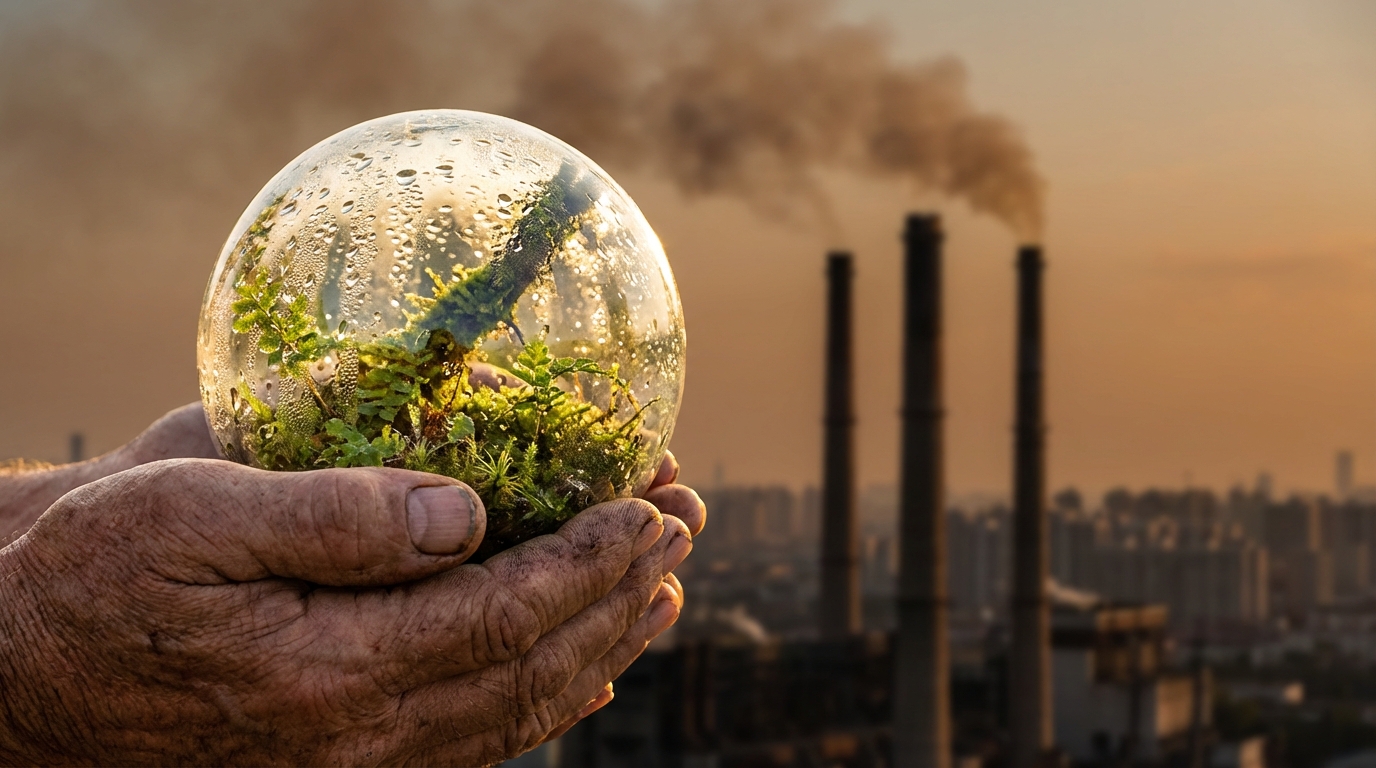
When you look at the sheer scale of today’s environmental challenges, you might wonder how we can possibly make the right choices before having all the answers. The precautionary principle offers a powerful moral compass by demanding that we avoid actions that could cause irreversible harm to our planet. This ethical standard insists that you do not need absolute scientific certainty to justify protecting the natural world from potential devastation. Instead of waiting for decades of conclusive data to prove a danger exists, this forward-thinking mindset asks you to err on the side of caution. By adopting this philosophical approach, you take on a profound personal responsibility to safeguard nature for future generations.
Applying this cautious perspective helps you address some of the most complex ecological crises we face right now. Consider the widespread issue of plastic pollution choking our oceans and infiltrating our food supply. Even if scientists are still studying the exact long-term health impacts of microplastics, the precautionary principle ethically requires you to support reducing plastic use immediately. The same logic applies to habitat destruction, where clearing forests for development threatens countless species with permanent extinction. You must weigh the immediate economic benefits against the permanent loss of biodiversity, choosing preservation when the long-term risks remain heavily obscured.
Embracing this principle transforms abstract philosophical theory into an urgent, practical guide for your daily life. It challenges you to question the hidden costs of convenience and demands a deeper reflection on your moral relationship with the environment. As we confront an era defined by rapid climate shifts and ecological loss, waiting for perfect information is a luxury we simply cannot afford. This rigorous ethical framework empowers you to make proactive decisions that respect the fragile balance of our ecosystems. Ultimately, prioritizing caution ensures that your actions contribute to a sustainable, thriving world rather than an irreversible tragedy.
Let Environmental Ethics Be Your Moral Compass
As we look back at the core principles of environmental ethics, it becomes clear that these ideas are much more than abstract philosophical theories. Sustainability asks you to carefully balance your current needs with the survival of future generations, ensuring that our planet remains habitable. Environmental justice requires you to consider how pollution and climate change disproportionately affect vulnerable communities. Together, these foundational pillars provide a reliable moral compass for addressing the complex global crises we face today. By understanding these concepts, you are equipping yourself with the intellectual tools needed to evaluate your daily impact on the natural world.
Applying this contemporary philosophy to your own life empowers you to make truly meaningful choices in a rapidly changing world. You do not need to be a policymaker or a scientist to put these ethical guidelines into practice. Every decision you make, from the products you purchase to the energy you consume, carries a moral weight that ripples through the global ecosystem. When you view your actions through the lens of environmental ethics, ordinary routines transform into powerful opportunities for positive change. You can confidently make choices in the modern marketplace knowing exactly how your habits support or harm the delicate balance of nature.
Ultimately, embracing environmental ethics instills a renewed and deeply practical sense of personal responsibility toward our natural environment. You are an active participant in the ongoing story of our planet, and your individual choices matter immensely. By integrating these ethical principles into your daily life, you help build a more just and sustainable future for all living things. The urgent challenges of climate change and biodiversity loss require immediate action, but they also demand thoughtful and morally grounded solutions. You now have the knowledge and the framework to step forward as a responsible steward of the Earth.
Frequently Asked Questions
1. What exactly are environmental ethics principles?
Environmental ethics principles provide a moral compass for guiding your relationship with the natural world. They help you move beyond just looking at scientific data by offering a framework to make responsible choices. By understanding these concepts, you can transform abstract philosophical ideas into practical tools for your daily life.
2. How can you apply environmental ethics in your everyday life?
You can apply these principles by critically examining the long-term impact of your daily choices. Whether you are deciding what products to buy or how to travel, you can use this ethical framework to ensure your actions support a healthy planet. It empowers you to align your habits with equity and environmental preservation.
3. What does sustainability really mean from an ethical standpoint?
Beyond corporate marketing campaigns, sustainability is a profound moral obligation to preserve the Earth. It means you have a fundamental duty to meet your current needs without compromising the resources that future generations will require. This shifts your focus from short-term convenience to a long-term ethical vision.
4. Why do you have a moral obligation to future generations?
The choices you make today directly dictate the quality of life for the people who will inherit the Earth after we are gone. Because future generations cannot advocate for themselves right now, you hold a profound responsibility to protect their access to a thriving environment. Honoring this obligation ensures they have the resources needed to simply survive and flourish.
5. What is environmental justice and how does it affect communities?
Environmental justice ensures that the heavy burdens of pollution and climate shifts are not unfairly placed on vulnerable populations. It challenges you to recognize that environmental harm often impacts marginalized groups the hardest. By committing to this principle, you help advocate for fairness and equity in how we share our planet.
6. How can environmental ethics help you avoid feeling overwhelmed by climate change?
When you face mounting headlines about biodiversity loss and climate crises, having a clear moral compass grounds your perspective. Environmental ethics provide a structured way to process these massive global challenges. Instead of feeling paralyzed, you gain an empowering framework that guides your personal actions and community involvement.
7. Are environmental ethics just for academics and philosophers?
Not at all. While these concepts originated in academic texts, they have evolved into vital, practical guides for modern living. You can use these ethical pillars every single day to make informed, responsible decisions about your relationship with the natural world.