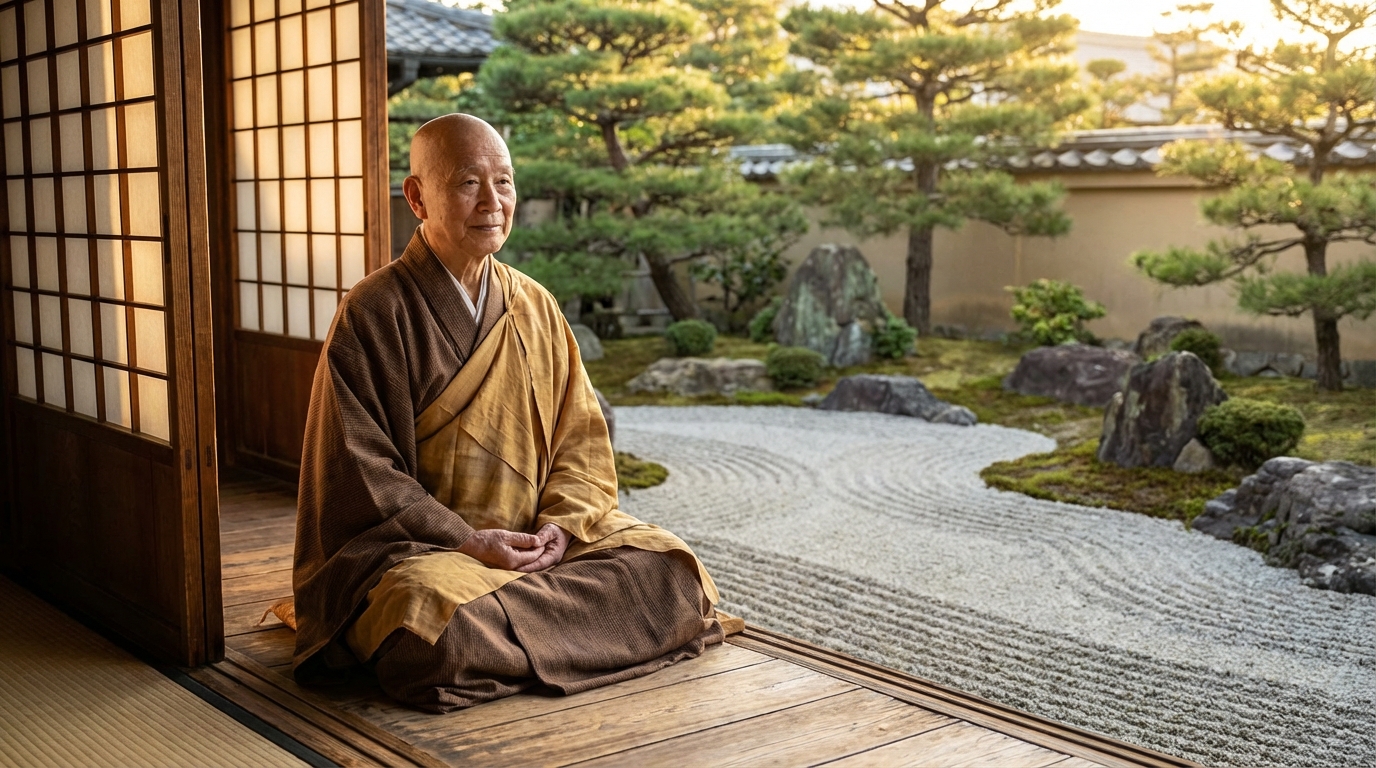
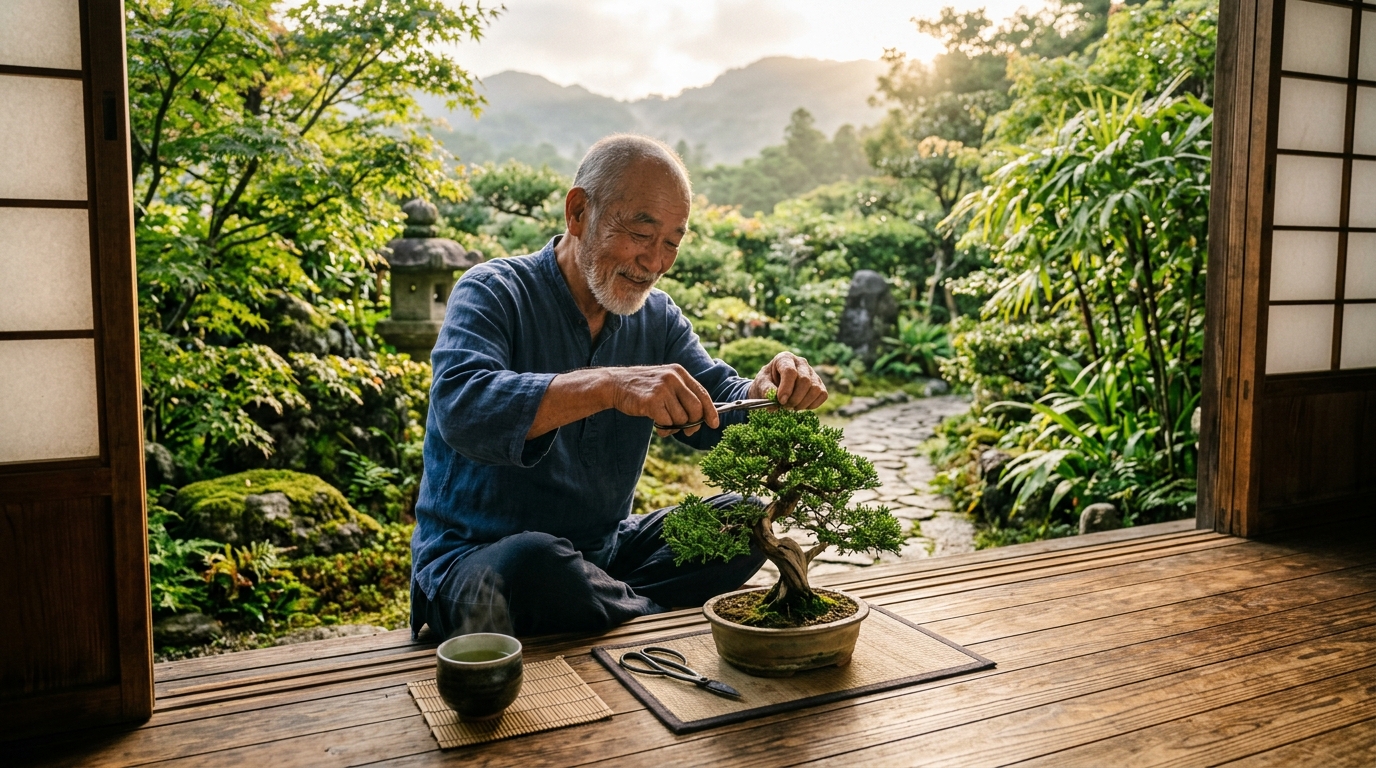
Have you ever woken up with a quiet sense of excitement for the day ahead, fueled by a clear sense of direction? This is the heart of ikigai, a Japanese concept that translates to your reason for being or the daily spark that makes life worth living. Having the ikigai philosophy explained is about more than just finding a career; it is about harmonizing your passions, talents, and values to create a sustainable sense of fulfillment. By aligning what you love with what the world needs, you transform your daily routine into a meaningful journey.
While many people view purpose as a monumental life goal, this philosophy teaches you that true value is often found in the smallest moments. Whether it is the satisfaction of a craft well-mastered or the simple joy of a morning ritual, ikigai provides a practical framework for managing modern life. You do not need to overhaul your entire existence to find balance; instead, you can learn to identify the unique intersection where your skills and heart meet. Embracing this mindset allows you to cultivate a deep, resilient happiness that sustains you through every season of life.
Key Takeaways
- Ikigai is found in the harmony of four pillars: what you love, what you are good at, what the world needs, and what you can be paid for.
- True purpose resides in small, everyday rituals and the mastery of simple crafts rather than just grand milestones or professional accolades.
- Achieving a state of ‘flow’ through deep concentration on challenging yet manageable tasks transforms mundane work into a source of mental well-being.
- Purpose is a dynamic, evolving journey that requires regular self-reflection and incremental adjustments rather than a singular, static destination.
Defining the Essence of Ikigai Philosophy
To truly understand the heart of ikigai, you must first look at the beautiful simplicity of its linguistic roots. The term is a combination of two Japanese words, where iki means to live and gai represents value or worth. When you bring these elements together, you discover a philosophy that defines your reason for being. It is not an abstract or distant goal, but rather a practical framework for recognizing what makes your life feel meaningful. By focusing on this definition, you can begin to see your daily routine through a more intentional and appreciative lens.
You might be surprised to learn that ikigai is often found in quiet, fleeting moments rather than grand milestones or professional accolades. While some interpretations focus heavily on career success, the traditional Japanese view emphasizes the small joys that make your morning worth waking up for. This could be the rich aroma of your first cup of coffee, the warmth of a brief conversation, or the satisfaction of a hobby well practiced. These tiny fragments of happiness are the building blocks of a life that feels deeply personal and authentic.
Embracing this philosophy allows you to bridge the gap between ancient Eastern wisdom and your modern, busy lifestyle. By identifying these sources of internal value, you gain a motivating force that guides your decisions and protects your mental well-being. It encourages you to slow down and acknowledge that a purposeful life is built sentence by sentence and day by day. As you integrate this mindset, you will find that your sense of fulfillment comes from within, rooted in a steady awareness of what truly matters to you.
Balancing the Four Pillars of Fulfillment
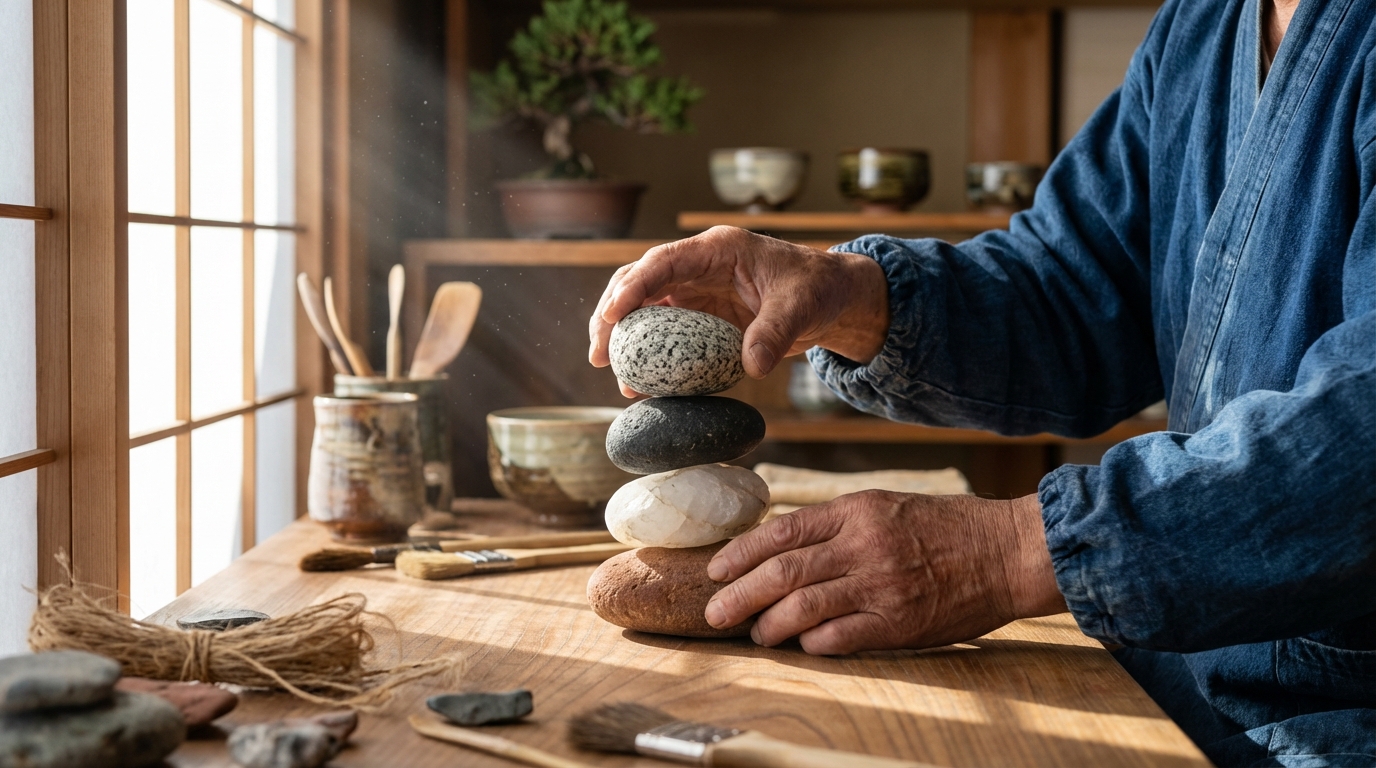
Finding your ikigai requires you to look inward and identify the unique intersection where your personal passions meet your practical needs. You start by identifying what you love and what you are naturally good at, which creates a foundation of joy and competence. However, the philosophy goes deeper by asking you to consider what the world needs from you and how you can be compensated for your efforts. This framework transforms a vague search for finding your purpose into a tangible roadmap for your daily life. By balancing these four distinct pillars, you move away from the burnout of modern hustle culture toward a more sustainable and harmonious existence.
Integrating these elements into your routine does not mean you have to overhaul your entire career overnight. You can begin by making small adjustments to how you spend your time, perhaps by bringing a skill you love into a project that benefits your community. True fulfillment comes when you no longer feel like your professional life and your personal values are in constant conflict. When you align your financial stability with a genuine sense of contribution, your daily work begins to feel less like a chore and more like a calling. This holistic approach ensures that your pursuit of purpose remains grounded in reality while feeding your soul.
Applying Japanese Mindsets to Your Daily Routine
Integrating the ikigai philosophy into your daily life begins by shifting your focus from grand achievements to the small, intentional moments that make your morning feel worthwhile. This mindset encourages you to find deep satisfaction in simple rituals, such as the aroma of your first cup of coffee or the quiet stillness before the world wakes up. By anchoring your day in these tiny victories, you cultivate a sense of presence that prevents you from feeling overwhelmed by long term goals. These micro joys serve as the foundation for a sustainable routine, ensuring that your motivation remains steady throughout the week. When you treat your morning habits as sacred acts of self care, you naturally align your energy with a sense of purpose.
Finding your flow is another essential component of applying this Japanese wisdom to your professional and creative endeavors. You can achieve this state of effortless concentration by identifying tasks that challenge your skills without causing excessive stress or anxiety. When you lose track of time while working on a project, you are experiencing a direct connection to your personal ikigai. It is helpful to set aside dedicated blocks of time for deep work, allowing yourself to fully immerse in the process rather than just the end result. This commitment to craftsmanship and focus transforms mundane chores into meaningful contributions to your overall well being.
Incremental growth, often referred to as the spirit of continuous improvement, allows you to evolve your lifestyle without the pressure of overnight transformation. You should aim for marginal gains in your physical health, mental clarity, and social connections by making slight adjustments to your current habits. Whether you are learning a new skill or refining an old hobby, the value lies in the consistent effort you put forth each day. This approach honors the idea that purpose is not a fixed destination but a dynamic journey that changes as you grow. By embracing this patient perspective, you create a life that feels both deeply rewarding on a personal level.
Living Your Ikigai with Daily Intentionality
Embracing the philosophy of ikigai is more than a one-time exercise in self-reflection; it is a commitment to living with intentionality every single day. By aligning your daily actions with what you love and what the world needs, you transform mundane routines into a series of meaningful moments. This shift in perspective allows you to find extraordinary value in the ordinary, such as the quiet satisfaction of a job well done or the warmth of a morning ritual. As you integrate these principles, you will likely notice a profound sense of calm and resilience emerging in your life. Purpose becomes the compass that guides you through challenges, ensuring that your energy is always directed toward what truly matters. This focus on internal strength is similar to how one might use a practical guide for building unshakable mental resilience in the face of adversity.
Sustaining this sense of purpose over the long term requires you to remain flexible and attentive to your evolving needs. Your ikigai is not a static destination but a living concept that grows and shifts as you move through different seasons of life. It is helpful to conduct regular check-ins with yourself to ensure your current path still resonates with your core values and passions. Small, consistent adjustments are often more effective than radical changes when it comes to maintaining a balanced lifestyle. By staying curious and open to new experiences, you ensure that your reason for being remains a vibrant source of inspiration. Cultivating this lifelong practice empowers you to move forward with both a clear vision and a joyful heart.
Frequently Asked Questions
1. What exactly does the word ikigai mean?
The term originates from the Japanese words iki, meaning to live, and gai, which describes value or worth. Together, they represent your reason for being or the daily spark that makes your life feel meaningful and productive.
2. Is ikigai just another word for a dream career?
While your professional life can be a part of it, ikigai is much broader than just a job title. It is a holistic philosophy that harmonizes your passions, talents, and values to create a sustainable sense of fulfillment in all areas of your life.
3. Do I need to make major life changes to find my ikigai?
You do not need to overhaul your entire existence to embrace this mindset. Often, the most profound sense of purpose is found by identifying the unique intersection where your current skills and your heart already meet.
4. Can ikigai be found in small, everyday moments?
True value is frequently discovered in quiet rituals and the satisfaction of a craft well-mastered rather than grand milestones. By focusing on these small moments, you transform your daily routine into a more intentional and appreciative journey.
5. How does this philosophy help with modern stress?
Ikigai provides a practical framework for managing the complexities of modern life by offering a clear sense of direction. This alignment helps you cultivate a deep, resilient happiness that sustains you through every season of life.
6. How do I begin identifying my own reason for being?
Start by looking at the activities that bring you a quiet sense of excitement and align with what the world needs. By focusing on the beautiful simplicity of your daily joys, you can begin to see your life through a more meaningful lens.