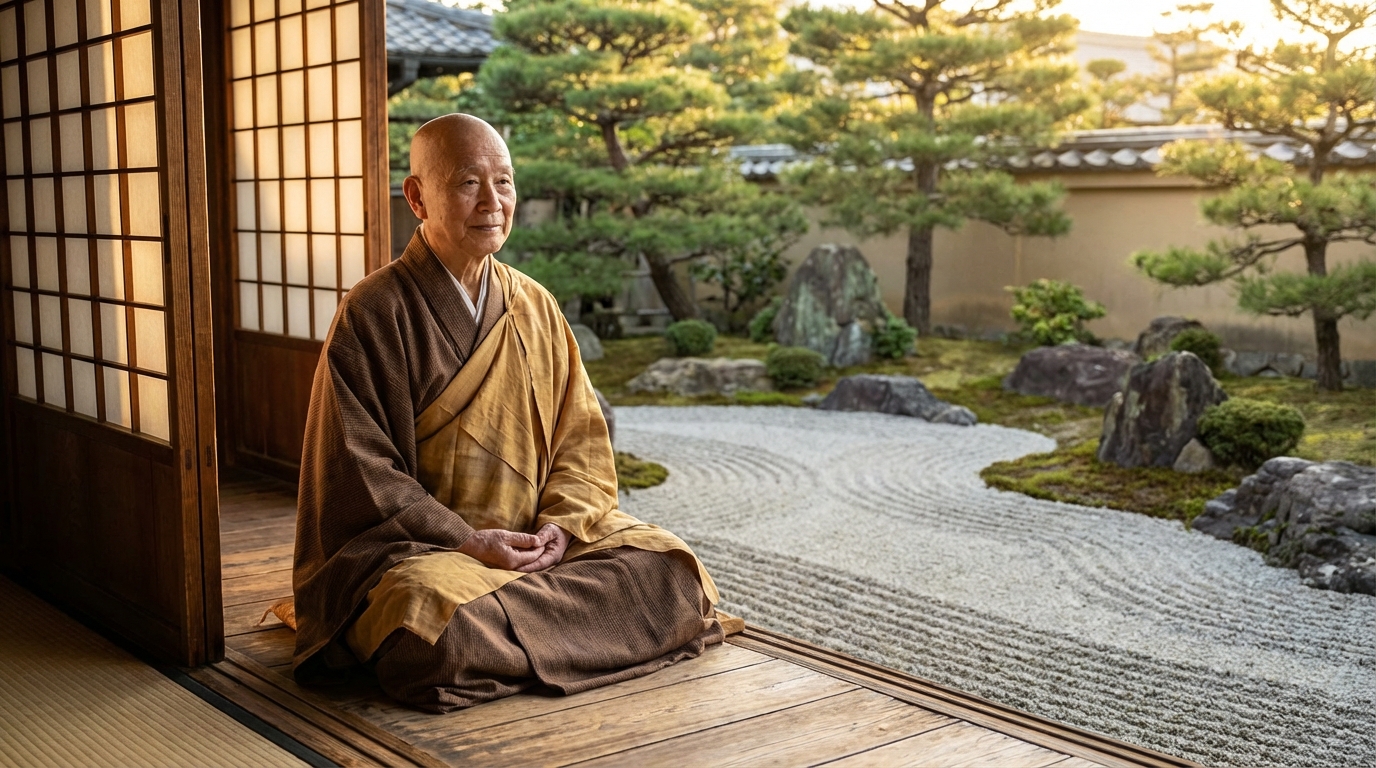
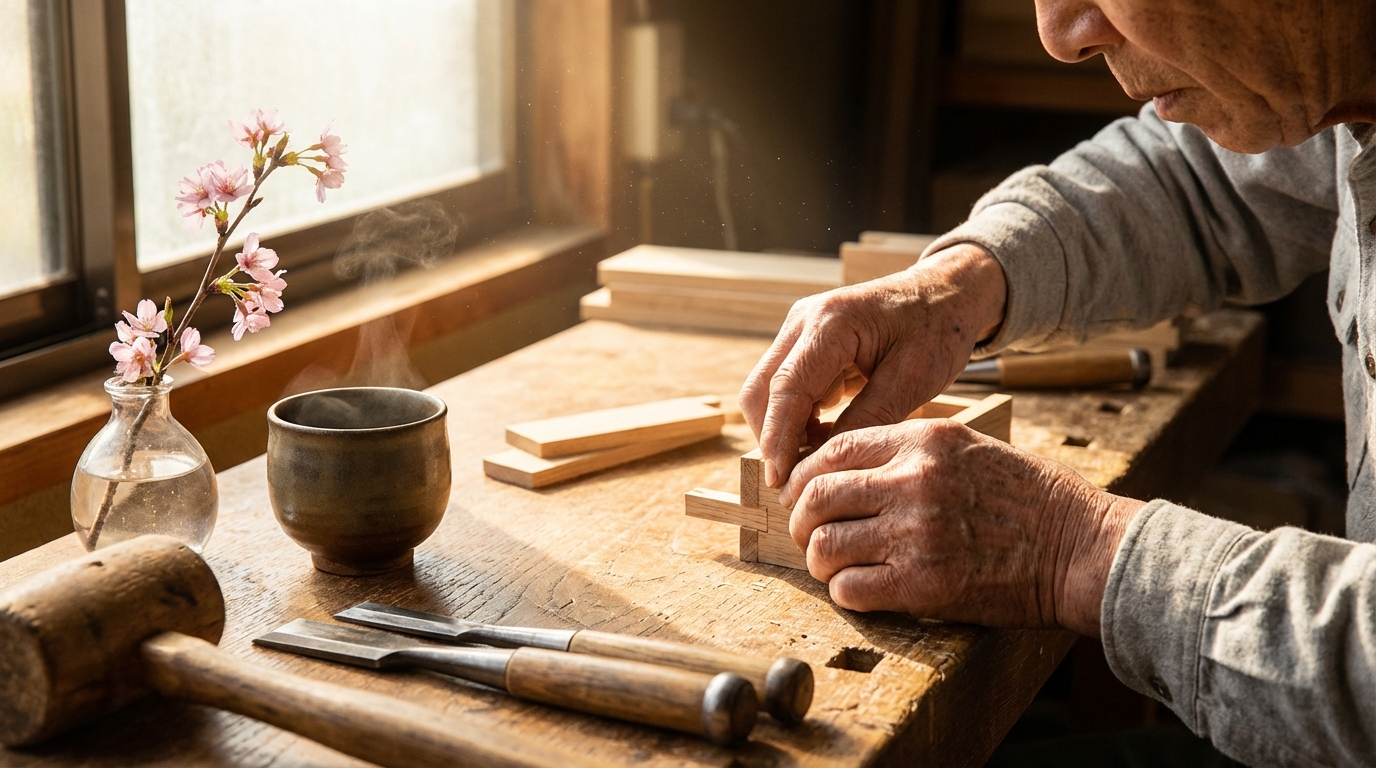
Have you ever woken up with a sense of quiet excitement, knowing exactly what gives your day its flavor and value? This is the essence of ikigai, a Japanese philosophy that translates to your reason for being or the worth found in being alive. To have the ikigai meaning explained is to realize that purpose isn’t always a grand, distant achievement. It is often found in the small joys, meaningful relationships, and personal hobbies that make life feel complete.
By blending iki (life) with gai (value), this concept invites you to identify the unique intersection of your passions and your contributions to the world. Unlike a static goal, ikigai is a dynamic state of mind that fosters harmony between your inner desires and your social roles. It provides a practical framework for finding spontaneous fulfillment and a future-oriented sense of motivation, even on the most ordinary days.
Key Takeaways
- Ikigai is a dynamic state of mind centered on the value found in daily existence rather than a static, grand achievement or a singular life mission.
- True purpose is found in the intersection of small personal joys, such as hobbies and rituals, and the meaningful contributions you make to your family and community.
- The traditional Japanese concept of ikigai focuses on the internal feeling of being alive and is not strictly tied to professional success, financial gain, or the Western Venn diagram model.
- Cultivating ikigai provides a sustainable internal compass that fosters resilience and motivation by shifting focus from distant future goals to the immediate value of current actions.
The Etymology Of Living With Worth
To understand the true essence of ikigai, you first need to look at the simplicity of its linguistic roots. The word is a compound of two Japanese terms: iki, which means life or being alive, and gai, which translates to worth, value, or benefit. When you bring these elements together, the concept transforms into a tangible reason for being that goes far beyond an abstract idea. It represents the specific things in your world that make the act of living feel deeply meaningful. By breaking down the term this way, you can see that ikigai is essentially the value you find in your daily existence.
This etymological foundation suggests that your purpose is not a grand, unreachable prize but a lived experience found in the present moment. While some interpretations focus on professional success, the original Japanese meaning emphasizes the small joys and personal motivations that keep you moving forward. You might find your gai in a creative hobby, a commitment to your family, or the simple satisfaction of a job well done. It is a flexible framework that allows you to identify what makes your life worth living based on your unique values. This perspective shifts the focus from a singular life mission to a sustainable sense of fulfillment.
Psychologists and scholars often point out that ikigai is deeply connected to a sense of mastery and the feeling that your actions have a positive effect. Because the term gai is historically linked to the word for a shell, which was once a form of currency, it implies a sense of high value or merit earned through effort. You can think of it as the emotional reward you receive when you engage with the world in a way that feels authentic to you. Whether you are pursuing a social role or a private passion, this concept provides a roadmap for balancing your inner desires with your outer responsibilities. Ultimately, understanding the origin of the word helps you recognize that your reason for being is something you cultivate every single day.
Beyond The Western Venn Diagram Model
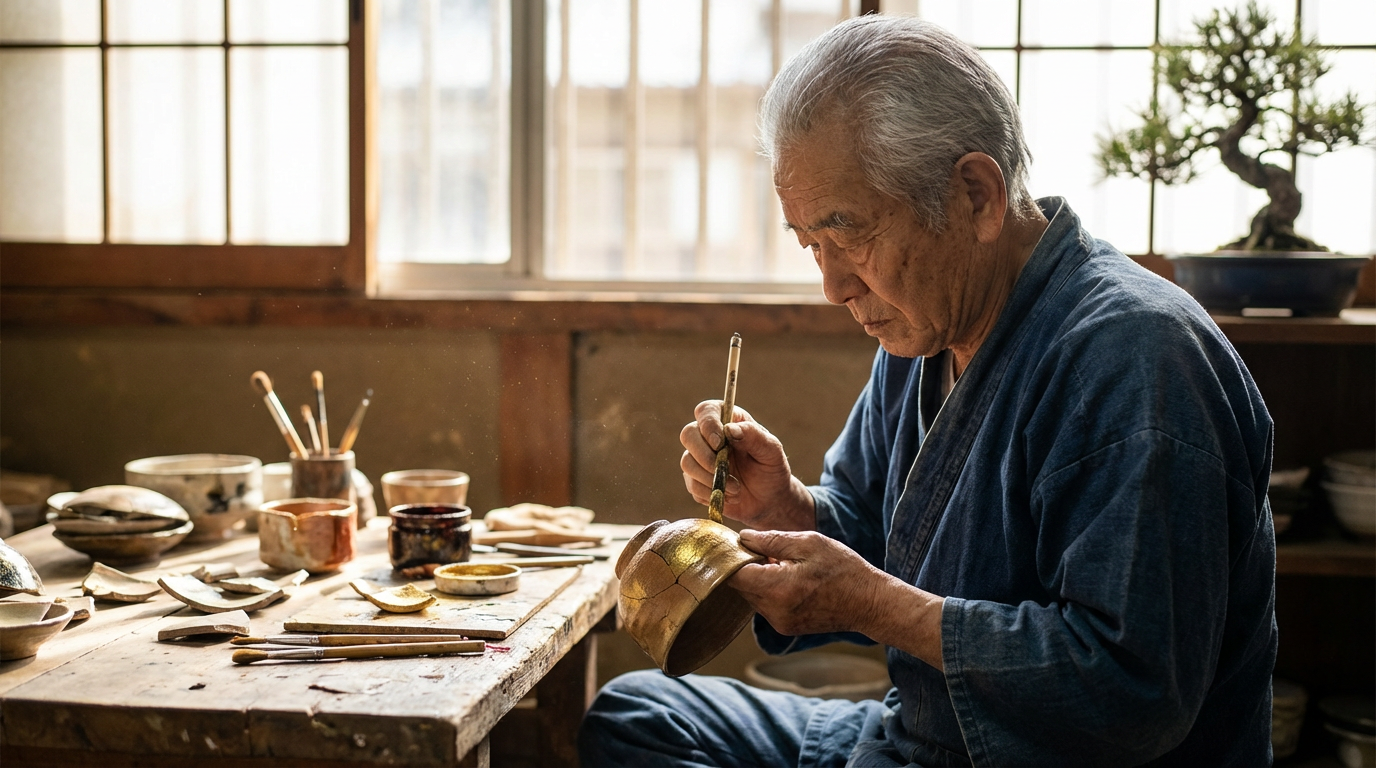
While you have likely seen the popular Venn diagram where your passion, mission, vocation, and profession overlap, this modern graphic is a Western adaptation rather than the original Japanese concept. In Japan, ikigai is rarely tied to your career or financial success, and it certainly does not require you to be a professional at what you love. Instead of searching for one grand intersection of work and money, the traditional view focuses on the internal feeling of being alive and the value you find in the present moment. By shifting your perspective away from this rigid four-circle model, you can begin to see your purpose as something much more fluid and accessible.
Finding your ikigai is often about embracing the small joys that make your daily life feel meaningful, such as a morning cup of tea or a quiet walk in nature. This philosophy emphasizes the beauty of personal hobbies and the resilience found in staying active through your social roles and community connections. You do not need a singular, life-defining achievement to feel fulfilled because the value lies in the process of living rather than a final destination. When you focus on these spontaneous moments of satisfaction, you create a sustainable sense of motivation that carries you through both good and challenging times.
True ikigai is personal and can manifest in many different ways, ranging from your commitment to a craft to the simple pleasure of helping a friend. Japanese psychologist Katsuya Inoue suggests that these sources of meaning can be social, like your role in a family, or entirely private, like a personal interest you pursue just for yourself. This flexible approach allows you to cultivate a sense of worth that evolves as you grow, ensuring that your reason for being is always within reach. By looking beyond the pressure of finding the perfect career, you empower yourself to discover a deeper and more authentic harmony in your everyday existence.
Cultivating A Sustainable Daily Life Motivation
Ikigai is much more than a catchy buzzword or a complex diagram; it is a profound Japanese concept that translates to your reason for being. Derived from the words iki, meaning life, and gai, meaning value, it represents the spontaneous joy you feel when engaging in activities that make life worth living. Instead of chasing a single, monumental achievement, you can find your ikigai in the small, everyday moments that provide a sense of flow and presence. This mindset allows you to cultivate a sustainable form of motivation that feels natural rather than forced. By recognizing what truly brings you fulfillment, you create a personal internal compass that guides your daily decisions and energy.
To truly integrate this philosophy into your life, you should consider how your personal passions harmonize with your social roles. While some parts of your ikigai are private, such as a solitary hobby or a quiet morning ritual, other parts flourish through your contributions to your family or community. This balance between individual satisfaction and social connection creates a deep sense of belonging and purpose. You do not need a grand stage to feel impactful when you realize that your unique presence adds value to the world around you. Embracing these diverse roles helps you build a resilient foundation for mental well-being and long-term happiness.
Living with ikigai means shifting your focus from a distant, future-oriented goal to the immediate value of your current actions. It encourages you to pursue your interests willingly while fostering a sense of harmony with yourself and society. Whether it is the satisfaction of mastering a new skill or the warmth of a shared meal, these experiences form the fabric of a meaningful existence. As you identify these sources of joy, you will find that motivation becomes a constant companion rather than a fleeting emotion. This practical framework empowers you to lead a life that is not just productive, but deeply and authentically your own.
Cultivating Your Daily Reason for Being
Embracing the Japanese philosophy of ikigai allows you to transform your daily routine into a meaningful process of self-discovery. By recognizing that your reason for being often resides in small joys and personal hobbies, you build a foundation of resilience that can withstand life’s inevitable challenges. This mindset shifts your focus away from a single, grand achievement and toward the consistent value found in your relationships and contributions. When you live with this sense of purpose, you create a natural harmony between your internal passions and your external social roles. Ultimately, finding your ikigai is about honoring what makes your life feel worth living every single morning.
You can begin this process today by simply paying closer attention to the moments that spark spontaneous fulfillment and motivation. Whether it is the quiet satisfaction of a creative project or the warmth of a community connection, these instances are the building blocks of a balanced life. Integrating these sources of joy into your schedule helps you maintain a healthy perspective even during stressful or demanding periods. As you cultivate this awareness, you will likely find that your sense of accomplishment grows more profound and sustainable. Choosing to pursue what you value most ensures that your path forward remains both intentional and deeply rewarding.
Frequently Asked Questions
1. What does the word ikigai actually mean?
Ikigai is a Japanese concept that translates to your reason for being or the value found in being alive. It is formed by combining iki (life) and gai (worth), representing the specific things that make your daily existence feel meaningful.
2. Is ikigai primarily about my professional career?
While it can include your work, the original Japanese meaning focuses more on small daily joys and personal motivations. You can find your ikigai in creative hobbies, meaningful relationships, or the simple act of being present in the moment.
3. How can I start identifying my own ikigai?
You can begin by exploring the intersection of your personal passions and the contributions you make to the world around you. Focus on the activities that give your day flavor and value, rather than searching for one grand or distant achievement.
4. Is ikigai a goal that I eventually reach and finish?
Ikigai is a dynamic state of mind rather than a static destination or a one-time prize. It is a future-oriented sense of motivation that evolves with you, helping you maintain harmony between your inner desires and your social roles. This search for meaning stands in stark contrast to nihilism, which suggests that life lacks intrinsic value or purpose.
5. Why is the etymology of the word important for understanding the concept?
By breaking the word down into life and worth, you see that purpose is a lived experience found in the present. This linguistic root reminds you that your reason for living is grounded in the tangible benefits you find in your everyday life.
6. How does ikigai help on ordinary or difficult days?
It provides a practical framework for finding spontaneous fulfillment even when life feels routine. Having a clear sense of your ikigai fosters a quiet excitement that keeps you moving forward with a sense of purpose and value.