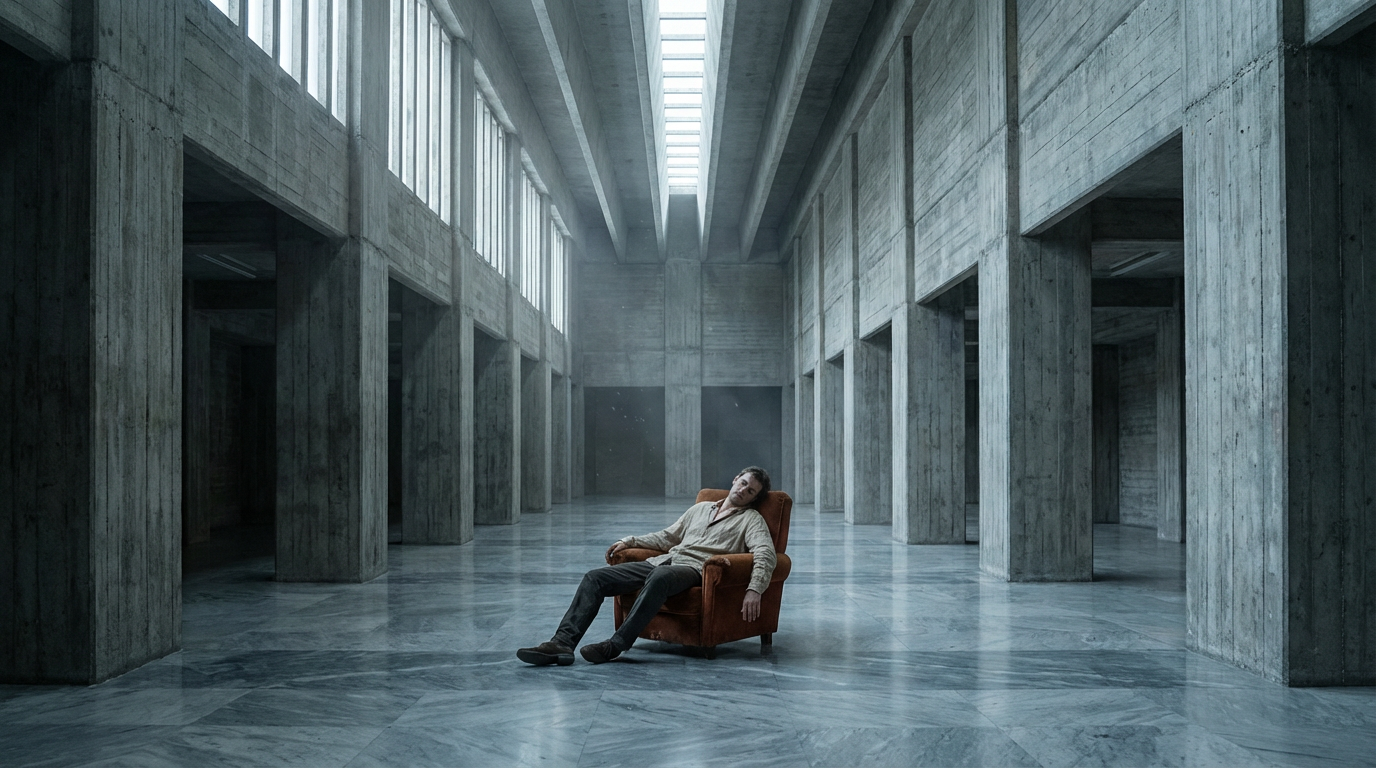
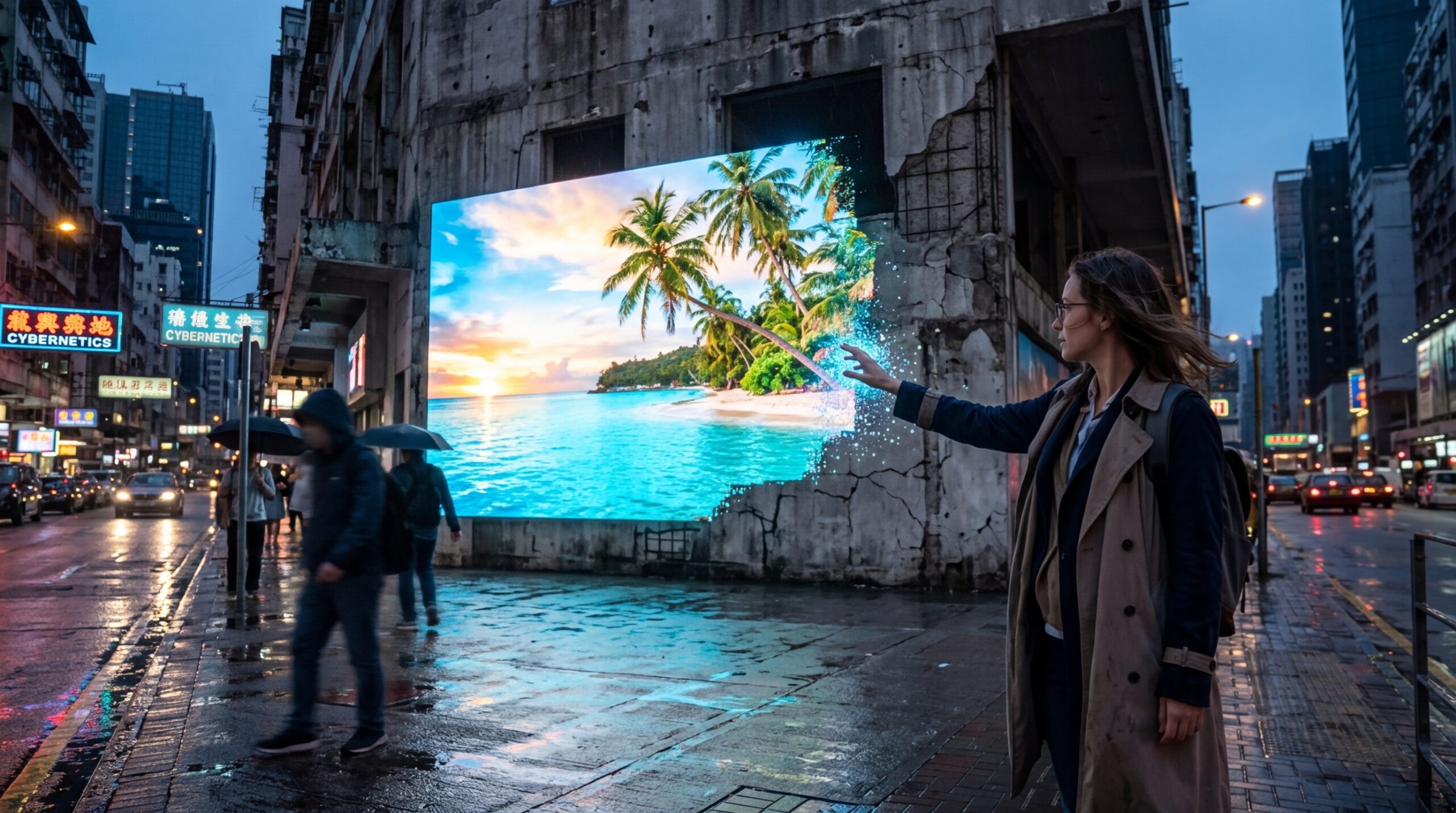
Have you ever felt like your favorite social media feed or a pristine vacation advertisement feels more real than the world outside your window? You are experiencing a phenomenon known as the death of the real, where the polished image becomes more influential than the physical object it represents. To truly grasp why our modern world feels so manufactured, you can look at baudrillard hyperreality explained as a collapse between the map and the territory.
Jean Baudrillard suggests that we now inhabit a world of the simulacrum, a copy of a reality that never actually existed. When you interact with digital personas or themed environments, you aren’t just looking at a representation; you are participating in a simulation that has replaced the original. This shift means the signs and symbols you consume dictate your truth, making the distinction between fact and fiction increasingly irrelevant.
Key Takeaways
- Modern society has entered a state of hyperreality where the simulation of the world, such as digital media and curated personas, has become more influential than physical reality itself.
- The ‘map now precedes the territory,’ meaning that representations and digital blueprints dictate how you perceive and value physical experiences before they even occur.
- We live in an era of the simulacrum, where signs and symbols are often copies with no original reference in the physical world, rendering the distinction between fact and fiction irrelevant.
- Reclaiming a sense of self requires a conscious effort to prioritize tangible, sensory experiences and face-to-face connections over the polished, self-referential loops of digital consumption.
The Map That Precedes The Territory
In his groundbreaking work, Jean Baudrillard introduces an unsettling idea that fundamentally changes how you view your daily surroundings. He argues that we have moved into an era where the map and the territory have inverted, meaning the representation of reality actually precedes and determines the territory of your physical life. Think about how you often research a vacation destination on social media long before you actually set foot on the sand. By the time you arrive, your experience is dictated by the digital images you have already consumed, making the physical location feel like a mere shadow of its online profile. This shift means that the simulation is no longer just a reflection of the world, but the very blueprint that creates it.
You encounter this phenomenon most clearly through what Baudrillard calls the simulacrum, which is a copy that has no original reference in the physical world. Consider your digital life where filters, curated feeds, and AI generated content create a version of the good life that does not actually exist anywhere in tangible space. These signs and symbols become more important than the things they are supposed to represent, leading to what is known as the death of the real. When you find yourself valuing a digital interaction or a perfectly framed photo more than the messy, unedited moment itself, you are experiencing hyperreality firsthand. In this state, the distinction between what is authentic and what is simulated simply collapses into a new, media saturated environment.
Navigating this hyperreal world requires you to look closely at how digital models now dictate your perception of truth and identity. Instead of media reflecting your life, you might find yourself subconsciously tailoring your behavior to fit the requirements of an algorithm or a digital trend. This reversal is powerful because it suggests that our shared reality is now constructed from a series of idealized models rather than organic experiences. As you scroll through your social platforms, remember that you are navigating a sophisticated map that has been drawn with such precision that it has effectively replaced the ground beneath your feet. Understanding these concepts helps you reclaim a sense of awareness in an age where the simulation is often more convincing than the truth.
Four Stages Of The Disappearing Image
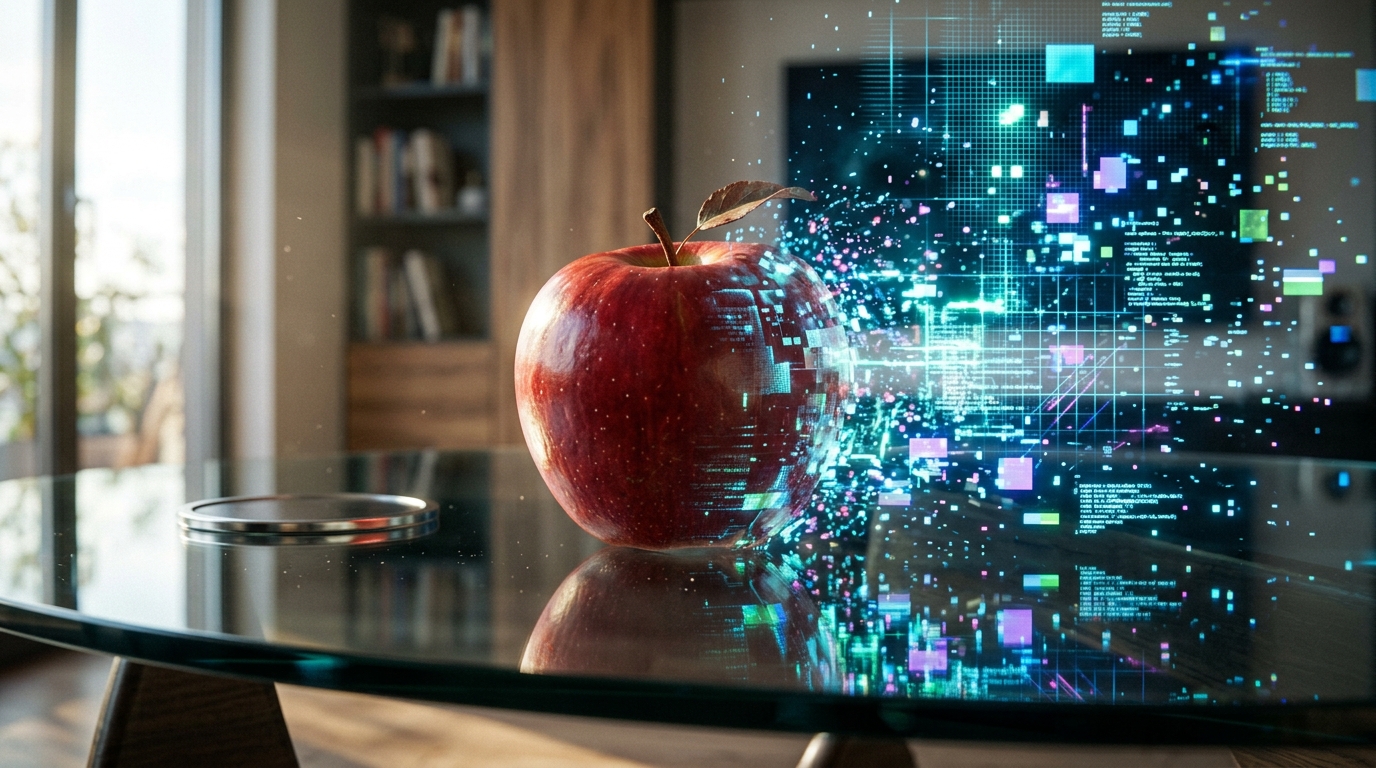
To understand how we reached a point where digital life feels more authentic than the physical world, you must first trace the evolution of the sign. Jean Baudrillard outlines this progression through four distinct stages, beginning with a time when an image was a faithful reflection of a basic reality. In this initial phase, a photograph or a painting served as a transparent representation of something that actually existed in front of the artist. You could look at the image and trust that it pointed directly back to a tangible object in the real world. This was a period of symbolic depth where the sign and the reality were harmoniously linked.
As society moved into the second and third stages, the relationship between the image and the truth began to fracture and distort. First, the image started to mask and pervert reality, acting as an unfaithful copy that hinted at a truth it could no longer fully capture. Eventually, the sign progressed to a stage where it masked the total absence of a profound reality, much like how a heavily filtered social media profile might hide the fact that the lifestyle it portrays does not exist. You are no longer looking at a representation of a person, but rather a strategic shield that covers up an empty space. At this point, the connection to the original source is almost entirely severed.
In the final stage of this progression, the image bears no relation to any reality whatsoever, becoming its own pure simulacrum. You encounter this daily when you engage with digital environments or brand identities that were never based on a physical original to begin with. These signs do not pretend to be real because the very distinction between the true and the false has been rendered irrelevant. In this state of hyperreality, the simulation is all you have, and the map has finally replaced the territory it was meant to represent. You are living in a world of self-referential signs where the concept of a natural reality has effectively disappeared. Much like the prisoners in Plato’s Allegory of the Cave, we often mistake these flickering shadows for the ultimate truth.
Living In The Desert Of The Real
When you scroll through your social media feed, you are likely encountering a world that Jean Baudrillard would describe as a simulacrum. This is a space where the images and videos you consume are no longer just reflections of reality, but are instead copies that have no original source in the physical world. Think about the heavily filtered photos or the curated lifestyles of influencers that exist only within the digital frame. You are not seeing a representation of a real life, but a polished simulation designed to look more perfect and appealing than reality could ever be. This constant stream of content creates a new environment where the distinction between the genuine and the artificial begins to dissolve entirely.
Baudrillard famously referred to this state as the desert of the real, suggesting that our media saturated culture has replaced the actual world with a map of signs. You might find that you experience events through your screen before you even process them in person, making the digital record feel more significant than the lived moment. In this hyperreal state, the simulation becomes the primary way you understand your surroundings, and the original territory of human experience is left behind. This is not just about fake news or staged photos, but about a fundamental shift in how you perceive truth and existence. The copy has essentially become more real than the original, leaving you to navigate a world where the physical and the digital are inextricably blurred.
This information overload ensures that you are always connected to a web of symbols that refer only to other symbols. When you engage with online trends or digital subcultures, you are participating in a reality that is built purely on information and imagery. These digital experiences do not need a physical counterpart to feel meaningful or impactful to your daily life. As these layers of simulation pile up, the concept of an objective reality starts to fade into the background of your consciousness. You are living in a world where the map has grown so large and detailed that it has completely covered the world it was meant to represent.
Finding Meaning In A Saturated World
In our digital age, you likely spend hours navigating a world where the boundary between your physical life and your online presence feels increasingly thin. Jean Baudrillard described this phenomenon as hyperreality, a state where the simulations of our world, such as social media feeds and curated digital personas, become more real to us than the actual events they represent. Think about how a person might experience a vacation more through the lens of their camera than through their own eyes, prioritizing the perfect image over the physical moment. In this scenario, the map has effectively replaced the territory, meaning the representation of the world now dictates how you perceive and value your own experiences.
This shift is driven by what Baudrillard calls the simulacrum, which is essentially a copy that has no original reference in the physical world. When you scroll through your favorite apps, you are often interacting with idealized versions of beauty, success, and lifestyle that do not exist in nature. These images are not just reflections of reality, but are instead self-referential signs that create a new, artificial standard for what is considered normal or desirable. Because these digital constructs are more polished and vibrant than the messy truth of daily life, you might find yourself feeling a sense of loss or confusion as the real begins to fade into the background.
Navigating this saturated world requires you to develop a conscious awareness of how media influences your sense of self and truth. By recognizing that the hyperreal is a construction, you can begin to reclaim your perspective and find genuine meaning outside of the digital noise. While the simulation is powerful, your subjective experience still holds weight when you choose to engage with the world on your own terms. Staying grounded involves questioning the polished narratives you encounter daily and seeking out authentic connections that do not rely on a screen for validation. This mindfulness allows you to live with intention even when the distinction between truth and illusion seems to have collapsed.
Finding Your Ground in the Simulacrum
Navigating a world where the digital simulation often feels more vibrant than physical existence requires a conscious effort to ground yourself in the present moment. When you scroll through curated social media feeds or engage with AI generated content, you are interacting with a simulacrum that lacks an original reference point in the real world. To maintain your sense of self, you must learn to distinguish between the idealized signs presented on your screen and your own tangible experiences. By prioritizing sensory reality over the polished images of the hyperreal, you reclaim your identity from the endless loop of media consumption.
Developing a critical eye toward the digital environments you inhabit allows you to participate in modern culture without losing your connection to the truth. You can acknowledge that while the map may be more colorful, it is never a substitute for the actual territory of your life. This perspective echoes the ancient idea that our sensory world is just a shadow of ideal realities that exist beyond our immediate perception. Engaging in offline hobbies, fostering face to face relationships, and practicing mindfulness are practical ways to resist the pull of the simulation. Ultimately, understanding baudrillard hyperreality explained empowers you to live authentically in a postmodern age by asking is your reality real and choosing depth and substance over the superficial flicker of the screen.
Frequently Asked Questions
1. What exactly is hyperreality in simple terms?
Hyperreality is a state where the distinction between what is real and what is a simulation becomes completely blurred. You experience this when digital images, media representations, and social media feeds become more influential and meaningful to you than the physical world they are supposed to represent.
2. What does it mean when the map precedes the territory?
This concept suggests that the representation of an experience now comes before the experience itself. When you use social media to plan a trip, the digital images create a blueprint that dictates how you perceive the physical location once you finally arrive.
3. What is a simulacrum and why does it matter?
A simulacrum is a copy of something that has no original or real-world counterpart. In your modern life, this often looks like a curated digital persona or an AI generated image that feels incredibly authentic despite having no basis in physical reality.
4. How does hyperreality affect your daily decision making?
Your choices are often driven by signs and symbols rather than tangible needs or facts. You might find yourself buying a product or visiting a location not for its physical utility, but because of the simulated lifestyle and status it represents in the digital environment.
5. Is hyperreality the same thing as a lie or a fake?
No, hyperreality is more complex than a simple falsehood because it replaces reality entirely. It creates a new environment where the difference between fact and fiction is no longer relevant, making the simulation your primary truth.
6. Why is the death of the real happening now?
The explosion of digital technology and media has surrounded you with a constant stream of polished, simulated content. As you spend more time interacting with these perfect representations, the messy and unpolished physical world begins to feel less significant and less real by comparison.
Understanding how these algorithmic bias systems shape your reality is the first step toward breaking free from the simulation.