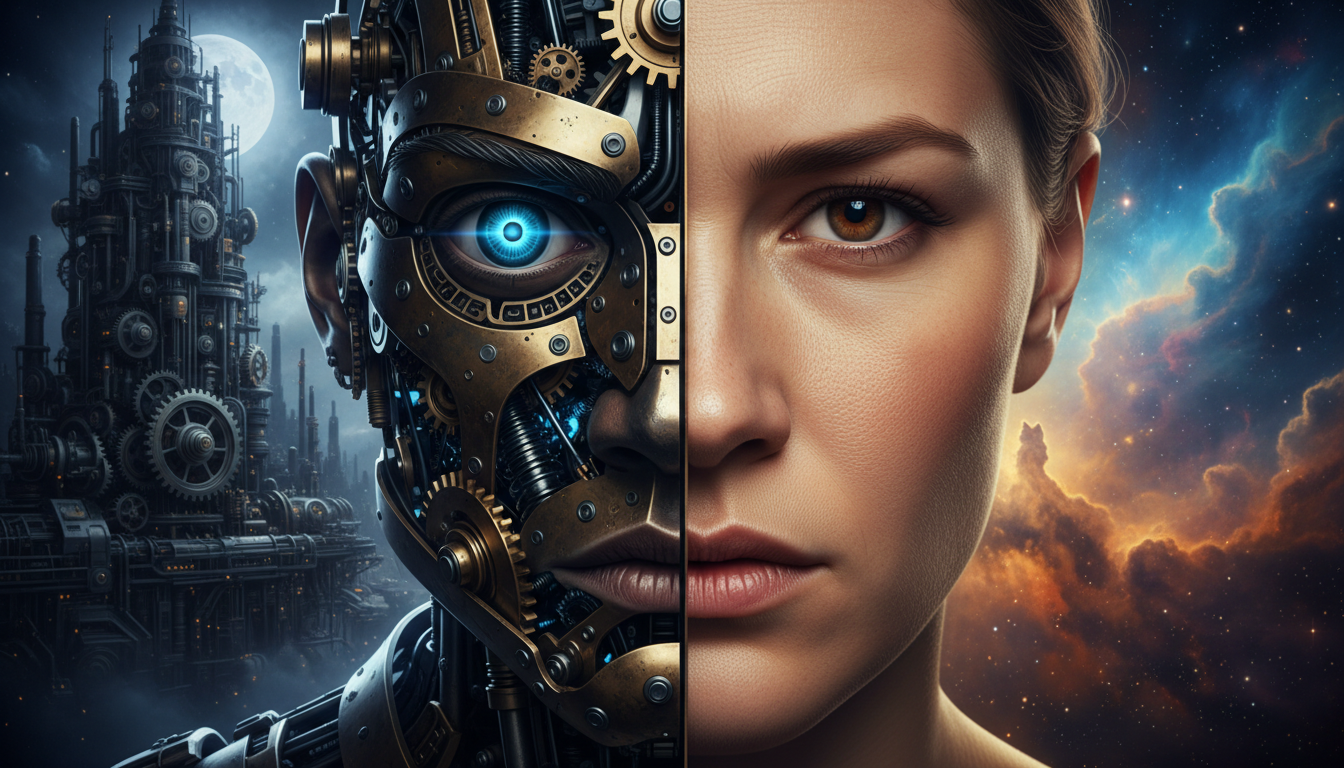

Imagine for a moment that everything you see, touch, and love is merely a sophisticated projection of your own mind. This unsettling thought sits at the heart of the solipsism vs realism debate, a philosophical crossroads that asks whether the universe is an objective playground or a solitary dream. While your intuition tells you that the world exists independently of your gaze, proving that certainty is surprisingly difficult when your only window to reality is your own subjective consciousness.
Choosing between these two perspectives changes how you ground your knowledge and interact with the people around you. Realism offers the steady foundation of a shared, measurable world, while solipsism challenges you to defend the very existence of anything beyond your own thoughts. By exploring these concepts, you gain a sharper understanding of the limits of human certainty and the ways your mind constructs its version of the truth.
Key Takeaways
- Realism provides the essential foundation for science and social interaction by asserting that the universe exists as an objective, mind-independent reality.
- Solipsism exposes the limits of human certainty by highlighting that all external data is filtered through subjective internal experiences that cannot be independently verified.
- The ‘problem of other minds’ forces a choice between viewing people as conscious beings or as sophisticated biological machines, requiring a practical leap of faith to maintain social connections.
- Balancing these perspectives allows for a sophisticated worldview that respects objective scientific laws while remaining aware of the subjective nature of personal perception.
The Solipsist Challenge to External Reality
If you have ever entertained the idea that the entire universe is a simulation, you have already brushed against the edges of the solipsist challenge. Solipsism takes this skepticism to its logical extreme by suggesting that your own consciousness is the only thing you can truly verify. While realism assumes a world exists outside of your skull, solipsism argues that every sight, sound, and person you encounter could simply be a sophisticated projection of your own mind. You are essentially trapped within the theater of your own thoughts, with no way to peek behind the curtain to see if a physical stage actually exists.
The weight of this theory rests on the fact that all your data about the world is filtered through subjective internal experiences. You cannot step outside of your own brain to observe reality from a neutral, mind-independent perspective. Because your sensory input could be hallucinated or digitally manufactured, your internal I remains the only constant in an otherwise uncertain environment. Realism requires a leap of faith that your senses are accurate, whereas solipsism demands you acknowledge the limits of what you can actually prove.
Consider the people you interact with every day and whether they possess internal lives as vivid as your own. In a solipsistic framework, these individuals might be nothing more than philosophical zombies or mental constructs designed to populate your personal reality. This perspective forces you to confront the isolation of the human condition and the fragility of what we call objective truth. By questioning the external world so radically, you begin to see why this ancient debate remains a cornerstone for anyone seeking deeper intellectual rigor.
Realism and the Case for Objective Truth

Realism serves as the sturdy ground beneath your feet, asserting that the universe functions according to its own laws regardless of your presence. While the simulation hypothesis or solipsism might suggest that your surroundings are mere mental projections, realism argues that objects possess a mind-independent existence. This means the trees in a forest or the stars in a distant galaxy continue to exist and interact even when no one is there to observe them. By accepting this framework, you move from a self-centered view of the universe toward a more rigorous understanding of a shared, objective reality. This shift is essential for bridging the gap between abstract thought and the tangible world we inhabit every day.
This perspective provides the vital foundation for modern science and the pursuit of universal truths. If reality were purely subjective, the laws of physics would be nothing more than personal whims, making collaborative discovery impossible. Realism allows you to trust that gravity will function the same way for your neighbor as it does for you, creating a reliable environment for experimentation and progress. It transforms the world from a lonely internal theater into a vast, complex environment waiting to be mapped and understood through collective effort. Embracing this outlook empowers you to engage with the world with intellectual rigor, knowing that your discoveries are rooted in something much deeper than your own imagination.
Deciphering the Problem of Other Minds
If you have ever looked into the eyes of a friend and wondered if they are truly experiencing the world as you do, you have brushed against the problem of other minds. Realism suggests that because other people behave like us and share our biological makeup, they must possess an internal life that mirrors our own. However, solipsism challenges this comfortable assumption by pointing out that you can never actually access another person’s subjective consciousness. You are essentially trapped within the theater of your own mind, observing the outward performance of others without any way to verify the existence of their internal script. This gap between observation and certainty creates a profound tension in how you perceive the people around you.
The intellectual bridge between these views forces you to consider whether the individuals in your life are conscious beings or merely sophisticated biological machines. In a world increasingly familiar with the simulation hypothesis, this question gains a new level of urgency and intellectual rigor. If reality is a construct, then the people you interact with could be philosophical zombies who lack any inner light or sentience. You might be interacting with complex algorithms that are designed to react perfectly to your presence without ever feeling a single emotion. While this feels like the plot of a science fiction movie, it remains a resilient skeptical challenge that tests the very foundations of your empirical knowledge.
Navigating this divide requires you to balance the logical purity of solipsism with the practical necessity of realism. While you cannot prove with absolute certainty that your neighbor is conscious, acting as if they are not would make social existence impossible. You rely on an inductive leap of faith every time you offer a kind word or share a secret with someone else. This leap is what allows you to move beyond the isolation of the self and participate in a shared human experience. By exploring this boundary, you gain a deeper appreciation for the limits of what can be known and the beauty of the connections you choose to believe in anyway.
Beyond the Simulation in Modern Epistemology
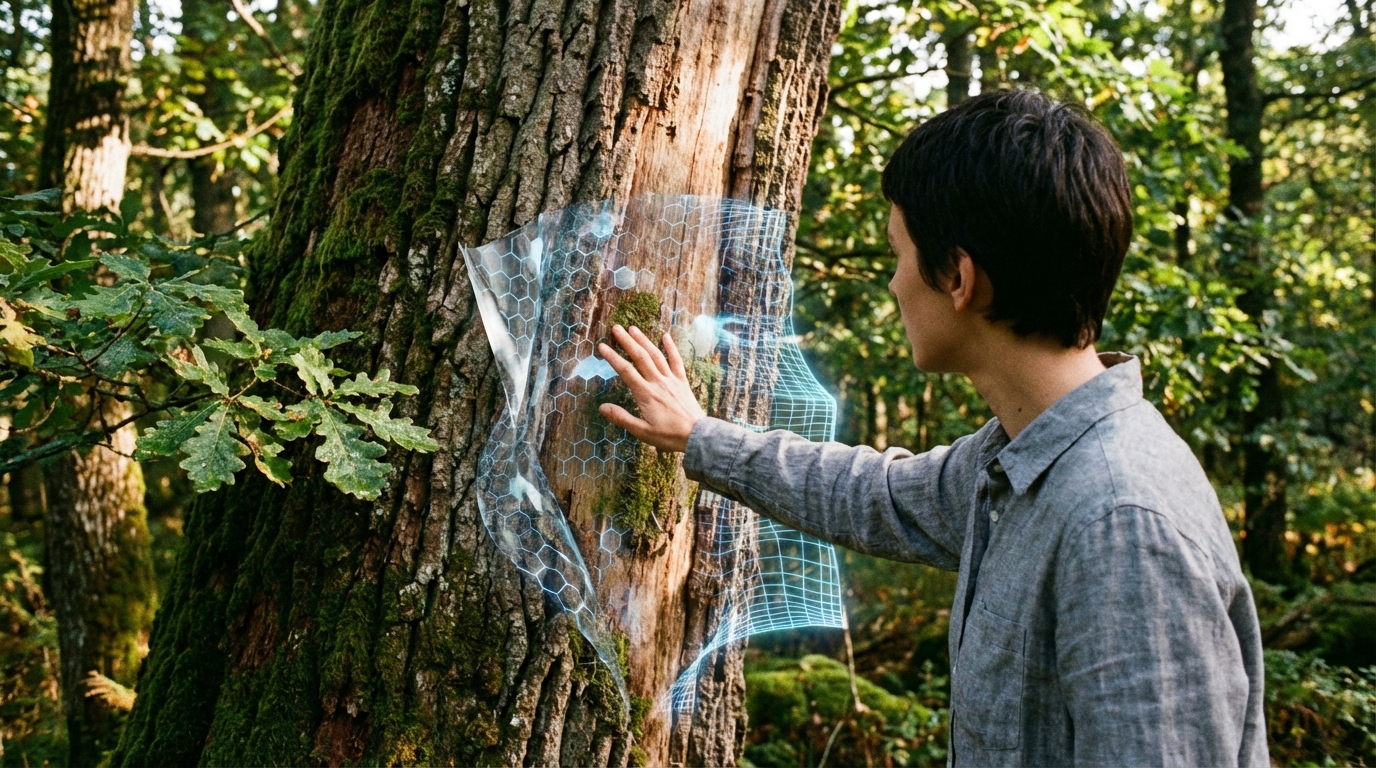
While the simulation hypothesis provides a fascinating digital metaphor for our existence, moving into the debate between solipsism vs realism offers you a far more rigorous framework for testing the limits of certainty. Realism acts as your intellectual anchor, asserting that a physical world exists independently of your thoughts and continues to function even when you are not looking. This perspective aligns with the scientific method and our daily intuition that the objects we touch are solid and permanent. By grounding your worldview in realism, you accept that the universe is not just a projection of your own consciousness but a vast, mind-independent reality. It provides the necessary foundation for shared knowledge and collective discovery among other conscious beings.
In contrast, solipsism challenges you to consider the radical possibility that your own mind is the only thing you can truly prove to exist. This is not just a thought experiment about being inside a computer program, but a serious examination of the nature of subjective experience and the mind-body problem. You might find it unsettling to realize that every person you meet could theoretically be a mental construct rather than a self-aware individual. Solipsism pushes you to examine where your internal world ends and the external world begins, forcing a level of skepticism that even the most advanced simulation theories rarely demand. It serves as a powerful reminder that our sensory data is always mediated through a private, internal lens.
Navigating these two extremes allows you to develop a more sophisticated understanding of modern epistemology than a simple red pill analogy could ever provide. When you contrast the objective certainty of realism with the internal isolation of solipsism, you begin to see the true complexity of human knowledge. This intellectual journey helps you identify the assumptions you make every day about the world around you and the people within it. By moving beyond the simulation, you gain the tools to question the very fabric of reality with professional depth and clarity. Ultimately, this exploration empowers you to define what it means to truly know anything in an age of uncertainty.
Balancing Subjective Perception with Objective Reality
Finding a balance between the radical isolation of solipsism and the grounded certainty of realism allows you to navigate life with a sophisticated level of intellectual agility. While realism provides the necessary framework for you to interact with your environment and build lasting relationships, a touch of solipsistic skepticism reminds you that your perceptions are always filtered through a subjective lens. This middle ground encourages you to remain open to new information without falling into the trap of dogmatism. By acknowledging that your internal world is your primary source of truth, you can appreciate the profound mystery of existence while still treating the external world as a tangible and significant reality.
Embracing this dual perspective transforms your daily experiences into a series of meaningful inquiries rather than just routine tasks. You can engage deeply with scientific discoveries and social connections while maintaining the healthy awareness that our collective understanding of reality is constantly evolving. This approach prevents you from becoming overwhelmed by the daunting possibility that everything is a simulation or a mental construct. Instead, you learn to value your subjective experiences as unique windows into a world that, whether fully objective or partially created by the mind, deserves your full attention and respect.
Ultimately, integrating these two philosophies helps you develop a resilient mindset that is both curious and discerning. You gain the freedom to question the nature of your surroundings without losing your grip on the practical needs of your daily life. This philosophical rigor ensures that you are not just a passive observer of the world but an active participant who understands the limits of human knowledge. By navigating truth through the different types of skepticism and engagement, you position yourself as a thoughtful explorer of the modern epistemological environment. This journey of breaking the chains of limited perception allows you to see beyond the shadows of your own mind.
Frequently Asked Questions
1. What is the fundamental difference between solipsism and realism?
The core distinction lies in whether the universe exists independently of your mind. Realism asserts that the world is a shared, objective place that continues to exist even when you are not looking, while solipsism suggests that your own consciousness is the only thing you can truly verify as real.
2. Why is it so difficult to disprove solipsism?
You are limited by the fact that all your knowledge of the world is filtered through your own subjective senses. Because you cannot step outside of your own mind to observe reality from a neutral perspective, you lack a way to prove that your sensory experiences are not just sophisticated internal projections.
3. Does realism imply that our senses are always perfect?
No, realism simply maintains that an external world exists regardless of how we perceive it. While your senses might occasionally deceive you, a realist believes there is a physical truth beneath those perceptions that remains consistent for everyone.
4. How does choosing between these views affect your daily life?
Your perspective changes how you ground your knowledge and interact with others. Realism provides a steady foundation for a shared and measurable world, whereas solipsism challenges you to defend the existence of anything beyond your own private thoughts.
5. Can science prove that realism is the correct worldview?
Science is built on the assumption of realism because it relies on measurable, repeatable data from an external world. However, since science itself is observed through your own consciousness, it cannot originate from a position that is entirely independent of your mind’s internal experience.
6. Is solipsism the same thing as living in a simulation?
They are related concepts but have a key difference. Simulation theory suggests your reality is being generated by an external source like a computer, while solipsism takes the more extreme view that your own mind is the creator and only inhabitant of your entire universe.