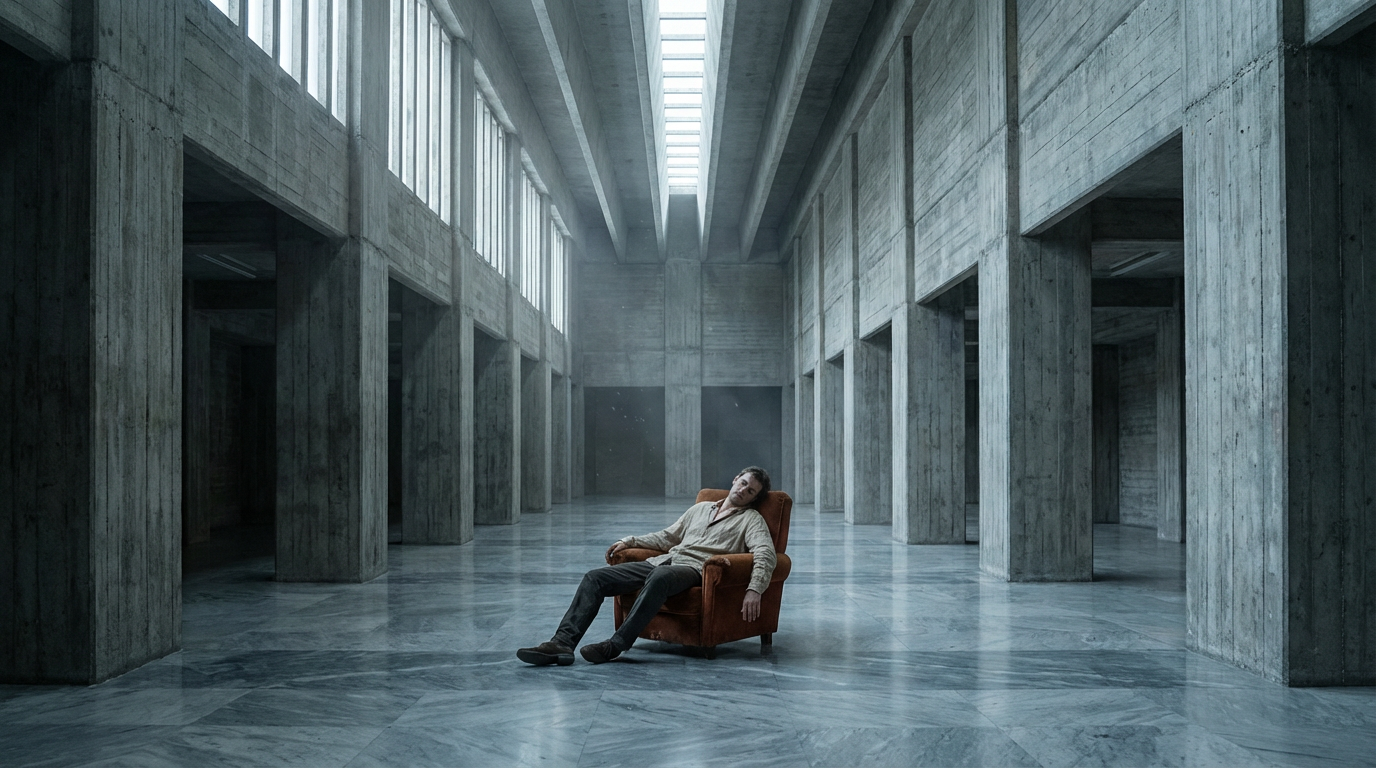
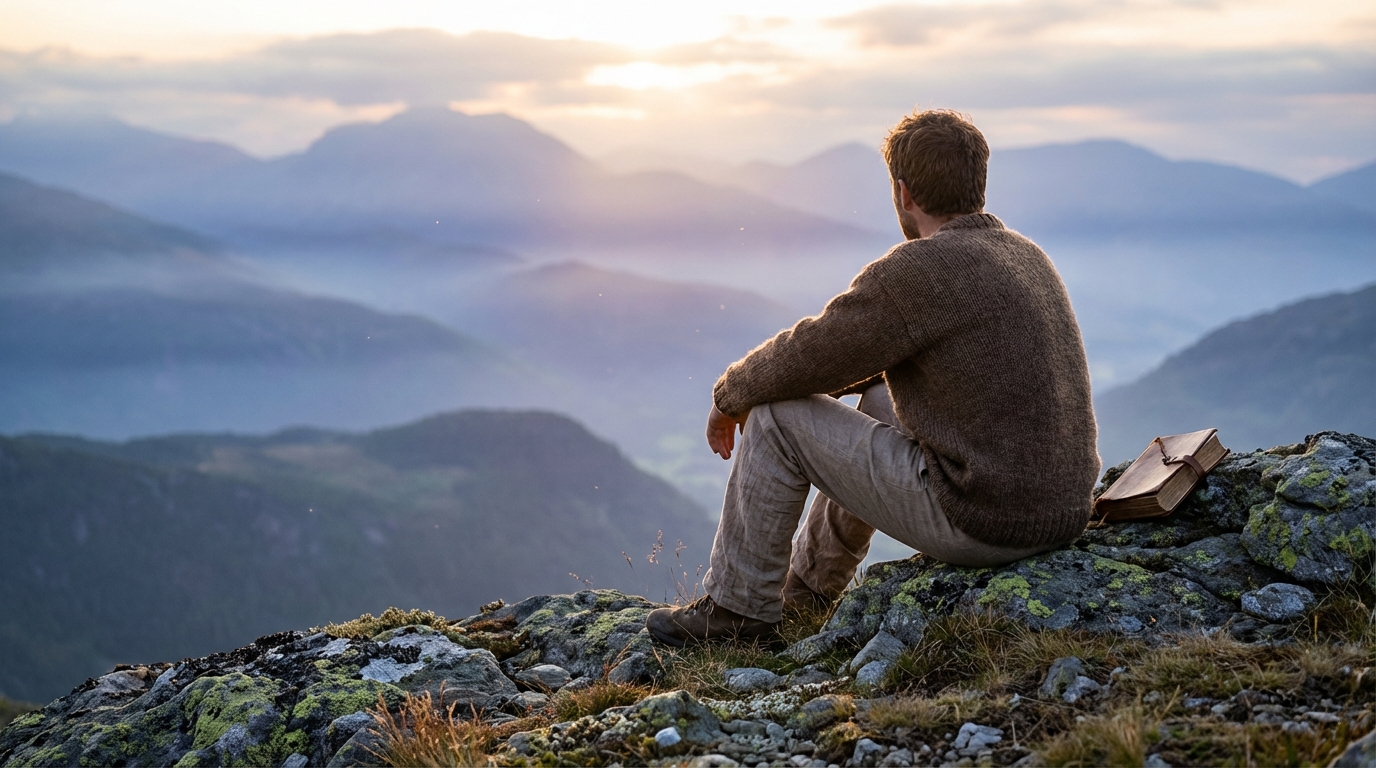
In an era of relentless digital noise and constant connectivity, you might find yourself mistaking the quiet of an empty room for a void that needs to be filled. However, there is a profound difference between the ache of loneliness and the intentional philosophy of solitude, which invites you to view being alone as a state of presence rather than absence. While loneliness acts as a form of emotional starvation, solitude is a deliberate choice that fosters self-knowledge and spiritual elevation, transforming your quiet moments into a sanctuary for growth.
By stepping away from the crowd, you aren’t simply retreating from the world; you are engaging in a necessary rest for the soul that philosophers and artists have championed for centuries. This practice serves as a powerful antidote to the exhaustion of modern life, allowing you to regulate your emotions and reconnect with your inner voice. Embracing solitude allows you to cultivate a deeper relationship with yourself, turning what was once a source of anxiety into a constructive foundation for a more meaningful life.
Key Takeaways
- Solitude is a deliberate state of presence and self-discovery, whereas loneliness is a state of emotional starvation characterized by absence.
- Intentional time alone serves as a vital psychological maintenance tool that allows for emotional regulation and a necessary rest for the soul.
- Regularly disconnecting from digital noise and social expectations is essential for reclaiming individuality and hearing your own authentic inner voice.
- Mastering the art of being alone builds inner resilience and self-reliance, which ultimately fosters more authentic and meaningful connections with others.
Distinguishing Existential Loneliness From Productive Solitude
Understanding the difference between loneliness and solitude begins with recognizing that one is a state of starvation while the other is a feast for the soul. You have likely felt the biting chill of loneliness, which often manifests as a painful sense of isolation or a desperate longing for external validation. This existential ache is characterized by an absence, leaving you feeling disconnected even when you are in a crowded room. In contrast, productive solitude is an intentional choice to step away from the noise of the world to reconnect with your inner self. It is not about being lonely, but rather about being present with yourself in a way that fosters genuine self-discovery.
When you embrace solitude as a spiritual elevation, you shift your perspective from fearing silence to welcoming it as a necessary rest for your mind. In our era of constant digital demands, your brain is frequently bombarded by stimuli that can leave you feeling emotionally drained and hollow. Choosing to be alone allows you to regulate your emotions and process your thoughts without the distracting influence of social expectations. This practice functions as an antidote to the modern world, transforming what could be a hollow void into a fertile ground for creativity and insight. By reframing your time alone as a presence rather than an absence, you unlock the door to true mental well-being.
Philosophers and artists throughout history have long championed this distinction, viewing the deliberate withdrawal from society as a path to intellectual rigor. You can look at this practice as a form of psychological maintenance tool that strengthens your sense of identity and purpose. Instead of viewing a quiet evening as a failure to socialize, you can see it as a strategic opportunity to cultivate your own inner authority. This shift in mindset empowers you to navigate life with more clarity and confidence, as you no longer rely solely on others to feel complete. Ultimately, mastering the art of being alone is one of the most profound ways you can care for your long-term mental health.
Reclaiming Individuality Against Modern Digital Connectivity
In our current era of digital connectivity, you likely find yourself constantly tethered to the opinions and expectations of others through a never-ending stream of notifications. This constant noise makes it difficult to distinguish your own authentic thoughts from the collective roar of social media and societal pressure. Historical figures like Henry David Thoreau recognized this danger long ago, famously retreating to Walden Pond to strip away the trivialities of public life. By intentionally stepping back from the crowd, you can begin to resist the pull of social conformity and rediscover the unique contours of your own mind. This practice is not about escaping reality, but rather about creating the necessary space to hear your own inner voice without the distortion of external influence.
The philosophy of solitude teaches you that being alone is fundamentally different from the painful experience of loneliness. While loneliness represents an emotional starvation or a sense of isolation, solitude is a constructive and intentional choice that fosters psychological growth. By viewing solitude as a presence rather than an absence, you can transform moments of quiet into a powerful tool for emotional regulation and self-knowledge. This shift in perspective allows you to see time spent alone as an opportunity for spiritual elevation instead of a state to be feared or avoided. When you embrace this intentional engagement with yourself, you gain a renewed sense of agency over your mental well-being and personal identity.
Reclaiming your individuality requires you to treat solitude as a necessary antidote to the exhaustion of modern life. Much like the ancient philosopher Diogenes, who sought a life of simplicity to find truth, you can use moments of isolation to filter out the digital clutter that clouds your judgment. This process of disconnecting allows your soul to rest and recalibrate, providing the intellectual rigor needed to navigate a complex world. When you prioritize these periods of quiet reflection, you are not just taking a break; you are actively building a more resilient and independent version of yourself. Ultimately, mastering the art of solitude empowers you to return to the social world with a clearer purpose and a stronger sense of who you truly are.
Buddhist Mindfulness And The Ethical Transformation Of Silence
In the Buddhist tradition, you are encouraged to view solitude not as a void or a lack of social interaction, but as a vibrant state of presence. While loneliness often stems from an emotional starvation or a fear of being alone, meditative silence allows you to shift your perspective toward a constructive and intentional choice. By sitting with yourself, you begin to recognize that being alone provides a unique opportunity for spiritual elevation and profound self-knowledge. This practice transforms the quiet moments of your life into a sanctuary where you can observe your thoughts without the constant interference of external noise. It is within this purposeful stillness that you learn to transform from a source of frustration into a tool for self-discovery and existential resilience.
As you deepen your commitment to this ethical transformation, you will find that silence acts as a natural tool for emotional regulation. In our modern world of connectivity, your senses are often overwhelmed by digital demands that pull your attention away from your inner compass. Choosing to step back into solitude serves as a necessary rest for your soul, helping you to process complex feelings with greater clarity and compassion. This process does not distance you from the world, but rather prepares you to engage with others more authentically by first understanding your own heart. By cultivating this inner insight, you develop a resilient sense of peace that remains steady even when you return to the activity of daily life. This journey toward balance is similar to finding your flow in a world that often feels chaotic and overwhelming.
Cultivating Presence Through Intentional Solitude
Integrating the philosophy of solitude into your daily routine allows you to transform what might feel like isolation into a deliberate practice of self-discovery. By shifting your perspective, you can begin to see being alone not as a void or a lack of connection, but as a rich presence of the self. This mental shift is essential for modern well-being because it helps you distinguish between the painful sting of loneliness and the restorative power of productive solitude. When you choose to step back from the social world, you are giving your mind the necessary space to process emotions and strengthen your inner resilience.
Embracing these moments of quiet acts as a vital antidote to the constant digital noise and connectivity of the modern age. You can follow the lead of history’s great thinkers by treating your solitary time as a sacred rest for the soul rather than a social failure. This intentional living engagement with yourself fosters deeper self-knowledge and enhances your ability to regulate your emotions in stressful situations. As you move through your day, remember that solitude is a skill you can cultivate to find your purpose and peace amidst the chaos of life.
Ultimately, viewing solitude as a constructive choice empowers you to reclaim your time and mental energy for personal growth. You will find that these periods of reflection actually improve your relationships with others by making you more self-assured and grounded. By making space for the self, you turn a simple state of being into a sophisticated tool for spiritual and psychological elevation. Taking this philosophical approach ensures that you are never truly empty when you are alone, but instead, you are becoming more whole. Recognizing the virtues of silence in a busy world allows you to protect your cognitive health and maintain emotional balance. This practice of seeking true peace through self-sufficiency and the removal of mental anxiety is a timeless pursuit of human flourishing.
Frequently Asked Questions
1. What is the core difference between loneliness and solitude?
Loneliness is an emotional state of starvation where you feel a painful sense of absence or isolation from others. Solitude is a deliberate choice to be present with yourself, transforming quiet moments into an opportunity for self-discovery and spiritual growth.
2. How can I start practicing solitude if I feel anxious being alone?
You can begin by reframing your perspective and viewing quiet moments as a sanctuary rather than a void to be filled. Start with short periods of intentional stillness to gradually build a constructive foundation where you feel comfortable engaging with your inner voice.
3. Why is solitude considered a necessary rest for the soul in the modern age?
Constant digital noise and connectivity can lead to emotional exhaustion and a loss of self-identity. Stepping away from the crowd allows you to regulate your emotions and find the mental clarity needed to navigate a demanding world.
4. Can solitude actually improve my relationships with other people?
By cultivating a deeper relationship with yourself through solitude, you become less dependent on external validation. This self-reliance allows you to return to your social circles with a more authentic presence and a renewed capacity for meaningful connection.
5. Is solitude just another word for social withdrawal or isolation?
Solitude is not a retreat from the world but a proactive engagement with your inner self. While isolation is often forced or negative, solitude is a productive state that thinkers and artists use to foster creativity and intellectual depth.
6. How does the philosophy of solitude help with personal growth?
It provides the necessary space for you to listen to your inner voice without the influence of external pressures. This practice turns what might have been a source of anxiety into a powerful tool for building self-knowledge and a more meaningful life.