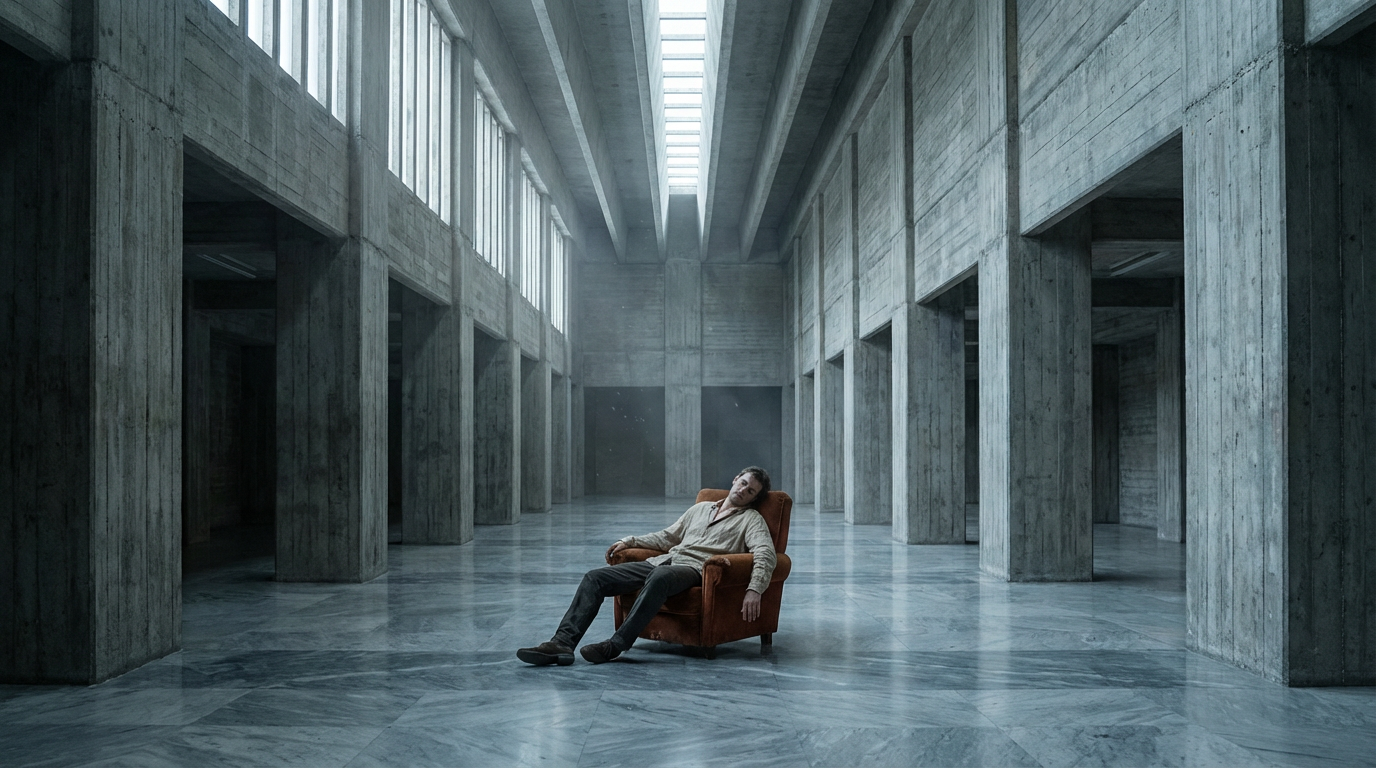

You likely think of aging as a series of birthdays or a biological countdown, but have you ever considered it as a deliberate narrative you are actively writing? The philosophy of aging invites you to look beyond physical changes and shifting stamina to explore the profound metaphysical and ethical dimensions of your own timeline. By shifting your perspective from a story of inevitable decline to one of complex existential growth, you can begin to see your later years as a unique lifeworld shaped by your personal values and social context.
Whether you view the passing years as an accumulation of cellular wear or a programmed biological script, the way you perceive your own consciousness remains the most vital piece of the puzzle. Scientific research suggests that aging is as much a subjective experience of the mind as it is a physical process of the body. Understanding these frameworks allows you to reclaim agency over your journey, transforming a standard biological process into a deeply personal exploration of what it means to live well at any age.
Key Takeaways
- Aging is an active narrative rather than a passive biological decline, allowing individuals to reclaim agency by framing their later years as a purposeful stage of existential growth.
- Subjective consciousness and personal mindset are the primary drivers of quality of life, often outweighing physical cellular changes in determining how one experiences the aging process.
- Social and gendered scripts significantly color the phenomenology of aging, requiring a conscious effort to decouple personal dignity from societal beauty standards or productivity metrics.
- Cultivating existential dignity involves shifting focus from what the body loses to the wisdom and emotional depth the mind gathers, transforming the later chapters of life into a deliberate act of self-expression.
Beyond Biological Decay And Damage Accumulation
When you look in the mirror, it is easy to focus on the physical markers of time, viewing aging as nothing more than an accumulation of cellular errors and molecular damage. This biological perspective suggests that our bodies are simply wearing out, much like a machine that has reached its limit. However, viewing your later years solely through the lens of decay ignores the profound existential depth of the human experience. If you shift your perspective, you can begin to see aging not as a series of biological failures, but as a purposeful and unique stage of your personal journey. This transition allows you to move beyond the fear of decline and toward a deeper understanding of your own narrative.
Some philosophers suggest that aging might be a programmed part of our biological script, serving a specific role in the lifecycle of our species. Instead of seeing yourself as a collection of failing parts, you can consider the possibility that this stage of life offers a distinct opportunity for psychological and spiritual growth. This view positions aging as a developmental milestone that brings a unique clarity and a refined sense of wisdom that younger versions of yourself could not possess. By embracing this framework, you reclaim your agency and dignity, transforming the process of growing older into an active pursuit of meaning.
The tension between seeing aging as a mistake or a mission is ultimately where you find your own truth. While science works to understand the mechanics of how we age, your subjective experience is what defines the quality of those years. You are not just a passive observer of your own biology, but an active participant in a complex unique lifeworld shaped by your memories and social connections. Recognizing that your consciousness remains vibrant even as your cells change allows you to navigate the later stages of life with resilience. Ultimately, finding purpose in this evolution helps you bridge the gap between biological reality and the search for lasting significance.
The Subjective Experience And Personal Narrative
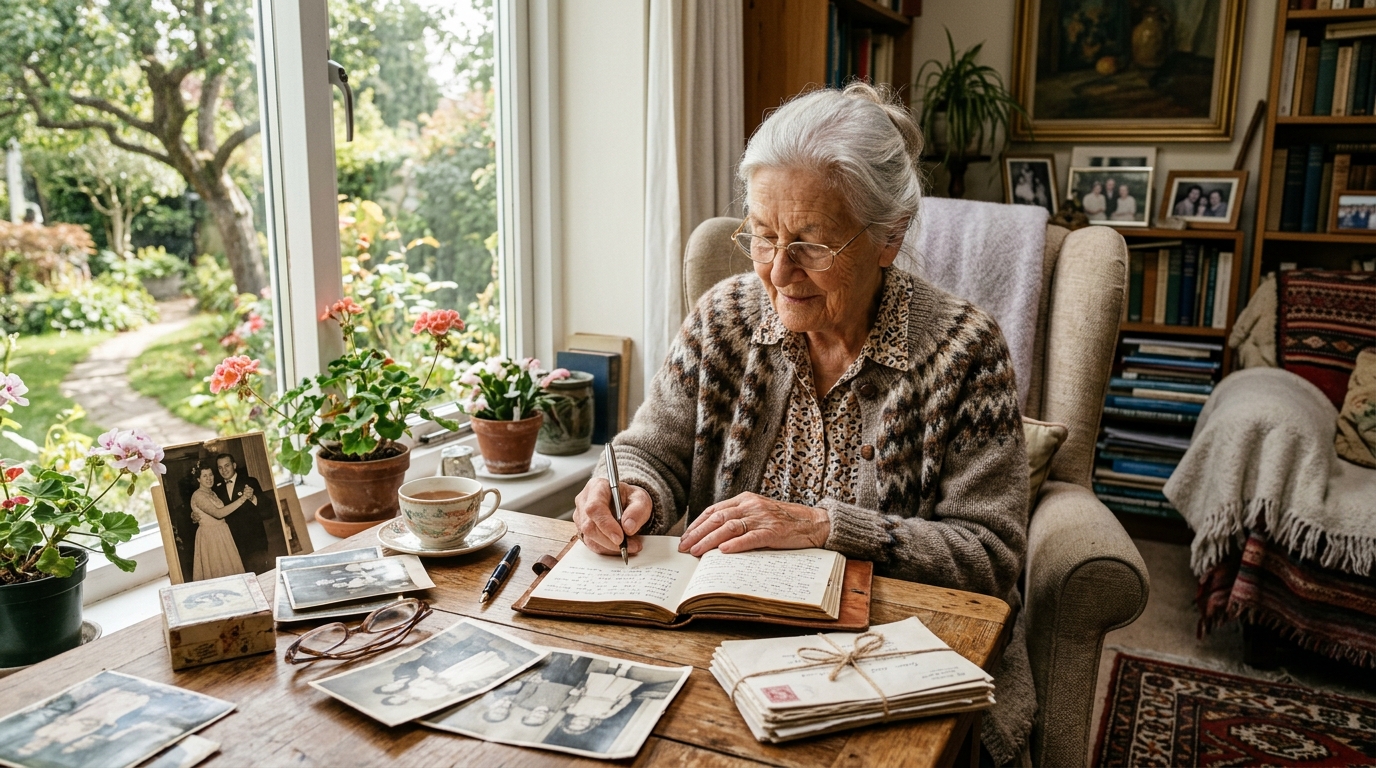
Your experience of growing older is far more than a collection of biological data points or physical symptoms. While science often focuses on the accumulation of cellular damage, your consciousness allows you to frame these changes through a deeply personal lens. By viewing aging as a subjective journey rather than a mechanical decline, you gain the agency to decide what these transitions mean for your identity. This shift in perspective transforms the aging process from something that happens to you into something you actively navigate and interpret. You have the power to curate your own deliberate narrative, ensuring that your inner world remains vibrant even as your outer circumstances shift.
Integrating physical changes into a meaningful life story requires you to lean into what psychologists call positivity biases. This does not mean ignoring the challenges of aging, but rather choosing to prioritize the wisdom and emotional depth you have gained over the decades. When you view your history as a continuous thread of resilience, every gray hair or physical limitation becomes a testament to a life fully lived. You can choose to see these markers as badges of experience that contribute to your unique authority and dignity. By focusing on the continuity of your character, you maintain a sense of purpose that transcends mere biological longevity.
Developing this personal narrative is an essential act of bioethical self-care that protects your sense of self in a youth-obsessed culture. You are the primary author of your later years, and your mindset acts as the bridge between your physical reality and your existential fulfillment. By consciously selecting which memories and values to highlight, you create a legacy that is defined by growth rather than loss. This intentional approach to aging allows you to meet each new stage of life with curiosity and grace. Ultimately, your subjective experience is the most powerful tool you have for finding your purpose in the natural rhythm of life.
Gendered Perspectives And The Phenomenology Of Aging
The way you experience the passage of time is never a neutral process, as it is deeply colored by the social expectations and cultural scripts surrounding your gender. Simone de Beauvoir famously argued that while aging is a biological certainty, the lived experience of growing old is fundamentally different for women compared to men. You might notice that society often grants men a certain distinguished status as they age, while women frequently face a double standard that equates their value with youth and physical appearance. This creates a unique phenomenological environment where your internal sense of self must constantly negotiate with how the outside world perceives your changing body. By recognizing these external pressures, you can begin to reclaim your narrative and find a sense of dignity that exists independently of societal beauty standards or productivity metrics.
Phenomenology invites you to look past the biological data of cellular decay to examine how aging actually feels from the inside out. For many men, the transition into later life can be tied to a perceived loss of agency or professional identity, as social structures often link masculinity to active labor and provision. Women, conversely, may experience a sense of social invisibility that, while challenging, can also offer a strange kind of existential freedom from the male gaze. You are not just a collection of declining physical functions, but a conscious subject navigating a world that often tries to categorize you based on your age. Understanding these gendered nuances allows you to approach the later stages of life with more intentionality, helping you to foster a meaningful existence that honors your personal history and current aspirations.
Cultivating Existential Dignity In Later Life

You can begin to view your later years not as a period of biological decline, but as a profound opportunity to refine your personal narrative. While science often focuses on the accumulation of molecular damage, philosophy invites you to consider the subjective richness of your lived body and experience. By shifting your focus from what the body loses to what the mind gathers, you can reclaim a sense of agency over your own history. This perspective allows you to see aging as an active process of becoming rather than a passive state of fading away. You possess the unique power to frame your journey through the lens of wisdom and character, ensuring your dignity remains rooted in your consciousness.
Cultivating existential dignity requires you to embrace the complexity of your life story with both honesty and compassion. You might find that the ethical value of your later chapters lies in the mentorship you provide or the deep reflections you share with others. Instead of measuring your worth through productivity, you can find purpose in the quality of your presence and the depth of your relationships. This stage of life offers a rare clarity that allows you to distinguish between fleeting distractions and enduring truths. By intentionally shaping your ethical legacy, you transform the passage of time into a deliberate act of self expression.
As you navigate these final chapters, remember that your dignity is an inherent quality that no physical change can diminish. You are the primary architect of your meaning, using the tools of philosophy to build a framework that supports your spirit. Engaging with your own mortality does not have to be a source of fear, but can instead serve as a catalyst for living with greater intention. When you treat your experiences as a cohesive work of art, you elevate your daily life into something of lasting significance. This intellectual rigor helps you stand firm in your value, providing a steady compass as you explore the vast terrain of the human condition.
Reframing Aging as a Journey of Existential Richness
Ultimately, embracing a philosophy of aging allows you to shift your focus from a narrative of biological decline to one of existential richness. Instead of viewing the passing years as a mere accumulation of cellular damage, you can choose to see them as the deepening of your personal story and subjective consciousness. This perspective transforms the fear of losing youth into a profound celebration of everything you have gathered, from wisdom to emotional resilience. By acknowledging that aging is a complex lifeworld shaped by your unique social and personal context, you regain agency over your own journey. You are not just a passive observer of a biological script, but an active participant in a meaningful stage of human development.
Finding dignity in the later stages of life requires you to challenge the outdated notion that aging is synonymous with a loss of value. When you approach your later years through an ethical and metaphysical lens, you begin to see each wrinkle and memory as a testament to a life fully lived. This shift in mindset helps you bridge the gap between physical changes and your internal sense of self, ensuring that your identity remains vibrant and purposeful. By integrating these philosophical frameworks into your daily life, you can navigate the transition with grace and intellectual curiosity. You deserve to view this chapter not as a sunset, but as a period of profound mastery and continued discovery.
Frequently Asked Questions
1. What exactly does it mean to view aging as a narrative?
Viewing aging as a narrative means you are the lead author of your life story rather than a passive observer of biological changes. You have the power to frame your experiences, challenges, and transitions as meaningful chapters that contribute to your personal growth and identity.
2. Is aging just a physical process of decline?
While biology plays a role, aging is a complex experience that involves your mind, your values, and your social environment. You should look past the idea of cellular wear and tear to see this stage of life as a unique lifeworld filled with existential depth and new perspectives.
3. How can I reclaim agency over my own aging process?
You reclaim agency by shifting your mindset from a fear of decline to a conscious exploration of what it means to live well. By focusing on your subjective experience and personal values, you transform a standard biological script into a deliberate journey that you control.
4. What is the difference between biological decay and programmed aging?
Biological decay suggests your body is like a machine wearing out over time due to accumulated damage. In contrast, programmed aging views the process as a purposeful part of a biological script, which allows you to see your later years as a natural and intentional stage of the human lifecycle.
5. Why is my subjective consciousness so important to the aging process?
Your mind is the most vital piece of the puzzle because how you perceive your journey determines your quality of life. Scientific research suggests that your internal perspective can define your experience of aging just as much as your physical health does.
6. How does a philosophical perspective help with the fear of getting older?
Philosophy invites you to examine the metaphysical and ethical dimensions of your timeline, providing a framework to find purpose in change. This intellectual depth helps you move beyond societal stereotypes of decay and toward a more profound understanding of your own existential growth.