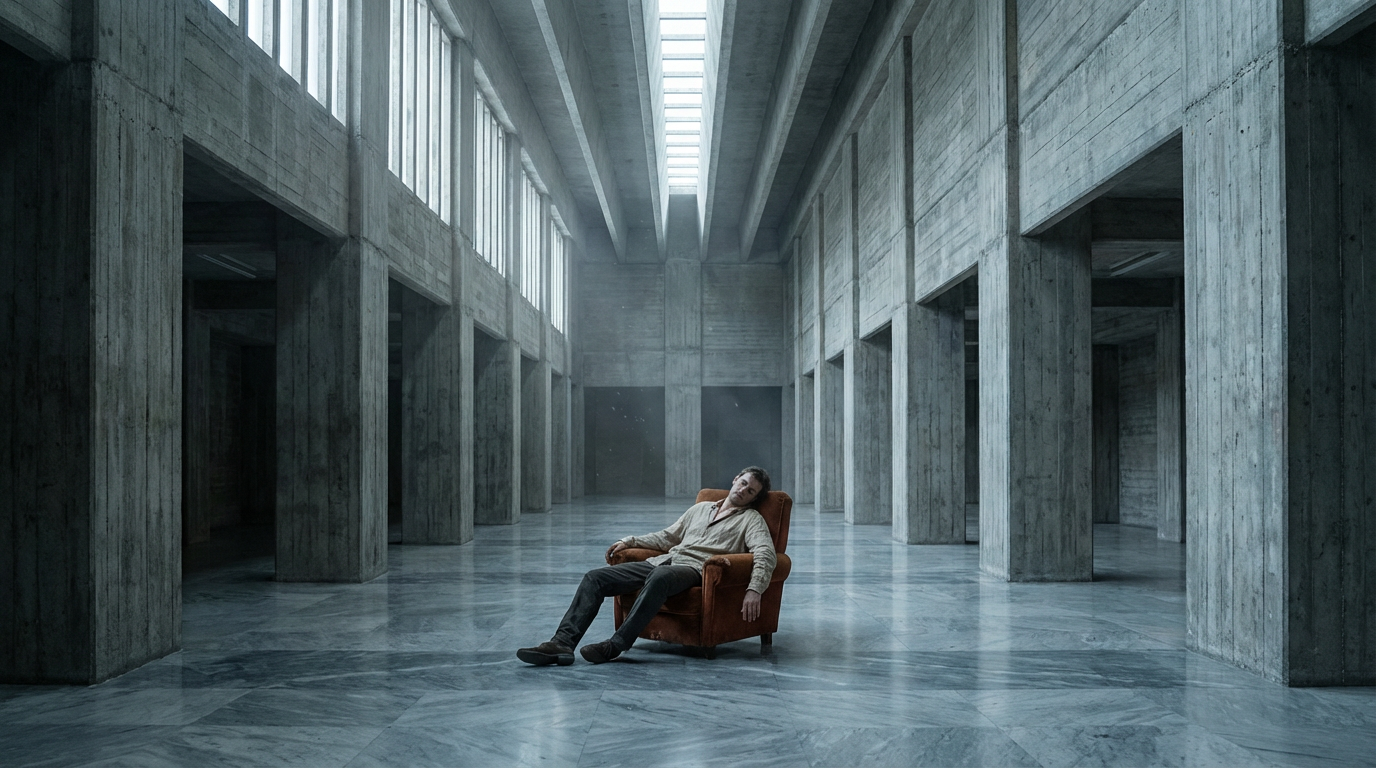
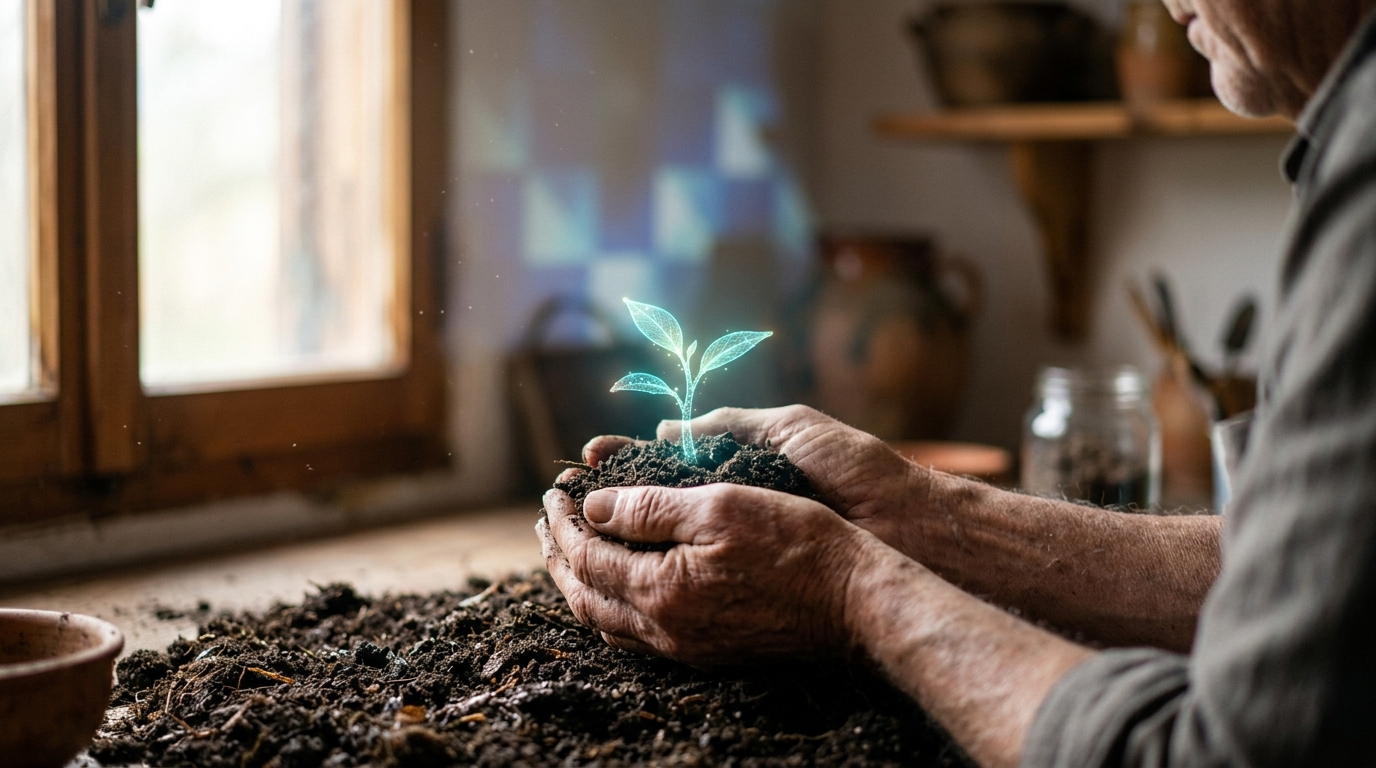
You likely think of waiting in line or sitting through a long meeting when you hear the word patience, but the modern philosophy of patience reveals it is far more than a passive endurance of boredom. Recent academic shifts have redefined this classic virtue as a sophisticated tool for emotion regulation and a foundational requirement for human flourishing. By viewing patience as an active psychological strength rather than a quiet submission, you can begin to see it as the guardian virtue that makes courage, justice, and love possible in your daily life.
Finding your balance requires navigating the Aristotelian Golden Mean, positioned carefully between the reckless haste of impatience and the stagnant trap of total passivity. When you master this equilibrium, you aren’t just waiting for time to pass; you are skillfully managing your internal state to meet life’s challenges with intellectual rigor and emotional grace. Understanding this dynamic interplay allows you to transform moments of frustration into opportunities for profound personal growth and ethical clarity.
Key Takeaways
- Patience is an active form of emotional regulation and a foundational psychological strength, serving as the essential buffer that prevents courage from becoming recklessness and justice from becoming impulsive anger.
- The ideal state of patience exists as an Aristotelian Golden Mean, positioned strategically between the reckless haste of impatience and the stagnant trap of total passivity.
- Practicing patience is a sophisticated exercise in reclaiming personal agency, allowing individuals to maintain moral clarity and intellectual rigor instead of reacting impulsively to the pressures of a high-speed world.
- True patience involves a philosophical shift toward respecting ‘shared time,’ where waiting is viewed as an ethical acknowledgment of others’ autonomy rather than a personal or technical failure.
Patience As The Foundational Virtue For Human Flourishing
You can think of patience as the silent guardian that holds your moral life together, acting as the bedrock for every other virtue you try to cultivate. While we often view it as a passive state of waiting, modern philosophy suggests it is actually a dynamic form of emotion regulation that allows you to stay grounded. Without this foundation, your attempts at courage might turn into reckless haste, and your pursuit of justice could easily devolve into impulsive anger. By mastering the art of the wait, you create a necessary buffer between your immediate feelings and your final actions. This internal space ensures that you are moving through the world with genuine intention rather than simply reacting to the pressures of the moment.
In our current culture, the pressure to produce instant results often makes the act of waiting feel like a personal or professional failure. However, true human flourishing requires you to find the middle ground between mindless passivity and the frantic urgency of the modern age. When you practice patience, you are not just sitting idly by, but are instead actively protecting your ability to make wise decisions under pressure. This balance is what philosophers call the golden mean, where you avoid the trap of giving up too soon while also resisting the urge to force an outcome before its time. By viewing patience as a sophisticated skill, you transform it into a tool for long term success and personal peace.
Patience serves as the vital link that connects your long term goals with your daily habits, ensuring that your values remain intact even during periods of high stress. When you are faced with a difficult situation, it is patience that allows you to endure the discomfort long enough to act with love or integrity. It functions as a form of intellectual and emotional stamina, giving you the strength to stand firm when the world demands a quick fix. By choosing to slow down, you are actually reclaiming your agency from an environment that thrives on your impulsivity. Ultimately, this foundational virtue enables you to live a life that is defined by your character rather than your circumstances.
Finding The Golden Mean Between Impatience And Passivity

In our fast-paced world, you might feel constant pressure to move at high speeds, yet true patience is far from a passive surrender to time. To find the Aristotelian Golden Mean, you must recognize that patience sits precisely between the reckless haste of impatience and the stagnant trap of passivity. While impatience often stems from a desire for instant gratification, passivity is a failure to act when the situation demands it. By positioning patience as a middle ground, you transform it into a dynamic form of emotion regulation that allows you to endure difficulty without losing your sense of purpose. This balance ensures you are neither rushing toward a premature conclusion nor sitting idly by while opportunities pass you by.
When you adopt this philosophical lens, you begin to see that waiting is not merely an absence of action but a sophisticated exercise in self-control. True patience requires you to maintain your composure and moral clarity while navigating the gap between a desire and its fulfillment. If you lean too far toward haste, you risk making errors in judgment that compromise your long-term goals and relationships. Conversely, if you fall into passivity, you are essentially giving up your agency and failing to pursue the virtues of courage and justice. Achieving the Golden Mean means you are waiting with intention, staying alert and ready to act the moment the circumstances are right.
This refined approach to patience acts as a foundational virtue that supports every other aspect of your personal growth and flourishing. Recent scholarship suggests that without this steady middle ground, it is nearly impossible to practice complex virtues like love or justice effectively. You can think of patience as the guardian of your character, protecting you from the frustration of our high-speed world while preventing you from becoming indifferent. By mastering this balance, you cultivate the intellectual rigor needed to distinguish between a time for stillness and a time for movement. This perspective empowers you to navigate modern life with a calm, focused energy that values presence over mere speed.
The Process Model Of Patience As An Emotional Coping Mechanism
Modern psychology has shifted your understanding of patience from a quiet personality trait into a high level form of emotional regulation. Instead of viewing waiting as a passive state where you simply endure time, you can now see it as an active process of managing your internal state. When you find yourself frustrated by a slow connection or a long queue, you are actually engaging in a sophisticated cognitive exercise. This process involves recognizing your rising irritation and consciously choosing to reappraise the situation to maintain your composure. By viewing patience as a psychological strength you can strengthen, you transform a moment of boredom into a valuable opportunity for mental training.
You might notice that our current culture often treats any delay as a personal affront or a systemic failure. However, redefining patience as an emotional coping mechanism allows you to reclaim your agency in an era of instant gratification. When you choose to wait without resentment, you are practicing a form of self control that protects your well being from the stress of constant urgency. This active regulation helps you balance the tension between your immediate impulses and your long term goals for personal peace. By mastering this internal shift, you move beyond mere tolerance and begin to experience waiting as a deliberate act of freedom.
Reclaiming Agency Through The Philosophy Of Shared Time
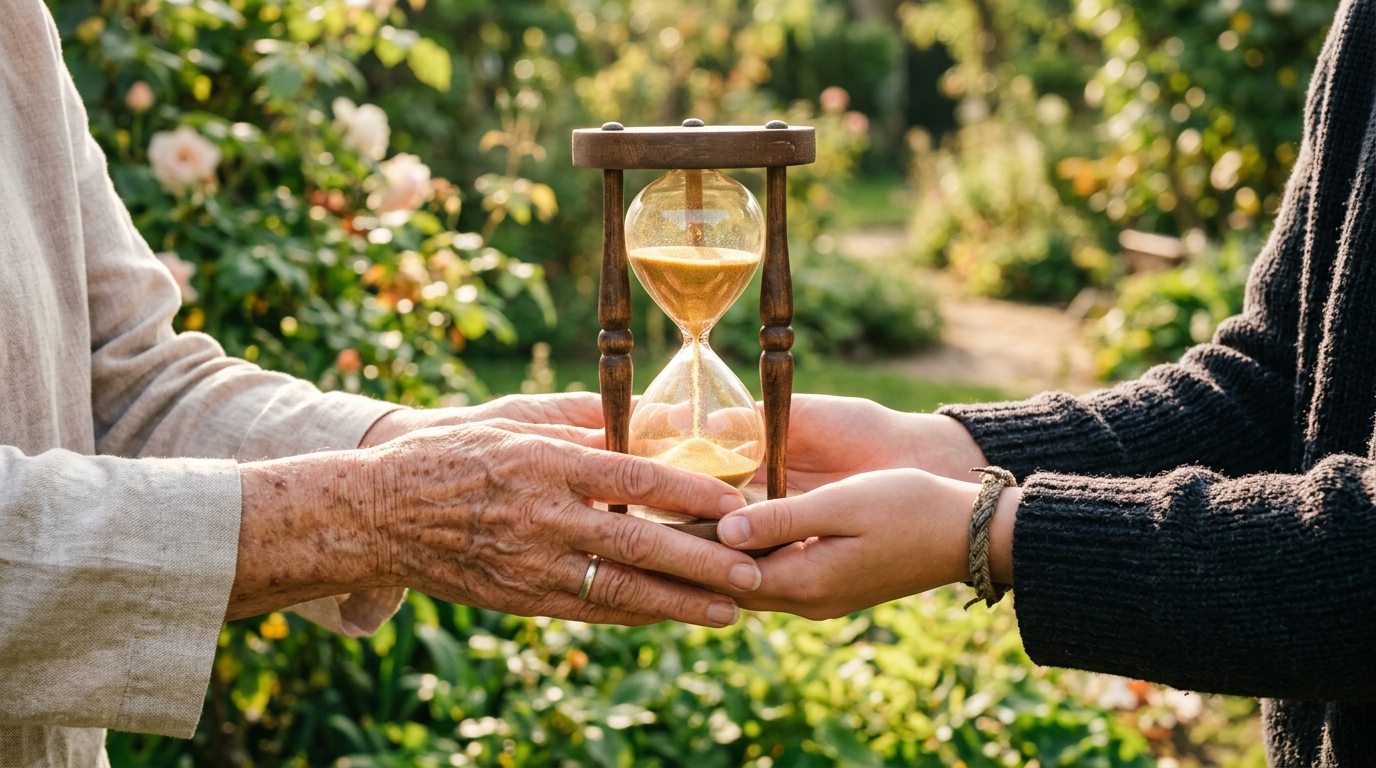
True patience is far more than a passive state of tolerance where you simply grit your teeth and wait for a slow webpage to load or a line to move. In our hyper-accelerated culture, you are often conditioned to view any delay as a personal affront or a technical glitch that needs to be bypassed. However, viewing time through a philosophical lens allows you to see that waiting is actually a profound acknowledgment of the other person’s reality. When you practice deep patience, you are choosing to respect the natural rhythm of a situation rather than demanding it bend to your immediate desires. This shift transforms waiting from a frustrating burden into a sophisticated form of emotion regulation that preserves your mental clarity.
Reclaiming your agency starts when you recognize that your time is not a solo performance but a shared resource with those around you. When you demand instant results from a friend or colleague, you are essentially treating them as an instrument or a tool rather than a human being with their own internal complexities. By embracing the philosophy of emotion in your daily life, you grant others the space to act with their own autonomy, which is a foundational act of ethical respect. This approach moves you away from the trap of reckless haste and toward a balanced middle ground where you remain present and composed. You eventually discover that patience is not about losing time, but about gaining a deeper connection to the world around you.
By choosing to wait well, you are exercising a form of cognitive control that is essential for human flourishing in a fast-paced world. This discipline allows you to act with justice and courage because you are no longer reacting impulsively to the pressures of the moment. Instead of feeling like a victim of a slow-moving world, you become an active participant who understands that the best things often require a specific, unhurried timeline. Understanding this distinction between mere tolerance and philosophical patience empowers you to navigate modern life with a sense of calm authority. You are essentially reclaiming the right to exist at a human pace, fostering better relationships and a more resilient sense of self.
Reclaiming Your Agency Through Active Patience
Embracing the philosophy of patience allows you to reclaim your agency in a world that demands instant results. While our culture conditions you to expect immediate feedback, viewing patience as a form of active emotion regulation gives you the power to pause and reflect. This shift from passive waiting to intentional endurance transforms how you interact with the stressors of modern life. By finding the golden mean between reckless haste and total passivity, you develop a sophisticated internal toolkit for navigating complexity. You are no longer at the mercy of your impulses, but rather a steady captain of your own progress.
Practicing this foundational virtue ensures that your other strengths, such as courage and justice, have the space they need to grow. When you treat patience as the guardian of your character, you stop seeing delays as obstacles and start seeing them as opportunities for deeper flourishing. This perspective is vital for your mental well being because it aligns your expectations with the natural rhythms of human development. By choosing to wait with purpose, you demonstrate a level of intellectual and emotional maturity that is rare in today’s fast paced environment. You ultimately thrive by understanding why virtue ethics today is your modern compass for mastering the art of the long view in a society obsessed with the short term.
Frequently Asked Questions
1. Is patience just a passive way of waiting for things to happen?
No, modern philosophy views patience as an active form of emotion regulation. It is a deliberate choice to manage your internal state and maintain composure while navigating delays, rather than just quietly suffering through them.
2. How does patience act as a foundation for other virtues like courage?
Patience provides the necessary buffer between your impulses and your actions. Without it, courage can turn into recklessness and justice can turn into reactive anger. It allows you to act with intention rather than mere reaction.
3. What is the Golden Mean of patience?
The Golden Mean is the ideal balance between two extremes. For patience, this means finding the middle ground between reckless haste (impatience) and total stagnation (passivity).
4. How can I tell the difference between being patient and being passive?
Patience involves staying alert and ready to act when the timing is right, whereas passivity is a failure to act even when the situation requires it. Patience is waiting with purpose; passivity is giving up your agency.
5. Why is patience so difficult to maintain in a digital world?
Our modern environment is designed for instant gratification, which conditions us to view any delay as a failure. This constant pressure makes the natural rhythms of human life feel frustratingly slow.
6. Can practicing patience actually improve my decision making?
Yes. By regulating your emotions and resisting the urge for a quick fix, you give yourself the mental space to apply intellectual rigor. This leads to more thoughtful, ethical, and effective choices.