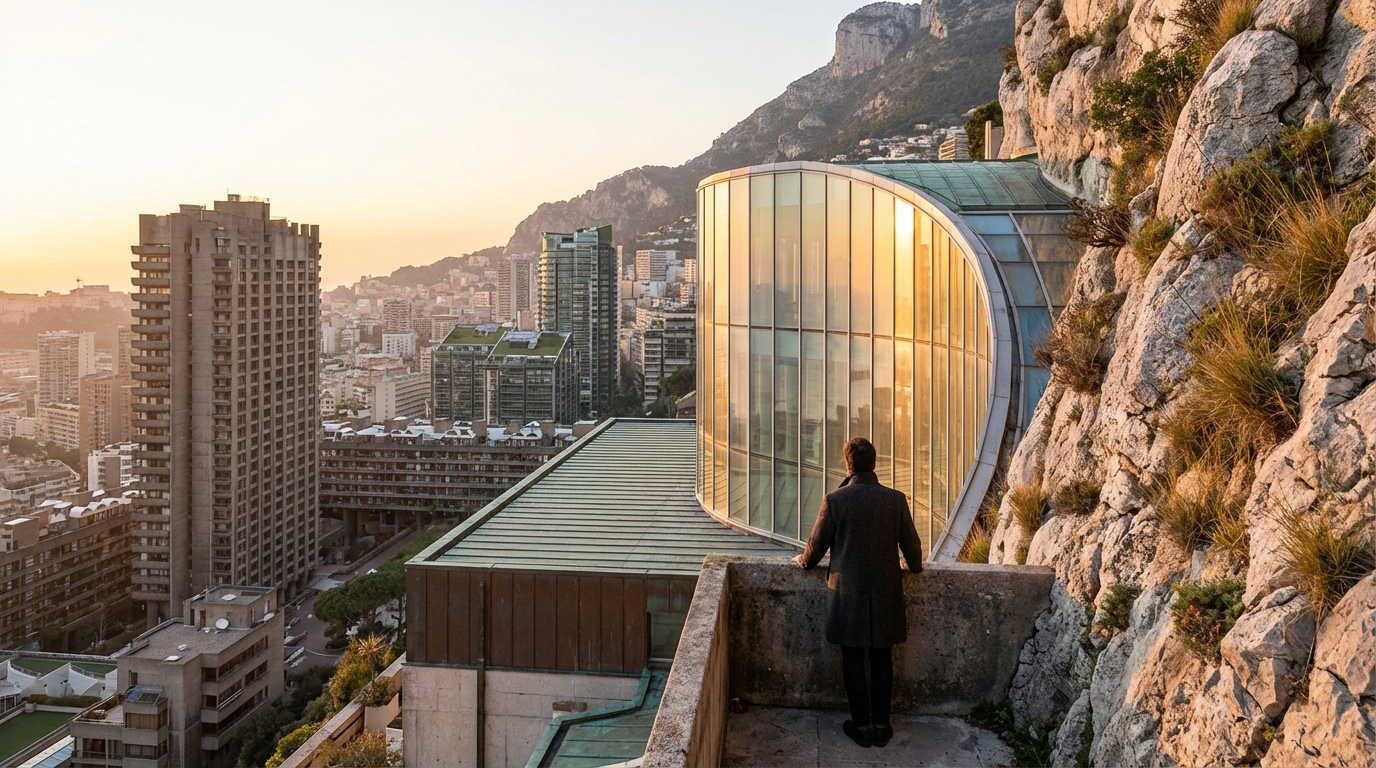
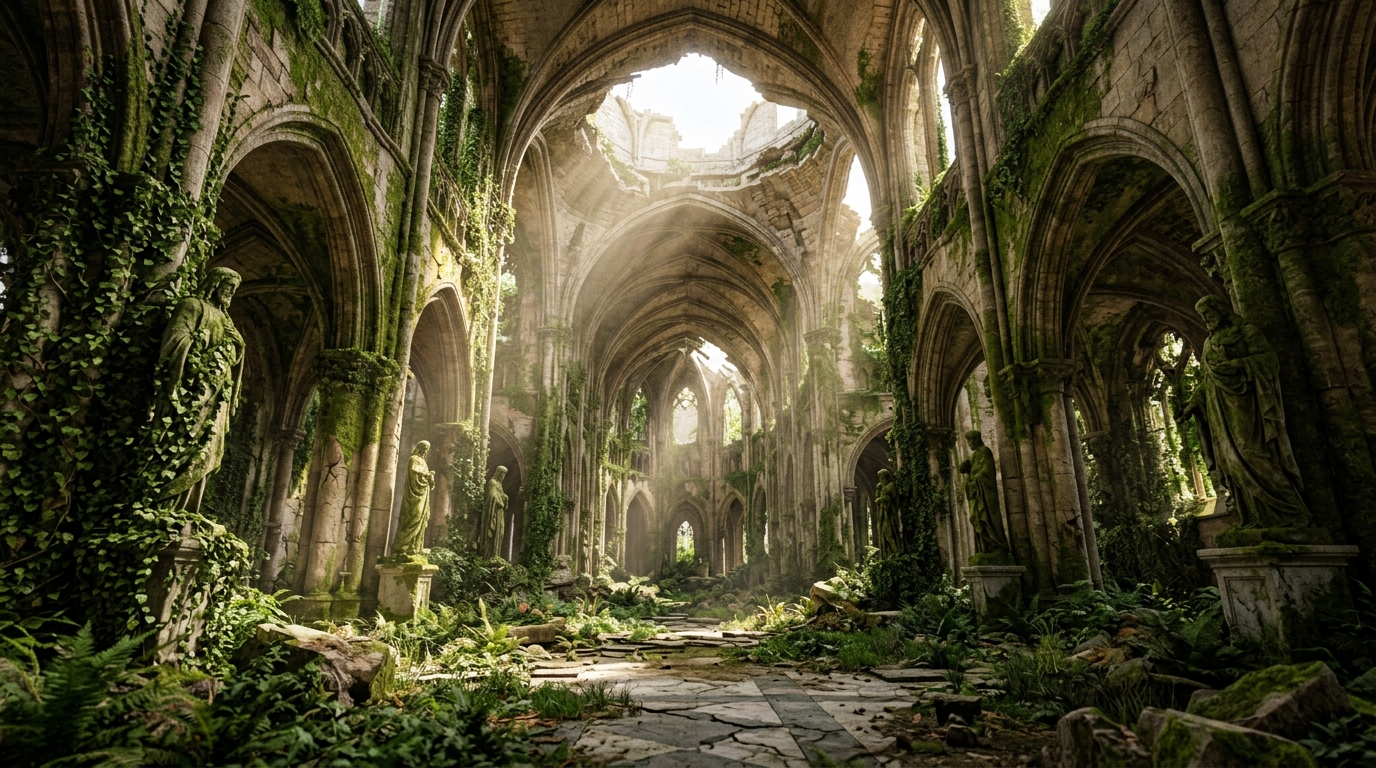
You have likely felt that strange, magnetic pull when stumbling upon a photograph of a crumbling factory or a moss-covered brutalist tower. This sensation, known as Ruinenlust, isn’t just a morbid fascination with decay; it is a deep, bittersweet appreciation for the aesthetics of ruins that challenges our obsession with the “new.” By witnessing the slow surrender of steel and concrete to the elements, you are forced to confront the beautiful fragility of our own modern civilization.
While 18th-century romantics swoowned over sun-bleached marble, today’s ruins tell a sharper, more urgent story about our 20th-century utopian dreams and industrial waste. As you move through a world shaped by rapid technological shifts and climate change, these decaying structures serve as powerful allegories for the obsolescence of human ambition. Understanding this aesthetic shift allows you to find profound meaning in the cracks of the pavement, transforming a derelict site into a mirror of our collective history.
Key Takeaways
- Ruinenlust represents a deep-seated human fascination with the sublime, where the sight of structures returning to the earth offers a peaceful reflection on the inevitable cycle of time and the fragility of human ambition.
- Modern ruins, such as decaying industrial sites and Brutalist towers, serve as urgent allegories for the obsolescence of 20th-century utopian dreams and the rapid pace of technological failure.
- Climate change is creating a new category of ‘future ruins’ by accelerating the decay of coastal and industrial sites, forcing an ethical shift in how we perceive the relationship between human permanence and the power of nature.
- Embracing the aesthetic of decay allows for a more profound connection to the present by acknowledging that transience is a fundamental part of beauty and historical progress.
Ruinenlust And The Sweet Ache Of Romantic Decay
When you stand before a crumbling stone archway or a weathered industrial facade, you might feel a strange, intoxicating pull that the Germans call Ruinenlust. This term describes the bittersweet pleasure of witnessing decay, where the sight of a structure returning to the earth evokes a profound sense of peace. It is more than just an appreciation for old things, as it represents a deep seated human fascination with the passage of time and the inevitable cycle of life. You are not just looking at a pile of bricks, but rather a physical manifestation of history and the sublime. This aesthetic experience forces you to confront the fragility of our own creations, offering a quiet space for reflection in a world that often demands constant progress and novelty.
The beauty you find in these sites often stems from the tension between human ambition and the persistent power of nature. As vines climb through broken windows and moss blankets cracked concrete, you see a visual dialogue between architecture and the environment. This reclamation serves as a reminder that even our most imposing structures are temporary, which can feel both humbling and oddly comforting. By leaning into this sweet ache of decay, you connect with a long tradition of Romantic philosophy that finds value in the imperfect and the unfinished. These ruins act as mirrors, reflecting your own nostalgia and the collective memory of a civilization that is always in flux.
While classical ruins might remind you of ancient empires, modern ruins offer a sharper look at the more recent past and the failures of industrial dreams. You may notice how a decaying steel mill or an abandoned Brutalist tower tells a story of obsolescence that feels much more personal to our current era. These sites challenge you to think about the ethics of waste and the rapid pace of modern life, turning neglected spaces into powerful allegories of change. Exploring these environments allows you to engage with the sublime on a human scale, finding a haunting elegance in the way materials break down over decades. Ultimately, your attraction to these places is a testament to the enduring power of history and the fascinating way that time reshapes the world around you.
Modern Gothic And The Ghosts Of Industrial Progress
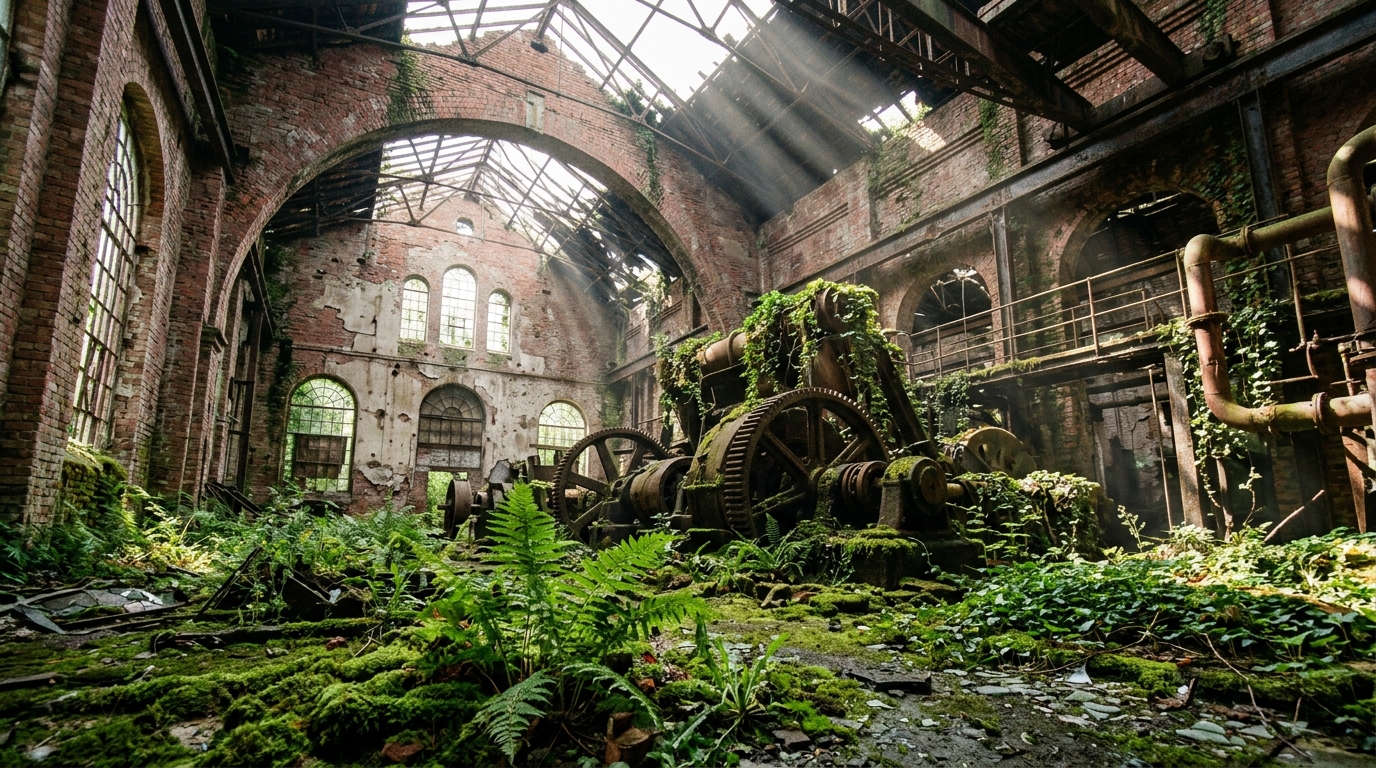
You might be familiar with the romantic image of sun-bleached marble columns, but today’s aesthetic of decay has shifted toward the heavy concrete of the recent past. When you look at a crumbling Brutalist apartment block or a rusted steel mill, you are witnessing a specific kind of Modern Gothic that feels more urgent than ancient history. These structures were once symbols of a promised future, built with the belief that industrial progress and social engineering would create a perfect world. Now, as the glass shatters and nature reclaims the rebar, they stand as haunting reminders that even our most ambitious utopian dreams have an expiration date.
Walking through these skeletal remains allows you to confront the fragility of our own era through the lens of Ruinenlust, or the intoxicating pleasure of witnessing time take its toll. Unlike the slow erosion of classical stone, the decay of a 20th-century factory feels like a sudden and violent rupture in the timeline of progress. You can see the ghosts of failed utopias in the peeling paint of a control room or the silent echoes of a defunct power station. These sites serve as powerful allegories for the waste produced by rapid industrialization, forcing you to reflect on the philosophy of urbanism and what happens when the wheels of industry finally stop turning.
Your fascination with these modern ruins is more than just a search for a moody photograph; it is an intellectual exercise in understanding the sublime. By engaging with these spaces, you bridge the gap between the nostalgia for what was promised and the reality of what remains. This experience creates a profound connection to the passage of time, reminding you that every towering achievement eventually returns to the earth. As you explore these hollowed-out monuments of the machine age, you gain a deeper appreciation for the cycles of growth and obsolescence that define human history.
Climate Change And The Rise Of Future Ruins
You might typically think of ruins as sun-bleached marble pillars or vine-covered medieval castles, but the environmental shifts of the twenty-first century are creating a new category of decay. Climate change is actively accelerating the timeline of obsolescence, transforming coastal homes and industrial sites into future ruins long before their expected lifespans have ended. As you witness these areas succumb to rising tides or extreme weather, you are forced to confront the fragility of our contemporary world in real time. This shift challenges the traditional sense of nostalgia by replacing distant history with a sobering, immediate reality. The aesthetics of these future ruins serve as a mirror, reflecting the unintended consequences of our industrial and architectural choices.
When you observe these emerging ruins, you experience a complex emotional response that bridges the gap between the sublime and the terrifying. The philosophical concept of Ruinenlust, or the pleasure found in decay, takes on a heavy new meaning when the structures in question are symbols of our own era. You are no longer looking at the failures of ancient civilizations but at the potential outcome of our current way of life. This contemporary decay provides a rare moment of stillness, inviting you to contemplate the relationship between human permanence and the relentless power of nature. By engaging with these sites, you gain a deeper understanding of how time and environment inevitably reclaim even the most ambitious human projects.
The rise of these future ruins forces an ethical evolution in how you perceive beauty within the world. It is no longer enough to simply admire the picturesque textures of crumbling concrete or rusted steel without considering the environmental narrative behind them. These sites act as modern allegories for the limits of consumption and the exhaustion of natural resources. As you move through these spaces, you are invited to see decay not as an end point, but as a transitional state that demands a more sustainable approach to the future. This perspective transforms the observer from a passive tourist of the past into an active witness of a changing world.
Finding Beauty in the Dialogue of Time
Embracing the aesthetics of ruins allows you to step outside the frantic pace of modern life and enter a dialogue with time itself. When you stand before a decaying structure, you are not just looking at a pile of debris, but rather a physical manifestation of history’s inevitable flow. This perspective helps you cultivate a deeper connection to the past by acknowledging that every grand design eventually returns to the earth. Instead of seeing destruction as a failure, you can begin to view it as a necessary transformation that links our current era to those that came before. This shift in mindset transforms a simple walk through an abandoned site into a profound philosophical journey.
Finding beauty in these fractured spaces encourages you to develop a more poignant appreciation for the fragile nature of your own surroundings. When you recognize that even the most solid steel and concrete are subject to the same laws of decay as ancient marble, the present moment takes on a new level of significance. You start to see the vibrancy of life not in spite of its transience, but because of it. This awareness fosters a sense of gratitude for the structures and systems that currently support us, reminding you to cherish the beauty of the now before it shifts into memory. By welcoming the sublime mystery of ruins, you gain a clearer vision of how buildings shape our reality and what it means to live in a world that is constantly being remade. Much like finding beauty in every break, the decay of architecture reveals a hidden strength and a story that only time can write.
Frequently Asked Questions
1. What exactly is Ruinenlust?
Ruinenlust is a German term that describes the bittersweet pleasure you feel when witnessing the beauty of decay. It represents a deep fascination with how time transforms human structures, allowing you to find peace in the inevitable cycle of life and nature.
2. Why do modern ruins feel different than ancient ones?
While ancient ruins often evoke a sense of romantic nostalgia, modern ruins tell a more urgent story about industrial waste and failed utopian dreams. These 20th-century structures serve as immediate mirrors to your own life, highlighting the rapid pace of technological shifts and the fragility of current civilization.
3. Is finding beauty in decay a morbid obsession?
Not at all, as this aesthetic appreciation is actually a celebration of the sublime and the persistent power of nature. You are engaging with a profound philosophical reflection on the passage of time rather than focusing on destruction for its own sake.
4. How do ruins help us understand our history?
Every crack in the pavement or rusted steel beam acts as a physical archive of human ambition and labor. By observing these sites, you can trace the evolution of society and gain a clearer perspective on the consequences of industrial progress.
5. What role does nature play in the aesthetics of ruins?
Nature acts as the ultimate artist in these spaces, reclaiming human-made environments with moss, vines, and weathering. This visual tension between rigid architecture and organic growth creates a unique beauty that reminds you of the earth’s enduring strength.
6. How can I apply this perspective to my everyday surroundings?
You can start by looking for the hidden stories in derelict buildings or weathered facades within your own neighborhood. Embracing this mindset allows you to find deep meaning in the imperfect, transforming your perception of the world from one of constant novelty to one of historical depth.