
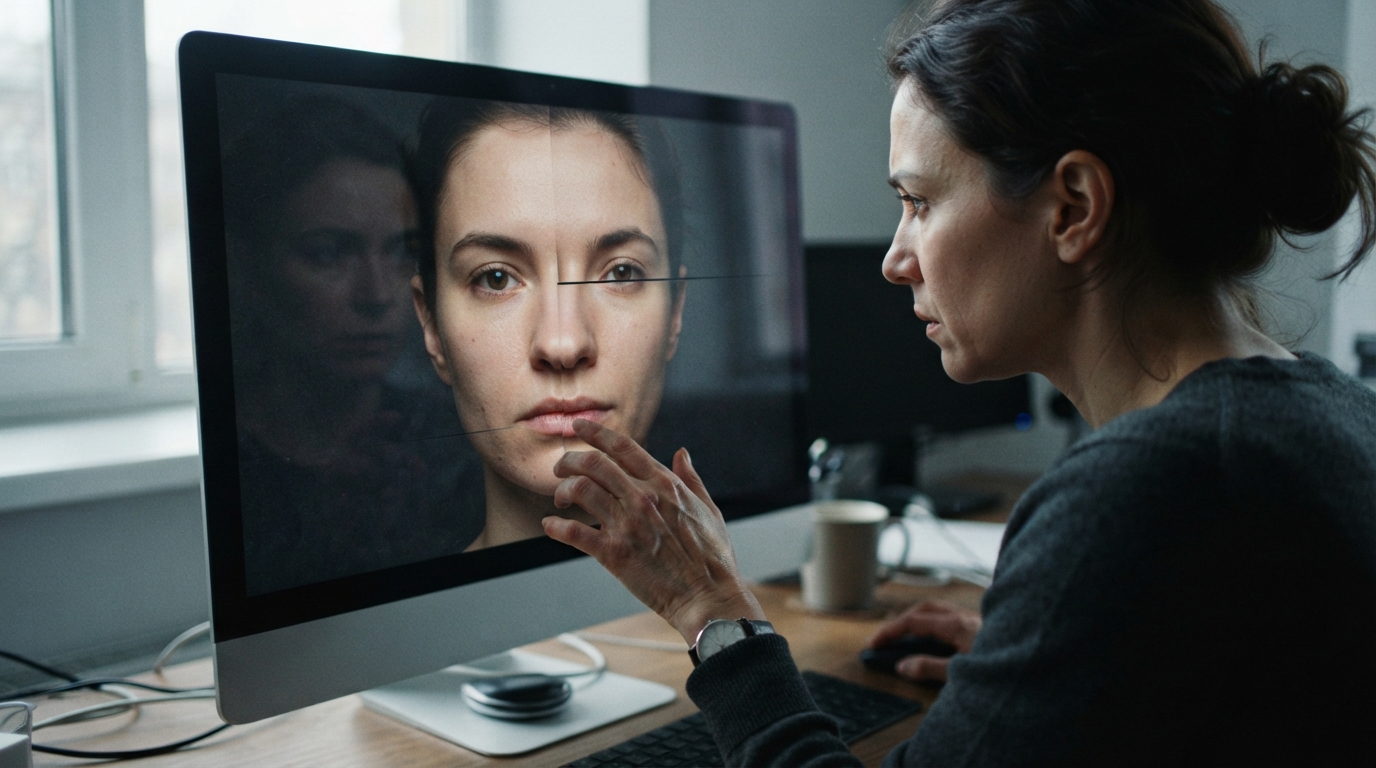
The deepfake verification crisis is not just that fake videos are getting harder to spot. It is that you can no longer assume digital evidence is easy to verify. Detection tools often struggle with real-world media, while gaps in provenance make it difficult to know where a clip came from or whether it has been altered. When any evidence can be called synthetic, even genuine footage can be dismissed. You are left asking not only “Is this real?” but also “What would prove it?”
Key Takeaways
- Deepfake detectors can perform far worse on real-world media than on familiar benchmarks; treat every score as a clue, not a verdict.
- Verify media by combining technical analysis with provenance, context, and independent corroboration. A missing or incomplete provenance record does not by itself prove a clip is fake.
- Deepfakes create a liar’s dividend: fabricated media can mislead, while the possibility of fabrication can also be used to dismiss genuine evidence.
- Preserve trust by distinguishing confirmed facts from uncertainty, checking claims against independent sources, and avoiding reflexive judgments that a clip is authentic or fake.
Real-World Deepfake Detectors
Deepfake detectors can appear reliable on familiar benchmarks yet falter when you encounter media as it actually circulates online. A 2025 study tested tools on Deepfake-Eval-2024, a collection of video, audio, and images gathered from social platforms and detector users. Compared with earlier academic benchmarks, open-source models’ average AUC fell by 50% for video, 48% for audio, and 45% for images. AUC measures how well a system distinguishes real from manipulated media. These steep drops show how much performance can depend on the material a detector has encountered before.
That gap matters because a detector score is a clue, not a verdict. Commercial and fine-tuned tools performed better in the study, but still did not match forensic analysts. Even expert review cannot answer every question about where a clip came from or what it depicts. When you see a high or low score, treat it as one piece of evidence alongside provenance, context, and independent corroboration. Synthetic media can be mistaken for real, while genuine evidence can be dismissed as fake. The deeper challenge is rebuilding shared grounds for trust, not simply finding a more confident algorithm.
Provenance Gaps And Synthetic Media
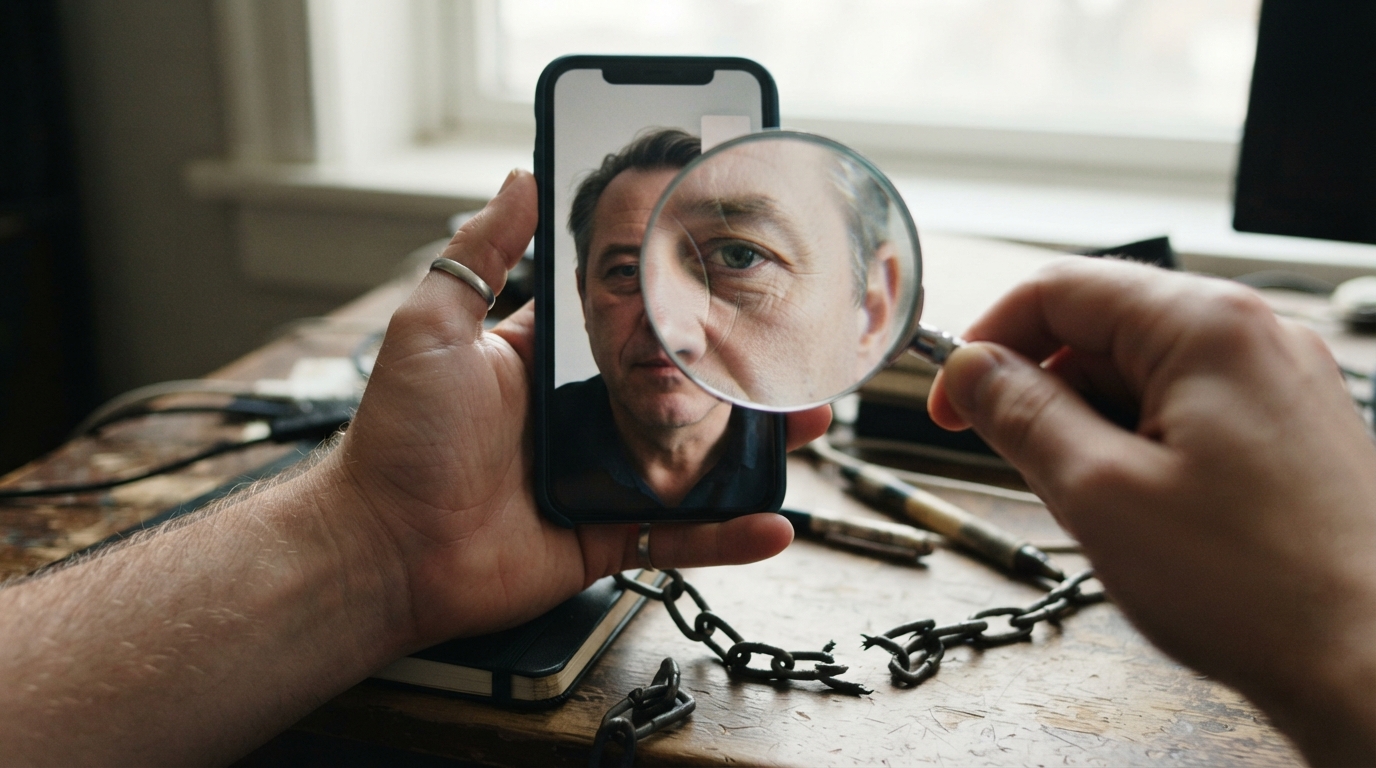
When a campaign clip reaches you without a clear record of who created it, what changed, or how it spread, verification becomes a question of trust as well as technology. That gap matters in the 2026 election cycle, when synthetic media can be difficult to distinguish from genuine recordings and a confident detector result may sound more conclusive than it is. In a 2025 evaluation of real-world media, open-source detectors’ average performance fell sharply compared with earlier academic benchmarks, including a 50 percent drop for video. Even a strong score is an estimate shaped by a tool’s limits, not a verdict about what happened. You are left weighing evidence whose origin and meaning may both be uncertain.
Provenance signals, such as records of a file’s creation and subsequent edits, can help you trace a media trail and spot missing links. But those signals may be absent, stripped during sharing, or unable to account for every change. An incomplete trail does not automatically mean a recording is false. Even a well-documented file cannot, by itself, prove that a scene was not staged, that a speaker meant what a caption claims, or that the clip shows the full context. The deeper challenge is not only deciding whether pixels were generated, but also deciding what they justify you in believing. Verification therefore depends on combining technical clues with context, corroboration, and careful judgment.
Election Evidence And The Liar’s Dividend
During the 2026 election cycle, a convincing synthetic clip can mislead you about what a candidate said or did, especially when it spreads before anyone can check its origins. But the danger runs in both directions: a public figure confronted with an authentic recording can claim it was generated, making real evidence easier to dismiss. Researchers testing detectors on media collected from real-world sources found that performance dropped sharply compared with familiar benchmarks. This underscores how difficult verification can be outside the lab. A detector’s verdict, or a clip’s lifelike appearance, cannot by itself settle what happened.
This is the liar’s dividend: once you know that fakes exist, someone can use that possibility to cast doubt on genuine evidence. The result is more than confusion about one recording. It can weaken your confidence in the shared methods used to establish what is true. Provenance, corroboration, and careful examination still matter, but their signals can be incomplete or arrive too late to prevent a false claim from spreading. When doubt becomes a reflex, fabricated media may deceive you while authentic evidence loses its power to persuade.
Rebuilding Trust Beyond Detection
When synthetic media can look indistinguishable from authentic footage, you need more than a detector’s verdict to decide what to trust. A 2025 evaluation found that open-source detection models performed substantially worse on media drawn from real-world platforms than on familiar benchmarks, with average AUC falling 50% for video, 48% for audio, and 45% for images. That gap is a reminder that a tool can offer a useful signal without settling the question. Verification is stronger when technical analysis is combined with checks on a file’s provenance, context, and consistency with other evidence.
Trust also depends on how people and institutions explain what they know and what remains uncertain. Independent reporting can test claims against separate sources, while transparent sourcing lets you see how a conclusion was reached and where gaps remain. When officials communicate, clear distinctions between confirmed facts, credible leads, and unresolved questions can help prevent both premature certainty and the reflex to dismiss inconvenient evidence as fake. In a post-truth crisis, verification is not a magic stamp of authenticity. It is a reasoned process that gives you grounds to judge the evidence.
Verify Evidence Amid the Deepfake Crisis
You cannot answer “What does this media show?” by asking only whether it looks real. In the 2026 election cycle, convincing synthetic media can blur the line between authentic evidence and fabrication, while claims of fakery can also be used to dismiss genuine recordings. The verification challenge is about more than spotting visual glitches. You need to consider where a file came from, whether it has been altered, and what its contents actually establish. A 2025 evaluation of real-world social media found that open-source detectors’ average performance fell sharply compared with earlier benchmarks, including by 50% for video. No detector result, confident or uncertain, can settle every question on its own.
Preserving trust means treating verification as a process, not a reflex. You can look for original files and reliable provenance, compare independent accounts, and separate what a recording appears to show from what someone claims it proves. Just as importantly, the possibility of deepfakes should make you more careful, not automatically suspicious of every inconvenient image or recording. When evidence is incomplete, acknowledging uncertainty is more responsible than declaring something authentic or fake without good reason. Trust grows when you stay open to correction and judge each claim by the evidence available.
Frequently Asked Questions
1. What is the deepfake verification crisis?
It is the growing difficulty of deciding whether digital media is authentic, manipulated, or presented out of context. Detection tools can struggle with real-world content, and missing records of a clip’s origin or editing history make it harder to verify independently. As a result, genuine evidence can also be dismissed as fake.
2. Why can deepfake detectors perform worse on real-world media?
A detector may perform well on familiar benchmarks but struggle with media that differs from the material it was trained or tested on. Real-world videos, audio, and images vary in quality, format, and how they have been shared or edited. That gap can make benchmark results a poor guide to how reliably a tool will handle a new clip.
3. What does AUC mean when you see a detector’s results?
AUC, or area under the curve, measures how well a system distinguishes real media from manipulated media across different decision thresholds. A higher AUC generally indicates better discrimination on the data being tested. It does not guarantee that the tool will correctly assess a specific clip you encounter.
4. Should you trust a deepfake detector’s score?
Treat the score as a clue, not a verdict. Detector performance can vary depending on the media and the tool. In the 2025 study, even stronger commercial or fine-tuned systems did not match forensic analysts. Consider the result alongside the clip’s provenance, context, and independent corroboration.
5. What does provenance tell you about a video or image?
Provenance is the record of where media came from and how it was created, changed, and shared. A clear record can help you assess whether a clip has been altered and whether it is being shown in context. When that record is missing, verification depends more heavily on other evidence and independent checks.
6. How can you verify a suspicious clip more carefully?
Start by checking who first published it, whether the original file or a reliable source is available, and whether the clip has a documented editing history. Compare its claims with independent reporting or other evidence, and use detector results as only one part of your assessment. If important details remain unverified, say so rather than treating a score as proof.
7. Can genuine footage be dismissed as fake?
Yes. When people expect synthetic media to be everywhere, they may reject authentic footage simply by claiming it could be manipulated. That possibility makes provenance, context, and independent corroboration important. Uncertainty about a clip should not automatically count as evidence that it is fake.