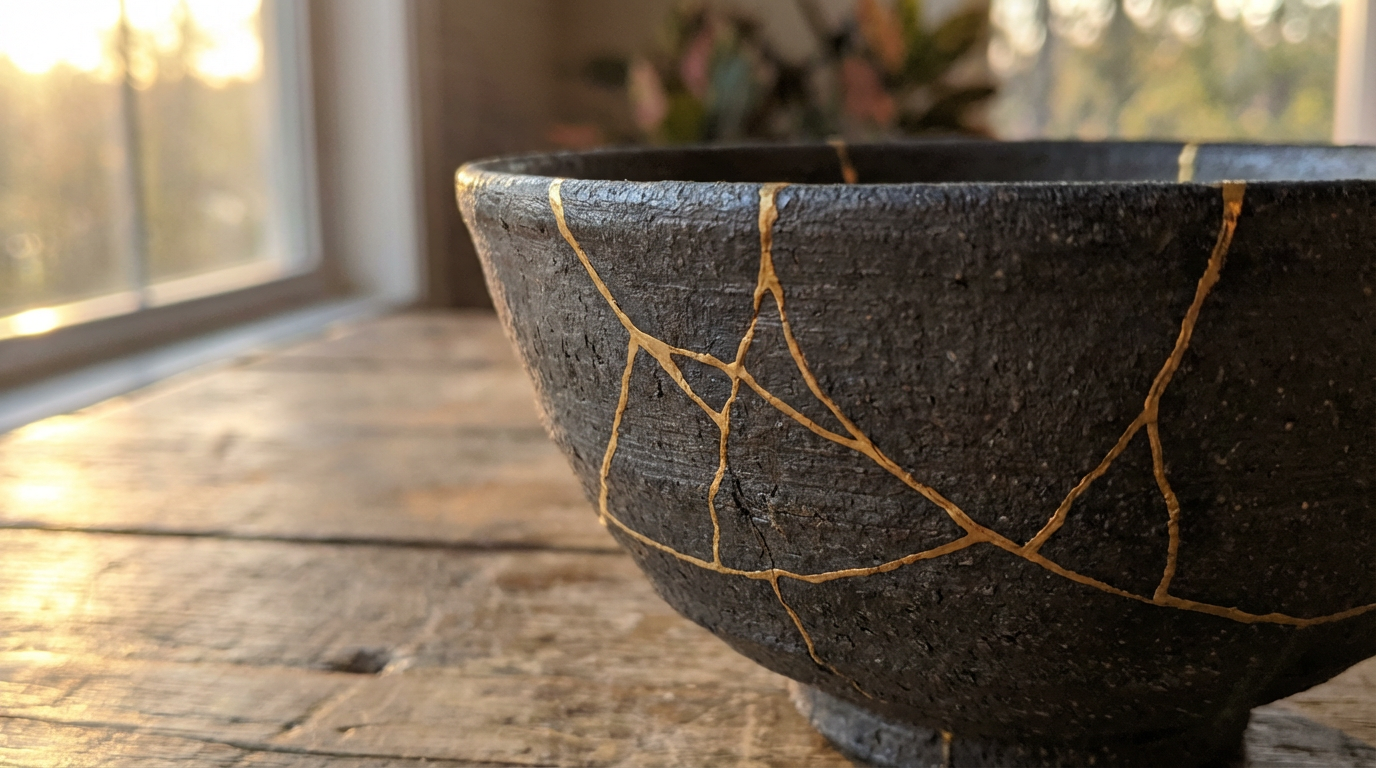
When you drop a cherished ceramic bowl, your first instinct might be to hide the jagged shards or throw them away in frustration. However, the Japanese art of kintsugi offers a radical alternative: instead of concealing the damage, you highlight it with shimmering veins of gold. This kintsugi philosophy guide explores how golden joinery transforms a broken object into a masterpiece that is stronger and more beautiful for having been fractured. By treating breakage as a vital part of an object’s history, you learn to see your own setbacks not as failures, but as opportunities for profound transformation.
This ancient practice is deeply rooted in the principles of wabi-sabi, which invites you to find peace in the imperfect and the transient. Beyond simple repair, kintsugi serves as a practical roadmap for resilience, teaching you the art of mushin, or the detached acceptance of change. As you experience life’s inevitable cracks, you can adopt the mindset of a master artisan, choosing to wear your scars with pride rather than shame. Embracing this philosophy allows you to move past the regret of mottainai and discover a more authentic, sustainable way of living.
Key Takeaways
- Embrace your scars and setbacks as vital parts of your personal history that make you stronger and more beautiful rather than flaws to be hidden.
- Adopt the principles of wabi-sabi and mottainai to find peace in imperfection and honor the inherent value of objects and experiences by repairing instead of discarding them.
- Cultivate the state of mushin, or ‘no mind,’ to navigate life’s inevitable changes with detached acceptance and mindful presence.
- View resilience as a transformative process where mending your fractures with patience and care creates a version of yourself that is more valuable than the original.
The Muromachi Roots of Golden Joinery
The origins of kintsugi trace back to the fifteenth century Muromachi period, a time when Japanese aesthetics underwent a radical transformation. Legend has it that shogun Ashikaga Yoshimasa sent a damaged Chinese tea bowl back for repairs, only to be disappointed by the unsightly metal staples used to hold it together. You can imagine his frustration at seeing a beloved object marred by such crude craftsmanship, which sparked a search for a more elegant solution. Local artisans eventually developed a method using urushi lacquer mixed with powdered gold, creating a repair that was more beautiful than the original piece. This pivotal moment shifted the focus of Japanese craft from hiding damage to celebrating the unique history of an object.
As you explore this history, you will find that kintsugi is deeply intertwined with the tea ceremony culture of the era. This practice was not just about fixing pottery, but about reflecting a specific worldview that found value in the weathered and the worn. By highlighting cracks with precious metals, you are invited to see breakage as an event that adds character rather than a disaster that ends utility. This approach challenged the traditional pursuit of perfection and encouraged a new appreciation for the marks left by time and use. It represents a profound shift in perspective where the scars of the past become the most striking features of the present.
The philosophy behind this golden joinery is rooted in the concept of wabi sabi, which emphasizes the beauty of impermanence and irregularity. When you look at a kintsugi piece, you are witnessing the physical manifestation of mottainai, the Japanese sentiment of regret over waste. This historical tradition teaches you that resilience is not about returning to a pristine state, but about moving forward with your history proudly on display. By transforming a shattered bowl into a masterpiece, the Muromachi artisans provided a practical guide for how you can embrace your own imperfections. Their legacy endures as a reminder that the most resilient things are often those that have been broken and mended with grace.
Embracing Wabi Sabi and Imperfect Aesthetics
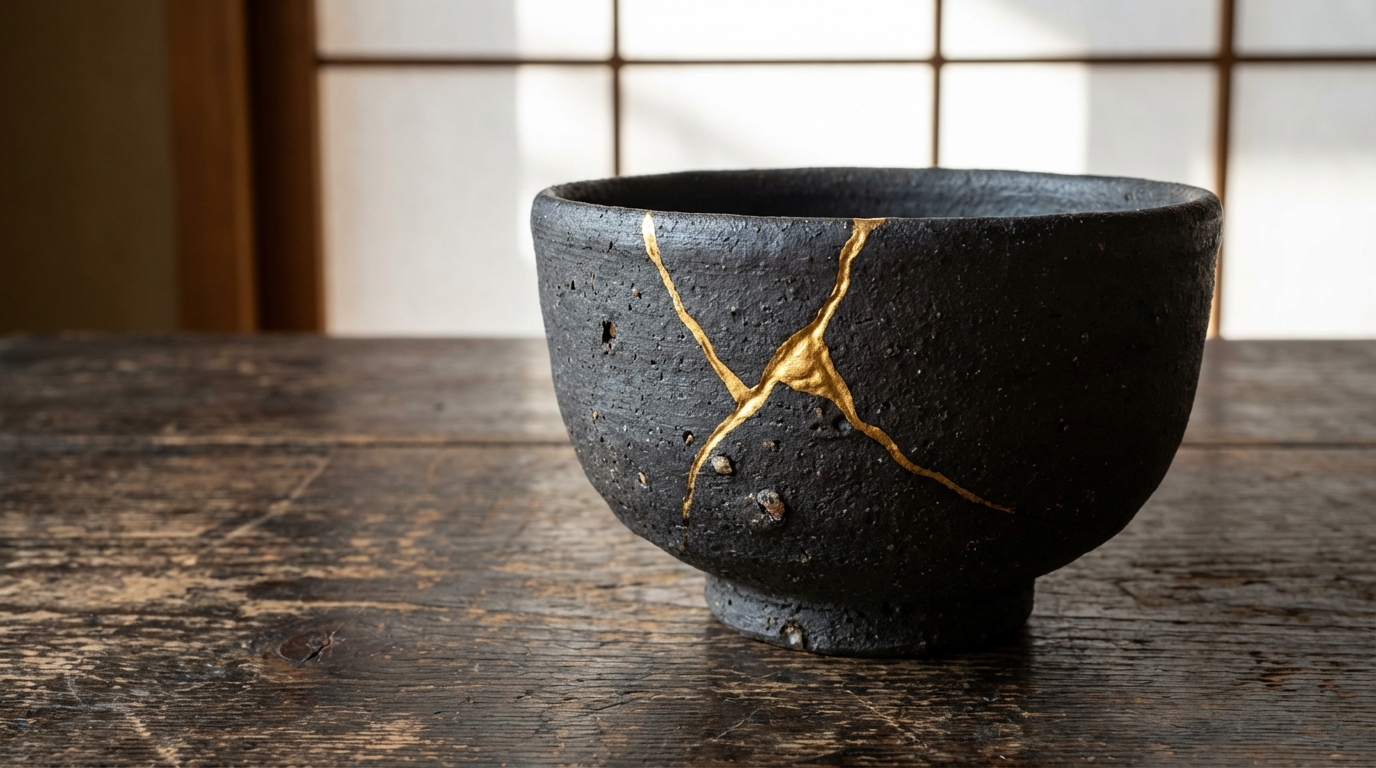
At the heart of kintsugi lies the profound Japanese concept of wabi sabi, which invites you to find beauty in things that are modest, humble, and unconventional. Instead of chasing a sterile or unachievable perfection, this perspective teaches you to appreciate the subtle textures of age and the unique character of irregular shapes. When you apply this to your own life, you begin to see that your personal history and perceived flaws are actually what make you authentic. This shift in mindset allows you to stop hiding your struggles and start celebrating the resilience that comes from moving through them. By valuing the weathered and the worn, you cultivate a sense of peace with the natural cycle of growth and decay.
The philosophy of mottainai further enriches this journey by encouraging a deep sense of regret over waste and a commitment to sustainability. This principle suggests that every object has a soul and a purpose, making it worthy of care even after it has been damaged. When you choose to repair a broken vessel with gold rather than discarding it, you are practicing a form of mindfulness that honors the energy invested in that item. This practice serves as a powerful metaphor for self compassion, reminding you that your own spirit is never beyond restoration. Embracing these ideas helps you transform your relationship with the material world and your inner self simultaneously.
By integrating these ancient aesthetics into your modern lifestyle, you develop a more resilient identity that views change as a creative force. Kintsugi is not just about fixing a bowl, it is about recognizing that the cracks in your journey represent strength and survival. You are encouraged to view every challenge as an opportunity to add a new golden seam to your story, making the final result more valuable than the original. This approach provides a practical framework for navigating the complexities of human emotion and identity with grace. Ultimately, you learn that being broken is not a sign of failure but a prerequisite for a more profound and enduring type of beauty.
Transforming Emotional Scars Into Golden Seams
When you apply the wisdom of kintsugi to your own life, you begin to see that your emotional scars are not flaws to be hidden away under layers of shame. Just as a Japanese artisan uses golden lacquer to highlight the fractures in a tea bowl, you can choose to illuminate the moments that once broke you. This shift in perspective transforms your history from a collection of painful accidents into a narrative of profound resilience. By honoring these breaks, you acknowledge that your past struggles have contributed to a more complex and durable version of yourself. You are not merely a repaired object, but a masterpiece whose value has increased precisely because of what you have endured.
Embracing this philosophy requires you to adopt the mindset of wabi sabi, which finds deep beauty in the natural cycle of growth, decay, and repair. Instead of striving for an impossible standard of perfection, you can learn to build resilience by appreciating the unique patterns created by your life experiences. These golden seams represent the strength it took to heal and the wisdom you gained during the process of putting the pieces back together. This approach fosters a sense of psychological wholeness, allowing you to move forward without the burden of feeling damaged or discarded. Your scars become a testament to your ability to survive and thrive, serving as a visual map of your personal evolution and inner power.
Cultivating Mushin Through Mindful Restoration
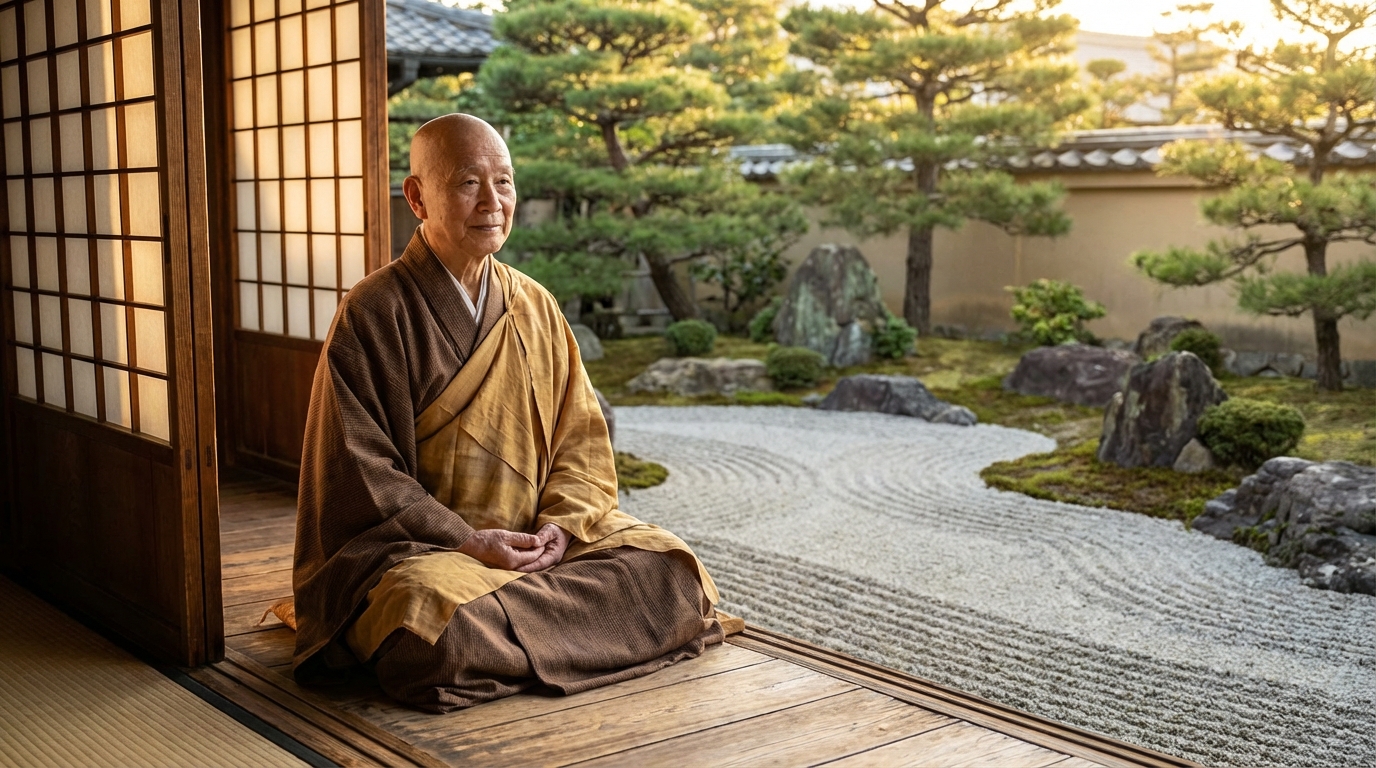
Cultivating the state of mushin, or no mind, begins the moment you pick up your tools and commit to the slow rhythm of the urushi lacquer. This ancient practice is not about achieving a perfect result, but rather about surrendering your ego to the natural flow of the repair process. As you carefully apply the sticky resin to the jagged edges of a broken ceramic piece, you find that your internal chatter starts to fade into the background. You are no longer dwelling on the past break or worrying about the future outcome, as your entire focus narrows down to the single point where the brush meets the clay. This meditative presence allows you to accept the object exactly as it is, transforming a moment of destruction into a quiet act of creation.
The physical properties of urushi lacquer demand a level of patience that naturally fosters a deep sense of resilience within you. Because this natural material requires specific humidity and significant time to cure, you cannot rush the healing of the vessel any more than you can force your own personal growth. You learn to work in harmony with the environment, observing how the lacquer binds and hardens over several days or even weeks. This deliberate pace serves as a powerful metaphor for the way you handle your own life transitions and emotional scars. By honoring the time required for a proper restoration, you develop a profound appreciation for the beauty found in the gradual journey of change.
As you finally dust the wet lacquer with powdered gold, the cracks that once signaled failure are reborn as luminous maps of history and strength. This final step in the kintsugi philosophy guide encourages you to see your own imperfections through a lens of compassion rather than judgment. You begin to realize that the seams do not hide the damage, but instead celebrate the fact that the object was once broken and has now been made whole again. This shift in perspective is the ultimate goal of mushin, where you move beyond labels of good or bad to find peace in reality. By embracing this mindful restoration, you cultivate a spirit that views every challenge as an opportunity to add another golden layer to your unique story.
Wear Your Scars as Golden Strength
Adopting the kintsugi mindset means you no longer view your past hardships as defects that must be hidden from the world. When you embrace this ancient Japanese philosophy, you begin to see your personal struggles as the golden lacquer that binds your history together. This shift in perspective allows you to move forward with a sense of resilience that is rooted in reality rather than perfection. You learn to honor your evolution by recognizing that a mended heart or a weathered spirit often possesses more character than one that has never been tested. By highlighting your scars instead of concealing them, you transform your identity into a unique work of art.
This compassionate approach to self-growth encourages you to practice the principles of wabi-sabi and mushin in your daily life. Instead of grieving for a version of yourself that no longer exists, you can find beauty in the impermanence and irregularity of your current path. This mindset fosters a deep sense of sustainability for your mental well-being, as it prevents the waste of energy spent on regret or denial. You are invited to treat your own transformation with the same reverence a master artisan shows a broken tea bowl. Ultimately, kintsugi teaches you that your value is not diminished by life’s cracks, but is actually enhanced by the strength it took to fill them with gold. This journey of self-discovery is much like finding your flow through life’s challenges with authenticity and balance.
Frequently Asked Questions
1. What is the core meaning of the kintsugi philosophy?
Kintsugi philosophy teaches you that your breaks and repairs are a valuable part of your history rather than something to be hidden. By highlighting damage with gold, you learn to see your setbacks as opportunities for transformation and strength.
2. How does wabi-sabi relate to the practice of kintsugi?
Wabi-sabi is the foundational aesthetic that encourages you to find beauty in imperfection and the natural cycle of growth and decay. Kintsugi puts this into practice by celebrating the unique character of a broken object instead of demanding a return to its original, flawless state.
3. What is the significance of the Muromachi period in this art form?
This era marks the birth of golden joinery when Japanese artisans moved away from crude metal staples to more elegant lacquer repairs. You can trace the shift toward valuing craftsmanship and aesthetic beauty in restoration back to this pivotal fifteenth-century movement.
4. How can you apply the concept of mushin to your daily life?
Mushin involves practicing a state of detached acceptance when you face unexpected changes or hardships. When you adopt this mindset, you can handle life’s inevitable cracks with the calm focus of an artisan, allowing you to move forward without being weighed down by ego or regret.
5. What does the term mottainai teach you about sustainability?
Mottainai reflects a sense of regret when something is wasted or treated with disrespect. By choosing to repair and elevate a broken item through kintsugi, you honor the object’s essence and embrace a more sustainable, mindful way of living.
6. Why is kintsugi considered a roadmap for personal resilience?
The process mirrors your own journey of healing, showing you that being fractured does not mean you are ruined. You discover that your scars, when integrated with care and gold, make you a more complex and beautiful version of yourself.
To deepen your understanding of these spiritual roots, you can explore a guide to the core beliefs of Zen Buddhism, which informs many of these aesthetic traditions.