
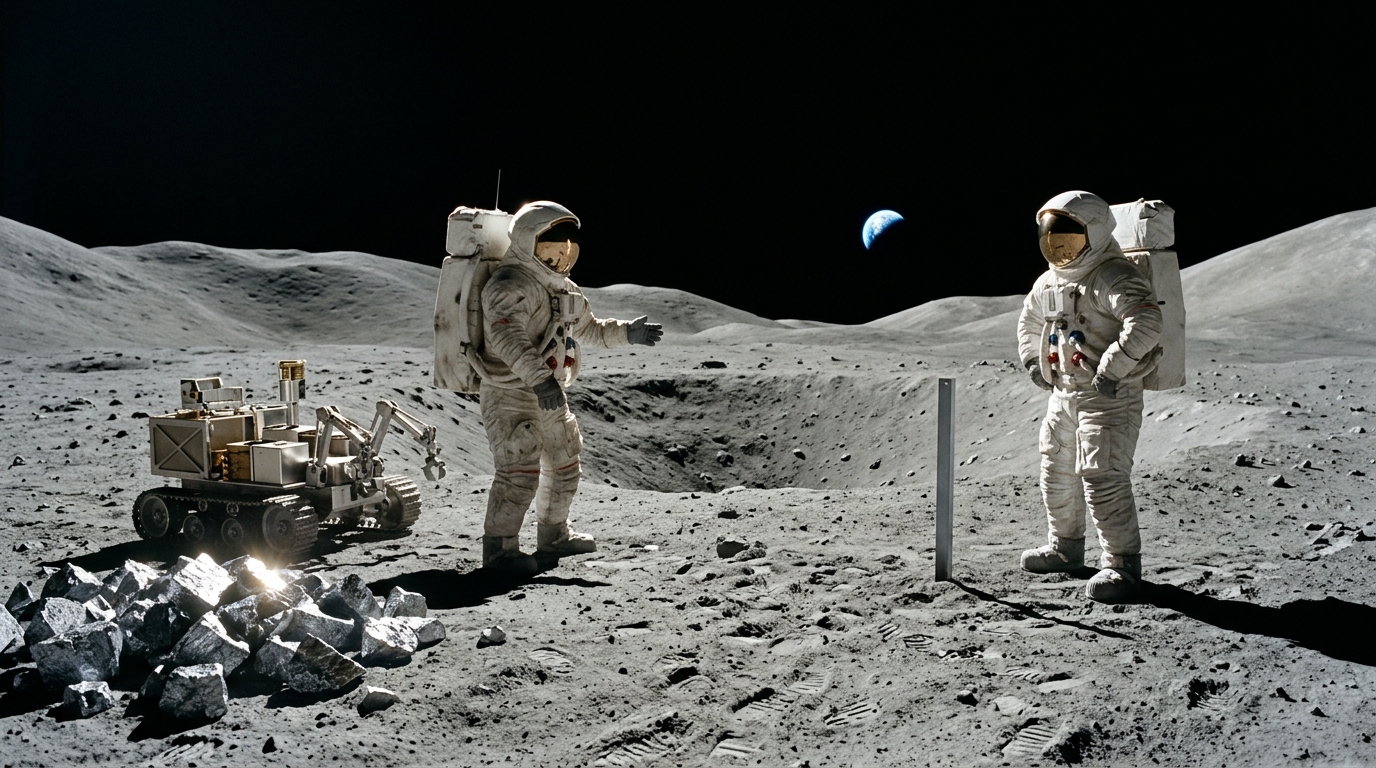
Who owns the Moon, and who gets to profit from what lies beneath its surface? The lunar property rights debate is no longer science fiction. It centers on whether you can legally claim extracted water ice, oxygen, or minerals without claiming the Moon itself. Although no country, company, or individual holds recognized title to lunar land, the rules governing commercial access remain unsettled.
The distinction between owning land and owning resources could shape the future of space exploration, investment, and international cooperation. Supporters argue that extracted materials can belong to the entity that recovers them, while critics warn that exclusive mining zones could become sovereignty by another name. Understanding this tension helps you see why a few words in space law may determine who can operate and profit on the Moon.
Key Takeaways
- The Outer Space Treaty prohibits national appropriation of the Moon, so no country, company, or individual holds broadly recognized title to lunar land. Occupying or operating on a site does not equal owning it.
- Ownership of extracted water ice, oxygen, and minerals remains unsettled, although the United States and Artemis Accords participants argue that recovered resources can be owned without claiming the underlying territory.
- Temporary safety zones may protect workers and equipment, but they must remain necessary, limited, transparent, and time-bound; otherwise, they could become de facto territorial claims that restrict access.
- A legitimate lunar resource system must balance commercial investment with the Lockean Proviso, environmental protection, equitable benefit sharing, and meaningful access for future nations and generations.
Introduction To Lunar Property Rights
As plans for permanent private lunar bases advance toward 2026, the Moon is becoming more than a symbol of exploration. It is also raising difficult questions in political philosophy. When you consider these projects, ownership, access, and authority become difficult to separate from practical decisions about landing sites, habitats, and infrastructure. No country, company, or individual currently holds legally recognized title to any part of the Moon’s surface. That legal gap makes the lunar property rights debate urgent, before settlement and commercial activity become too established to regulate fairly.
The 1967 Outer Space Treaty broadly prohibits national appropriation of celestial bodies, which is why claiming lunar territory as sovereign property is generally understood to be unlawful. The more contested question is whether you may own water ice, oxygen, or minerals after extracting them, even if you cannot own the ground where they were found. The United States and other Artemis Accords participants argue that resource ownership can be lawful when extraction does not become a disguised claim to territory. Critics respond that temporary safety zones intended to prevent harmful interference could function like exclusive property boundaries, especially around valuable deposits.
Political philosophy adds another layer through John Locke’s theory that appropriation is legitimate only when it leaves “enough and as good” for others, a condition known as the Lockean Proviso. Applied to the Moon, you must ask whether one operator’s control of a resource, landing corridor, or strategically important site unfairly limits future communities and nations. The debate therefore reaches beyond technical regulation and into the ethics of celestial colonization. It asks who should benefit from lunar resources and what obligations early settlers owe to everyone who follows. How those principles are resolved may shape whether the Moon becomes a shared frontier or a place where access is privately controlled.
Outer Space Treaty And Lunar Appropriation

The 1967 Outer Space Treaty gives you a clear rule about lunar territory: no country may claim the Moon, establish sovereignty over it, or turn any part of its surface into national property. Because private activities must be authorized and supervised by a state, that restriction also makes private ownership of lunar land legally doubtful, even when a company is the claimant. As permanent bases become more plausible in 2026, this distinction matters because occupying a site for operations is not the same as owning the ground beneath it. No country, company, or individual currently holds a legally recognized title to any part of the Moon’s surface.
The harder question is whether you can own resources after extracting them. The treaty does not expressly settle whether water ice, oxygen, or minerals become private property once removed from lunar soil. The United States and other Artemis Accords participants argue that resource ownership can be lawful without claiming the Moon itself. Under that approach, a company might use extracted ice for fuel or life support while lacking any title to the surrounding crater or mining site. Temporary safety zones may help prevent harmful interference, but critics worry that exclusive operational areas could function like territorial claims if they last too long or block meaningful access by others.
That uncertainty turns the lunar property rights debate into a question of political philosophy as much as treaty interpretation. The Lockean Proviso asks whether taking and controlling a resource leaves enough, and comparable opportunities, for others. This is a difficult standard when a company occupies the only practical ice deposit near a future settlement. You are therefore being asked to weigh innovation and investment against fair access, environmental stewardship, and the interests of people who cannot yet participate in lunar development. Until clearer international rules emerge, ownership of extracted materials may be accepted in principle, while the limits on exclusion, scarcity, and shared benefit remain deeply contested.
Lockean Proviso And Lunar Resources
Locke’s theory suggests that you may claim a resource by mixing your labor with it, but only if your claim respects others’ rights. Applied to lunar mining, extracting water ice, oxygen, or minerals could appear legitimate when your work transforms otherwise inaccessible material into something useful for settlement. The Lockean Proviso, however, requires you to leave “enough and as good” for others, raising difficult questions when deposits are limited or concentrated near valuable sites. A company that controls the only practical ice source in a region may be improving it through investment while also restricting everyone else’s opportunity to survive and develop. The moral issue is therefore not simply whether labor creates value, but whether that value can be claimed without exhausting a shared inheritance.
Consent adds another layer to the lunar property rights debate because no individual or company can easily obtain permission from all future users of the Moon. Current international rules generally reject ownership of lunar territory, while some governments and participating states argue that extracted resources may be owned if mining does not become a disguised claim to sovereignty. Temporary safety zones may prevent harmful interference, yet they could also function as de facto exclusive territories if they are large, permanent, or strategically placed. As you consider private extraction, ask whether the arrangement preserves meaningful access for later settlers, protects essential resources, and gives affected nations or humanity as a whole a genuine voice. Without those safeguards, lunar mining may satisfy a narrow theory of labor and improvement while failing Locke’s deeper demand that appropriation leave a fair opportunity for others.
Artemis Accords And Safety Zones
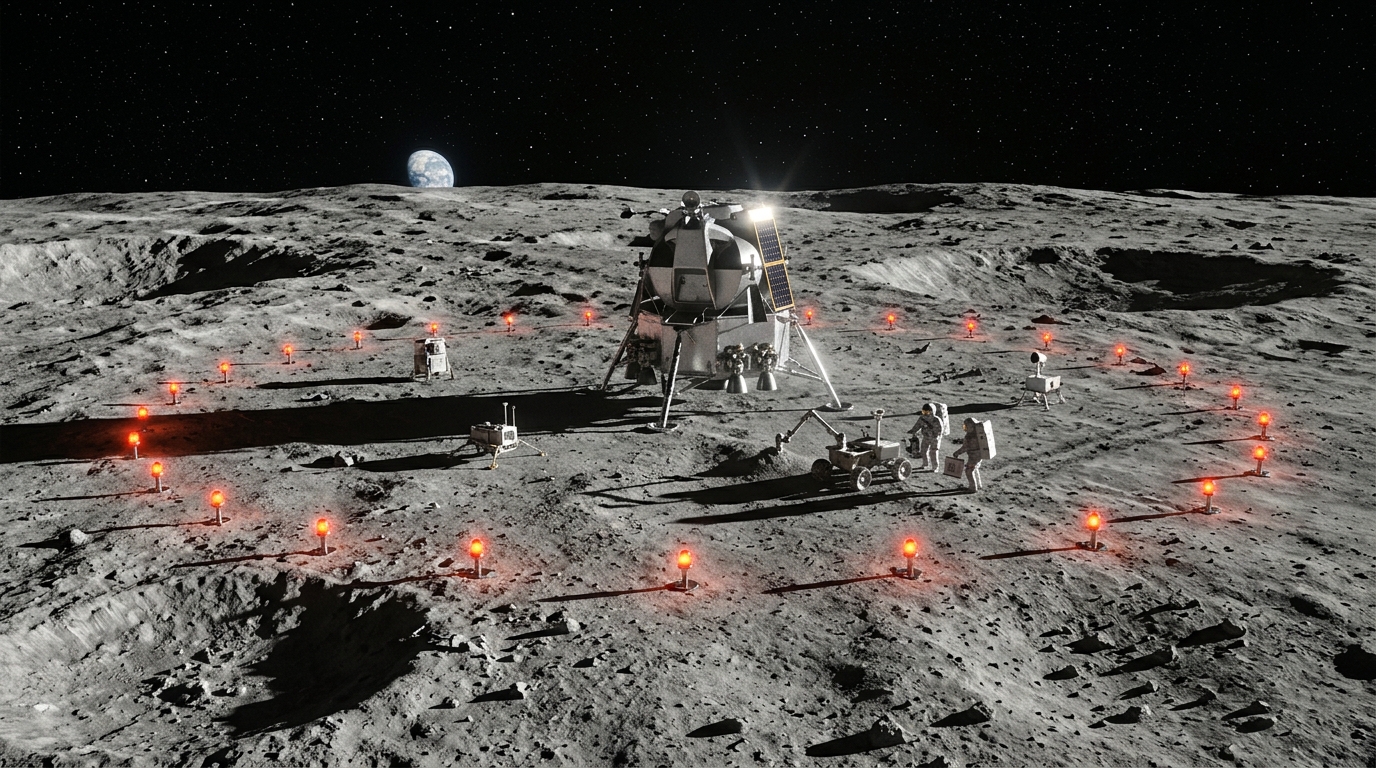
The Artemis Accords support the idea that you may extract and use lunar resources, such as water ice, oxygen, and minerals, without owning the land beneath them. This interpretation treats extracted materials as distinct from lunar territory, preserving the Outer Space Treaty’s ban on national appropriation. For you, the harder question is whether that distinction remains meaningful as private operators build permanent bases in 2026 and depend on exclusive access to nearby resources. A Lockean analysis asks whether those projects leave enough opportunity for others, rather than allowing early entrants to control the most valuable sites. Without shared standards for fair access, resource ownership could begin to resemble property rights in everything but name.
Safety zones are presented as temporary operational boundaries designed to prevent harmful interference, protect workers, and coordinate activities around landing sites, mining equipment, and habitats. You can see their appeal because dust, drilling, radio interference, or unplanned vehicle traffic could endanger people and damage costly infrastructure. Yet a zone that lasts indefinitely, covers a resource-rich area, or blocks meaningful access for others may function as a de facto territorial claim. The debate therefore turns on transparency, narrow geographic limits, scientific justification, and genuine time limits, along with safeguards for later entrants. If those protections are treated as practical safety measures rather than exclusive domains, they may support cooperation. Weak oversight, however, could undermine the very ban on lunar sovereignty that they are meant to respect.
Justice And Governance Beyond Earth
The lunar property rights debate becomes urgent as private companies work toward establishing permanent Moon bases in 2026. Under the 1967 Outer Space Treaty, no country, company, or individual may claim ownership of lunar land, yet the United States and other Artemis Accords participants argue that extracted water ice, oxygen, and minerals can be privately owned without creating territorial sovereignty. You can see the tension in temporary safety zones, which are intended to prevent harmful interference but may function like de facto exclusive property if they block meaningful access for others. The Lockean Proviso offers a useful ethical test: development may be justified only if it leaves enough opportunity and resources for others, rather than allowing early investors to capture the most valuable sites.
Who benefits from lunar development should therefore be decided through rules that extend beyond national advantage or private profit. Spacefaring nations and investors may provide essential capital and infrastructure, but developing countries, lunar workers, and future generations also deserve a voice in resource allocation and environmental protection. No comprehensive international regime yet settles how to prevent contamination, protect labor rights, assign liability for accidents, or resolve disputes between lunar operators. Without shared standards, you may see temporary operational rights harden into permanent control, making the Moon accessible in theory but concentrated in practice. A legitimate system would pair innovation with transparent licensing, equitable benefit sharing, enforceable safety obligations, and institutions capable of representing humanity as a whole.
Conclusion On Lunar Property Rights
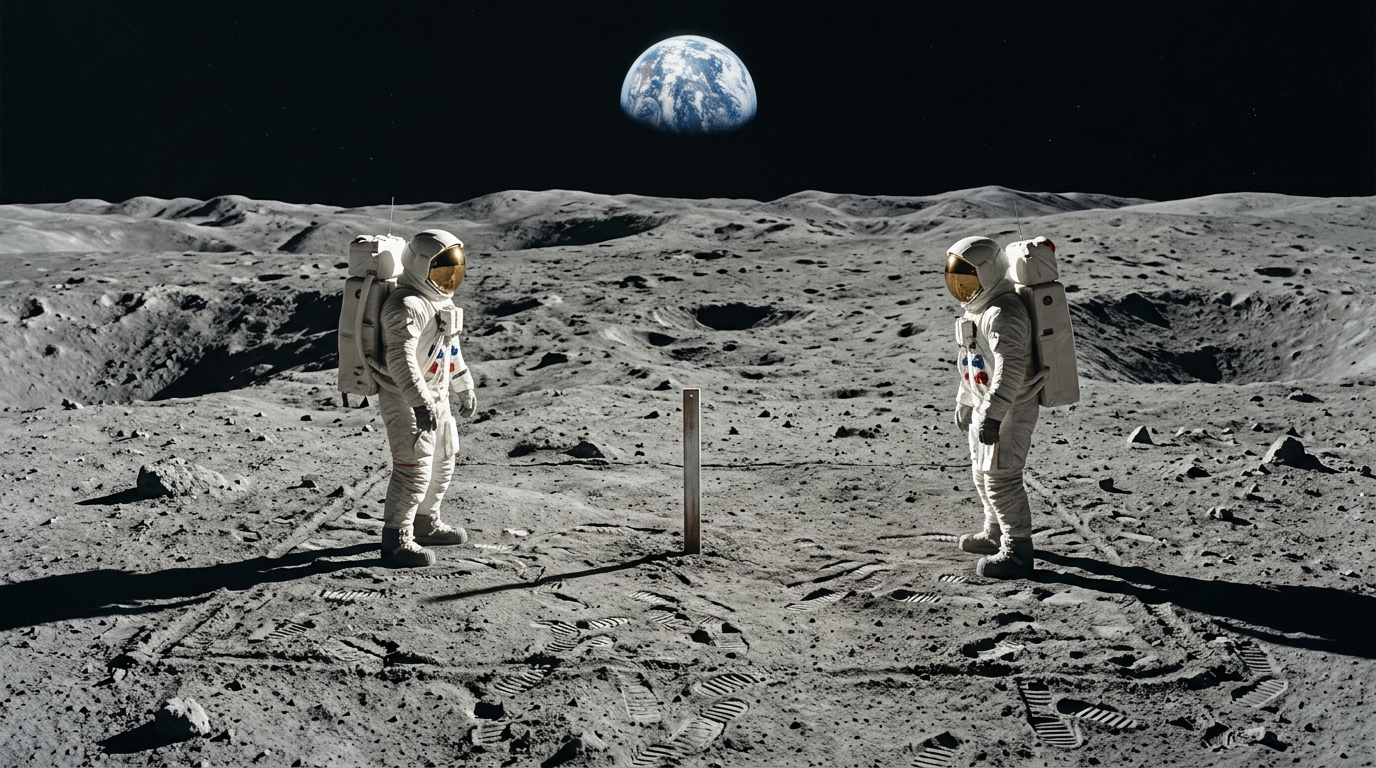
The emerging compromise in the lunar property rights debate separates ownership of land from ownership of resources. Under the 1967 Outer Space Treaty, you generally cannot claim the Moon’s surface as private or national territory, but supporters of resource extraction argue that you may own water ice, oxygen, or minerals after you remove and process them. The Artemis Accords reflect this position by allowing temporary safety zones to prevent harmful interference, although critics worry that such zones could become de facto territorial claims. As permanent lunar bases begin to take shape, you will see this distinction tested by practical questions about access, commerce, and control.
The deeper issue is whether legal permission is enough to make lunar settlement legitimate. Through the Lockean Proviso, ownership is often understood to require that others are not left unfairly deprived, a principle that raises difficult questions when a company or settlement controls a vital ice deposit. You must also consider whether extraction protects the Moon’s fragile environment and whether its benefits are shared broadly rather than concentrated among early entrants. Ultimately, the central debate is not only what you can legally claim on the Moon, but also what obligations fairness, sustainability, and the Lockean Proviso place on humanity’s first extraterrestrial settlers.
Own Lunar Resources, Not the Moon
The lunar property rights debate ultimately asks you to distinguish between owning land and owning what you lawfully extract from it. The 1967 Outer Space Treaty broadly rejects national appropriation of the Moon, so no country, company, or individual currently holds a recognized title to lunar territory. The United States and Artemis Accords participants argue that extracted materials, such as water ice, oxygen, and minerals, may be owned without claiming sovereignty over the ground itself. Critics remain concerned that exclusive operational areas or long-term facilities could function as indirect territorial claims, even when described as temporary safety measures.
Lockean political philosophy adds another layer by asking whether lunar development satisfies the proviso that appropriation should not leave others without a fair opportunity to benefit. You may see a company’s investment and labor as creating a legitimate claim to extracted resources, but that claim becomes harder to defend if access is monopolized or environmental damage limits future use. A durable framework will therefore need transparent licensing, meaningful international oversight, limits on harmful interference, and rules for sharing benefits. Until those safeguards are clearer, lunar expansion will remain not only an engineering challenge, but also a test of whether humanity can treat the Moon as a shared realm while permitting responsible commercial activity.
Frequently Asked Questions
1. What is the lunar property rights debate?
The lunar property rights debate concerns whether you can legally use or own resources extracted from the Moon without owning the lunar land itself. It focuses on the tension between commercial resource use, the ban on national appropriation, and the need to keep lunar activities open and peaceful.
2. Can you legally own a piece of land on the Moon?
No country, company, or individual has broadly recognized legal title to lunar land. The 1967 Outer Space Treaty prohibits national appropriation of the Moon, which is generally understood to prevent governments from claiming lunar territory as sovereign property.
3. Can you own water, oxygen, or minerals extracted from the Moon?
This remains one of the central unresolved issues, although the United States and other Artemis Accords participants argue that extracted resources can belong to the entity that recovers and uses them. That position distinguishes ownership of a harvested resource from ownership of the lunar surface, but it has not been accepted as a universally settled rule.
4. Do the Artemis Accords create lunar property rights?
No. The Artemis Accords are political commitments that support peaceful exploration, resource extraction, and the creation of temporary safety zones around certain operations, but they do not grant ownership of lunar land. Their interpretation of resource rights is influential, yet other countries may disagree with how far those principles should extend.
5. Could a mining company control an area without owning it?
A company could seek operational control over a limited area to protect workers, equipment, and ongoing extraction, but that control cannot lawfully become a permanent territorial claim. The key question is whether a safety zone remains temporary and necessary or functions like exclusive ownership that prevents others from accessing shared lunar resources.
6. What is the Moon Agreement, and why does it matter?
The 1979 Moon Agreement treats the Moon and its resources as the common heritage of humankind and calls for an international system to govern commercial exploitation. Because major spacefaring countries, including the United States, have not joined it, the agreement influences the debate but does not provide a universally followed framework.
7. Who would settle disputes over lunar mining rights?
There is no single global authority currently empowered to resolve every dispute involving lunar extraction, access, or competing claims. Disputes could involve national licensing systems, international negotiations, treaty interpretation, or courts on Earth, which makes clear rules and cooperation important before commercial activity expands.
8. Why do lunar property rights matter for the future of space exploration?
Your access to lunar resources could determine whether missions remain government-funded projects or develop into sustained commercial operations. Clear rules may encourage investment and cooperation, while vague or overly exclusive rights could create conflict, concentrate control, and turn practical mining zones into sovereignty by another name.