
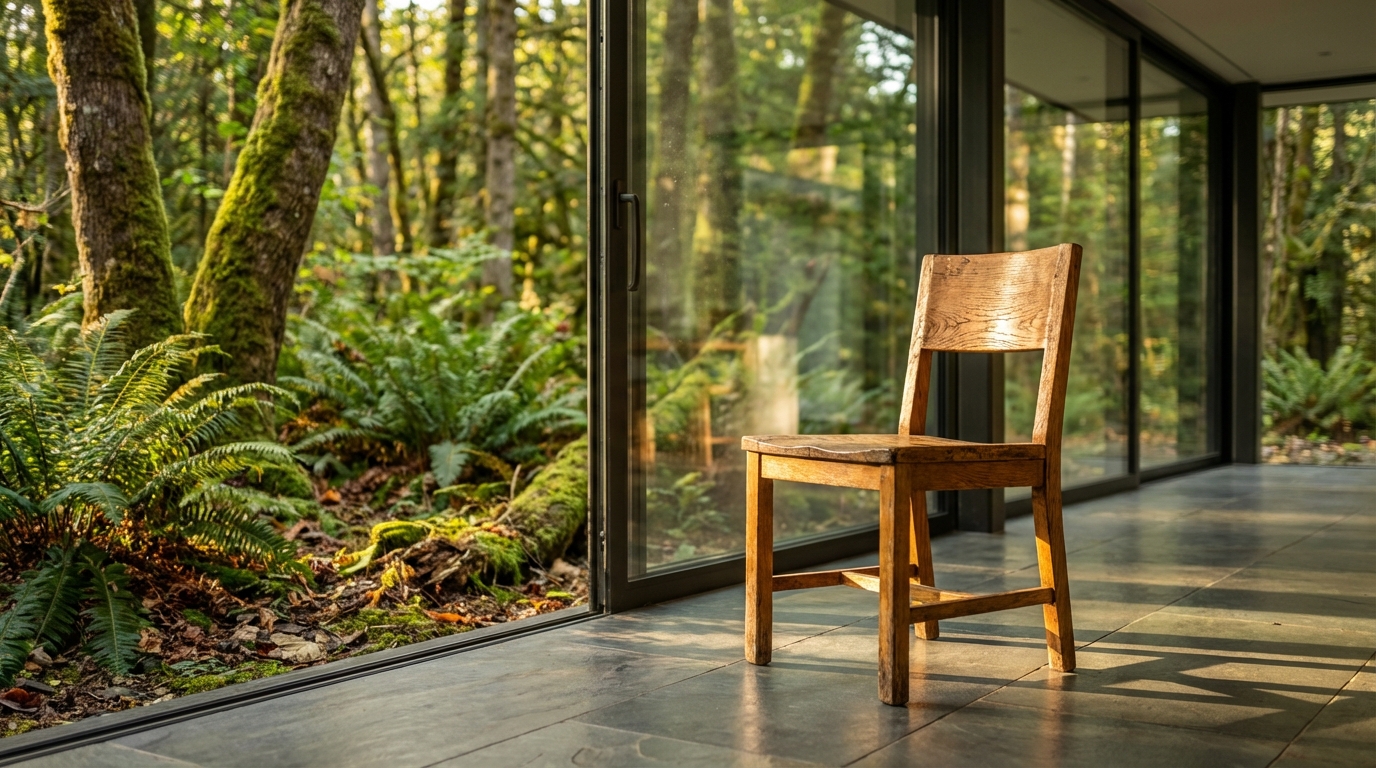
Think about the last time you closed your front door and felt the weight of the world drop from your shoulders. While we often look to the public square or the workplace for achievement, a growing philosophy of home suggests that your most profound experiences of happiness and identity aren’t found in the city, but in the kitchen. For centuries, thinkers prioritized the public sphere, yet the recent global shift back to domestic life has reminded us that the home is the true laboratory of the soul.
By viewing your living space through a philosophical lens, you transform four walls into a site of intellectual and emotional discovery. When you consider the home as the primary source of love and nourishment, you begin to see that domesticity is not a distraction from real life, but the very foundation of it. Understanding this shift allows you to move beyond mere interior design and into a deeper realization of how your private environment shapes your capacity for joy.
Key Takeaways
- The domestic sphere, or oikos, is the primary foundation of human identity and happiness, offering more profound fulfillment than public achievements in the polis.
- Home is a metaphysical laboratory where simple, repetitive rituals of care and nourishment transform a physical structure into a site of intellectual and emotional discovery.
- Modern living spaces function as permeable ecosystems that filter global influences, allowing you to curate a sanctuary that balances external connectivity with internal peace.
- Intentional domestic design acts as a mirror of the soul, where aligning your physical environment with your inner values creates a vital feedback loop for well-well-being.
Moving From The Polis To The Oikos
Western philosophy has long encouraged you to look toward the public square, or the polis, as the ultimate stage for human fulfillment and civic duty. We are often taught that our most significant contributions happen in the light of the city, through political activism or career achievements. However, contemporary thinkers invite you to reconsider this hierarchy by turning your gaze back toward the oikos, the ancient Greek word for the home. While the city provides the infrastructure for life, it is the domestic sphere that actually gives life its meaning and texture. By shifting your focus from the grandiosity of the public arena to the intimacy of your own four walls, you begin to see the home not as a retreat from the world, but as the very foundation of it.
True happiness, according to this perspective, is less of a political achievement and more of a domestic one that you cultivate every single day. Think about the profound sense of nourishment and love that occurs around your kitchen table rather than in a sterile government building or a corporate office. The home is the primary site of human identity where you practice the art of living through simple, repetitive acts of care. When you arrange your furniture or share a meal, you are engaging in a metaphysical laboratory process of making the world your own. This shift in perspective allows you to find intellectual depth in the mundane rituals of your private life.
By embracing the philosophy of home, you move beyond abstract theories of justice and power into the lived experience of your own space. This approach does not suggest that the outside world is unimportant, but rather that you must think about the city from the vantage point of the kitchen. Your home is the laboratory where you first learn what it means to belong and how to relate to others on a fundamental level. When you prioritize the domestic, you are acknowledging that the most transformative experiences of your life often happen in the quietest corners of your residence. This journey from the polis to the oikos empowers you to find a sense of purpose and joy in the place where you are most truly yourself.
The Permeable Threshold Of Modern Dwelling
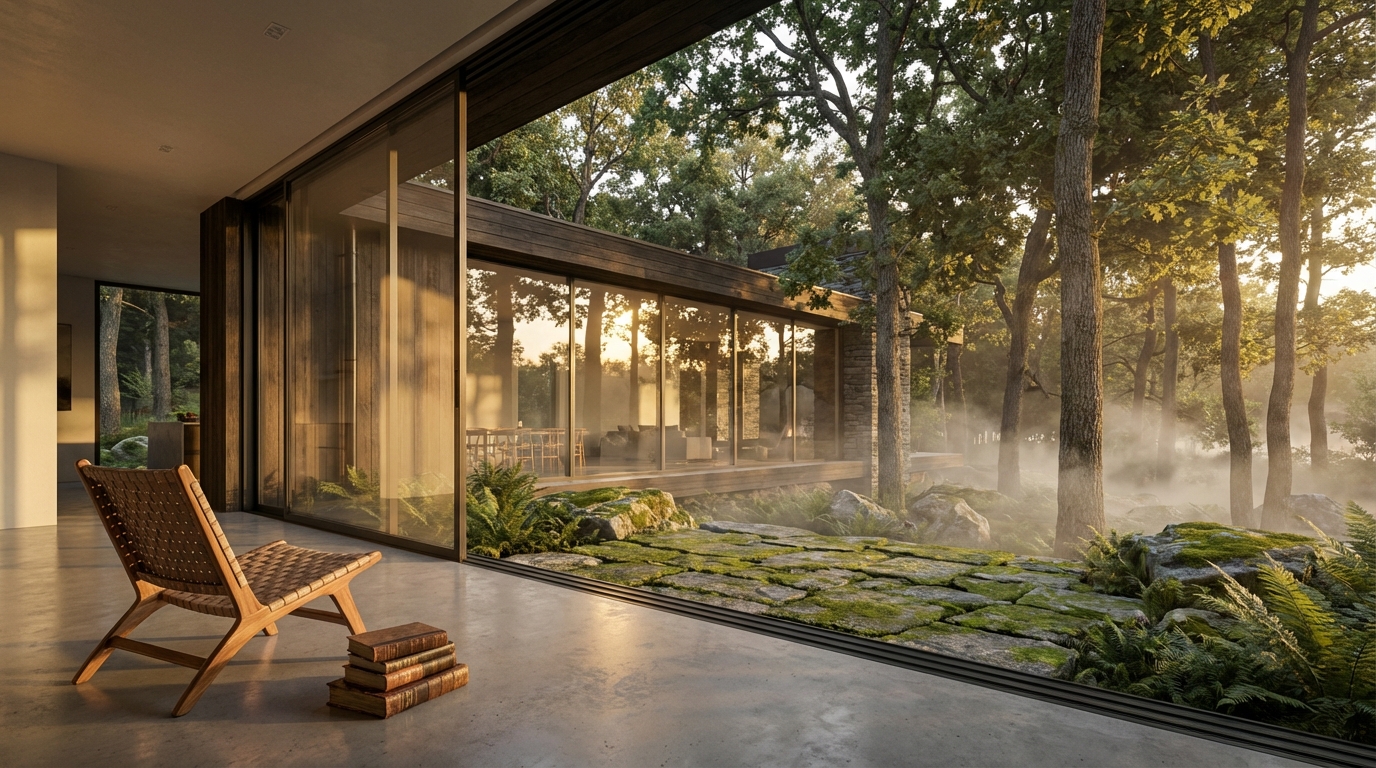
Your home is no longer a static box defined by four walls, but rather a breathing ecosystem where your private life and the outside world constantly mingle. You experience this every time you open a laptop on your kitchen table or tend to a windowsill garden, blurring the lines between the digital, the natural, and the domestic. This permeable threshold means that your sanctuary is not an escape from reality, but a specialized filter that lets you curate how you interact with the universe. By recognizing your living space as a fluid intersection of these forces, you can begin to see your daily habits as meaningful rituals of care and belonging.
The shift toward valuing the domestic sphere suggests that your true identity is forged in the quiet moments of nourishment and rest rather than in the public eye. You are the architect of a personal philosophy every time you arrange a room to facilitate a conversation or find peace in a sunlit corner. This perspective elevates the home from a mere utility to the primary site of human happiness and self-discovery. When you treat your dwelling as an extension of your inner self, you transform a physical structure into a metaphysical environment that supports your well-being.
Modern dwelling requires you to balance the constant influx of global information with the grounding presence of your immediate physical environment. You live in a world where social rhythms are no longer dictated by the city square, but by the connections you foster within your own walls. By intentionally shaping this ecological space, you create a refuge that remains open to the beauty of the world while protecting your personal peace. Your home functions as a living testament to how you choose to live, love, and exist in an increasingly interconnected age.
Designing A Domestic Space For The Soul
Your home is far more than a simple container for your belongings or a shelter from the elements. It functions as a metaphysical extension of your inner world, acting as a mirror that reflects your deepest values and your unique sense of self. When you curate your domestic space with intention, you are not just decorating, but rather performing a vital act of self-care that nourishes your soul. By acknowledging that your physical environment shapes our reality, you can begin to transform your rooms into sanctuaries of personal meaning. This shift in perspective allows you to view every piece of furniture and every choice of color as an expression of your internal identity.
The concept of home has long been overshadowed by the public sphere in traditional philosophy, yet it is actually the primary site where your happiness is cultivated. True well-being often begins in the most humble corners of your living space, such as the kitchen or the bedside, where nourishment and rest occur daily. When you treat these areas as sacred sites for human connection and reflection, you reclaim the domestic sphere as a place of intellectual and emotional significance. Designing for the soul means prioritizing how a space feels and functions for your spirit rather than following fleeting trends. This approach ensures that your home supports your growth and provides a stable foundation for your life in the outside world.
Creating a soulful environment requires you to look beyond mere aesthetics and consider how your surroundings resonate with your personal history and future aspirations. You might find that a specific texture or a family heirloom provides a sense of continuity and belonging that a mass-produced item cannot replicate. As you deliberately align your physical surroundings with your internal needs, you create a harmonious feedback loop between your mind and your habitat. This practice turns the act of living into a continuous philosophical inquiry, where your home becomes a living testament to who you are and who you wish to become. A well-designed home serves as a vital partner in your journey toward a more mindful and fulfilling existence.
Reclaiming the Domestic Center of Your Life
Embracing a philosophy of home allows you to reclaim the domestic sphere as the true center of your personal identity and well-being. When you shift your focus from the public demands of the city to the intimate rhythms of the kitchen and the garden, you begin to see your living space as a site of profound happiness. This perspective suggests that your most meaningful experiences of love and nourishment do not happen in the abstract, but within the walls you inhabit every day. By viewing your home through this metaphysical lens, you transform a simple physical structure into a sanctuary that actively reflects your inner life.
Cultivating this deeper sense of belonging requires a commitment to intentionality in your everyday choices and routines. You are not merely an occupant of a house, but a curator of an environment that shapes your character and your capacity for joy. As you align your aesthetic preferences with your personal values, you create a lived experience that feels both grounded and purposeful. This intentional approach ensures that every object and ritual serves to strengthen your connection to the place you call home. A well-considered philosophy of happiness empowers you to live with greater awareness and a renewed appreciation for the beauty found in domesticity.
Ultimately, understanding the philosophy of urbanism and its impact on the public sphere helps you better appreciate the unique sanctuary you build within your own four walls.
Frequently Asked Questions
1. What exactly is the difference between the polis and the oikos?
The polis represents your public life, including your career and civic duties in the city, while the oikos refers to the domestic sphere of the home. While society often prioritizes the public square, the oikos is actually the essential foundation where your identity and happiness are most deeply cultivated.
2. How does viewing my home as a laboratory of the soul change my daily routine?
When you treat your home as a laboratory, you stop seeing chores as distractions and start seeing them as meaningful rituals of self-discovery. This perspective allows you to experiment with how your physical environment and daily habits can actively shape your emotional well-being.
3. Is the philosophy of home just a fancy way of talking about interior design?
While interior design focuses on aesthetics, the philosophy of home explores the profound intellectual and emotional connection you have with your space. It moves beyond how a room looks to examine how that environment nourishes your soul and supports your capacity for love.
4. Why is the kitchen highlighted as a primary site for happiness?
The kitchen serves as the heart of the home because it is the central site of nourishment, creativity, and communal connection. It is where you transform raw materials into life-sustaining meals, making it a powerful symbol for how you create a meaningful life.
5. Can I still find fulfillment in my career if I adopt this domestic focus?
Absolutely, because prioritizing the home provides the emotional stability and clarity you need to succeed in the public world. By grounding yourself in the domestic sphere, you return to your professional life with a stronger sense of purpose and a more resilient identity.
6. How can I begin applying these philosophical concepts to my own living space?
You can start by mindfully observing how different areas of your home influence your mood and your interactions with others. Shift your mindset to view your home as the primary source of your joy rather than just a place to sleep between workdays.