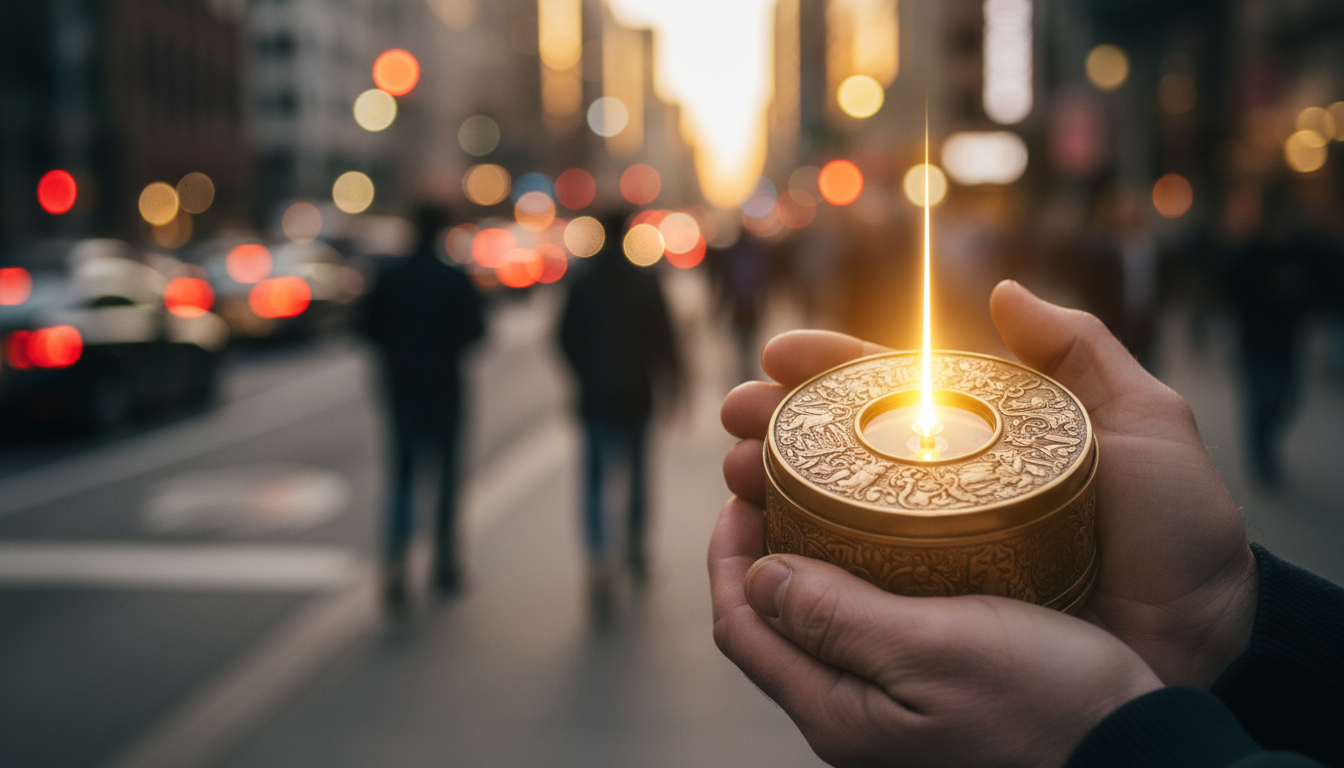

You likely know the bittersweet pull of an old song or the scent of a childhood home, but have you ever considered the moral weight behind those memories? While we often view these moments as harmless daydreams, the emerging study of the ethics of nostalgia suggests that your longing for the past is actually a powerful social force. Recent research reframes nostalgia as a moral emotion that can bridge gaps between people, fostering empathy and encouraging you to be more charitable toward others.
When you look back at the past, you aren’t just retreating from the present; you are engaging in a process that shapes how you treat the world around you today. By highlighting shared human experiences, this sentiment has the potential to reduce prejudice and inspire deep prosocial behavior. However, understanding this influence requires a careful balance, as the same feeling that builds community can also be leveraged to drive complex social and political shifts.
Key Takeaways
- Nostalgia functions as a powerful moral emotion that fosters empathy and encourages prosocial behaviors such as charitable giving and community cooperation.
- Revisiting cherished memories acts as a psychological bridge that reduces prejudice by highlighting shared human experiences across different backgrounds.
- Ethical remembrance requires a careful balance between enjoying personal history and maintaining a critical awareness of past systemic injustices to avoid romanticizing a regressive or exclusionary version of history.
- Intentional reflection on the past serves as a moral compass that transforms private sentiment into a tangible commitment to act with integrity and kindness in the present.
Nostalgia As A Catalyst For Prosocial Empathy
When you pause to revisit a cherished memory of a childhood holiday or a shared meal with old friends, you are doing more than just daydreaming. Research increasingly shows that these moments of personal nostalgia function as a moral compass, grounding you in a sense of belonging that naturally extends outward to others. By visualizing the people who once supported and cared for you, your brain strengthens its capacity for empathy and social connection in the present. This internal process acts as a psychological bridge, transforming a private sentiment into a tangible desire to act with kindness toward those around you today.
These nostalgic reflections often serve as a powerful motivator for prosocial behavior, such as charitable giving or community cooperation. When you remember the warmth of a past connection, you are more likely to seek out ways to replicate that harmony within your current social circles. Studies have demonstrated that inducing a nostalgic state can actually reduce prejudice and encourage you to be more open to people from different backgrounds. By focusing on the shared human experience of love and loss found in your history, you become more equipped to treat strangers with the same compassion you once received.
Choosing to engage with your past in this way allows you to harness nostalgia as a tool for moral growth rather than just a retreat from the present. It encourages you to look at your personal timeline not as a lost paradise, but as a reservoir of emotional strength that fuels your generosity. When you recognize that your own identity was built through the kindness of others, you feel a natural responsibility to pay that kindness forward. This transformation of memory into action proves that looking backward can be one of the most effective ways to move toward a more cooperative and empathetic future.
The Moral Crisis Of Social Intelligibility

When you look back at the past, you often find yourself seeking a sense of social intelligibility that feels increasingly absent from modern life. You might feel a tension between the rapid, often jarring shifts in contemporary culture and the perceived stability of the world you once knew. This longing is not just about missing old technology or fashion, but rather a desire for a time when the rules of engagement and moral boundaries felt clearly defined. In this context, your nostalgia acts as a psychological anchor, providing a sense of order when the present feels too complex to manage.
Choosing to view the past as a safer moral harbor can be a comforting response to the exhaustion of constant social change. You likely find that your memories prioritize communal bonds and shared understandings, which can actually foster prosocial behaviors like empathy and cooperation in your current life. By reflecting on these meaningful connections, you reinforce your own moral identity and find the strength to engage with others more charitably. However, you must also recognize the risk of romanticizing history so deeply that you ignore the progress made in the present.
The challenge you face is balancing the warmth of your personal history with the ethical demands of a modern, diverse society. While your past provides a blueprint for human connection, it is important to ensure that your nostalgia serves as a bridge to others rather than a wall against progress. You can use the moral clarity of your memories to inspire better interpersonal relationships today without retreating into a version of history that never truly existed for everyone. Ultimately, understanding this tension allows you to appreciate the past as a source of strength while remaining an active, empathetic participant in our evolving world.
Navigating The Risks Of Historical Romanticization
When you look back at your personal history, it is natural to feel a warm glow of affection for the past. This type of reflection is often a moral emotion that helps you build empathy and feel more connected to your community. By recalling shared experiences, you can actually increase your prosocial behavior and find the motivation to be more charitable or cooperative in the present. However, you must be careful to distinguish between this healthy personal sentiment and a broader historical lens that ignores reality. The ethics of nostalgia require you to consider whether your longing for the past is based on a true account of history or a selective memory that favors your own comfort.
Historical romanticization becomes dangerous when you allow a filtered version of the past to erase the very real injustices that others experienced. While you might remember a specific decade for its vibrant culture or simpler lifestyle, those same years often contained systemic barriers and hardships for marginalized groups. When nostalgia is weaponized in a social or political context, it can drive a regressive desire to return to a time that was only better because certain voices were silenced. Navigating this risk means you must practice a more conscious form of reflection that acknowledges both the beauty and the pain of our collective history.
To engage with the past ethically, you should aim to view your memories as a bridge to understanding rather than a wall against progress. You can still cherish your favorite childhood traditions while simultaneously recognizing the social progress that has made the world more equitable today. This balanced approach allows you to enjoy the psychological benefits of nostalgia without falling into the trap of historical revisionism. By staying curious and critical, you ensure that your appreciation for yesterday does not come at the expense of a more inclusive and just tomorrow. This mindful practice transforms a simple emotion into a powerful tool for personal and social growth.
Cultivating Ethical Remembrance In A Changing World

When you look back at the past with affection, you are engaging in a powerful moral exercise that can actually strengthen your empathy for others. Research suggests that nostalgia is a social emotion, meaning it centers on your connections with people rather than just isolated events. By revisiting these meaningful memories, you can boost your capacity for prosocial behavior and find a renewed desire to support your community through charitable acts or cooperation. This internal process allows you to bridge the gap between your personal history and the collective well being of those around you today. You can use this sentimental energy to foster a more compassionate environment by recognizing the shared human experiences that link your past to the present.
Practicing ethical remembrance requires you to be mindful of how you romanticize history and whose stories are included in your reflections. It is easy to fall into the trap of a selective memory that ignores the struggles of marginalized groups in favor of a simpler, more comfortable narrative. To build a truly inclusive future, you must challenge yourself to look at the past with both love and critical honesty. This balanced approach helps you avoid the pitfalls of political regression while ensuring your nostalgia serves as a bridge rather than a barrier. When you invite diverse perspectives into your personal or community traditions, you transform a simple longing for yesterday into a tool for social progress.
You can actively cultivate this moral sensitivity by turning your nostalgic reflections into conversations that encourage intergroup contact and reduce prejudice. Use your favorite memories as a starting point to ask others about their own histories, looking for the common threads that unite different backgrounds. This practice helps you move beyond the gut feeling of a self centered view of time and allows you to appreciate the complex tapestry of human life. By choosing to remember with intention, you ensure that your love for the past contributes to a more equitable and caring society for everyone. Your personal journey through memory becomes a roadmap for creating a future that honors the dignity of all people.
Balancing Your Memories with Moral Clarity
Navigating the ethics of nostalgia requires you to find a delicate balance between the warmth of your memories and the reality of the present. While it is natural to seek comfort in the familiar sights and sounds of your youth, you have a responsibility to ensure this longing does not cloud your moral judgment. When you romanticize the past, you risk ignoring the systemic injustices or social struggles that existed alongside your favorite moments. By acknowledging that history was rarely as perfect as it feels, you can better understand the philosophy of history and enjoy your personal memories without endorsing the flaws of the era they came from. This conscious approach allows you to use the past as a source of personal strength rather than a shield against necessary social progress.
You can transform nostalgia into a powerful force for good by focusing on the prosocial elements that define your most meaningful reflections. When you revisit the past, try to prioritize the feelings of connection, empathy, and community that those memories evoke in your heart. Research suggests that these peopled memories can actually decrease prejudice and inspire you to act more charitably toward those around you today. By channeling the love you felt in the past into your current interactions, you ensure that your sentimentality serves a higher purpose. Your goal is to carry the best versions of yesterday forward to help build a more compassionate and inclusive world for everyone.
Embracing the ethics of nostalgia means you are no longer a passive observer of your own history but an active participant in your moral growth. You must constantly ask yourself if your longing for the past is helping you connect with others or if it is creating an unnecessary divide. When you use your memories to bridge gaps and foster understanding, you turn a simple emotion into a tool for ethical living. This practice requires intellectual rigor, but it rewards you with a deeper sense of integrity and a clearer vision for the future. Ultimately, your ability to integrate the lessons of the past with the demands of today determines the true value of your nostalgia. This shift in perspective aligns with the ethics of care, emphasizing that our moral lives are rooted in the relationships we maintain across time.
Frequently Asked Questions
1. What exactly does it mean to say nostalgia has a moral weight?
Nostalgia is more than a simple daydream because it functions as a moral emotion that actively shapes your character and social interactions. When you revisit meaningful memories, you are reinforcing the values and connections that guide how you treat others in your daily life.
2. How can looking at the past make me a more empathetic person today?
By visualizing the people who cared for you in the past, you strengthen your brain’s capacity for social connection and emotional resonance. This psychological bridge allows you to take the warmth from your memories and extend it to those around you, reducing prejudice and fostering deeper understanding.
3. Does nostalgia actually lead to real world actions like charity?
Yes, research shows that nostalgic reflection is a powerful motivator for prosocial behavior and community cooperation. When you feel grounded by your own history, you are statistically more likely to engage in charitable giving and seek out ways to help your neighbors.
4. Is it possible for nostalgia to be used in a negative or manipulative way?
While nostalgia builds community, it is a complex social force that can be leveraged to drive specific political or social shifts. It is important to maintain a careful balance, ensuring your longing for the past inspires kindness rather than creating exclusive barriers against others.
5. Why do shared memories help reduce prejudice between different groups?
Nostalgia highlights universal human experiences that transcend individual differences and social divisions. By focusing on these common threads of the human story, you can find a sense of belonging that makes it easier to relate to people from diverse backgrounds.
6. Can I use nostalgia as a tool for my own personal growth?
You can use your past as a moral compass by intentionally reflecting on moments of harmony and support. These reflections help you replicate positive social patterns, transforming your private sentiments into a tangible desire to act with integrity and compassion.