
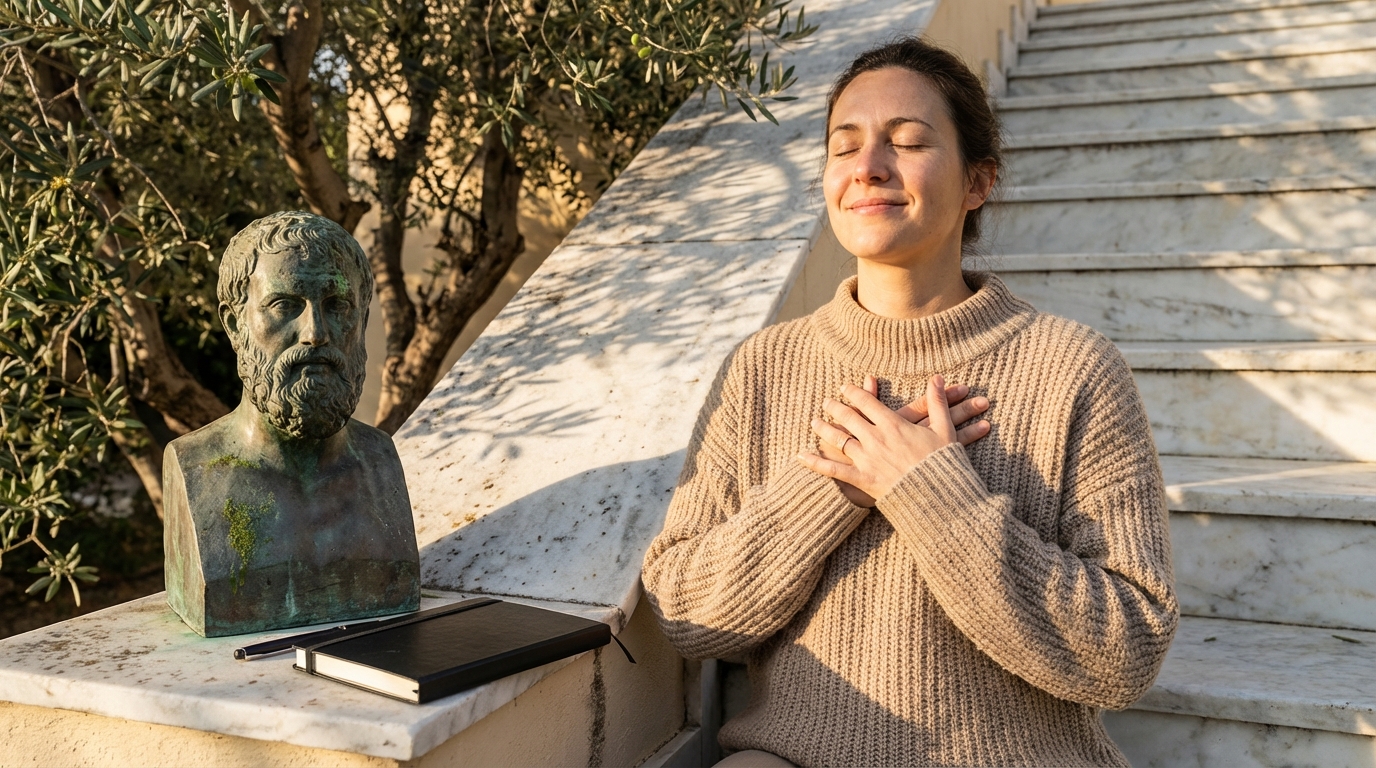
Have you ever stopped to wonder why saying “thank you” feels like much more than just polite manners? The philosophy of gratitude reveals that this simple act taps into a profound moral virtue and a complex cognitive state. While ancient thinkers long debated its role in human ethics and social obligation, modern neuroscience is now proving what those early minds suspected all along. You might be surprised to learn that true appreciation fundamentally rewires how you experience the world around you.
As you examine this intersection of mind and morality, you will discover that gratitude takes two distinct forms. There is the targeted appreciation you feel toward a specific person for an intentional kindness, and then there is the broader, quiet thankfulness you experience just knowing a beautiful state of affairs exists. Understanding these subtle philosophical distinctions does more than satisfy your intellectual curiosity. It equips you with a deeper, data-driven framework for cultivating lasting well-being and meaning in your daily life.
Key Takeaways
- Gratitude exists in two distinct forms: prepositional gratitude directed at a specific benefactor, and propositional gratitude, which is a broader appreciation for positive states of existence.
- Treating thankfulness as a deliberate cognitive discipline rather than a passive emotion interrupts the human cycle of craving and shifts your mental focus to present blessings.
- Integrating mindful appreciation into your daily routine acts as a direct antidote to life’s inherent suffering by anchoring you in present reality.
- Consistently practicing both targeted and broad gratitude actively rewires your brain to recognize abundance, reduce stress, and build long-term emotional resilience.
Prepositional Vs Propositional Gratitude
When you think about gratitude, you likely picture a scenario where someone does you a favor and you say thank you. Philosophers call this prepositional gratitude, a specific relationship where you are grateful to a benefactor for a particular action. However, Western moral psychology and Eastern wisdom traditions both point to a broader experience known as propositional gratitude. This second type occurs when you are simply grateful that a positive state of affairs exists, like appreciating a beautiful sunset or feeling glad that your family is safe. You do not need a specific person to thank to feel this deep sense of appreciation.
Understanding this philosophical distinction shifts how you approach your daily well-being. By embracing propositional gratitude, you bridge the gap between Western ethical obligations and Eastern mindfulness practices. You are no longer limited to waiting for a kind deed from another person to trigger a sense of thankfulness. Instead, you can actively cultivate a profound appreciation for life itself by noticing the good things that simply exist around you. This cognitive shift allows you to experience gratitude as a constant state of mind rather than just a transactional response to a gift.
Recognizing both forms of gratitude empowers you to build a richer and more resilient emotional life. You can still honor the moral virtue of prepositional gratitude by deeply acknowledging the people who support you. At the same time, you can lean on propositional gratitude during quiet moments to find joy in your present circumstances. Balancing these two distinct cognitive states ensures that you are constantly nourishing your mental health. This expanded view transforms thankfulness into a practical tool for everyday wisdom.
Stoic Frameworks For Daily Appreciation

When you explore the Stoic philosophy of gratitude, you quickly discover it is much more than a fleeting emotional reaction to a kind gesture. Ancient thinkers viewed this practice as a vital moral virtue and a deliberate cognitive discipline requiring daily cultivation. Instead of waiting for a specific person to give you something, you can practice propositional gratitude. This simply means choosing to be thankful that certain states of affairs exist, like having a warm home or experiencing a sunny day. By treating appreciation as an active duty rather than a passive feeling, you take control of your psychological well-being.
Applying this ancient Western wisdom involves intentionally shifting your mental spotlight away from the things you currently lack. Human nature often traps you in a cycle of desiring new achievements or possessions, but Stoicism teaches you to pause and deeply value what you already have. You can practice this by setting aside time each morning to reflect on the simple realities you typically take for granted. When you train your mind to focus on these present blessings, you interrupt the endless craving for more. This deliberate shift in perspective transforms ordinary moments into profound sources of contentment and joy.
This structured approach to thankfulness bridges Western ethical traditions with Eastern mindfulness practices. Both philosophical realms suggest that true happiness stems from a disciplined mind rather than unpredictable external circumstances. Modern moral psychology supports this ancient framework, showing that a consistent gratitude practice rewires your brain for better emotional resilience. As you make this intentional appreciation a daily habit, you build a sturdy foundation for long-term psychological health. Mastering this virtue allows you to handle daily challenges with a grounded, peaceful, and fully engaged spirit.
Buddhist Perspectives On Thankfulness And Suffering
When you look beyond Western ethical frameworks, you find profound wisdom in Eastern traditions that treat gratitude as a direct antidote to life’s inherent suffering. Buddhist philosophy teaches that dissatisfaction is a natural part of the human experience, but it also offers practical tools to ease this burden. Instead of viewing thankfulness merely as a social obligation, you can use it as a mindful practice to anchor yourself in the present reality. By focusing your attention on the simple fact that you are alive and breathing, you shift your mindset away from constant wanting and toward deep appreciation. This intentional shift helps you break the cycle of craving, allowing you to experience genuine peace even when external circumstances are difficult.
Integrating this mindful appreciation into your daily routine transforms how you interact with the world around you. In philosophical terms, this aligns closely with propositional gratitude, where you are simply thankful that a certain state of affairs exists rather than thanking a specific benefactor. You might pause during a busy morning to appreciate the warmth of your coffee or take a moment to notice a quiet breeze outside your window. These small acts of awareness train your brain to recognize the good that already exists, bridging the gap between moral psychology and everyday well-being. As you continually practice this form of gentle observation, you will discover a profound sense of acceptance that softens the sharp edges of daily stress.
Embracing this philosophy of gratitude empowers you to redefine your relationship with adversity. Instead of fighting against the inevitable challenges of life, you learn to meet them with a grounded and resilient spirit. This practical everyday wisdom does not ask you to ignore your pain, but rather invites you to balance it with a recognition of life’s accompanying gifts. By making thankfulness a core component of your mental habits, you build a sustainable foundation for long-term emotional well-being. This ancient approach to mindful appreciation guides you toward a more centered and harmonious way of living.
Uncovering Your Complete Philosophy of Gratitude
As you reflect on the philosophy of gratitude, the profound insights from both Eastern and Western traditions offer a complete picture of appreciation. Western thinkers have long emphasized the moral duty of gratitude, viewing it as a vital social glue that binds you to those who offer intentional kindness. In contrast, Eastern philosophies often frame thankfulness as a deep recognition of your interconnectedness with the world around you. By blending these perspectives, you uncover a comprehensive framework where gratitude is both a specific response to a benefactor and a broader appreciation for existence itself. Understanding these historical roots helps you see that giving thanks is far more than a simple polite gesture.
Modern moral psychology unites these ancient frameworks with data-driven science to explain exactly why this virtue transforms your overall well-being. When you actively practice appreciation, you are rewiring your brain to recognize positive social bonds and internalize a sense of abundance. Researchers have found that this cognitive shift reduces stress, fosters resilience, and deepens your connection to your community. You begin to experience gratitude not just as a fleeting emotion, but as a stable trait that continuously shapes your everyday worldview. This powerful intersection of philosophy and psychology proves that shifting your focus toward the good can fundamentally alter your mental health.
Weaving this deep moral psychology into your daily routine is the key to building lasting happiness. You can start simply by pausing each morning to acknowledge one specific act of kindness from a friend or one small detail of your environment that brings you peace. Cultivating this gentle habit allows you to anchor yourself in the present moment while honoring the unseen networks of support that surround you. Over time, these small moments of deliberate thankfulness accumulate into a highly resilient foundation of joy. By embracing both the targeted appreciation of Western thought and the holistic mindfulness of Eastern traditions, you empower yourself to live a truly fulfilling life.
Frequently Asked Questions
1. What exactly is the philosophy of gratitude?
The philosophy of gratitude goes beyond simple polite manners to explore how appreciation acts as a profound moral virtue and a complex cognitive state. When you practice it, you are engaging in a deeply rooted ethical tradition that fundamentally rewires how you experience the world around you.
2. How does gratitude affect your brain?
Modern neuroscience proves that true appreciation actively rewires your brain and alters how you perceive your surroundings. By consistently practicing thankfulness, you can create a data-driven framework for cultivating lasting well-being and finding deeper meaning in your daily life.
3. What is prepositional gratitude?
Prepositional gratitude is the specific, targeted appreciation you feel when someone does you a favor or shows intentional kindness. In this scenario, you have a direct relationship with a benefactor who receives your thanks for a particular action.
4. What does propositional gratitude mean?
Propositional gratitude is a broader, quiet thankfulness you experience simply because a positive state of affairs exists. You do not need a specific person to thank for this feeling, which allows you to deeply appreciate things like a beautiful sunset or the safety of your family.
5. Why is understanding the two types of gratitude important for your well-being?
Recognizing the difference between targeted thanks and broad appreciation shifts how you approach your daily life. Embracing both forms equips you with a deeper understanding of your own mind, helping you build lasting happiness without always needing a specific person to thank.
6. How have different traditions viewed the practice of gratitude?
Ancient thinkers have long debated the role of gratitude in human ethics and social obligation. Today, you can see how both Western moral psychology and Eastern wisdom traditions align to highlight the profound impact that broad appreciation has on your overall happiness.
7. How can you cultivate a deeper sense of gratitude in your daily routine?
You can start by actively noticing both intentional acts of kindness from others and the beautiful states of affairs that naturally exist around you. Acknowledging these everyday moments will help you build a stronger ethical foundation and a healthier cognitive state.