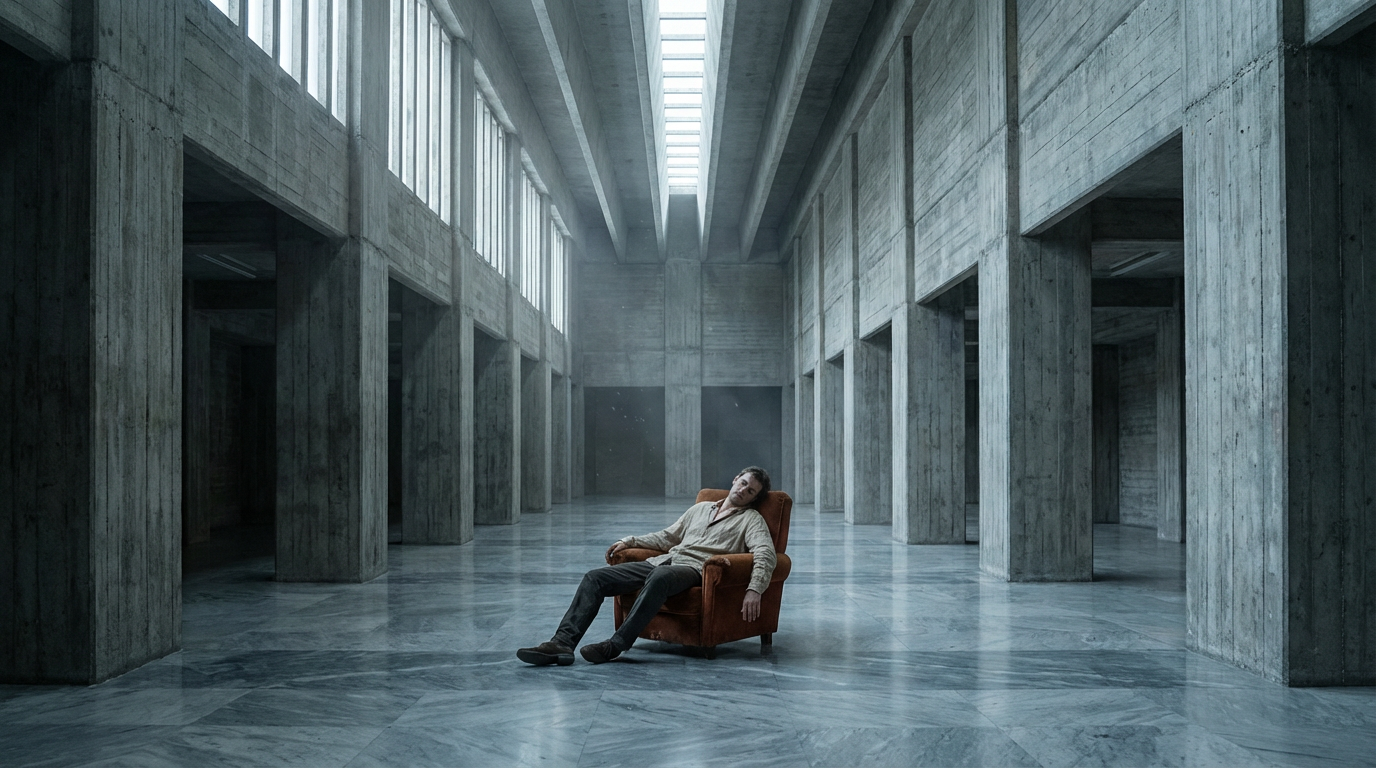
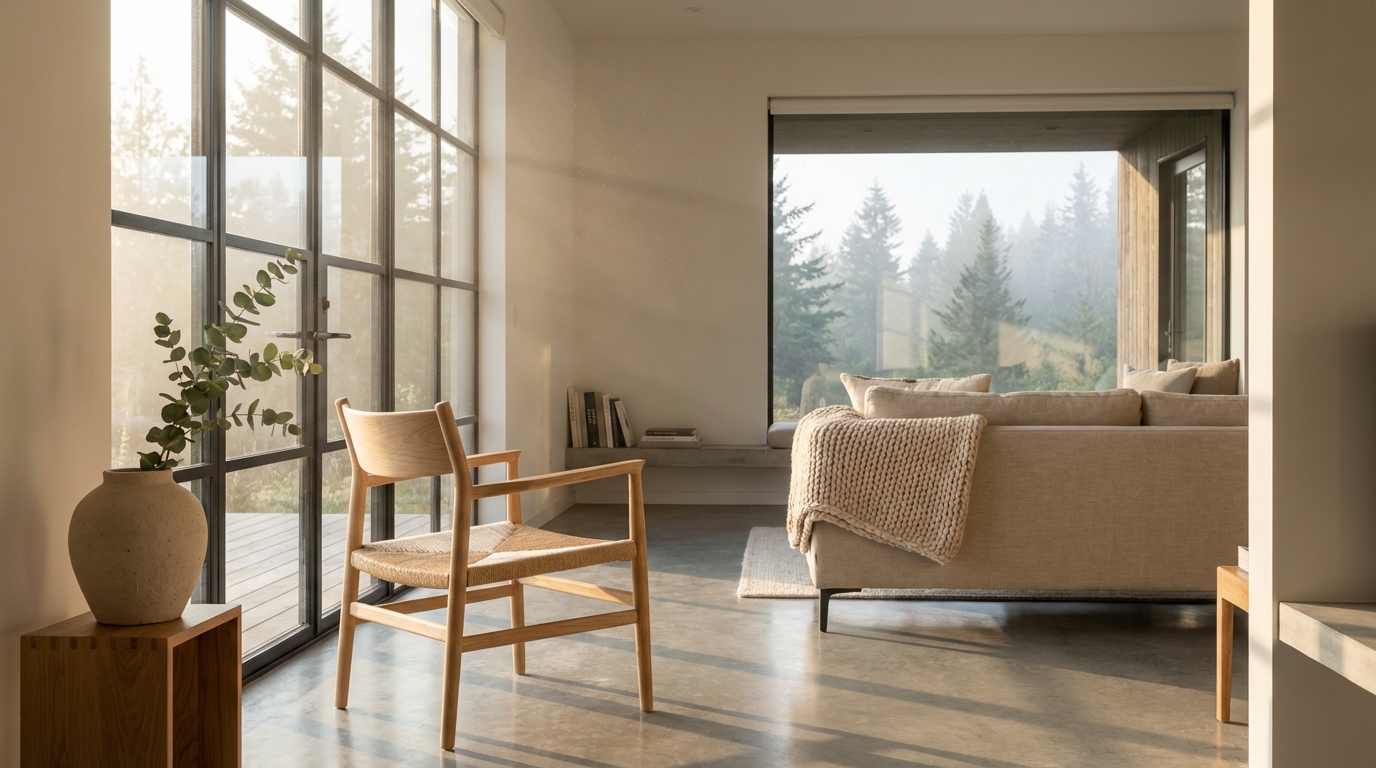
You likely feel the constant pressure to accumulate more, yet find that a growing collection of possessions rarely leads to lasting fulfillment. This tension is where the philosophy of minimalism offers a transformative alternative, shifting your focus from the quantity of your belongings to the quality of your experiences. By choosing to live with only what adds genuine value, you create the necessary mental and physical space to pursue personal growth and deeper relationships.
Living intentionally requires you to examine the underlying why behind every object and commitment in your life. This mindset goes far beyond simple home organization. It is a rigorous practice of aligning your daily actions with your core values. When you strip away the non-essential, you reveal a lifestyle defined by clarity, functionality, and a profound sense of purpose.
Key Takeaways
- Minimalism is an ethical and aesthetic framework that shifts your focus from the quantity of belongings to the quality of experiences and personal growth.
- True intentionality requires a rigorous evaluation of the ‘why’ behind every possession and commitment to ensure they align with your core values.
- Rejecting passive consumerism in favor of quality over quantity reclaims the mental energy and physical space necessary to pursue intellectual depth and meaningful relationships.
- Minimalism is a lifelong, dynamic discipline of auditing your environment to maintain a life defined by clarity, purpose, and personal autonomy.
Intentionality as the Foundation of Minimalist Ethics
When you decide to embrace minimalism, you are doing much more than just cleaning out a closet or organizing a shelf. You are stepping into a framework of minimalist ethics where every choice becomes a reflection of your deepest values. This shift requires you to move away from the habit of passive consumption, where items enter your life without much thought or scrutiny. By practicing intentionality, you begin to question the purpose of every object and commitment, ensuring they serve a specific function or bring genuine joy. This transition turns your living space into a curated gallery of your priorities rather than a storage unit for unexamined impulses.
Living with intentionality means you must evaluate the true utility of your possessions through a lens of intellectual rigor. You might find that many of the things you own are simply placeholders for a lifestyle you no longer lead or aspirations that do not belong to you. When you apply this conscious decision making to your schedule and relationships, you reclaim the mental energy previously lost to clutter and distraction. This process is not about deprivation or living in an empty room, but rather about creating a meaningful environment that supports your personal growth. By choosing quality over quantity, you align with your core values and a higher standard of aesthetic and ethical integrity.
Rejecting Consumerism Through the Lens of Aesthetic Simplicity
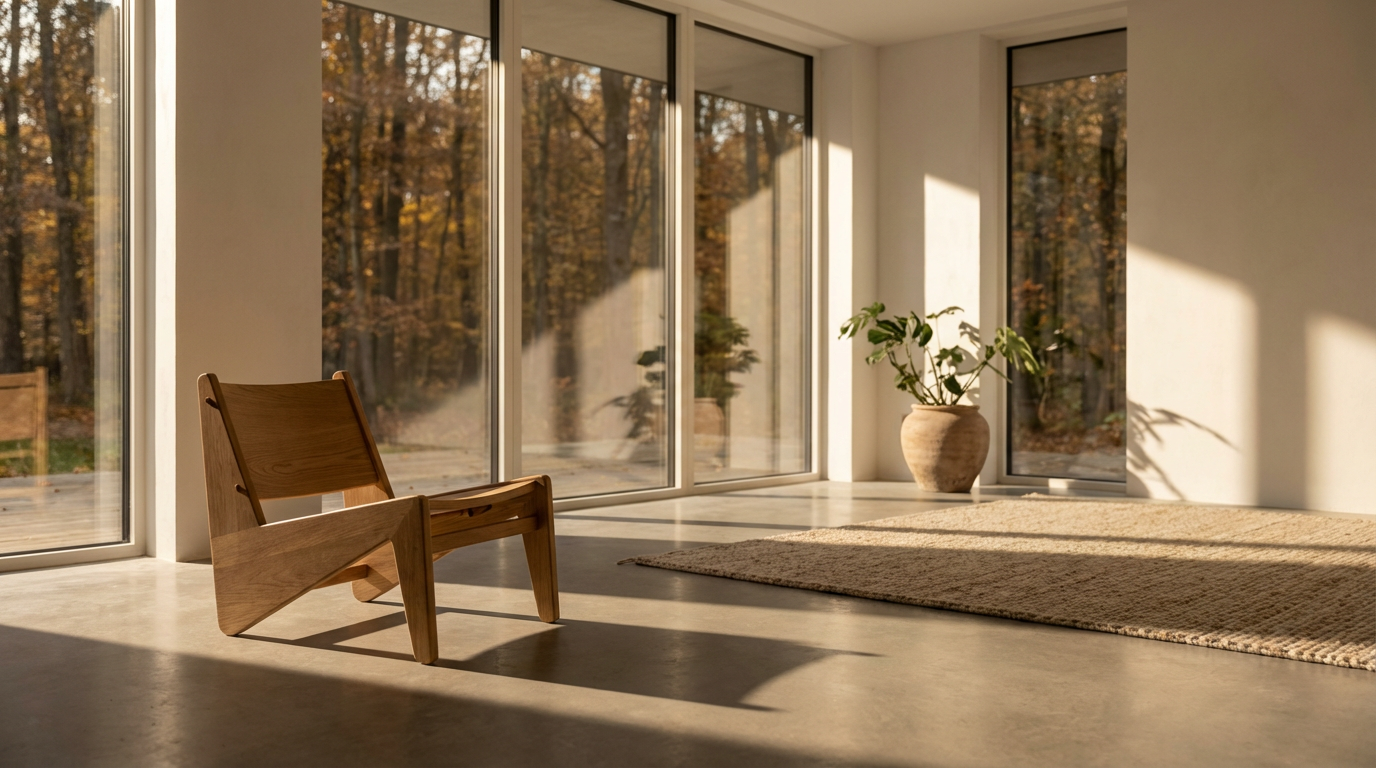
When you look back at the historical roots of minimalist design, you discover that the movement was never just about bare walls or empty rooms. Figures like Ludwig Mies van der Rohe championed the idea that stripping away the superfluous allows the inherent quality of an object to shine. This aesthetic approach invites you to shift your perspective from quantity to quality, teaching you that a single well crafted item holds more value than a dozen disposable ones. By exploring the branches of philosophy, you begin to see that beauty exists in the essential functions of the things you choose to keep. This shift in mindset empowers you to appreciate the structural integrity and purpose of your surroundings rather than seeking constant novelty.
Breaking free from the cycle of endless accumulation requires a deliberate marriage of aesthetics and ethics. Consumer culture often suggests that your identity is tied to the volume of your possessions, but minimalist philosophy offers a liberating alternative. When you prioritize intentionality, you stop being a passive recipient of marketing trends and start becoming a curator of your own life. This practice of self-examination does not ask you to live in deprivation, but rather to find a profound sense of peace in having just enough. By choosing to own only what adds genuine value, you create the mental and physical space necessary for personal growth and meaningful experiences.
Cultivating Personal Freedom and Intellectual Depth Through Less
When you embrace the philosophy of minimalism, you are doing much more than just tidying up a room. You are engaging in a sophisticated ethical practice that prioritizes intentionality over the mindless accumulation of objects. By stripping away the non-essential, you reveal the true architecture of your values and create a physical environment that reflects your internal goals. This deliberate shift from quantity to quality of your experiences allows you to reclaim your time and energy from the demands of consumerism. You begin to see that every object you own carries a silent weight, and releasing that weight is the first step toward true personal autonomy.
The resulting mental expansion provides you with the clarity needed to pursue intellectual depth and foster more meaningful relationships. When your surroundings are no longer cluttered with distractions, your mind is free to engage with complex ideas and creative pursuits that were previously buried under daily chaos. This newfound space acts as a sanctuary for self reflection, helping you to understand who you are outside of your possessions. You will find that your connections with others become deeper when you are fully present rather than preoccupied by the maintenance of a heavy lifestyle. Ultimately, this journey of subtraction leads to a life of profound addition, where your experiences and growth take center stage.
Cultivating Minimalism as a Lifelong Practice
Embracing the philosophy of minimalism is not a destination you reach by clearing a shelf, but rather a lifelong journey of aligning your external environment with your internal convictions. As you move through different stages of life, your values will naturally shift and evolve, requiring a constant practice of intentionality to stay on track. This ongoing process invites you to regularly audit your surroundings and your schedule to ensure they still serve your highest purpose. By applying logical simplicity and viewing minimalism as a dynamic discipline, you transform the act of letting go into a powerful tool for self-discovery. Each conscious choice you make reinforces the bridge between who you are and how you show up in the world every day.
This pursuit of simplicity offers you the rare opportunity to live with ethical and aesthetic consistency in a world that often demands mindless consumption. When you choose quality over quantity, you are making a profound statement about what you believe is truly essential for a flourishing life. This alignment reduces the friction between your daily habits and your deepest aspirations, fostering a sense of peace that permeates your entire routine. You eventually find that the space you create is not empty, but rather filled with the freedom to pursue growth and meaningful connection. Ultimately, your commitment to a minimalist lifestyle serves as a testament to your desire for a life lived with depth, clarity, and unwavering integrity.
Frequently Asked Questions
1. What is the core philosophy behind a minimalist lifestyle?
Minimalism is the practice of shifting your focus from the quantity of your belongings to the quality of your experiences. It is a transformative approach that helps you create physical and mental space by keeping only what adds genuine value to your life.
2. How does intentionality differ from simple home organization?
While organization focuses on where things go, intentionality examines the underlying reason why an object exists in your space at all. It is a rigorous practice of aligning your daily actions and possessions with your core values to ensure every item serves a specific purpose.
3. Can minimalism help me find more fulfillment in my daily life?
By stripping away the non-essential, you reveal a lifestyle defined by clarity and a profound sense of purpose. This process allows you to reclaim your time and energy to pursue personal growth and deeper relationships rather than managing a collection of possessions.
4. What are minimalist ethics and how do they impact my choices?
Minimalist ethics turn every choice you make into a reflection of your deepest values. This framework moves you away from passive consumption and requires you to evaluate the true utility of your commitments through a lens of intellectual rigor.
5. How do I determine which items in my home are truly essential?
You must question the purpose of every object to see if it serves a specific function or brings genuine joy. Many items are simply placeholders for lifestyles you no longer lead, so identifying these allows you to curate a space that reflects your actual priorities.
6. Does minimalism apply to areas of life beyond physical belongings?
Yes, the same principles of conscious decision making apply to your schedule and your relationships. When you apply this mindset to your time, you reclaim your life from unexamined impulses and focus on what truly matters to you.