

You might remember a time when a plastic garden gnome or a velvet painting was something to hide in the attic, but today, these objects are taking center stage in a surprising cultural shift. The aesthetics of kitsch, once dismissed as mere “trash” or a lapse in judgment, have been reclaimed as a powerful tool for emotional expression and personal identity. Instead of the cold, sterile minimalism that defined the last decade, you are likely finding yourself drawn to objects that prioritize immediate joy and sentimental warmth.
This evolution marks a move away from ironic smirks toward a sense of unapologetic sincerity. When you choose a piece of kitsch, you aren’t just buying a mass-produced trinket; you are opting for “fluent processing,” which is an experience that is easy for your brain to enjoy and instant in its emotional payoff. In a world that often feels overly complex, embracing bold dopamine colors and nostalgic motifs allows you to curate a space that feels authentically human.
Key Takeaways
- The modern embrace of kitsch represents a shift from cold, sterile minimalism toward ‘dopamine decor’ that prioritizes immediate joy and emotional warmth.
- Kitsch utilizes ‘fluent processing’ to offer an instant emotional payoff through bold, saturated colors and easily recognizable forms that bypass intellectual scrutiny.
- True kitsch is defined by unapologetic sincerity and sentimental connection, distinguishing it from ‘camp,’ which relies on ironic detachment and theatrical performance.
- Reclaiming mass-produced or ‘tacky’ objects is a sophisticated act of self-care that rejects rigid cultural hierarchies in favor of authentic personal expression.
Defining The Visual Language Of Kitsch
To identify the visual language of kitsch, you must first look for an unapologetic embrace of bold, saturated colors that demand your immediate attention. These palettes often lean into what designers call dopamine colors, using vibrant pinks, electric blues, and sunny yellows to bypass intellectual scrutiny and trigger an instant emotional response. You will notice that forms are frequently exaggerated or oversized, favoring a sense of hyper-reality that feels more vivid than daily life. By prioritizing this high-contrast aesthetic, kitsch creates a world where every object is designed to be loud, legible, and instantly recognizable. This clarity of form ensures that you do not have to work hard to understand the message, as the visual cues are engineered for effortless processing.
When you examine these objects closely, you will see a deliberate rejection of the “less is more” philosophy in favor of a crowded, maximalist charm. Kitsch often utilizes clashing patterns and nostalgic motifs, such as ceramic figurines or ornate floral prints, to evoke a sense of cozy familiarity. Instead of seeking the cold, detached beauty of the sublime, this style invites you into a space of sentimental warmth and playful artifice. You are encouraged to find joy in the mundane and the mass-produced, recognizing that “bad taste” is often just a label for art that dares to be accessible. By celebrating these cluttered and colorful details, you can begin to appreciate how kitsch serves as a sincere bridge between our everyday lived experiences and our deepest emotional needs.
Distinguishing Sincere Kitsch From Ironic Camp
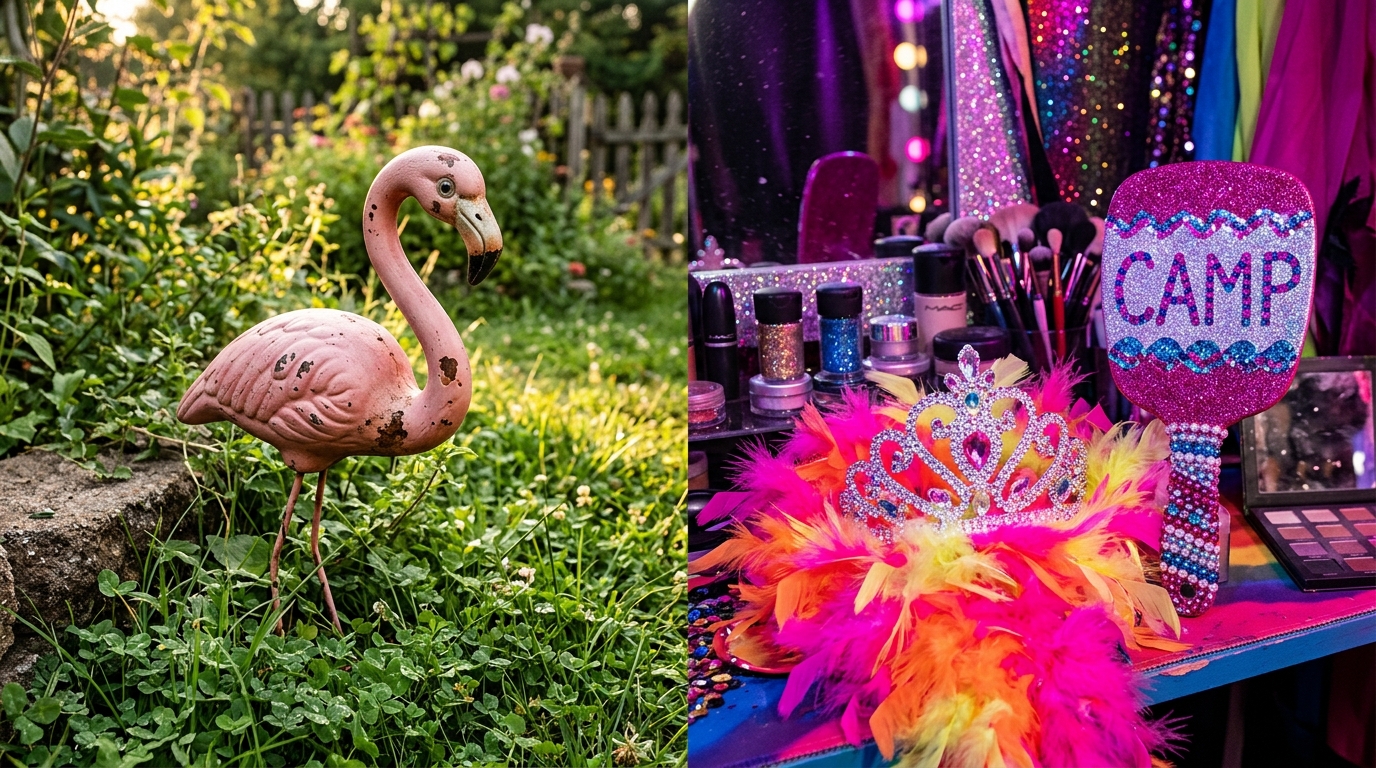
To understand the difference between kitsch and camp, you must first look at the intention behind the object. Sincere kitsch, like that classic ceramic garden gnome or a faded postcard of a sunset, operates without a wink or a nudge. It invites you to embrace a straightforward emotional response, leaning into a sweetness that feels comforting rather than calculated. When you display a piece of kitsch, you are often celebrating a memory or a simple aesthetic joy that requires no intellectual defense. This unapologetic sincerity is what makes kitsch so powerful in a world that often feels cold and overly polished.
Camp, on the other hand, requires a layer of self-aware performance that changes how you interact with the object. When you engage with camp, you are participating in a theatrical exaggeration of bad taste, often using irony to distance yourself from the sentimentality. While kitsch wants you to feel something genuine, camp wants you to notice the artifice and the “too muchness” of the presentation. It is the difference between loving a velvet painting because it reminds you of home and displaying it precisely because it is wonderfully garish. By recognizing this distinction, you can better understand why certain items resonate with your soul while others simply make you smile.
Navigating The Modern Revival Of Dopamine Decor
You might have grown up hearing that certain objects were in bad taste or represented the shallow nature of mass production. For decades, the aesthetic of kitsch was dismissed as cultural trash because it prioritized immediate sentimentality over complex intellectual depth. However, you are now witnessing a fascinating shift where these once mocked items are being reclaimed as tools for emotional authenticity. Instead of viewing a plastic garden gnome or a velvet painting as a failure of high art, you can see them as bridges to a more approachable and joyful form of expression. This evolution moves away from the cold distance of irony and toward a sincere appreciation for the objects that make us feel something instantly.
Embracing dopamine decor allows you to break free from the rigid rules of sterile minimalism that have dominated interiors for years. When you embrace clashing patterns and bold, nostalgic motifs, you are participating in a sophisticated rebellion against the idea that art must be difficult to be valuable. Modern designers are using these exaggerated forms to create spaces that prioritize human comfort and sensory delight over perfection. By integrating pieces that were once considered mundane or cheap, you are actually curating an environment that reflects your intentional style and emotional needs. This approach proves that what was once called mud can actually be the foundation for a vibrant and deeply meaningful lifestyle.
Finding Meaning In Mass Produced Sentiment
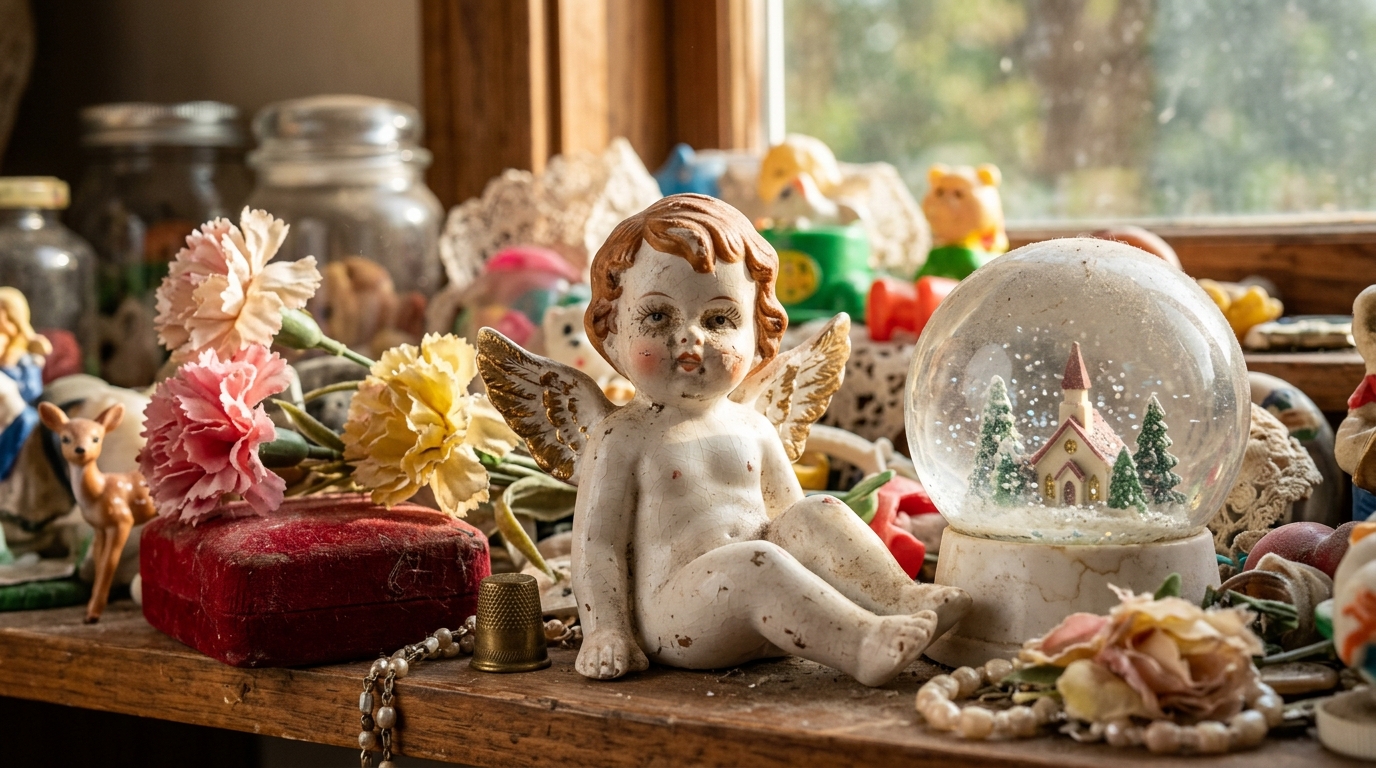
You might find yourself wondering why a mass-produced porcelain figurine or a brightly colored garden gnome suddenly feels like a lifeline in a chaotic world. These objects offer what psychologists call fluent processing, meaning they are incredibly easy for your brain to digest and understand without any intellectual strain. When you are faced with global uncertainty or existential stress, your mind naturally craves the immediate emotional gratification that kitsch provides. Instead of demanding a deep analysis of complex metaphors, these items offer a straightforward sense of comfort and familiarity. They act as a visual rest stop, allowing you to recharge by engaging with something that is unapologetically simple and sweet.
Traditional cultural hierarchies often tell you that these sentimental items are examples of bad taste, but you can choose to see them as tools for emotional survival. By embracing the aesthetics of kitsch, you are rejecting the cold and sterile minimalism that has dominated design for the last decade. You are finding beauty in imperfection and the very things society once labeled as trash or mere clutter. This shift toward sincerity allows you to build a personal environment that feels warm, lived in, and deeply reflective of your own history. When the world feels heavy, the lighthearted charm of a nostalgic trinket can ground you in a way that high art sometimes cannot.
Finding meaning in these mundane objects is not about ignoring quality, but rather about prioritizing your own well-being and emotional connection. You are participating in a cultural movement that values how an object makes you feel over its perceived prestige or intellectual depth. These mass-produced pieces of sentiment serve as anchors, helping you move through modern life with a sense of playfulness and joy. By surrounding yourself with things that spark instant happiness, you create a sanctuary that protects you from the pressures of the outside world. Ultimately, your choice to find beauty in the common and the cute is a powerful act of self-care and personal expression.
Reclaiming Beauty Through the Joy of Kitsch
Embracing the aesthetics of kitsch allows you to dismantle the rigid cultural hierarchies that often dictate what qualifies as good or bad taste. By finding value in a mass-produced ceramic figurine or a vibrant, sentimental postcard, you reclaim your right to define beauty on your own terms. This shift away from sterile minimalism helps you reconnect with objects that spark genuine joy rather than those that simply fit a curated social standard. You are no longer performing a role for an audience of critics, but rather surrounding yourself with items that speak to your philosophy of home and emotional needs.
Choosing sincerity over ironic detachment transforms your living space into a sanctuary of authentic self-expression. When you lean into the familiar comfort of bold colors and nostalgic motifs, you acknowledge that art does not always need to be intellectually demanding to be meaningful. This focus on the heart over the head serves as an anchor in an increasingly digital world, offering a tactile and emotional groundedness that high art sometimes lacks. Just as you might explore the philosophy of clothing to define your identity, your decor choices act as a manifesto for your inner world. Ultimately, your willingness to celebrate the mundane proves that true sophistication lies in the ethics of nostalgia and the courage to love what you love without apology.
Frequently Asked Questions
1. What exactly defines the aesthetics of kitsch in a modern home?
You can identify kitsch through its use of bold, saturated dopamine colors and exaggerated forms that demand your immediate attention. It is a style that prioritizes immediate emotional impact and sentimental warmth over the cold, stripped-back look of traditional minimalism.
2. Why am I suddenly drawn to objects that used to be considered tacky?
You are likely experiencing a shift toward unapologetic sincerity where you value joy and personal identity over high-brow approval. These objects offer fluent processing, which means your brain can easily enjoy them without the need for complex intellectual analysis.
3. How does kitsch differ from the minimalism of the last decade?
While minimalism follows a “less is more” philosophy, kitsch embraces abundance and hyper-reality to create a space that feels authentically human. You are choosing high-contrast visuals and nostalgic motifs that provide an instant emotional payoff rather than sterile, neutral environments.
4. What is the benefit of using dopamine colors in my living space?
Vibrant pinks, electric blues, and sunny yellows are engineered to trigger an instant positive response in your nervous system. By surrounding yourself with these bold hues, you create an environment designed to boost your mood and bypass the stress of everyday life.
5. Is embracing kitsch just a way of being ironic?
Actually, the modern reclamation of kitsch is about moving away from the ironic smirk and toward genuine emotional expression. When you display a velvet painting or a garden gnome, you are making a sincere statement about what brings you comfort and happiness.
6. How can I incorporate kitsch without my home feeling cluttered?
You should focus on selecting pieces that have strong visual clarity and recognizable forms to ensure the space remains legible. By choosing objects with a clear message and vivid colors, you can curate a collection that feels intentional and vibrant rather than messy.