

You likely grew up hearing that being vulnerable is a sign of weakness or a trait reserved only for the victims of circumstance. However, a modern shift in the philosophy of vulnerability suggests that your susceptibility to change and harm is not a flaw, but a fundamental part of being human. By recognizing that we are all inherently exposed to one another through our physical bodies, you can begin to see vulnerability as the very foundation of how you relate to the world around you.
This perspective moves beyond simple self-help and enters the realm of deep ethical responsibility. When you accept that dependency is a universal human condition rather than a personal failing, it reshapes how you view social justice and your duty to care for others. Understanding this framework allows you to move through a complex world with more empathy, positioning your shared fragility as a powerful catalyst for political and personal connection.
Key Takeaways
- Vulnerability is an inescapable ontological state rooted in the physical body, making human dependency a natural truth rather than a personal flaw or sign of weakness.
- Distinguishing between inherent human fragility and systemic injustice is essential for identifying which hardships are natural and which are manufactured by unfair social policies.
- Accepting universal dependency transforms individual vulnerability into a foundation for ethical responsibility, driving the need for supportive social structures and mutual care.
- Radical openness serves as a bridge to authentic connection, replacing the myth of self-sufficiency with a more resilient and compassionate way of relating to others.
Ontological Vulnerability And The Shared Human Body
You might often think of vulnerability as a personal flaw or a temporary state of weakness, but philosophers suggest it is actually your natural state of being. This perspective, known as ontological vulnerability, argues that because you possess a physical body, you are inherently open to the world and to the influence of others. You are not a self-sufficient island, but rather a breathing, sensing person whose very survival depends on a constant exchange with your environment. This shared physical exposure means that being affected by someone else is not a failure of boundaries, but a fundamental truth of your existence.
When you embrace this idea, you begin to see that your dependency on others is actually a beautiful source of human connection. Because every person shares this same bodily fragility, we are all woven into a social fabric that requires mutual care and responsibility. This shift in thinking invites you to view your needs not as a burden, but as the primary reason we build communities and support systems. By acknowledging that you are naturally exposed to those around you, you can move away from the pressure of total independence and toward a more compassionate, authentic way of living.
Understanding your inherent vulnerability allows you to move through the world with a deeper sense of empathy and ethical purpose. Instead of trying to shield yourself from the influence of others, you can recognize that your openness is what makes love, friendship, and social justice possible. This philosophy offers a refreshing bridge between academic ethics and your daily life, proving that your physical limitations are actually the foundation of your greatest strengths. When you accept that being vulnerable is a universal human condition, you can finally appreciate the profound value of being truly open to the people in your life.
Distinguishing Situational Vulnerability From Systemic Injustice
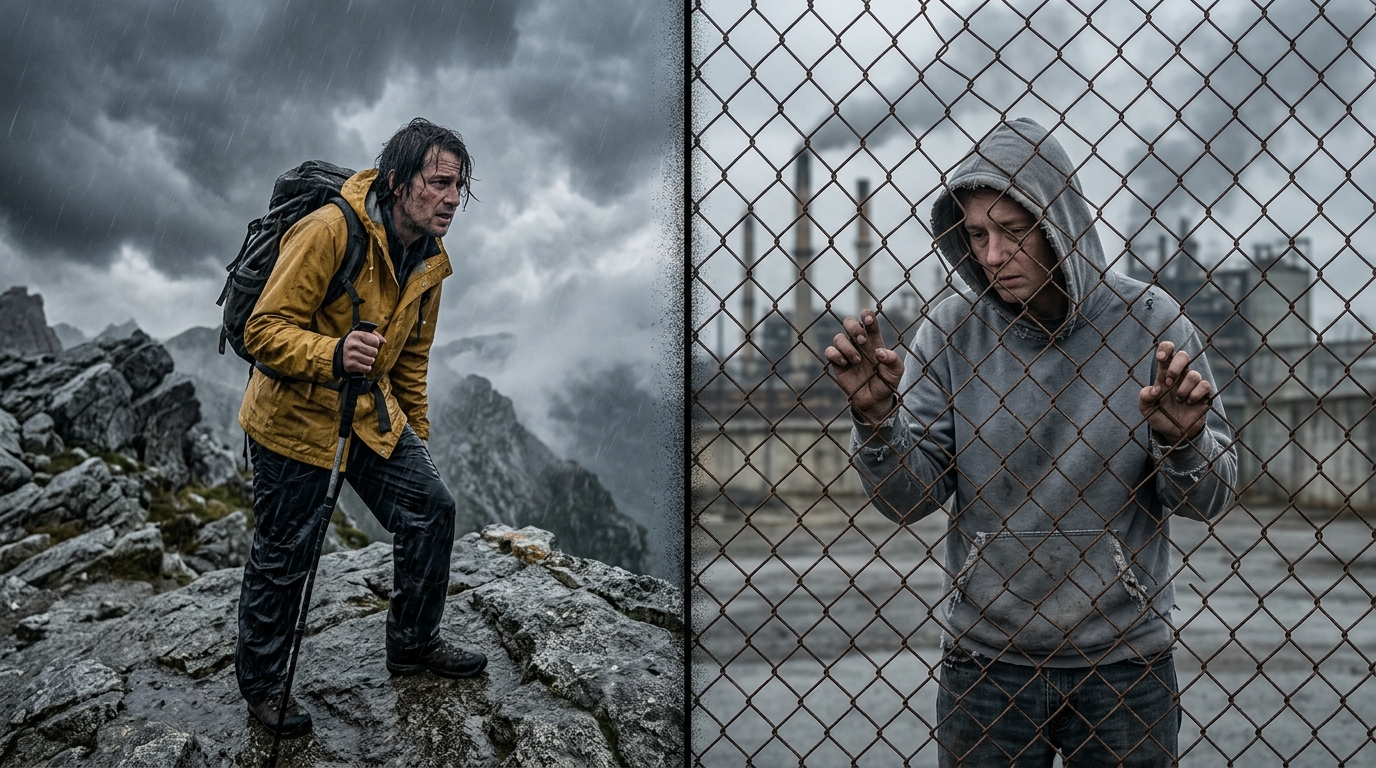
Understanding the difference between ontological vulnerability and systemic injustice is key to moving through the modern world with both empathy and clarity. You can think of ontological vulnerability as the beautiful, inescapable reality of being human, which includes your capacity to feel, to love, and to be affected by the world around you. It is the shared baseline of our existence that allows us to connect deeply with others because we all know what it feels like to be fragile. This type of openness is not a flaw to be fixed, but rather the very foundation of our social and ethical lives. When you embrace this side of yourself, you recognize that needing others is a strength that fosters community and mutual care.
While our shared humanity makes us all vulnerable in a general sense, systemic injustice creates specific, manufactured hardships that are not distributed equally. You might notice that while everyone can experience grief or illness, certain social structures make some people far more susceptible to harm than others based on their environment or background. This is what scholars often call situational vulnerability, where unfair policies or social biases strip away the safety nets that should protect us. Distinguishing between the two helps you see that while we must accept our natural fragility, we should actively work to dismantle the man-made barriers that cause unnecessary suffering. By recognizing this distinction, you can honor your personal sensitivity while also advocating for a world that treats everyone with greater fairness.
Relational Vulnerability As A Bridge To Ethical Connection
You might think of vulnerability as a lack of armor, but in a philosophical sense, it is actually the very thing that allows you to connect with the world around you. When you acknowledge that you are inherently open to being affected by others, you move away from the idea of the self as a closed, independent unit. This shared susceptibility creates a powerful common ground, reminding you that everyone you meet carries the same capacity for joy, pain, and dependency. By embracing this openness, you transform a perceived weakness into a sturdy foundation for genuine empathy and mutual understanding.
This shift in perspective does more than just improve your personal relationships; it serves as a vital catalyst for social justice and ethical responsibility. When you view vulnerability as a universal human condition rather than a temporary state of victimhood, you begin to see why we have a collective duty to care for one another. You realize that because we are all physically and emotionally exposed to our environments, creating fair and supportive social structures is a moral necessity. This realization bridges the gap between your private life and your public ethics, encouraging you to advocate for a world that honors our shared fragility.
Choosing to lead with openness allows you to build deeper, more authentic bonds that are stripped of the usual pretenses of self-sufficiency. You start to see that true strength lies in the courage to be seen as you are, which in turn invites others to drop their own defenses. This relational bridge fosters a sense of belonging that is rooted in honesty rather than a curated image of perfection. Ultimately, by leaning into your own vulnerability, you create a space where ethical connection can flourish, making your life and your community more resilient and compassionate.
Embracing Vulnerability as Your Existential Strength
Reframing your perspective on vulnerability allows you to see it not as a personal failing, but as a courageous act of existential strength. When you accept that being human means being inherently exposed to change and the influence of others, you stop wasting energy on building defensive walls. This shift in thinking transforms your susceptibility into a powerful tool for building genuine connections and moving through the world with an open heart. By embracing this universal condition, you move away from the myth of total independence and toward a more honest way of being. You begin to see that your capacity to be affected by the world is actually what makes your experiences meaningful and your relationships deep.
Living with this philosophical awareness helps you cultivate a life that is both more authentic and ethically grounded. When you acknowledge your own radical vulnerability, you naturally develop a greater sense of empathy and responsibility toward those around you. You realize that everyone you encounter is experiencing the same fundamental state of openness and dependency, which redefines success through community and connection. This shared human experience becomes the foundation for a more compassionate social life where vulnerability is celebrated as a bridge rather than a barrier. Ultimately, choosing to remain open to the world ensures that you are living fully, allowing you to lead a life that is as resilient as it is connected.
Frequently Asked Questions
1. What exactly does it mean to be ontologically vulnerable?
Ontological vulnerability means that your susceptibility to change and harm is a permanent part of your nature as a human being. Because you have a physical body, you are naturally open to the world and the influence of others, making this state an inescapable truth rather than a temporary weakness.
2. Is being vulnerable the same thing as being weak?
No, vulnerability is actually a fundamental human trait that serves as the foundation for all your connections. While society often frames it as a flaw, recognizing your inherent fragility allows you to live more authentically and build deeper relationships with the people around you.
3. How does this philosophy change the way I view my independence?
It shifts your perspective from seeing yourself as a self-sufficient island to recognizing that you are part of a web of mutual dependency. You begin to understand that needing others is not a personal failure, but a natural result of being a sensing, physical person in a shared world.
4. Why do philosophers link our physical bodies to social responsibility?
Because your body is inherently exposed to others, your survival and well-being depend on the care and actions of those around you. This shared physical fragility creates an ethical duty for you to care for others, as we are all woven into the same social fabric. Some thinkers even argue for the case for care through gentle interventions that protect our collective well-being.
5. How can embracing vulnerability help me navigate social justice issues?
When you accept that dependency is a universal human condition, you can view social justice through a lens of shared fragility and empathy. This framework positions your common humanity as a powerful catalyst for political change and helps you advocate for systems that support everyone’s needs.
6. Can I use this perspective to improve my personal relationships?
Yes, by understanding that being affected by others is a fundamental truth of existence, you can stop viewing emotional openness as a failure of boundaries. Embracing this shared exposure allows you to foster more meaningful connections and manage your personal life with greater empathy and grace.