

You likely think of your dinner as a simple matter of hunger or habit, but every bite you take is a profound statement of your values. The philosophy of food invites you to look past the plate and consider the complex web of ethics, metaphysics, and politics that defines your relationship with what you eat. While history’s greatest thinkers once dismissed taste as a mere bodily distraction, the modern world recognizes that your grocery list is a powerful tool for addressing global challenges like climate change and social justice.
When you choose a meal, you engage in a sophisticated form of aesthetics and moral decision-making that shapes the world around you. Whether you are weighing the environmental impact of industrial farming or rediscovering the beauty in a perfectly balanced flavor profile, you are participating in a rigorous intellectual tradition. Understanding these philosophical dimensions allows you to transform a routine necessity into a mindful practice that aligns your daily habits with your deepest convictions.
Key Takeaways
- Every meal is a moral act that connects personal consumption to global systems of animal welfare, human labor rights, and environmental sustainability.
- Food is a legitimate form of artistic expression, functioning as a multisensory medium that communicates complex ideas, cultural heritage, and emotional narratives.
- The act of eating is a site of identity construction, where personal history and ethical commitments are reflected and reinforced through culinary choices.
- Modern culinary metaphysics requires discerning the authenticity and ontological nature of food as biotechnology blurs the lines between organic and synthetic ingredients.
Beyond Taste: The Rise Of Gustatory Aesthetics
For centuries, you might have been told that true art is something you only see in a gallery or hear in a concert hall. Historical thinkers often dismissed the sense of taste as a lower, bodily function that lacked the intellectual depth required for serious aesthetic appreciation. You are now witnessing a significant shift in this perspective as modern philosophy reclaims the kitchen as a space for genuine artistic expression. By looking beyond the simple pleasure of a full stomach, you can begin to see how a chef uses flavor, texture, and aroma to communicate complex ideas and emotions. This evolution in thought invites you to treat your next meal not just as fuel, but as a sophisticated performance that engages your mind as much as your palate.
When you sit down to eat, you participate in a multisensory dialogue that carries deep cultural and symbolic weight. Modern gustatory aesthetics suggests that a dish can tell a story about heritage, innovation, or the relationship between humans and the natural world. You might find that a specific combination of ingredients evokes a sense of nostalgia or challenges your expectations in the same way a profound poem or painting does. By recognizing food as a medium for creativity, you elevate the act of eating into a form of intellectual inquiry. This perspective encourages you to appreciate the skill and intentionality behind every bite, transforming a daily necessity into a meaningful encounter with beauty and craftsmanship.
The Ethics Of Consumption And Moral Plate Choices
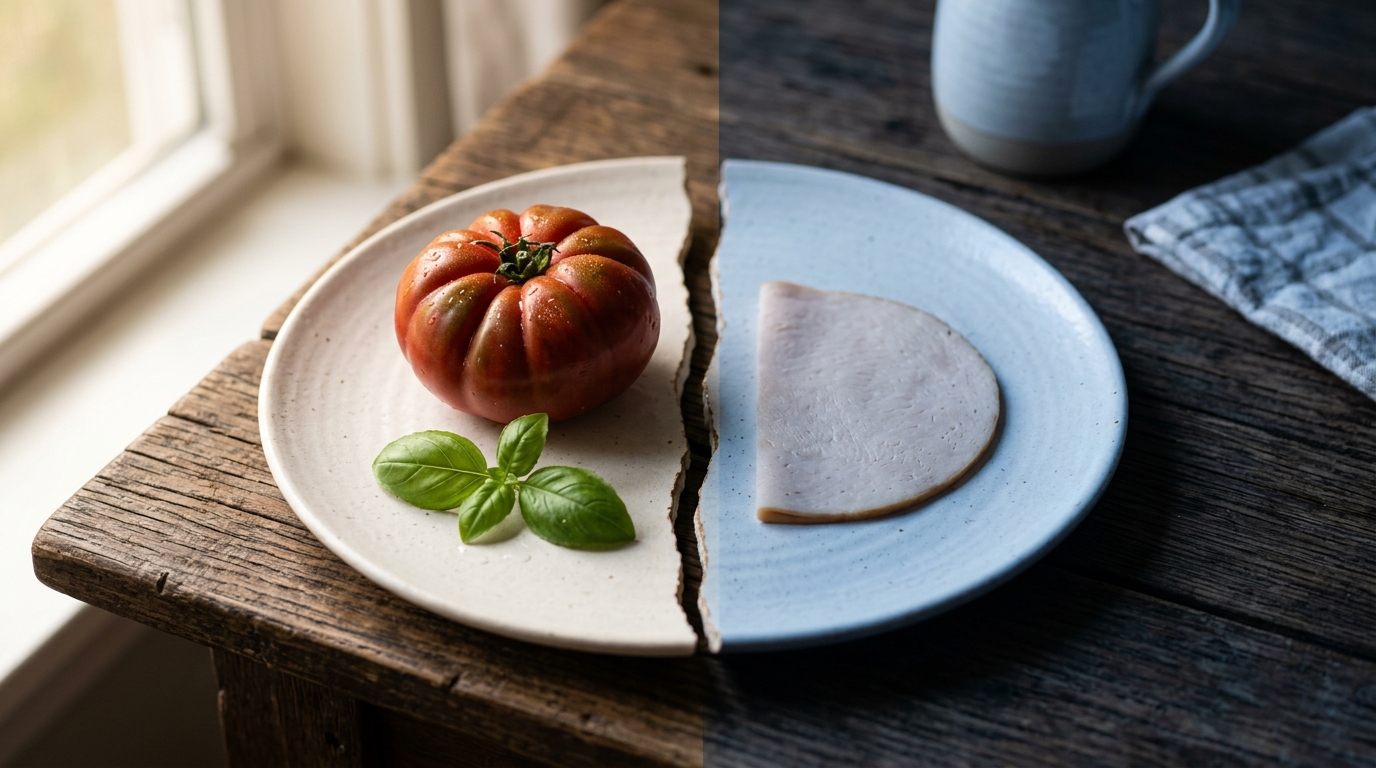
Every time you sit down for a meal, you participate in a profound moral act that connects your private life to global systems of production. Your plate is not just a source of nutrition, but a complex intersection of ethical choices regarding animal welfare and the dignity of human labor. When you choose certain ingredients, you are implicitly weighing the value of a creature’s life against the satisfaction of your palate. You also engage with the hidden lives of agricultural workers, whose rights and working conditions are often baked into the cost of your groceries. Understanding these connections helps you transform a routine necessity into a conscious expression of your personal values.
Beyond the immediate concerns of welfare, your diet carries a significant environmental footprint that shapes the future of the planet. Industrial farming practices often prioritize efficiency over ecological health, forcing you to consider how your appetite contributes to climate change and biodiversity loss. By examining the origins of your food, you begin to see how individual consumption acts as a vote for the kind of world you wish to inhabit. This perspective invites you to balance the aesthetic pleasure of a delicious meal with the responsibility of sustainable living. Embracing this philosophical approach allows you to find deeper meaning in every bite while acting as a more informed steward of the earth.
Culinary Metaphysics And The Search For Food Authenticity
When you sit down to a meal, you are likely focused on the flavor or the aroma, but have you ever considered the underlying essence of what is on your plate? Culinary metaphysics challenges you to look beyond the surface and define the ontological reality of your food. You might find yourself questioning whether a burger made from lab-grown cells carries the same identity as one sourced from a pasture. This inquiry forces you to decide if the naturalness of an ingredient is found in its biological origin or in its final chemical composition. By exploring these boundaries, you begin to see that eating is not just a biological act but a way of engaging with the very nature of existence.
The search for food authenticity often leads you into a complex debate between traditional heritage and modern technological innovation. You might wonder if a dish loses its soul when it is recreated through high-tech processing or if authenticity is simply a social construct we project onto our meals. As biotechnology blurs the lines between the organic and the synthetic, your role as a consumer becomes a philosophical journey of discernment. You are tasked with deciding which innovations respect the integrity of the ingredients and which ones transform food into something entirely different. This process helps you cultivate a deeper appreciation for the stories and structures that define your culinary experiences.
Edible Identity And The Social Ontology Of Dining

When you sit down for a meal, you are doing much more than simply refueling your body with calories and nutrients. Every dish you choose acts as a complex mirror, reflecting your cultural heritage, your ethical commitments, and your personal history. By analyzing the phrase you are what you eat through a philosophical lens, you begin to see that your plate is a site of identity construction where your identity is constantly being constructed. You are not just a passive consumer, but an active participant in a shared global narrative that links your private kitchen to distant agricultural traditions. This connection transforms a simple act of dining into a profound statement about who you are and where you belong in the world.
Your food traditions offer a unique entry point into understanding how aesthetics and ethics intersect in your daily life. When you prepare a recipe passed down through generations, you engage in a form of gustatory aesthetics that honors the wisdom of the past while shaping your current reality. These choices define your place within a global culture, as you navigate the tension between local authenticity and the vast influences of international trade. By being mindful of the origins and impacts of your ingredients, you elevate the experience of eating from a physical necessity to a sophisticated intellectual practice. This awareness allows you to appreciate the beauty in imperfection of a well crafted meal while acknowledging the social structures that brought it to your table.
Savoring the Art of Mindful Eating
By integrating these philosophical insights into your daily life, you can transform the routine act of eating into a profound form of self-expression and ethical engagement. When you view your plate through the lens of gustatory aesthetics, you begin to appreciate the complex harmony of flavors as a legitimate art form worthy of serious contemplation. This shift in perspective encourages you to slow down, savoring each bite while recognizing the cultural narratives and craftsmanship behind the ingredients. You are no longer just fueling your body, but rather engaging in a sensory dialogue that connects you to the wider world.
Every choice you make at the grocery store or dinner table serves as a practical application of your personal ethics and political values. By considering the origins of your food and the labor involved in its production, you transform a simple transaction into a meaningful stand for social justice and environmental sustainability. This mindful approach allows you to align your consumption habits with your deeper convictions, making each meal an opportunity to practice integrity. Recognizing the moral weight of what you consume empowers you to become an active participant in a global food system, rather than a passive observer.
Ultimately, embracing the philosophy of food invites you to find intellectual fulfillment in the most fundamental aspects of human existence. You can find beauty in the simplicity of a single ingredient and complexity in the traditional recipes passed down through generations. This newfound awareness turns every meal into a chance for discovery, sparking curiosity about how aesthetics and metaphysics shape our physical reality. As you move forward, let these philosophical tools guide you toward a more intentional and enriched relationship with the food that sustains you. Understanding your moral duty toward nature can further refine how you select ingredients that support a healthy ecosystem.
Frequently Asked Questions
1. What exactly does the philosophy of food involve?
The philosophy of food is the study of the ethical, metaphysical, and aesthetic choices you make every time you eat. It challenges you to look beyond simple hunger and examine how your diet reflects your personal values and your connection to the wider world.
2. Why was taste historically dismissed by great thinkers?
For centuries, many philosophers viewed taste as a lower bodily function that lacked the intellectual depth of sight or hearing. Modern thought has corrected this by recognizing that the kitchen is a space for genuine artistic expression and complex communication.
3. How does my grocery list relate to global politics?
Every purchase you make acts as a vote for the type of world you want to inhabit. By choosing certain products, you are navigating complex issues like climate change, social justice, and the environmental impact of industrial farming.
4. Can a meal really be considered a form of art?
Yes, a well crafted meal is a sophisticated performance that engages your mind through flavor, texture, and aroma. When you appreciate a dish, you are participating in a multisensory dialogue that carries the same intellectual weight as a painting or a symphony. You might even ask, does art merely imitate life, or does the chef create an entirely new reality through their craft?
5. How can I start practicing mindful eating from a philosophical perspective?
You can begin by slowing down and considering the origins and ethical implications of the ingredients on your plate. This transformation turns a routine necessity into a mindful practice that aligns your daily habits with your deepest convictions.
6. What is the connection between food and moral decision making?
Your food choices involve weighing the well being of others, including animals and workers, against your own desires. This process makes the dinner table one of the most frequent and important places where you exercise your moral agency.