
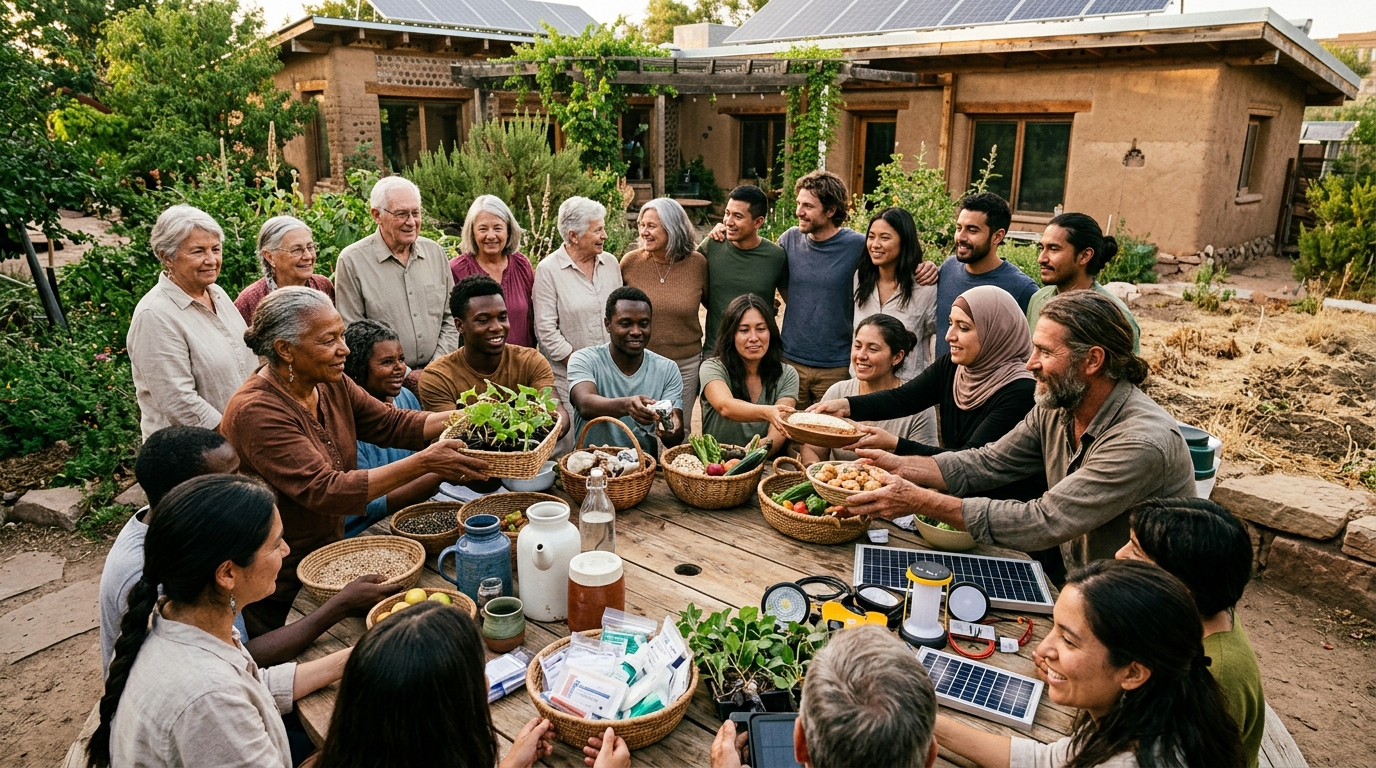
Justice is being tested on a global scale. The 2026 global justice initiatives are expanding access to legal identity, legal aid, community dispute resolution, gender-responsive services, and digital courts, bringing essential protections closer to people who have often been excluded. At the same time, conflict, political pressure on courts, attacks on rights defenders, and shrinking civic space are making accountability harder to secure.
Understanding these developments helps you see both the progress and the urgent gaps. From international courts and development programs to grassroots networks and national reforms, current efforts show how justice can become more accessible, responsive, and effective. They also raise a vital question: how do you strengthen institutions when the rule of law itself is under pressure?
Key Takeaways
- Global justice initiatives are expanding practical access to rights through legal identity, legal aid, community dispute resolution, gender-responsive services, and digital courts—especially for marginalized, displaced, and remote communities.
- Climate justice requires more than financial compensation: reparations should address historical responsibility, prioritize communities facing the greatest harm, share resources and technology fairly, and give affected people decision-making power.
- Accountability remains under severe pressure from conflict, political interference with courts, attacks on rights defenders, shrinking civic space, and weak enforcement of international law. Independent institutions, protected civil society, transparent data, and reliable remedies are essential.
- Justice initiatives succeed only when commitments become enforceable, adequately funded, transparent, and accessible in practice, with affected communities able to participate, challenge decisions, and receive fair outcomes.
UN SDG 16 And Global Accountability
UN Sustainable Development Goal 16 gives you a practical framework for understanding global accountability: peaceful societies, equal access to justice, effective institutions, and stronger human rights protections. In 2026, initiatives connected to this agenda are expanding legal identity programs, legal aid, community dispute resolution, and digital court services so more people can claim their rights and seek remedies. Justice data also matters because governments cannot address exclusion they fail to measure, particularly when women, displaced people, children, and marginalized communities remain absent from official systems. These efforts connect formal legal recognition with the everyday ability to participate in public life, resolve disputes, and challenge abuse.
The 2026 Climate Equity Summit has added urgency to debates about distributive justice, especially who should bear the costs of climate harm and who should control resources for recovery. Its emerging frameworks for international reparations invite you to look beyond compensation and consider fair access to land, finance, technology, public services, and decision-making power. Within the SDG 16 agenda, this means treating accountability as both legal and material. Institutions must investigate harm, protect affected communities, and deliver remedies that do not deepen existing inequalities. Climate justice is therefore closely tied to human rights, environmental rule of law, and transparent resource distribution.
Yet the distance between commitment and implementation remains substantial. Armed conflict, political interference with courts, attacks on human rights defenders, shrinking civic space, and weak enforcement of international law can turn strong principles into promises without protection. You may see new laws, courts, and reporting systems established while victims still face intimidation, high costs, discrimination, or long delays when seeking justice. Closing this gap requires independent judiciaries, reliable funding for legal aid, meaningful participation by affected communities, and justice data that reveals who is being left behind. Global accountability becomes credible only when institutions can confront powerful actors and deliver fair outcomes in practice.
Climate Equity Reparations Frameworks
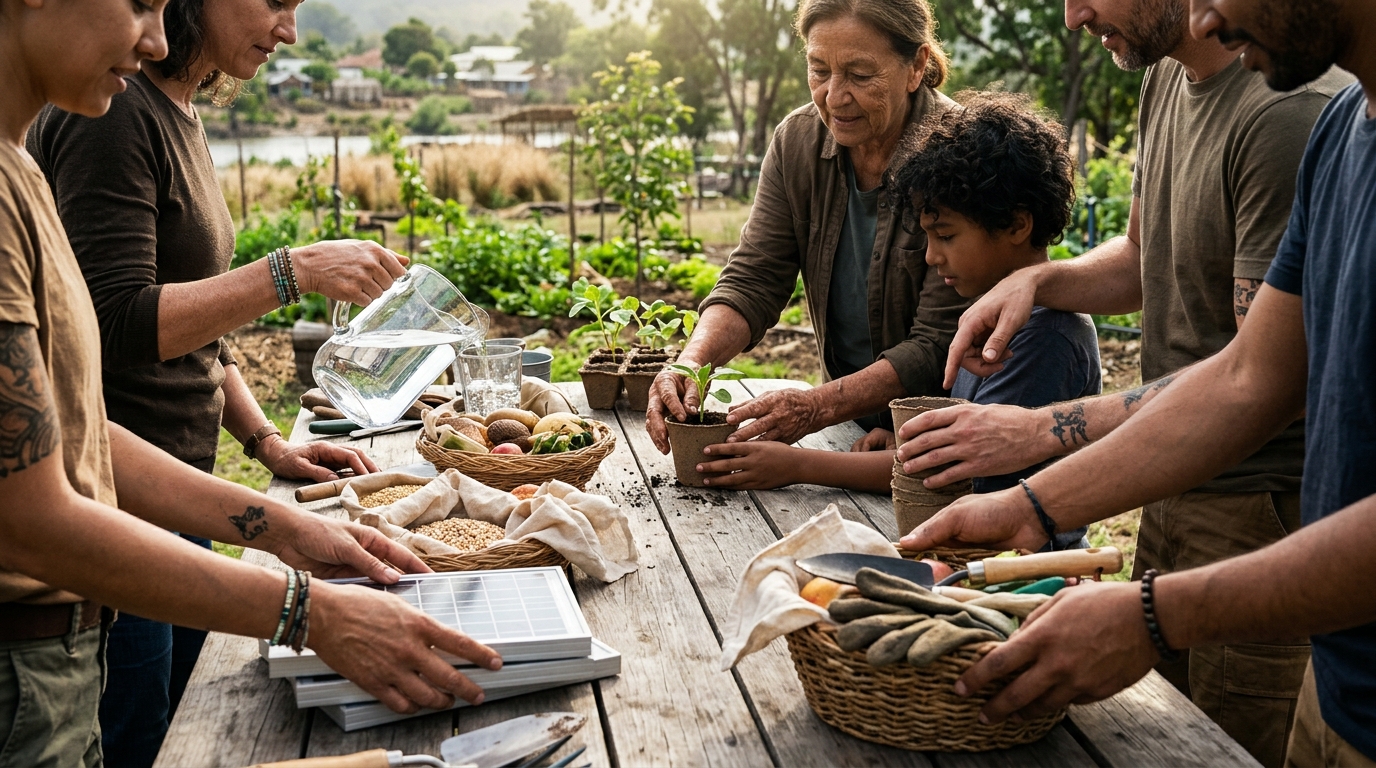
The 2026 Climate Equity Summit’s emerging frameworks ask you to see reparations as more than a transfer of money after harm has occurred. They connect historical emissions, colonial extraction, and present-day exposure to floods, heat, drought, and displacement, creating a broader account of responsibility. Under this view, climate justice may include debt relief, technology sharing, locally controlled adaptation funds, public health investment, and support for communities protecting vital ecosystems. The central principle is distributive justice: those with the greatest capacity and largest historical contribution should carry a greater share of the response. This approach also recognizes that affected communities should help define what repair means instead of receiving solutions designed without their consent.
For you, the framework makes the ethical question more concrete: how should wealthy states and corporations respond when environmental harms fall most heavily on people who contributed least to the crisis? Proposed answers emphasize transparent loss and damage systems, stronger corporate accountability, and funding that reaches Indigenous peoples, small-island communities, frontline workers, and other groups facing disproportionate risks. Reparations can involve restoring land rights, strengthening legal protections, transferring decision-making power, and acknowledging harms that cannot be fully priced. As conflict, political pressure, and weak enforcement continue to test international institutions, these ideas connect climate action to the wider 2026 global justice agenda. Their lasting significance will depend on whether philosophical commitments become enforceable obligations shaped by the communities they are intended to support.
Fair Resource Distribution Across Borders
The 2026 Climate Equity Summit has renewed attention to how international reparations and resource distribution can move from principle to practice. You can understand distributive justice as a framework that directs more support to communities facing the greatest harm while also considering historical responsibility and each country’s capacity to contribute. In climate finance, that could mean prioritizing adaptation grants for vulnerable states instead of relying mainly on loans that deepen debt. It also requires transparent rules, public reporting, and meaningful participation by the communities whose futures are being shaped.
Debt burdens, trade systems, and geopolitical power strongly influence whether these models deliver fair outcomes. When a government spends heavily on debt service, it has fewer resources for health, education, resilience, and essential infrastructure, even when its contribution to climate change has been relatively small. Debt restructuring, fairer access to development assistance, and technology-sharing agreements can help correct this imbalance, but only if they avoid imposing new conditions that limit democratic choice. You should also look for distribution systems that measure need locally instead of treating entire regions as uniform or assuming that economic growth alone will reach excluded communities.
Practical global justice initiatives increasingly connect resource allocation with accountability and rights protection. Legal identity, community participation, gender-responsive budgeting, environmental oversight, and accessible justice systems can help ensure that funding reaches people who are often overlooked. The same principle applies to technology, medicines, food, and clean energy: access should reflect urgency and vulnerability, not simply purchasing power or geopolitical influence. As the summit’s reparations frameworks develop, you can judge their promise by asking who decides, who pays, who benefits, and what remedies exist when commitments are not met.
Courts, Communities, And Climate Defenders
The 2026 Climate Equity Summit has brought distributive justice to the center of debates about climate action, reparations, and resource sharing. You can see this principle in proposals that ask who bears the greatest climate harms, who benefits from transition funding, and who should help shape the remedies. International courts and national judiciaries can give these claims legal force by recognizing environmental rights, reviewing government decisions, and holding public and private actors accountable. When courts work alongside community justice programs, legal aid, and civil-society networks, global justice principles become more meaningful in everyday life.
Environmental defenders and Indigenous communities are especially important to this effort because they often protect land, water, and cultural rights while facing intimidation or displacement. You may also see gender-responsive justice influencing how courts and community programs address climate loss, violence, property rights, and access to compensation. Digital court services can help people in remote areas submit claims, find legal information, or participate in hearings, but only when connectivity, language access, privacy, and disability inclusion are treated as rights rather than conveniences. These measures can widen participation while preserving community-led ways of resolving disputes.
The same initiatives face serious risks as civic space shrinks and attacks on judges, journalists, advocates, and environmental defenders increase. If governments restrict peaceful organizing or weaken judicial independence, international commitments may remain promises without effective remedies. You can assess the strength of a justice initiative by asking whether affected communities have a real voice, whether funding reaches those carrying the greatest burdens, and whether decisions can be challenged. In 2026, that combination of participation, enforceability, and fair resource distribution will determine whether climate justice becomes a durable system of rights or remains an aspirational framework.
Put Climate Reparations Into Action
The 2026 global justice initiatives show you that climate reparations and resource distribution are not only financial questions, but also questions of power, responsibility, and fairness. The frameworks emerging from the 2026 Climate Equity Summit place distributive justice at the center, asking who contributed to environmental harm, who bears its greatest costs, and who should help shape the remedy. Turning those principles into meaningful action requires transparent eligibility rules, publicly traceable funding, and decisions that include affected communities instead of treating them as passive recipients. Legal identity, accessible legal aid, environmental rule-of-law programs, and community dispute resolution can help ensure that people have practical ways to claim their rights.
At the same time, you must assess these efforts against a worsening accountability environment marked by conflict, attacks on rights defenders, political interference with courts, and weak enforcement of international law. Institution-building matters because durable safeguards can help commitments survive changes in government, crises, and shifting diplomatic priorities. Yet institutions will earn public trust only when they respond to communities, disclose how resources are allocated, and provide reliable remedies when promises are broken. The central lesson of 2026 is that global justice depends on sustained international cooperation, backed by enforceable rules and meaningful participation, so climate equity becomes an accountable practice rather than an aspirational slogan.
Frequently Asked Questions
1. What are the 2026 global justice initiatives?
The 2026 global justice initiatives are coordinated efforts to make justice more accessible, fair, and effective worldwide. They focus on legal identity, legal aid, community dispute resolution, gender-responsive services, digital courts, human rights protections, and stronger accountability institutions.
2. How does UN Sustainable Development Goal 16 support global justice?
UN Sustainable Development Goal 16 provides a framework for building peaceful societies, expanding access to justice, and strengthening effective, accountable institutions. You can use it to understand how legal recognition, human rights protections, reliable courts, and inclusive public systems work together.
3. Why is legal identity important to justice?
Legal identity gives you formal recognition that can help you access education, health care, social protection, employment, voting, and legal remedies. Programs that expand birth registration and other identity documents are especially important for women, children, displaced people, and marginalized communities who may otherwise remain invisible to public institutions.
4. How are digital courts improving access to justice?
Digital courts can reduce travel, waiting times, and administrative barriers by allowing you to file documents, attend hearings, or track cases online. They must be designed with strong privacy protections, accessible technology, language support, and offline alternatives so digital services do not exclude people without reliable internet or devices.
5. What role do legal aid and community dispute resolution play?
Legal aid helps you understand your rights and obtain representation when you cannot afford a lawyer. Community dispute resolution can address conflicts closer to home through mediation and other local processes, while safeguards are needed to protect people from coercion, discrimination, and outcomes that violate basic rights.
6. Why is climate equity part of the global justice agenda?
Climate equity asks who experiences climate harm, who has contributed to it, and who controls resources for recovery. Emerging discussions about international reparations emphasize that fair responses should consider compensation, responsibility, participation, and the long-term needs of communities facing disproportionate losses.
7. What threats are making global accountability more difficult in 2026?
Conflict, political pressure on courts, attacks on human rights defenders, and shrinking civic space can prevent people from reporting abuse or securing remedies. These pressures weaken oversight, but independent institutions, protected civil society, transparent justice data, and international cooperation can help preserve accountability.
8. How can you evaluate whether a global justice initiative is working?
Look beyond the number of laws passed or services launched and ask who can actually use them, how quickly disputes are resolved, and whether outcomes are fair. Reliable data should be disaggregated by gender, displacement status, age, disability, and other factors so institutions can identify exclusion and measure meaningful improvements.