

You likely find yourself standing in the grocery aisle or scrolling through an online shop, caught between your values and your bank account. You want your purchases to reflect your principles, yet the rising cost of living often turns the ethics of consumerism into a luxury few feel they can afford. This tension isn’t a personal failing; it is the result of a complex global market where fair wages and environmental protections often come with a premium price tag.
When your desire to do good hits the wall of economic reality, it creates what experts call the intention-action gap. You aren’t being hypocritical when you choose the affordable option over the ethical one; you are navigating a system that frequently penalizes conscious choices. Understanding these systemic barriers is the first step toward reclaiming your agency as a consumer without sacrificing your financial stability.
Key Takeaways
- The ‘intention-action gap’ is a result of systemic economic barriers that penalize conscious choices, not a personal moral failing or hypocrisy.
- Digital retail masks the human cost of production, making it essential to view every purchase as a remote participation in global labor and environmental systems.
- True ethical consumerism prioritizes informed trade-offs, durability, and transparency over the pursuit of perfection or the convenience of disposable goods.
- Shifting from impulsive acquisition to intentional selection transforms your purchasing power into a tool for systemic change and long-term planetary health.
The Intention Action Gap Amid Economic Pressure
You likely find yourself in a constant tug of war between your moral compass and your bank account as you walk through the grocery aisles. This tension, known as the intention-action gap, occurs when your genuine desire to support fair labor and sustainable practices hits the harsh reality of a limited budget. When inflation drives up the cost of basic necessities, the price premium on ethical goods can feel less like a choice and more like an impossible luxury. You are not abandoning your values, but rather navigating a systemic environment where doing the right thing often carries a heavy financial penalty. This conflict highlights a significant hurdle in modern political and moral philosophy, as your individual agency is restricted by broader economic forces.
The weight of these decisions can often lead to a sense of guilt, yet it is essential to view this through a critical framework of modern economic behavior. You are operating within a global market that frequently prioritizes low costs over environmental health and worker dignity, placing the burden of reform on your shoulders. While you might want to boycott unethical supply chains, the rising cost of living often forces you to prioritize immediate survival over long term global impact. Understanding this gap helps you realize that your shopping habits are not a personal moral failing or a simple reflection of your character, but a response to an environment that makes ethical consistency difficult. Recognizing these systemic economic barriers is the first step in moving beyond personal blame toward a more nuanced understanding of your role in the global economy.
Global Labor Markets And Your Digital Footprint
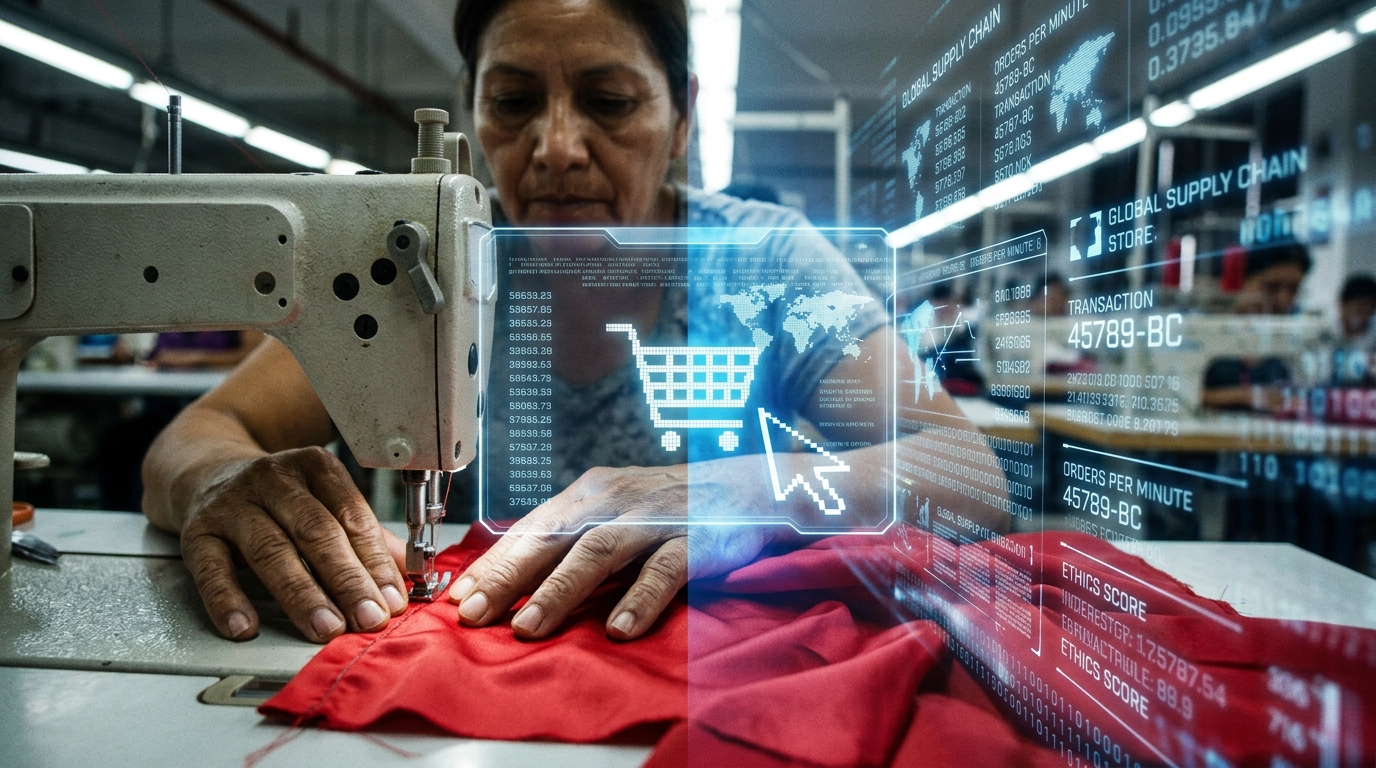
Your digital footprint represents more than just your browsing history or social media activity because it serves as a direct link to the modern global labor market. Every time you click a checkout button on a major online platform, you trigger a complex chain of events that stretches across continents and time zones. While the convenience of digital retail often masks the human element, your data-driven purchases play a significant role in determining working conditions in overseas factories. You are essentially acting as a remote participant in an economic system that relies on high-speed fulfillment and low-cost production. Understanding this connection is the first step in transforming your role from a passive user into a conscious moral agent.
Navigating the intricacies of modern supply chains requires you to look beyond the sleek interface of your favorite shopping apps. Digital retail has created a layer of abstraction that makes it difficult to see the warehouse workers and garment makers who make your lifestyle possible. By evaluating the transparency of the brands you support, you can begin to bridge the gap between your personal values and your economic impact. This intellectual framework helps you recognize that your purchasing power is a form of political and moral influence. Even when inflation makes price a primary concern, being aware of the systemic labor issues within your digital footprint allows you to make more informed, ethical compromises.
Environmental Stewardship Through Conscious Consumption Patterns
Adopting a mindset of environmental stewardship requires you to look past the surface of green marketing to understand the moral weight of your economic choices. While it is tempting to follow fleeting eco friendly trends, true conscious consumption is about recognizing your role within a global network of labor and natural resources. You possess the power to challenge the cycle of short term gratification by evaluating how each purchase impacts ecosystems far beyond your own backyard. By shifting your focus from impulsive acquisition to intentional selection, you transform your wallet into a tool for systemic change. This approach helps you bridge the gap between your personal values and the practical realities of a demanding economy.
Navigating the modern marketplace often feels like a constant battle between your ethical intentions and the rising costs of living. You might find that systemic barriers, such as the price premiums on fair trade goods or the convenience of digital retail, make it difficult to stay consistent with your principles. However, environmental stewardship is not about achieving perfection but about making informed trade offs that prioritize long term planetary health. When you choose quality over quantity or support transparent supply chains, you are actively resisting the pressure to prioritize low prices at the cost of human dignity and environmental safety. These small, deliberate shifts in your habits create a ripple effect that signals a demand for a more just and sustainable economic future.
Final section
Reclaiming your agency as a consumer begins with acknowledging that your spending habits are a practical extension of your moral philosophy. While systemic barriers and rising costs often make ethical choices feel out of reach, you can bridge the gap between your bank account and your conscience through intentional, incremental shifts. Instead of viewing every purchase as a test of purity, try to see your wallet as a tool for gradual influence within the global labor market. By slowing down to research the origins of your goods, you transform from a passive participant in a digital retail cycle into an active steward of your own economic impact.
Real change does not require you to be a perfect shopper, but it does require you to be an informed one. You can navigate the tension between inflation and ethics by prioritizing transparency and durability over the convenience of disposable goods. Focusing on fewer, high quality items helps mitigate the environmental strain caused by overconsumption while supporting fair labor practices. This approach allows you to maintain your financial stability without abandoning the values that define your character. As you align your daily transactions with your internal compass, you contribute to a broader cultural shift that demands a more equitable and sustainable economic future.
The Hidden Cost of Your Cart
Navigating the ethics of consumerism requires you to look beyond the price tag to understand your role within a global network of labor and environmental impact. While the pressure of rising costs often forces you to prioritize your budget, viewing your purchases through a critical moral framework helps you recognize the hidden costs of cheap goods. You are not just a buyer but a participant in a systemic cycle that affects fair wages and ecological health across borders. By acknowledging these connections, you can begin to bridge the gap between your personal values and your daily economic behavior.
True ethical consumption is less about achieving perfection and more about making informed, conscious choices whenever your circumstances allow. You should recognize that systemic barriers in digital retail and pricing are designed to prioritize convenience over conscience, making your role as a mindful shopper even more vital. Instead of feeling overwhelmed by the complexity of global supply chains, focus on the incremental power of your influence as a consumer. Your commitment to questioning where products come from and how they are made serves as a necessary check on modern economic practices.
Ultimately, your journey toward ethical consumerism is a personal contribution to a broader movement for economic justice and sustainability. You have the power to challenge the status quo by advocating for transparency and supporting systems that do the most good today. Even when financial constraints limit your options, staying informed ensures that your long term intentions remain aligned with your moral philosophy. By integrating these environmental ethics principles into your life, you help build a future where responsible consumption is the standard rather than the exception.
Frequently Asked Questions
1. What exactly is the intention action gap in consumerism?
The intention action gap occurs when your personal values and desire to shop ethically are interrupted by practical obstacles like high costs or limited availability. It is the space between what you want to do for the world and what your bank account actually allows you to do in the moment.
2. Am I being hypocritical if I cannot afford ethical products?
You are not being hypocritical when you choose an affordable option over a conscious one. You are simply navigating a global economic system that often penalizes ethical choices by placing a premium price tag on fair wages and environmental protections.
3. Why are ethical goods more expensive than conventional products?
Ethical goods usually carry a higher price because they internalize costs that other companies ignore, such as living wages for workers and sustainable sourcing methods. When you see a higher price, you are often seeing the true cost of production rather than a price subsidized by low labor standards.
4. How can I practice ethical consumerism on a tight budget?
You can reclaim your agency by focusing on actions that cost nothing, such as reducing overall consumption or researching brands before you buy. Ethical consumerism is not just about buying the right things, it is also about making thoughtful decisions with the resources you already have. Embracing intentional living allows you to align your daily habits with your core principles regardless of your financial status.
5. Is the burden of ethical shopping solely on the individual consumer?
While your individual choices matter, the burden is not yours alone to carry. The tension you feel is the result of broad systemic forces and economic structures that prioritize low costs over moral considerations, meaning true change requires both personal and collective action. This sense of being a replaceable cog in a vast machine is a common byproduct of modern industrial and digital economies.
6. How can I deal with the guilt of making non-ethical purchases?
You should replace guilt with a critical understanding of how the modern market operates. Recognizing that your choices are restricted by systemic barriers allows you to move forward without shame while still striving for better alternatives whenever they become accessible to you. Considering the philosophy of food and other essentials can help you find meaning in the choices you are able to make.